

How Augmented Reality Is Changing Digital Experiences
Discover how augmented reality is transforming entertainment, retail, education, marketing, and immersive digital interaction across modern industries.
How Augmented Reality Is Changing Digital Experiences
Augmented reality has rapidly evolved from experimental technology into a practical digital solution used across multiple industries. Businesses, entertainment companies, educators, retailers, and technology developers are increasingly adopting AR to create more interactive and immersive user experiences.
Unlike virtual reality, which places users inside fully digital environments, augmented reality enhances the real world by overlaying digital content onto physical surroundings. This combination of digital and physical interaction creates experiences that feel both natural and engaging while remaining highly accessible through smartphones, tablets, AR glasses, and wearable technology. As consumer technology continues advancing, augmented reality is becoming a major part of how people shop, learn, communicate, navigate, and interact with digital content in everyday life.
Understanding Augmented Reality Technology
Augmented reality works by combining computer-generated visuals, animations, information, and interactive elements with real-world environments in real time. Users can view these digital overlays through device cameras or wearable AR displays while still remaining aware of their physical surroundings.
Modern AR systems use technologies such as motion tracking, depth sensing, object recognition, computer vision, and spatial mapping to position digital elements accurately within real spaces. These technologies help digital content appear stable and realistic while interacting naturally with physical environments. As AR hardware and software improve, the line between physical and digital experiences continues becoming increasingly seamless.
How AR Differs From Virtual Reality
Although augmented reality and virtual reality are often discussed together, they create very different experiences. Virtual reality replaces the user's environment entirely with a simulated digital world, while augmented reality enhances existing surroundings by adding digital content on top of reality. This makes AR more accessible for daily use because users do not need to disconnect completely from their physical environment. Because AR works well on smartphones and tablets, millions of users can access immersive experiences without specialized equipment.
Another important distinction is how users interact with each technology. Virtual reality is designed to create complete immersion by blocking out the physical world and transporting users into digital spaces, often through dedicated VR headsets. Augmented reality, however, is designed to complement and enhance real-world interaction rather than replace it. This makes AR highly practical for industries such as retail, tourism, education, navigation, manufacturing, and healthcare where users still need awareness of their physical surroundings while receiving digital information and assistance in real time.
The Growth of Mobile AR
The rapid improvement of smartphone technology has played a major role in the growth of augmented reality. Modern mobile devices now include advanced cameras, sensors, and processing power capable of supporting sophisticated AR applications. This has allowed businesses and developers to create interactive experiences that users can access instantly through mobile applications.
The accessibility of smartphones has helped augmented reality move into mainstream consumer use far faster than many other immersive technologies. Millions of users can now experience AR without purchasing specialized hardware, making adoption significantly easier for both businesses and consumers. Popular social media platforms, mobile games, retail apps, and navigation tools have introduced users to AR experiences in ways that feel familiar and intuitive, helping build widespread acceptance of the technology.
As mobile internet speeds and device performance continue improving, mobile AR experiences are also becoming more advanced and visually realistic. Features such as real-time object tracking, facial recognition, environmental understanding, and advanced animations now operate smoothly on everyday devices. This ongoing evolution is allowing developers to create increasingly sophisticated digital experiences that blend seamlessly into users’ daily routines and digital interactions.
Augmented Reality in Retail and E-Commerce
Retail and e-commerce industries have become some of the largest adopters of augmented reality technology.
Businesses are increasingly using AR to help customers visualize products more effectively before making purchasing decisions.
Virtual Product Visualization
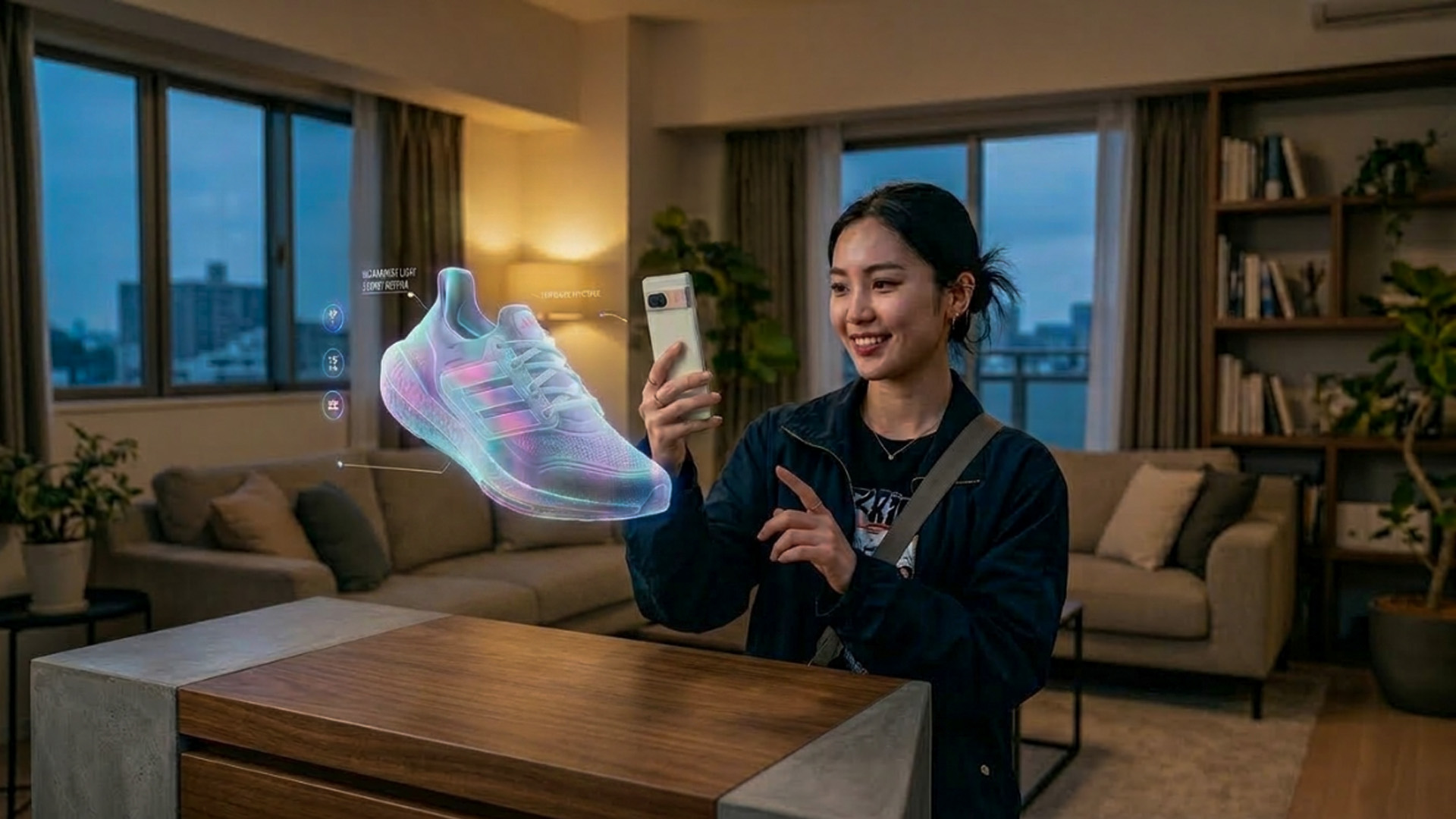
One of the most popular uses of AR in retail is virtual product placement. Customers can use their smartphones to preview furniture, decor, appliances, and other products inside their own spaces before buying them.This creates a more interactive shopping experience while helping reduce uncertainty and improving purchasing confidence.
For online retailers, virtual product visualization helps bridge the gap between digital shopping and physical shopping experiences. Customers often hesitate to purchase products online because they cannot physically interact with items before buying them. AR technology helps solve this problem by allowing customers to see how products will look, fit, or function within their own environments. This increases customer confidence while helping businesses improve conversion rates and reduce abandoned purchases.
The technology is particularly effective for industries such as furniture, home improvement, interior design, and consumer electronics where product scale and placement are important factors in purchasing decisions. Customers can experiment with different layouts, colours, and configurations directly from their devices, creating a far more engaging and personalized shopping experience compared to traditional product photography alone.
Virtual Try-On Experiences
Fashion and beauty brands are also using augmented reality to provide virtual try-on systems for:
- Eyewear
- Clothing
- Makeup
- Shoes
- Jewelry
- Accessories
These experiences allow customers to preview products digitally in real time, improving engagement and reducing return rates.
Virtual try-on technology has become increasingly sophisticated thanks to improvements in facial tracking, body mapping, and artificial intelligence. Customers can now see highly accurate previews of how products may appear on their faces or bodies before completing purchases. This not only creates a more entertaining and interactive experience but also helps customers make more informed decisions when shopping online.
For businesses, virtual try-on systems can significantly reduce costly product returns that often result from incorrect sizing, style expectations, or customer uncertainty. The ability to test products digitally also encourages customers to spend more time interacting with brands, increasing engagement and improving overall customer satisfaction. As these systems continue improving, virtual try-on technology is expected to become a standard feature across many retail sectors.
Enhanced Customer Engagement
AR experiences naturally attract attention because they encourage interaction instead of passive viewing.Interactive product demonstrations, immersive campaigns, and AR marketing experiences help brands create stronger emotional connections with audiences.
Unlike traditional advertising formats, augmented reality campaigns invite users to actively participate within the experience itself. This creates higher levels of engagement because users are not simply observing content — they are interacting with it in meaningful and memorable ways. AR campaigns often encourage exploration, experimentation, and social sharing, helping brands extend their reach organically through user-generated content and online engagement.
Businesses are increasingly using AR to create interactive showrooms, product launches, branded filters, and gamified promotional experiences that capture attention in competitive digital markets. These immersive experiences can improve brand recall and strengthen customer relationships because users associate the brand with innovation, entertainment, and interactivity. In many cases, AR experiences also generate valuable data and insights into customer behaviour, helping businesses refine future marketing strategies more effectively.

Augmented Reality in Education and Training
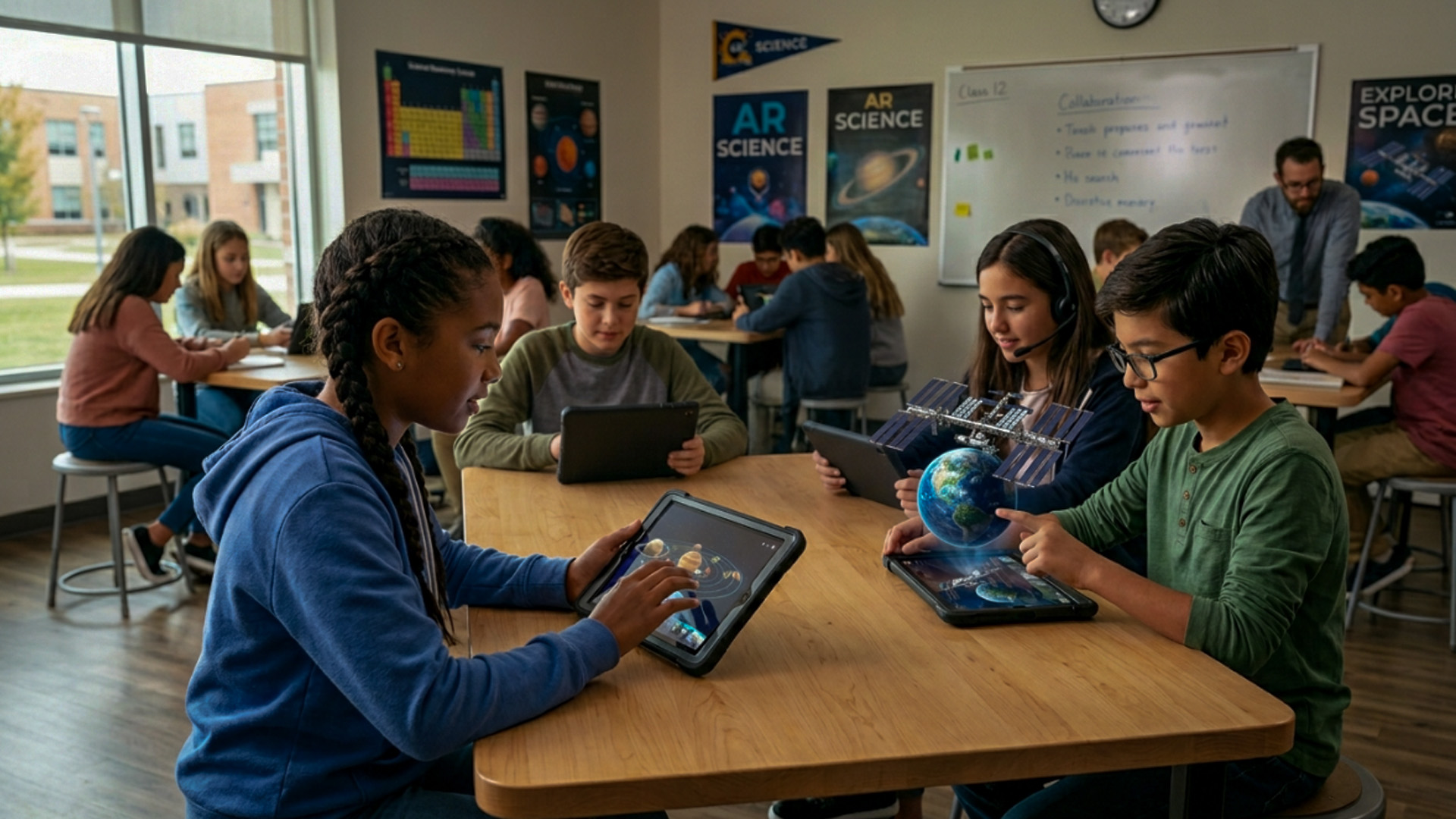
Educational institutions and businesses are increasingly adopting augmented reality to improve learning experiences and training programs.Traditional learning methods often rely heavily on reading, static images, and theoretical explanations. AR introduces interactive visual learning that helps users better understand complex subjects.
Interactive Educational Content
Augmented reality can transform textbooks, presentations, and learning materials into interactive experiences.Students can view three-dimensional models, animations, and simulations directly within their physical environment, making lessons more engaging and easier to understand.Subjects such as science, engineering, medicine, and architecture benefit significantly from immersive visualization.
Interactive AR educational content allows students to move beyond passive learning by exploring information visually and spatially. Instead of relying solely on diagrams or written explanations, learners can interact with three-dimensional models that demonstrate concepts dynamically in real time. This hands-on approach can improve comprehension significantly, particularly for complex topics that are difficult to explain using traditional teaching methods alone.
For example, medical students can study detailed anatomical structures through AR visualizations, engineering students can examine machinery and systems from multiple perspectives, and architecture students can explore building designs within physical spaces. By making learning more visual and experiential, augmented reality helps improve student engagement while encouraging curiosity, exploration, and deeper understanding across a wide range of subjects.
Workplace Training Applications
Businesses also use AR for employee training and technical guidance.Workers can receive real-time instructions and visual overlays while performing tasks, helping improve efficiency and accuracy. Industries using AR training solutions include manufacturing, healthcare, construction, logistics, and aviation.
AR workplace training systems provide employees with contextual information exactly when and where they need it. Instead of referring to manuals or external instructions, workers can access digital guidance directly within their field of view while completing tasks. This reduces errors, improves workflow efficiency, and allows employees to learn procedures more quickly and effectively in practical working environments.
Many industries are using AR to improve safety training, equipment maintenance, technical support, and operational efficiency. In manufacturing and engineering environments, AR overlays can guide workers through complex assembly or repair processes step-by-step. In healthcare, surgeons and medical staff can access critical visual information during procedures and training simulations. These applications demonstrate how augmented reality is becoming a valuable tool for improving productivity, reducing downtime, and enhancing workforce development.
Improved Knowledge Retention
Interactive learning experiences often improve knowledge retention because users actively participate with information instead of passively consuming it. This hands-on approach helps learners develop stronger understanding and practical skills.
Research consistently shows that active participation improves memory retention and learning effectiveness. Augmented reality supports this by allowing learners to engage directly with content in interactive and immersive ways. When users can manipulate objects, explore environments, and receive immediate feedback during the learning process, they are more likely to retain information and apply it successfully in real-world situations.
AR learning environments also support different learning styles by combining visual, auditory, and interactive elements into a single experience. This flexibility helps learners absorb information more naturally and maintain engagement for longer periods. As educational institutions and businesses continue embracing immersive technologies, augmented reality is expected to play an increasingly important role in modern training and knowledge development strategies.
Augmented Reality in Marketing and Advertising
Marketing agencies and brands are increasingly using augmented reality to create memorable campaigns that stand out in crowded digital spaces.Traditional digital advertising often struggles to capture user attention for extended periods. AR experiences encourage active participation and interaction, making campaigns more engaging and shareable.
Interactive Brand Campaigns
AR allows brands to create immersive experiences where users can interact directly with products, environments, and promotional content.These campaigns often generate stronger audience engagement because users become active participants rather than passive viewers.
Interactive brand campaigns allow companies to present products and services in ways that feel innovative, entertaining, and highly personalized. Instead of simply displaying advertisements, businesses can create digital experiences where users explore products in their own environments, unlock hidden content, participate in branded games, or engage with immersive storytelling. These experiences often leave stronger impressions because they involve direct user interaction rather than one-way communication.
Brands across industries are using AR to launch products, create experiential promotions, and strengthen audience engagement both online and in physical spaces. Because AR experiences encourage exploration and participation, users are more likely to spend longer interacting with branded content. This extended engagement can increase brand awareness, improve customer recall, and generate stronger emotional connections between businesses and their audiences.
Social Media AR Filters
Social media platforms have played a major role in the growth of consumer AR adoption. Millions of users interact daily with augmented reality filters and effects through mobile applications. These experiences help introduce AR technology to mainstream audiences in accessible and entertaining ways.
AR filters have transformed how users engage with content on platforms such as Instagram, TikTok, Snapchat, and Facebook. What began as simple face filters has evolved into highly sophisticated interactive experiences involving animations, games, branded effects, and virtual environments. These tools allow users to personalize content creatively while helping brands reach audiences through highly shareable experiences.
For businesses, social media AR filters offer a cost-effective way to increase brand visibility and audience interaction. Branded AR effects can spread rapidly through user sharing, allowing campaigns to achieve significant organic reach. Because users actively choose to engage with and distribute these experiences, AR filters often feel more authentic and entertaining compared to traditional digital advertisements, making them especially effective for younger and highly connected audiences.
Experiential Marketing
Brands increasingly use AR for experiential marketing campaigns that combine digital storytelling with real-world interaction. This approach helps businesses create more memorable customer experiences while increasing social sharing and audience reach.
Experiential marketing focuses on creating emotional and memorable interactions between brands and consumers, and augmented reality enhances this strategy by introducing immersive digital layers into real-world environments. AR can transform physical locations, events, packaging, and retail spaces into interactive experiences that capture attention and encourage participation. This helps businesses create unique moments that audiences are more likely to remember and share with others.
Many companies are now integrating AR into live events, exhibitions, retail activations, tourism experiences, and public installations to create stronger engagement with audiences. By blending physical interaction with digital storytelling, AR allows brands to create experiences that feel innovative, immersive, and highly interactive. These campaigns often generate increased online visibility through social media sharing, helping businesses extend the impact of experiential marketing beyond the physical event itself.
Augmented Reality in Navigation and Tourism
AR technology is also improving navigation, tourism, and location-based experiences. By overlaying information directly onto real-world environments, AR helps users explore locations more interactively and efficiently.
Smart Navigation Systems
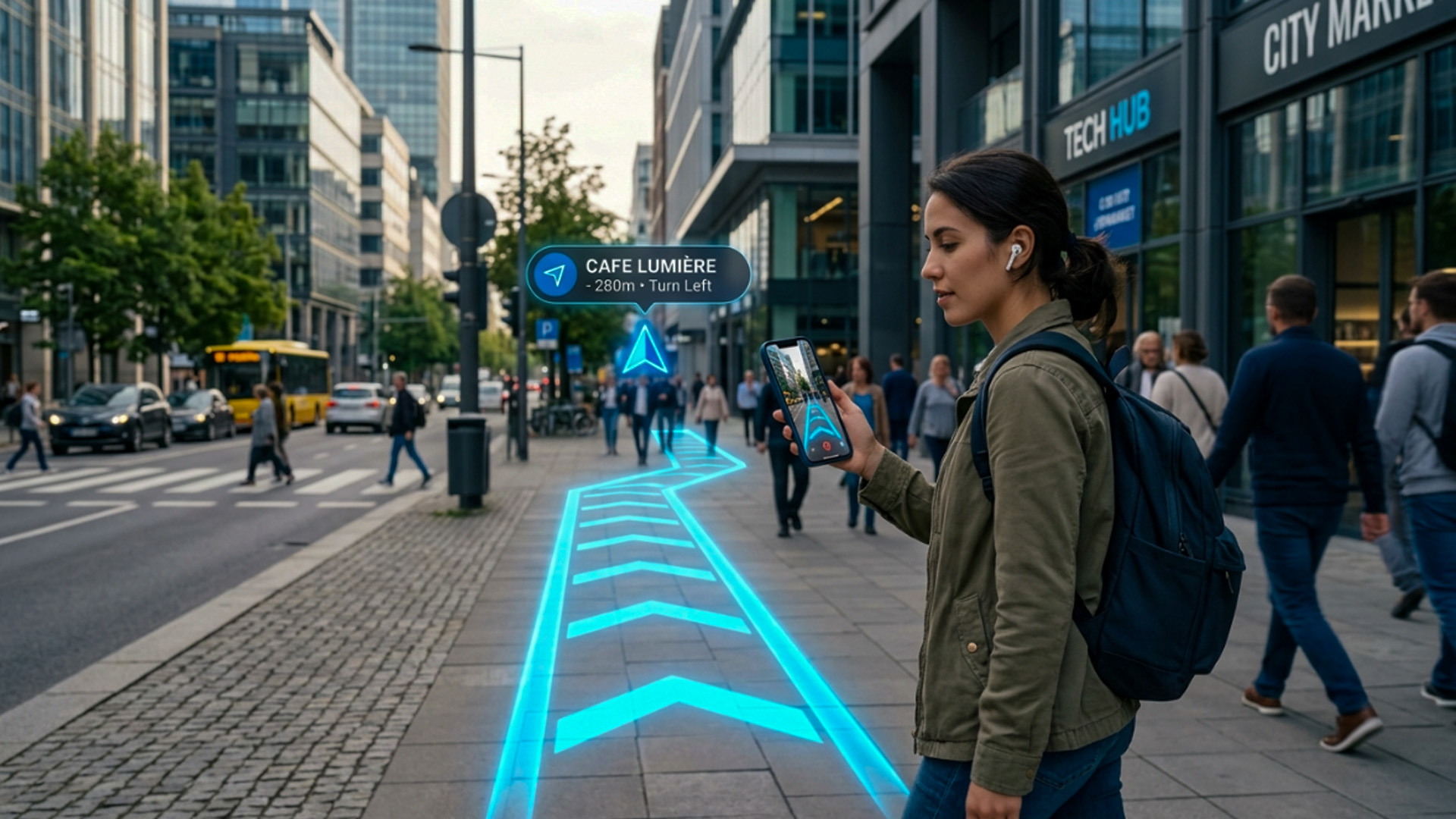
AR navigation systems can display directions directly within the user's environment using smartphone cameras or wearable displays. This creates a more intuitive navigation experience compared to traditional maps.
Traditional navigation systems often require users to shift their attention between digital maps and their physical surroundings, which can create confusion and reduce efficiency. Augmented reality improves this process by placing directional guidance directly onto the real-world environment. Arrows, markers, labels, and interactive overlays can appear naturally within the user’s view, making directions easier to follow while improving situational awareness.
This technology is especially valuable in large or complex environments such as airports, shopping centres, hospitals, universities, and urban areas where traditional navigation methods may be less effective. AR navigation can reduce user frustration while helping people reach destinations faster and more confidently. As wearable AR devices continue evolving, these navigation experiences are expected to become even more seamless and integrated into everyday travel and mobility.
Tourism and Cultural Experiences
Museums, tourism attractions, and historical sites increasingly use augmented reality to enhance visitor experiences. Users can access interactive information, historical reconstructions, animations, and digital storytelling while exploring physical locations.
AR allows tourism destinations and cultural institutions to present information in more immersive and engaging ways than traditional signage or audio guides. Visitors can point their devices at landmarks, artefacts, or historical sites to unlock interactive content such as animations, reconstructed scenes, educational overlays, and multilingual information. This helps create richer experiences that combine entertainment with education and storytelling.
Historical and cultural AR experiences can also help bring locations to life by showing how environments may have appeared in the past. Ancient buildings, battlefields, archaeological sites, and heritage attractions can be digitally reconstructed to provide visitors with deeper context and understanding. These immersive experiences often increase visitor engagement while encouraging longer visits and stronger emotional connections to destinations and cultural heritage.
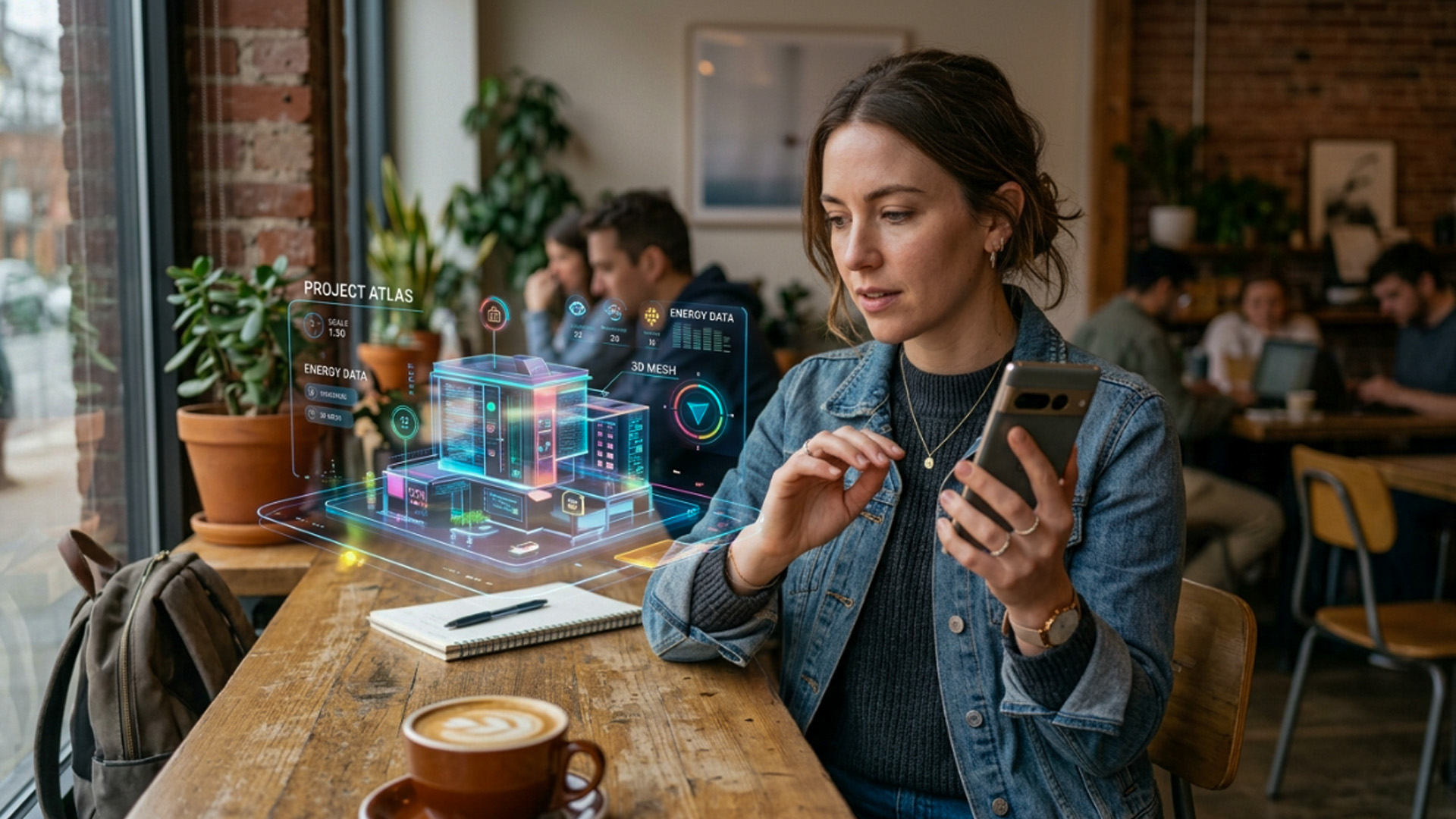
Real Estate and Property Visualization
Property developers and real estate companies are also adopting AR technology to showcase buildings, interiors, and development projects.
Potential buyers can preview spaces, layouts, and furniture placement directly through immersive visualization tools.
Augmented reality is helping transform how properties are marketed and experienced before construction is completed or before buyers physically visit a location. Through AR visualization tools, users can walk through digital representations of buildings, preview interior designs, and experiment with furniture placement directly within physical environments. This creates a more interactive and informative experience for buyers, investors, and clients.
Real estate developers can also use AR to present large-scale development projects in visually compelling ways during sales presentations, exhibitions, and consultations. Potential buyers gain a clearer understanding of layouts, proportions, and design concepts, helping improve confidence during decision-making. As competition within the property industry continues increasing, immersive visualization tools are becoming valuable assets for improving customer engagement and enhancing marketing effectiveness.
The Technology Behind Modern AR Systems
Modern augmented reality experiences rely on a combination of advanced software and hardware technologies working together in real time.
As processing power and sensor technology continue improving, AR experiences are becoming more realistic and responsive.
Computer Vision and Spatial Mapping
Computer vision technology allows AR systems to recognize surfaces, objects, and environments.
Spatial mapping helps digital content interact accurately with physical surroundings, improving realism and stability.
Computer vision is one of the core technologies that enables augmented reality systems to understand and interpret the physical world. By analyzing camera input and environmental data, AR systems can identify surfaces, detect movement, recognize objects, and determine spatial positioning in real time. This allows digital elements to appear naturally integrated within physical environments instead of floating inaccurately or behaving unrealistically.
Spatial mapping further improves immersion by creating detailed digital representations of real-world spaces. AR systems use this information to position virtual content accurately while responding dynamically to environmental changes. These technologies work together to create experiences that feel more stable, interactive, and believable, helping users interact with digital content as though it truly exists within their surroundings.
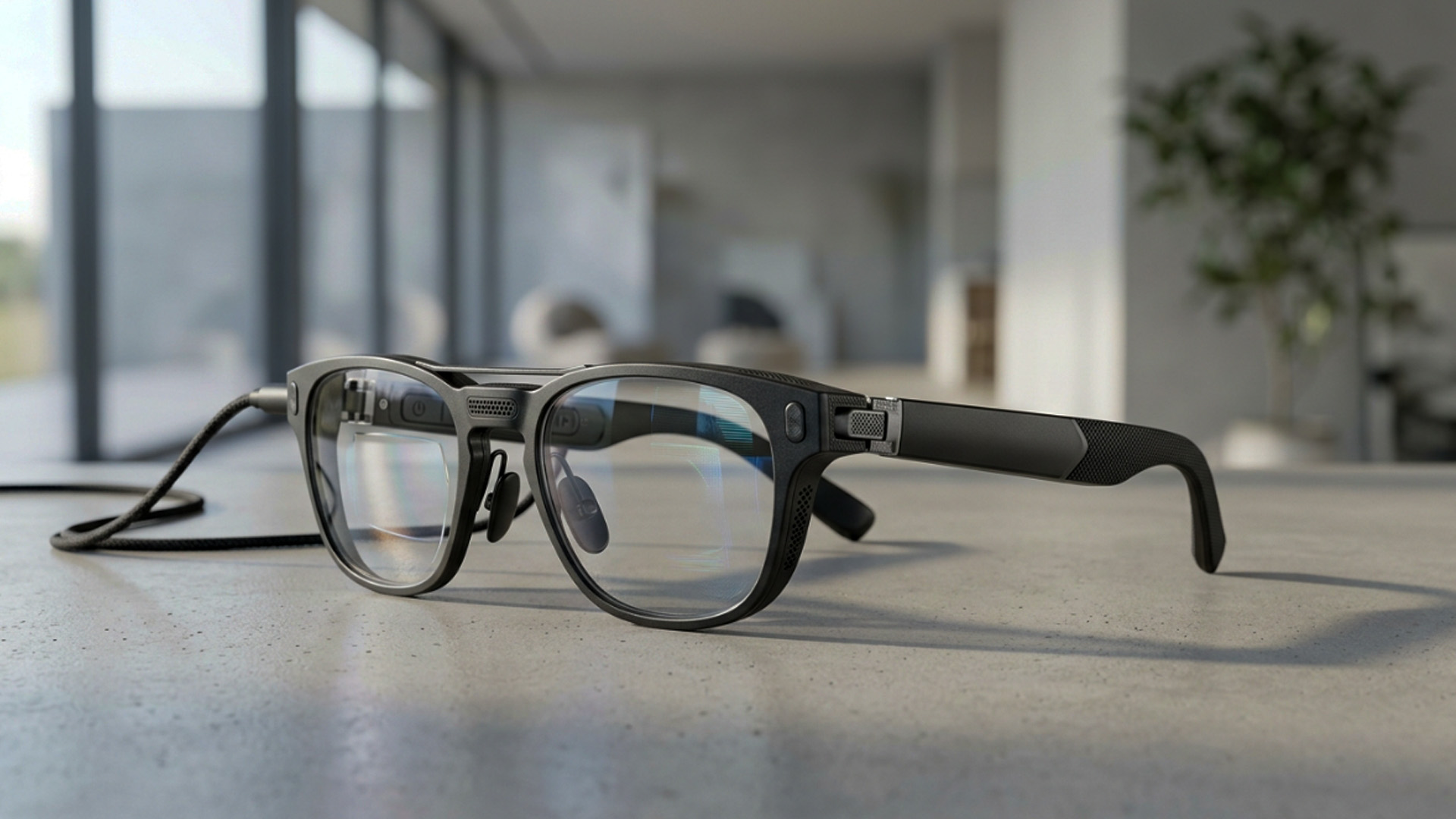
Wearable AR Devices
While smartphones remain the most common AR platform, wearable AR devices are becoming increasingly advanced.
AR glasses and headsets are expected to play a major role in the future of immersive computing.
These devices aim to provide seamless digital interaction without requiring users to constantly hold mobile devices.
Wearable AR technology is evolving rapidly as major technology companies invest heavily in next-generation immersive computing platforms. AR glasses and headsets aim to integrate digital information directly into users’ daily lives by providing hands-free access to navigation, communication, entertainment, productivity tools, and contextual information. This shift could significantly change how people interact with digital content throughout the day.
Unlike smartphones, wearable AR devices have the potential to create more natural and continuous digital interaction without interrupting physical activities. Users may eventually access information, notifications, navigation, and collaboration tools simply by looking at objects or locations around them. Although widespread adoption still faces challenges related to battery life, comfort, cost, and design, wearable AR technology is expected to become increasingly important in the future of personal computing and digital interaction.
Artificial Intelligence Integration
Artificial intelligence is increasingly being integrated into AR systems to improve recognition, personalization, automation, and interaction.
AI-powered AR experiences can adapt dynamically based on user behavior and environmental conditions.
Artificial intelligence enhances augmented reality by enabling systems to interpret environments more intelligently and respond more naturally to user interactions. AI algorithms can improve object recognition, gesture tracking, language translation, facial analysis, and contextual understanding, allowing AR experiences to become more personalized and adaptive in real time. This combination of AI and AR creates smarter systems capable of delivering more intuitive and responsive user experiences.
As AI technology continues improving, augmented reality systems are expected to become increasingly capable of understanding user intent, predicting needs, and automating interactions seamlessly. AI-driven AR could support advanced applications such as intelligent assistants, real-time translations, predictive maintenance systems, adaptive learning environments, and advanced spatial computing experiences. The integration of these technologies is likely to play a major role in shaping the future of immersive digital interaction across many industries.
The Future of Augmented Reality
Augmented reality continues evolving rapidly as businesses and technology companies invest heavily in immersive digital experiences.
Future advancements are expected to improve realism, accessibility, device performance, and user interaction significantly.
As AR technology becomes more integrated into everyday devices, immersive digital interaction may eventually become a standard part of daily life.
Industries including retail, education, healthcare, tourism, entertainment, manufacturing, and communication are expected to continue expanding their use of augmented reality solutions.
Businesses that adopt AR technologies early are positioning themselves to deliver more interactive, engaging, and innovative experiences in increasingly competitive digital markets.
The future of augmented reality will likely involve deeper integration between digital content and physical environments across both personal and professional settings. Advances in wearable computing, artificial intelligence, cloud processing, and spatial computing are expected to create experiences that feel more seamless, intelligent, and responsive than current AR systems. As hardware becomes smaller, lighter, and more affordable, AR adoption is likely to increase significantly across mainstream consumer and enterprise markets.
Augmented reality is also expected to influence how people communicate, collaborate, shop, work, learn, and consume entertainment in the coming years. Businesses that invest in immersive technologies today are positioning themselves at the forefront of digital innovation while preparing for changing consumer expectations around interactivity and engagement. As the technology matures further, augmented reality may become one of the most transformative digital platforms shaping the future of human-computer interaction.
Author: Elisha Roodt
Durban's leading intelligence hub on immersive technology. Delivering comprehensive coverage, expert analysis, and breakthrough news on Virtual Reality (VR), Augmented Reality (AR), and the Metaverse.