
Enhancing Storytelling Through Immersive Media
A Glimpse into Revolutionary Immersive Storytelling Entertainment has always thrived on illusion—the flicker of shadows in a cave, the grand...
A Glimpse into Revolutionary Immersive Storytelling
Entertainment has always thrived on illusion—the flicker of shadows in a cave, the grand orchestration of opera, or the sweeping panorama of cinema. Today, virtual reality stands as the newest frontier, not merely extending imagination but enveloping it. Through immersive environments and spherical narratives, VR bends the very grammar of storytelling. Viewers cease to be passive recipients and instead step into the architecture of a narrative universe, where every corner hides significance and every angle reshapes perspective. This is not just evolution; it is revolution—a fusion of technology, psychology, and artistry that offers audiences a multisensory passport into fabricated worlds that feel startlingly authentic.
The Architecture of Immersion
Spatial Presence as Narrative Gravity
When entering a virtual environment, the sensation of “being there” eclipses the passive act of watching. This spatial presence functions like narrative gravity, pulling the participant deeper into the storyline. Unlike the fixed rectangle of film, VR surrounds the senses, forcing attention to be negotiated, not directed. Imagine standing inside a 19th-century Parisian café rather than viewing it from a director’s lens. The aroma of metaphoric coffee lingers, the murmur of voices surrounds, and you, not the camera, decide where to gaze. This decentralization of perspective makes the story feel less like a script and more like an ecosystem in which you are a living character.
Such immersion transforms storytelling into an experiential landscape. The user’s agency—choosing where to look, when to move, or how to interact—generates a personal version of the tale. Narrative designers now contend with not just plotlines but geographies, crafting worlds where every stone and shadow can whisper meaning. The story becomes less of a line and more of a sphere, radiating in all directions. This complexity challenges creators but also grants them unprecedented expressive potential. In this architecture, immersion is not an embellishment but the foundational blueprint of the tale itself.
360° Cinematic Language
Traditional cinema employs cuts, pans, and close-ups to guide emotion and attention. In 360° cinema, those tools are blunt instruments. The camera no longer tells you where to look; instead, the entire horizon becomes the frame. This demands a new lexicon of visual storytelling, one that persuades rather than commands. Directors often use sound cues, lighting contrasts, or subtle character gestures to magnetize attention within the spherical field. Picture an actor whispering behind you—the story is not just unfolding in front but all around, creating a ballet of perspectives where discovery becomes part of the narrative thrill.
In this emergent grammar, even negative space is significant. A seemingly empty alley could hold narrative weight, demanding viewers to explore. The absence of forced framing mirrors the unpredictability of reality itself, where meaning arises from both focus and neglect. For audiences, this yields a heightened sense of autonomy. For creators, it requires relinquishing a degree of control, trusting the architecture of their world to carry the weight of plot without dictating every gaze. This tension between freedom and orchestration defines the cinematic challenge of VR storytelling.
Embodied Metaphors in Virtual Space
VR does not simply tell stories—it embodies them. Movement, touch, and perspective become metaphors woven directly into the fabric of the narrative. A descent down a staircase can signify a plunge into memory; the tactile act of opening a door can symbolize entering forbidden knowledge. Where film uses visual metaphor, VR amplifies it into spatial allegory. The participant is not interpreting imagery but enacting it, making the metaphor visceral. This blurring of symbolism and action transforms allegory from abstract into lived sensation, making stories resonate in bone-deep ways.
Consider a hypothetical narrative where grief is represented as a fog that thickens as you wander deeper into memory. Instead of watching an actor stumble through mist, you feel the weight of obscured vision and muffled sound as you move. The metaphor no longer resides in dialogue or cinematography; it manifests physically in your own embodied navigation. This somatic storytelling breaks the traditional boundary between viewer and protagonist, merging the two into a singular narrative entity. VR’s strength lies precisely in this merger, turning metaphors into environments one can inhabit.
Interactive Agency in Entertainment Worlds
Choice as a Narrative Engine
In VR entertainment, choice is not merely decorative—it propels the story. Unlike linear media where paths are predetermined, VR worlds fracture into branches shaped by user decisions. Imagine entering a noir mystery in which turning left takes you to a smoky jazz bar while turning right leads to a police interrogation. Each choice reshapes not only plot but emotional resonance. This branching structure creates multiplicity, allowing every participant to experience a uniquely tailored narrative tapestry. The result is not a single definitive story but an evolving anthology authored by countless perspectives.
Such agency complicates the very idea of authorship. The storyteller no longer dictates every beat; instead, they design conditions for narrative emergence. It is akin to a gardener planting seeds rather than a sculptor chiseling marble. The garden grows differently for each visitor, influenced by their steps, pauses, and curiosities. This shift demands creators master systems design as much as scriptwriting, blending dramaturgy with interactivity. When executed well, choice amplifies immersion, turning audiences into co-authors rather than mere consumers of narrative spectacle.
The Illusion of Freedom and Curated Pathways
Yet absolute freedom can be paralyzing. If everything is possible, nothing feels urgent. To combat this, VR creators often design curated pathways disguised as free will. Subtle cues—like flickering lights, auditory hints, or narrative characters beckoning—guide participants without constraining them overtly. This balance maintains the thrill of autonomy while ensuring that core story arcs remain intact. It is a dramaturgical sleight of hand, an illusion of boundlessness carefully stitched over a skeleton of structure. Much like a magician’s trick, the audience revels in agency while being gently nudged toward narrative convergence.
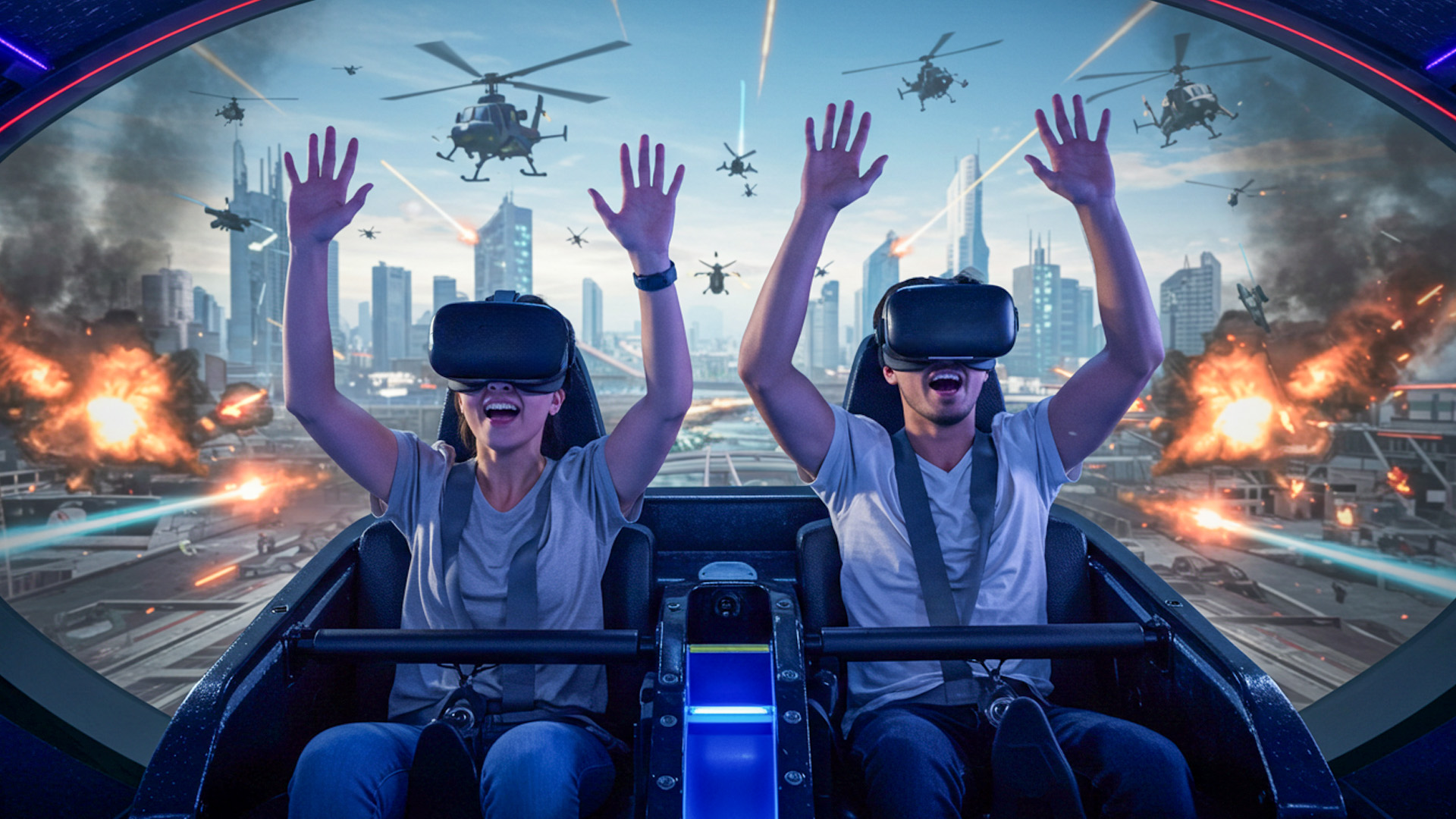
Consider theme park rides where tracks are hidden beneath the spectacle. You feel the rush of unpredictability, though the path is carefully engineered. VR similarly orchestrates unseen scaffolds. A crime thriller might allow you to explore an entire city block, yet crucial evidence always lies within reach. This hybridization of structure and liberty ensures coherence while preserving wonder. The artistry lies in hiding the rails while amplifying the sensation of steering—a delicate act of narrative misdirection that allows both immersion and storytelling integrity to coexist harmoniously.
Multiplayer Narratives and Collective Play
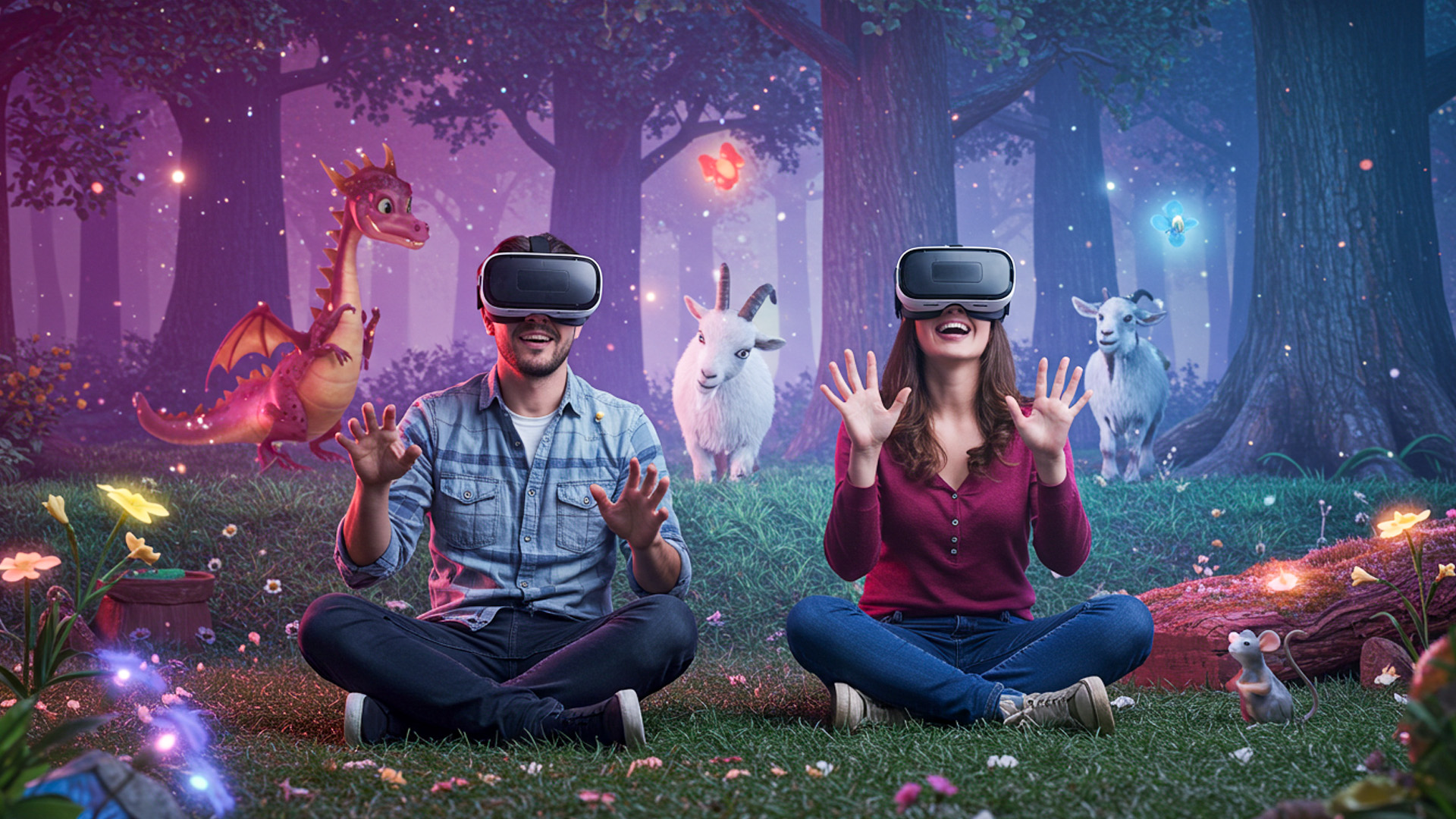
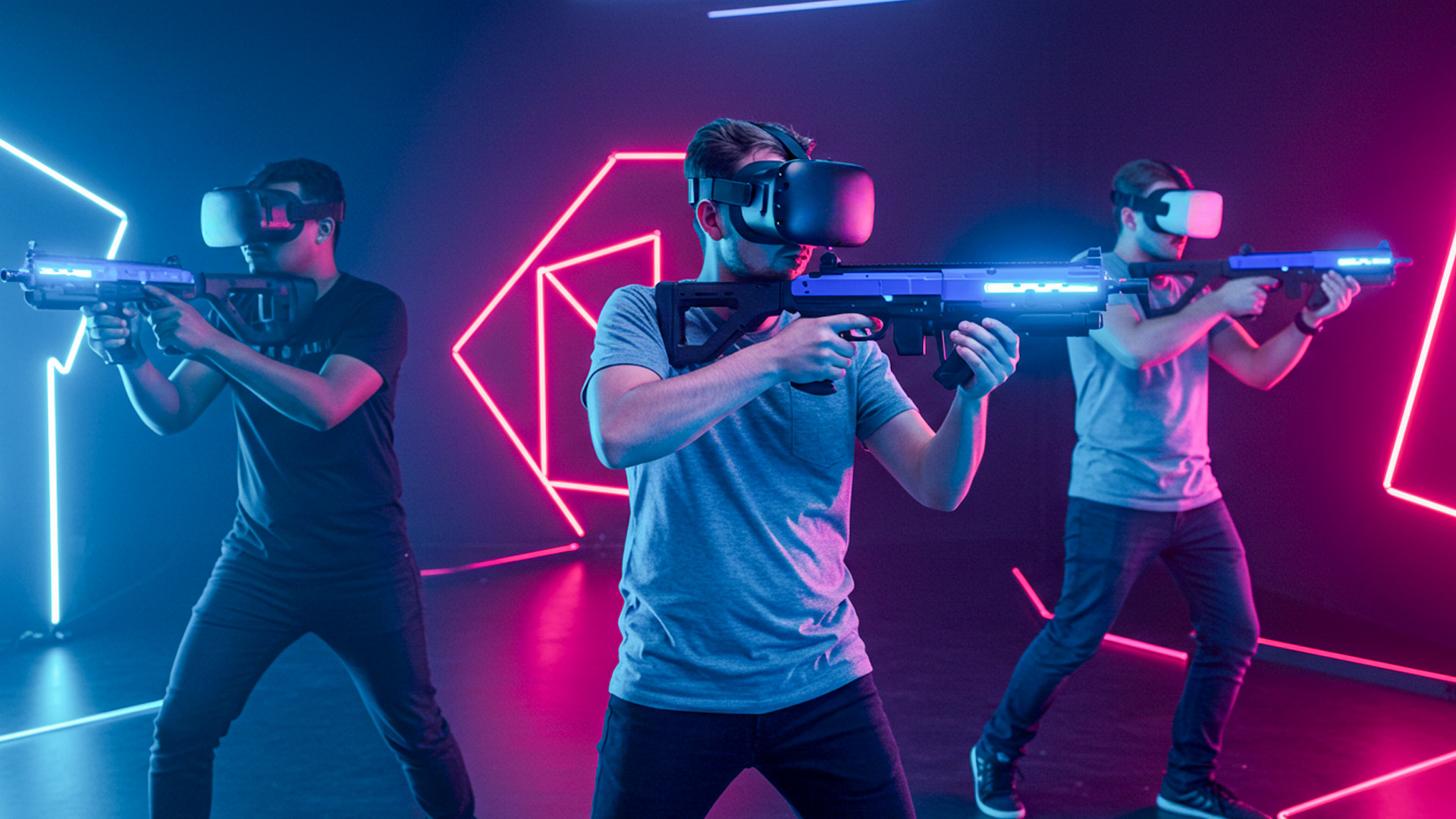
Where VR departs radically from traditional media is in its capacity for shared narrative. Multiplayer environments invite participants to co-create experiences in real time, weaving personal threads into collective tapestries. Picture a fantasy quest where each player assumes a unique role—warrior, healer, scholar—and the group’s synergy determines the unfolding outcome. This collective authorship mirrors improvisational theatre more than film, transforming VR entertainment into a dynamic stage where strangers become collaborators. The result is not just consumption but communion, where narrative becomes a social ritual.
These shared spaces blur the line between audience and ensemble. In one scenario, you may be the protagonist; in another, a supporting character enriching someone else’s arc. The interplay of perspectives generates narratives impossible to script in advance, birthed instead from emergent dynamics of collaboration and conflict. In this sense, VR becomes less of a medium and more of a cultural campfire, rekindling storytelling’s primal function as communal bonding. Multiplayer VR entertainment fuses performance, play, and narrative into an unprecedented experiential genre.
Sensory Augmentation and Emotional Impact
Audio Landscapes as Emotional Cartographers
In immersive entertainment, sound is no longer background score but spatial cartography. A distant bell may draw you into an alley; a crescendo behind you may elicit dread. This three-dimensional audio sculpts the emotional topography of a scene as surely as architecture shapes physical space. Unlike stereo film soundtracks, VR audio is dynamic, reactive, and intimately tied to orientation. Where you look alters what you hear, and what you hear compels where you look. It becomes a feedback loop, fusing perception with narrative propulsion in ways linear soundscapes never could.
Sound also functions as emotional shorthand. A dissonant chord can transform an otherwise ordinary room into a site of menace. Silence itself becomes a narrative instrument, sharpening awareness like the pause before a thunderclap. By enveloping the listener in acoustic spheres, VR soundscapes bypass intellectual processing and target instinctive responses. Fear, wonder, nostalgia—these arise not through exposition but through orchestrated resonance. For participants, it is less about “hearing” a soundtrack and more about inhabiting an emotional architecture that shapes how every scene is felt, remembered, and understood.
Haptic Feedback as Narrative Texture
Touch remains cinema’s missing sense, but VR changes that equation. Through haptic gloves or controllers, textures, vibrations, and resistances imbue stories with tactile verisimilitude. Imagine grasping a torch in a dungeon and feeling its faint vibration as fire crackles, or brushing against an ancient wall and sensing its granular roughness. These sensations are not mere novelties; they are narrative textures that anchor the illusion of presence. By simulating the physicality of interaction, haptics deepen emotional investment, making moments unforgettable not just in sight and sound but in the very muscles of memory.
Haptics also enrich symbolic resonance. A shattering glass may not only be heard and seen but felt as a vibration through your palm, reinforcing its dramatic significance. In psychological dramas, subtle resistance in a controller could embody emotional weight—hesitation becomes literal, not metaphorical. This multi-sensory layering pushes immersion into synesthetic territory, where emotions are amplified through embodied sensation. By blending tactile input with narrative stakes, VR ensures that stories are not only witnessed but inscribed into the nervous system itself.
Emotive Resonance Through Visual Fidelity
Visual fidelity in VR transcends mere graphics; it shapes emotional credibility. Hyperrealistic renderings can elicit awe, but sometimes stylization is more potent, channeling mood rather than mimicking reality. Consider how expressionist cinema bent shadows to express paranoia—VR can adopt similar visual strategies, exaggerating scale, color, or texture to externalize psychological states. A dream sequence may bloom with surreal geometry, while a memory may appear in watercolor hues. The point is not accuracy but resonance—visuals that amplify emotional subtext rather than replicate surface reality.
Yet fidelity carries responsibility. Too much realism without emotional framing risks uncanny dissonance, where participants feel unsettled not by design but by accident. Successful VR entertainment calibrates visual fidelity with thematic intent. A horror experience may benefit from gritty textures, while a whimsical adventure may thrive in pastel abstraction. The artistry lies in aligning visual strategy with emotional objective, crafting imagery that both dazzles and coheres. In this way, VR visuals cease to be background dressing and instead become emotional conductors, orchestrating feelings as powerfully as dialogue or plot.
The Future of VR Entertainment Ecosystems
Convergence with Artificial Intelligence
The synergy of VR and AI heralds a future where stories evolve in real time, adapting to the psychology of participants. Envision an AI-driven antagonist who alters tactics based on your hesitation or bravery, making each encounter unique. Characters cease to be scripted puppets and become dynamic improvisers, responding with spontaneity that mirrors human interaction. This convergence transforms VR into a living narrative organism, where no two sessions are identical. The boundaries of authorship stretch further, blending algorithmic intelligence with artistic design to sculpt stories that breathe alongside their audiences.
Beyond characters, AI can generate landscapes, dialogue, and even entire quests procedurally, expanding content infinitely without sacrificing coherence. Imagine walking through a fantasy city where every passerby has a believable backstory, or navigating political intrigue where factions adapt to your choices dynamically. This emergent storytelling pushes VR beyond scripted entertainment into a form of endless narrative simulation, equal parts authored and autonomous. The implications for entertainment are staggering: a medium that never exhausts itself, constantly reinventing in response to its participants.
Cross-Reality Hybrids
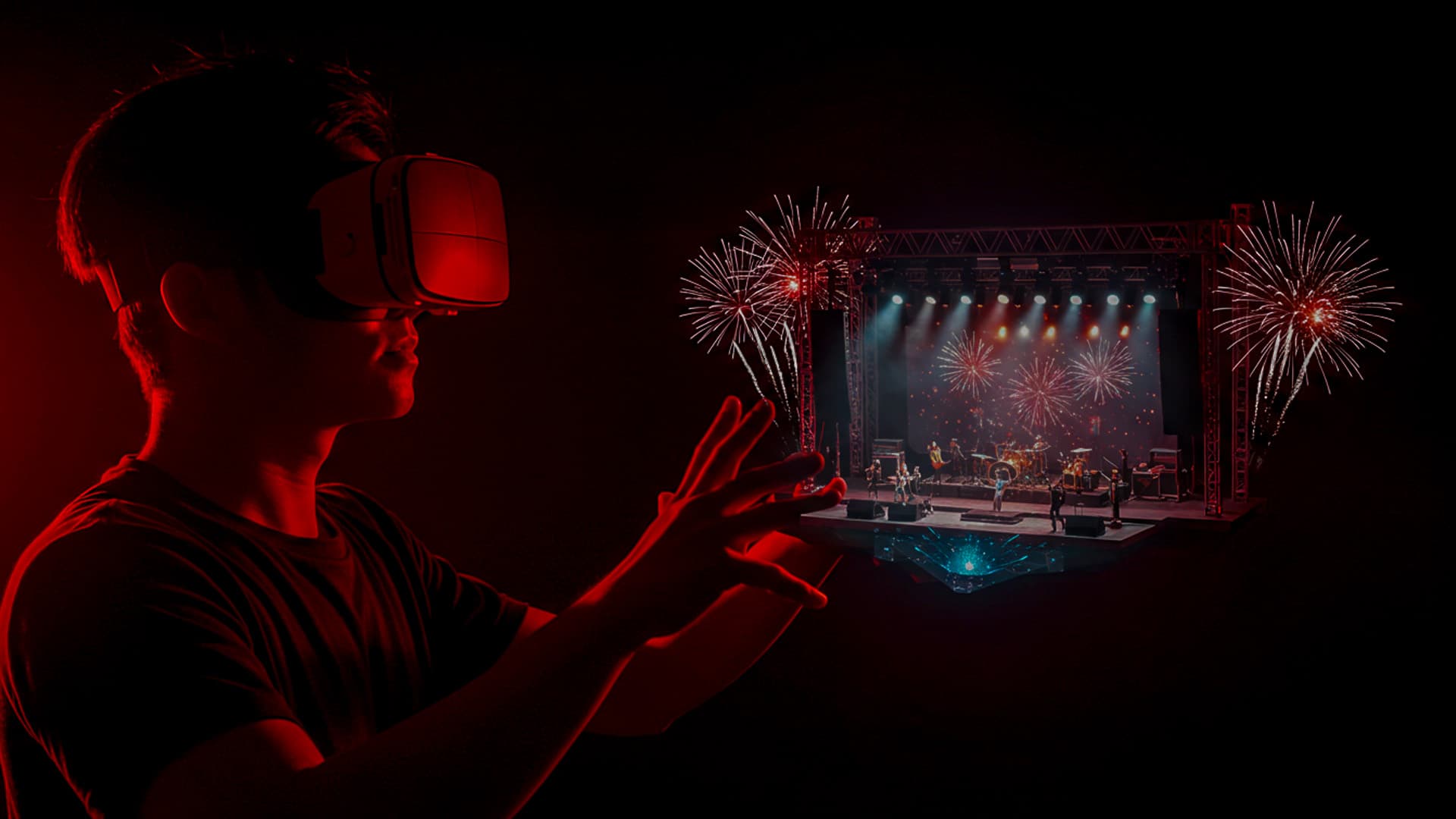
As VR technology matures, it increasingly intertwines with augmented reality, creating hybrid experiences that bleed into everyday environments. Picture attending a live concert where the band performs physically, but the stage explodes with virtual effects visible only through your headset. Entertainment becomes layered—a palimpsest of physical and digital realities coexisting in real time. These cross-reality hybrids offer the familiarity of real-world anchors with the boundlessness of virtual embellishments, producing spectacles that transcend both traditional stages and pure VR simulations.
Such hybrids also democratize access. A theater performance in London could be augmented into living rooms worldwide, allowing audiences to experience the same play in shared virtual overlays. This convergence expands the reach of entertainment while preserving its liveness. It dissolves geographic constraints, replacing them with a borderless stage. For creators, it unlocks a canvas where narrative exists simultaneously across dimensions. For audiences, it ensures that the thrill of spectacle is no longer bound by proximity but accessible through the simple act of donning a headset.
Ethics of Escapism and Digital Authenticity
Every leap in storytelling technology has sparked debate over authenticity and escapism, and VR is no exception. While it offers unparalleled immersion, it also raises questions: Do prolonged virtual experiences erode our sense of reality? Does an artificially curated world diminish our engagement with the tangible one? These ethical quandaries hover over VR entertainment like specters, demanding careful navigation. Designers and ethicists must collaborate to establish guardrails that preserve psychological well-being while enabling artistic exploration. Striking this balance ensures that VR enhances life rather than eclipsing it.
Yet authenticity in VR need not be an oxymoron. The emotions evoked—fear, joy, wonder—are real, even if their triggers are fabricated. A poignant story told in VR can leave imprints as genuine as memories formed in physical space. The task is not to replicate reality but to enrich it, crafting experiences that resonate without supplanting the everyday. Like novels or films before it, VR is a tool of escapism that paradoxically deepens our grasp of truth. By acknowledging its dual nature—both artifice and authenticity—we can harness VR responsibly as the next great medium of entertainment storytelling.
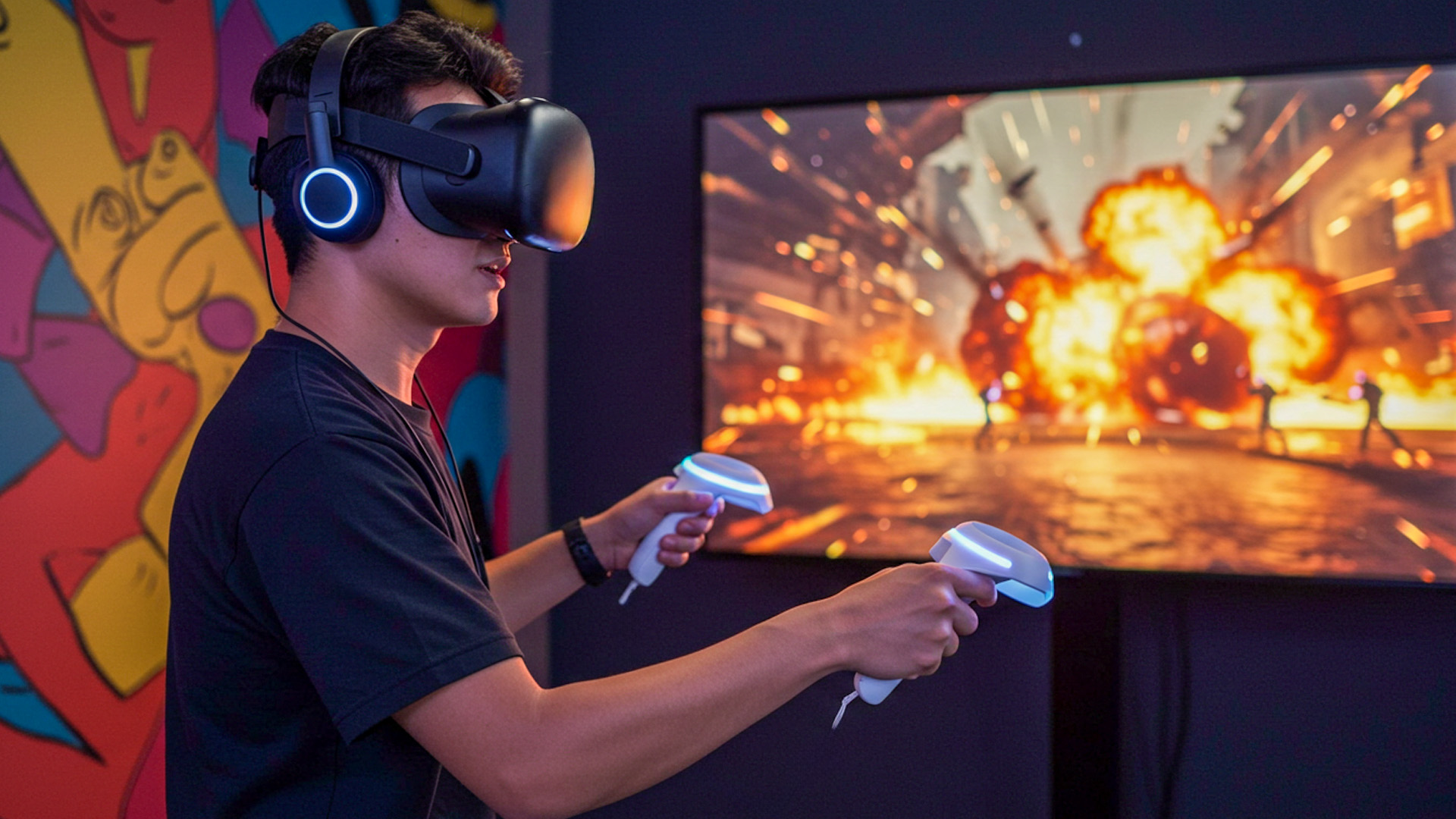
The Future Of Vr Entertainment Ecosystems
Author: Elisha Roodt
Durban's leading intelligence hub on immersive technology. Delivering comprehensive coverage, expert analysis, and breakthrough news on Virtual Reality (VR), Augmented Reality (AR), and the Metaverse.