
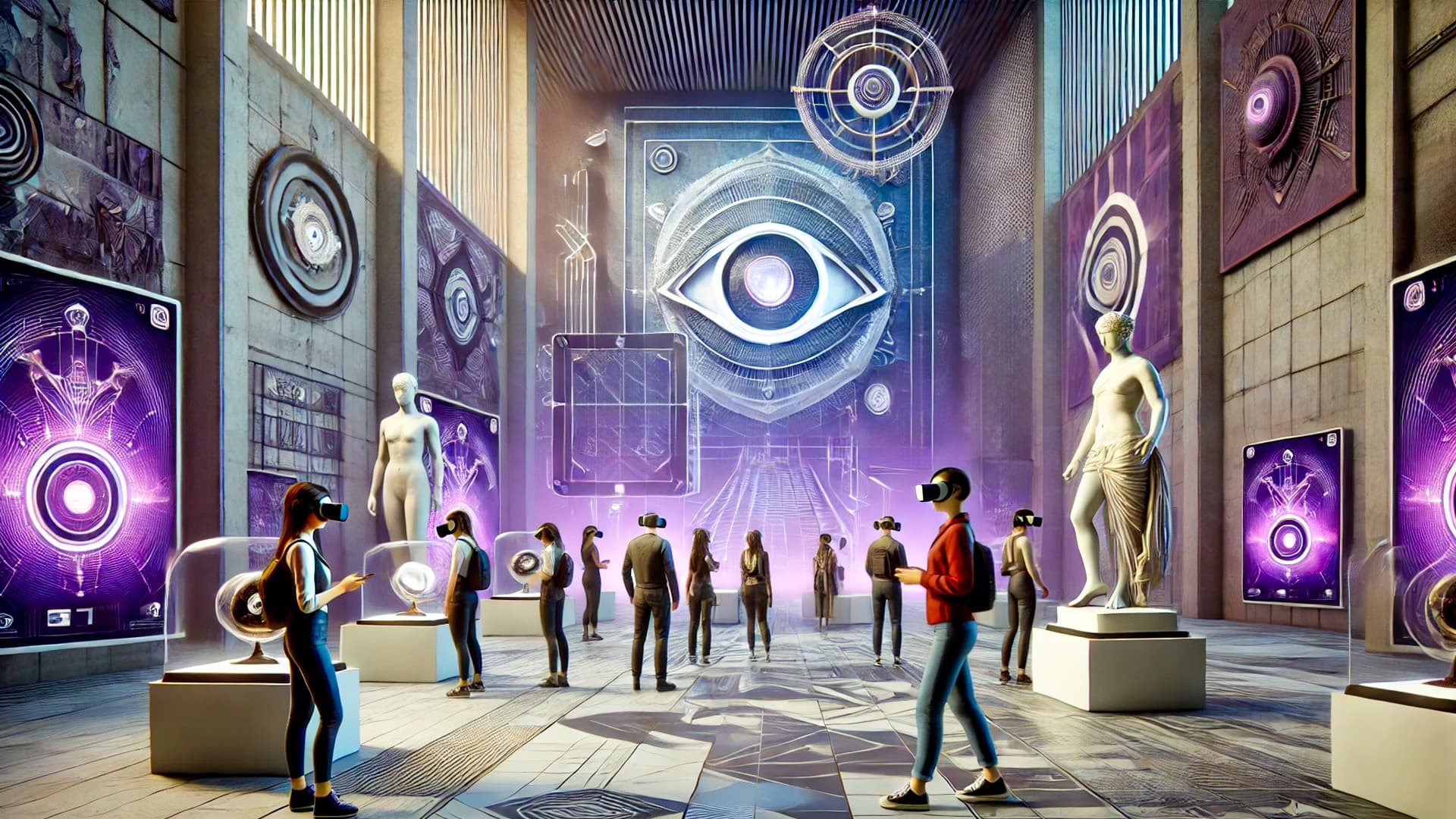
Virtual Reality Takes Art and Music to New Dimensions
The Immersive Leap into Creative Realms The artistic and musical landscapes are undergoing a profound metamorphosis, driven by the rise of virtual...
The Immersive Leap into Creative Realms
The artistic and musical landscapes are undergoing a profound metamorphosis, driven by the rise of virtual reality (VR). No longer confined to traditional mediums or stages, creators are now able to craft entire worlds where art and sound can transcend the physical limitations of our reality. This immersive leap allows artists and musicians to tap into boundless realms of expression, reshaping how we interact with, perceive, and create art and music. VR doesn’t merely enhance the creative process—it reinvents it.
How Virtual Reality is Expanding Artistic Boundaries
From Canvas to Code: A New Form of Expression
Art has continuously transformed with the advent of new technologies, but virtual reality (VR) presents a groundbreaking shift that transcends previous mediums. In this new era, artists are no longer bound to traditional physical tools—whether they are paintbrushes, clay, or even computer graphics software. Instead, they are empowered to manipulate immersive environments through code and pixels, creating living, breathing artistic expressions in 3D spaces. What was once limited to static mediums now evolves dynamically, changing shape, form, and meaning in response to user interaction. This flexibility allows artists to challenge the boundaries of perception, constructing vast worlds or intimate encounters that respond in real-time to a viewer's gaze or movements. It heralds a new kind of creativity where the canvas itself is ever-changing, opening the door for endless innovation and expression in ways traditional mediums never could.
Virtual Galleries: Redefining How Art is Exhibited
With VR, the age-old concept of the art gallery has been fundamentally reinvented. No longer constrained by square footage or physical walls, virtual galleries offer limitless possibilities for showcasing art. Curators can now design fantastical exhibitions where sculptures defy gravity, paintings animate before your eyes, and the viewer becomes fully immersed in the space. The boundaries of geography dissolve, allowing people from all corners of the globe to experience these digital galleries from the comfort of their own homes. This new platform not only democratizes access to art but also enhances the creative possibilities for displaying it. Curators are free to build surreal landscapes where each visitor’s interaction with the art is deeply personal, turning traditional exhibitions into immersive, multi-sensory experiences.
Breaking the Fourth Wall: Interactive Art in Virtual Spaces
In VR, the lines between creator, artwork, and audience blur, offering new forms of engagement. Rather than being passive observers, viewers in virtual environments become active participants who can manipulate, alter, or even become part of the artwork itself. This interactivity shatters the "fourth wall" that traditionally separates art from its audience, creating a dynamic two-way relationship. Each person’s interaction can uniquely shape the experience, turning art into a collaborative creation. This new participatory model transforms the role of the artist from sole creator to co-creator, where the meaning of the artwork is continuously shaped by those who interact with it. In this revolutionary artistic space, creativity is shared, and the boundaries between artist, audience, and artwork disappear, fostering a collective, ever-evolving experience.
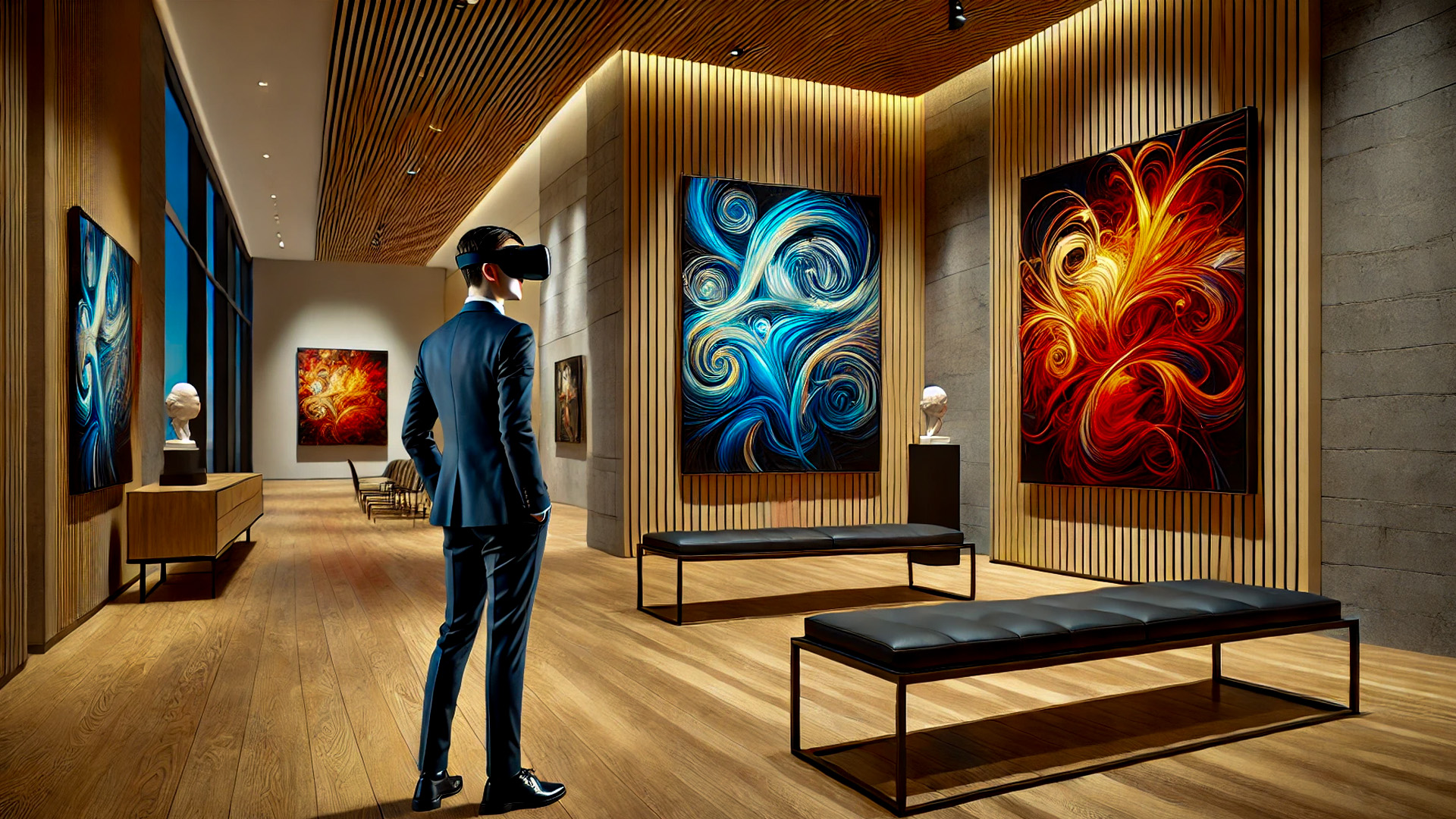
Virtual Reality’s Impact on Music Production and Performance
Studio of the Future: VR in Music Composition
Virtual reality is revolutionizing the way musicians compose and design sound, offering an entirely new approach to music production. In the virtual studio of the future, the limitations of traditional recording spaces—where physical instruments, mixers, and engineers are required—are replaced by immersive digital environments. Musicians can shape soundscapes with simple gestures, manipulating layers of audio in real-time. They can conduct a symphony of virtual instruments with the wave of a hand, instantly switching between instruments or tweaking sound effects, no longer restricted by the need for live performers or expensive studio setups. The ability to experiment with spatial audio adds a new dimension to composition, allowing musicians to create 360-degree sound experiences where the placement of each note and rhythm feels as if it’s surrounding the listener. This opens up endless possibilities for creativity, allowing composers to craft deeply immersive musical pieces that are not just heard, but felt in a fully encompassing way.
Immersive Concerts: Changing the Live Music Experience
Virtual reality is transforming the live concert experience, taking it beyond the constraints of traditional venues and offering fans a new level of immersion. In these VR concerts, attendees are no longer limited to sitting in a crowd—they can be virtually placed on stage alongside their favorite musicians or drift through dreamlike, interactive landscapes that react to the beats and melodies. Imagine standing within a pulsating arena of light or soaring through space as the music builds. These experiences blend sound and visuals into a cohesive sensory journey, with no limits on what’s possible. The flexibility of virtual spaces means that concerts can defy the laws of physics, offering a show that transcends traditional expectations. Each performance becomes a once-in-a-lifetime experience, not just for the music, but for the entire visual and auditory environment that evolves around it.
Collaborating Across Worlds: How Musicians Connect in VR
Virtual reality has redefined the way musicians collaborate, eliminating the barriers of geography and allowing artists to create together, even if they are continents apart. In virtual studios, musicians from around the world can meet in real-time to jam, compose, and produce without the need for physical proximity. These digital spaces are equipped with virtual instruments, recording tools, and interactive sound systems, enabling seamless creative exchanges. Musicians can share ideas, layer tracks, and experiment collaboratively in ways that were previously impossible due to logistical constraints. VR fosters a level of connectivity that makes cross-cultural collaborations more accessible, enabling artists from diverse backgrounds to blend styles and influences in a truly global musical dialogue. The technology allows for spontaneous creativity, bridging gaps in time zones and providing an unprecedented platform for musicians to innovate together in an immersive, boundaryless world.
Revolutionizing Audience Engagement with VR
Stepping into the Artwork: Audience as Active Participants
Virtual reality transforms the way audiences experience art by turning passive observation into active participation. Rather than simply viewing a painting or listening to music from a distance, VR allows individuals to step inside the creative work itself. Imagine wandering through the vibrant landscape of a painting, where each brushstroke becomes a path to explore, or moving through a symphony where every note can be touched, altered, or shaped by your movements. In this immersive world, the boundaries between artist and audience dissolve, with participants having the power to influence and reshape their surroundings. Each person's journey becomes unique, as their actions and decisions interact with the artwork, creating a deeply personal and evolving experience. This new level of engagement makes the audience co-creators, fostering a deeper emotional connection to the art and opening up limitless possibilities for creative collaboration between the artist and their audience.
Virtual Concertgoers: Redefining Fan Interactions
Virtual reality is revolutionizing the concert experience, offering fans a level of engagement that traditional live shows could never match. In a VR concert, every fan can choose their perspective—whether it’s standing in the front row, watching from backstage, or even performing alongside their favorite artist onstage. The technology also enables interactive elements like virtual meet-and-greets, where fans can engage with musicians in personal, one-on-one settings. Artists can offer fans a more tailored experience, such as creating personalized setlists or hosting virtual after-parties where they can interact directly. Merchandise stands can be transformed into interactive spaces, allowing fans to customize their purchases or access exclusive content. This reimagined fan interaction enhances the concert-going experience, building stronger, more intimate connections between artists and their audience, and ensuring that each virtual show is not only a performance but a personalized, immersive event.
Personalized Music Experiences: Tailored Immersion for Every Listener
VR empowers listeners to craft their own unique musical experiences, putting them in control of how they engage with sound. Whether it’s choosing to be surrounded by 360-degree audio that immerses them completely or manipulating the music to follow their preferences, VR allows every listener to create a custom auditory environment. This individualized approach to music consumption ensures that no two listening experiences are the same, making music more dynamic and personal. Listeners can adjust the intensity, volume, and spatial arrangement of the sound, tailoring the experience to suit their mood or the environment they are in. This level of personalization allows music to evolve from a shared, one-size-fits-all experience into something deeply individual, giving fans the freedom to interact with their favorite tracks in ways that reflect their personal taste and emotional state.
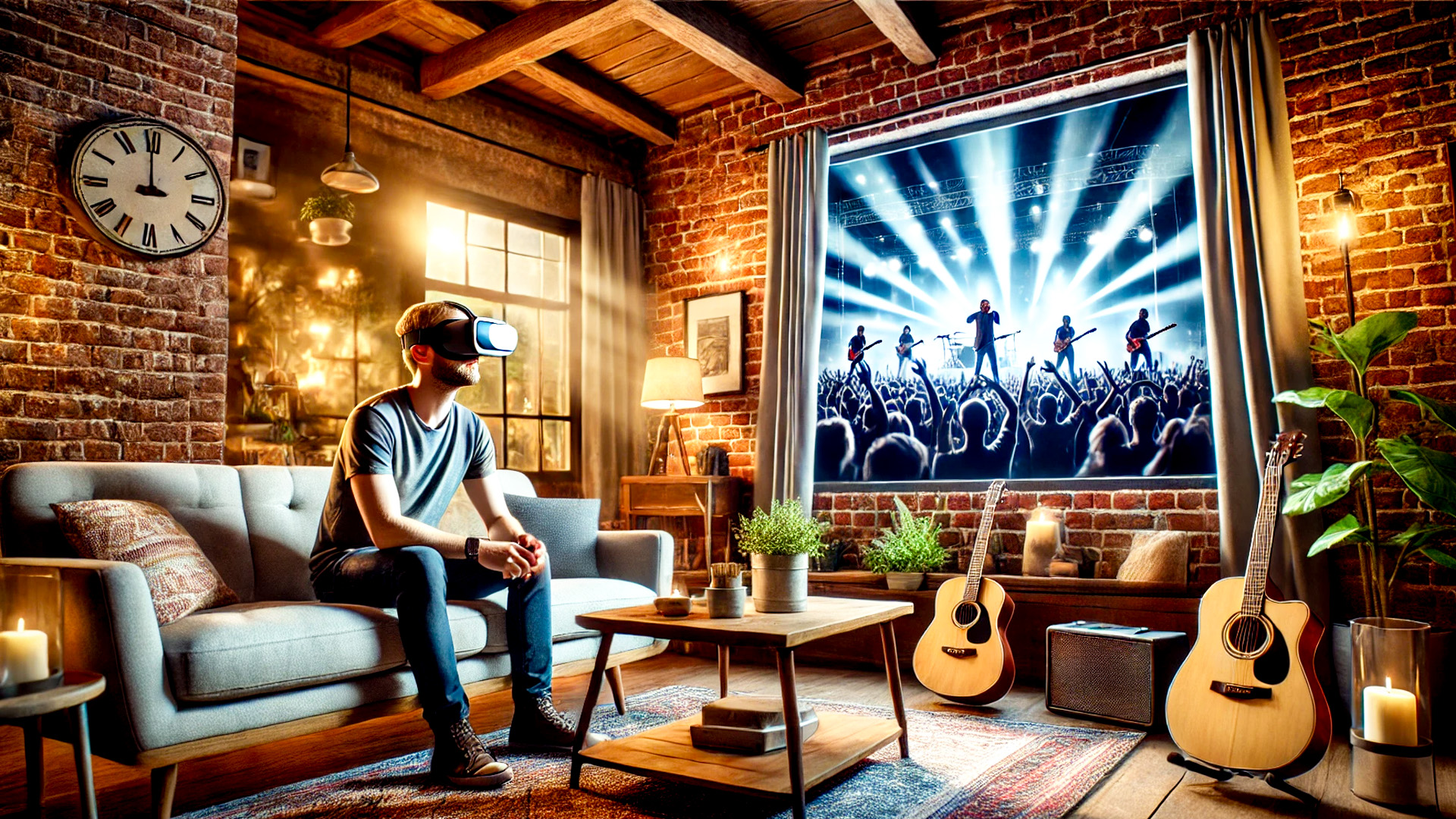
The Role of VR in Democratizing Art and Music
Global Access to Creativity: Virtual Platforms for Emerging Artists
Virtual reality is revolutionizing how emerging artists access and share their work, removing many of the traditional barriers that once made it difficult to break into the art and music industries. With VR, artists no longer need to secure expensive gallery spaces or depend on record labels to distribute their creations. Instead, they can showcase their talents on virtual platforms that reach global audiences instantly. These platforms allow artists to connect with fans and collectors from all around the world, giving them visibility they might have struggled to achieve in conventional settings. This accessibility empowers a new generation of creators, many of whom come from backgrounds that traditionally lacked representation in the arts. VR democratizes the creative process, allowing artists to express themselves without the constraints of physical space, enabling diverse voices to be heard and appreciated in a truly global arena.
Affordable Art Experiences: Making High-End Events Accessible
Virtual reality is making once-exclusive cultural events, like high-end art exhibitions and live concerts, accessible to a wider audience. Traditionally, these experiences have been limited to those who could afford expensive tickets or travel to prestigious venues. With VR, all it takes is a headset to immerse oneself in these events, no matter where they are in the world. This shift levels the playing field, allowing more people to enjoy and engage with artistic works that were once out of reach. Whether it’s attending a concert in a renowned venue or exploring a prestigious art exhibition, VR makes it possible for individuals from all walks of life to experience high-end culture. This democratization of art ensures that creativity and innovation are no longer reserved for an elite few but can be appreciated and celebrated by a truly global audience.
Empowering Independent Creators: Building Without Boundaries
For independent artists and musicians, VR provides a platform that liberates them from the traditional constraints of the industry. With fewer gatekeepers, such as gallery owners or record labels, and drastically reduced production costs, creators have the freedom to explore, experiment, and distribute their work on their terms. Virtual spaces offer limitless possibilities, where artists can construct entire worlds, design immersive experiences, and share their vision with a global audience without worrying about logistical challenges or financial barriers. This creative freedom allows independent artists to take risks and push the boundaries of their medium, fostering innovation that prioritizes artistic vision over commercial demands. In this virtual space, artists can build unique experiences that challenge conventions, reshaping how we think about art and music while reaching wider, more diverse audiences than ever before.
Challenges and Opportunities in Merging Art, Music, and VR
Technical Hurdles: Navigating the Complexity of VR Development
While virtual reality offers immense creative potential, developing VR experiences comes with significant technical challenges. Creating immersive environments requires developers and artists to master a range of technologies, from 3D modeling to real-time rendering and spatial audio. These experiences demand high levels of precision, as even small discrepancies in design or interaction can break immersion. Achieving seamless VR involves optimizing performance to prevent issues like lag or motion sickness, which can detract from the user's experience. The development process is often resource-intensive, requiring substantial time, technical expertise, and collaboration across disciplines. However, overcoming these hurdles can lead to groundbreaking results, as successful VR projects can leave lasting impressions on audiences, offering a level of immersion and interactivity that few other mediums can match.
The Cost of Immersion: Budget and Resource Considerations
Bringing a VR project to life comes with significant financial and resource demands, making cost management a key consideration for creators. High-quality VR hardware, such as headsets and controllers, can be expensive, and developing the software to support complex, interactive worlds often requires a sizable investment in specialized tools and expertise. Independent artists and musicians, in particular, must carefully weigh the costs of VR development against the potential benefits. Distribution platforms also add another layer of cost, as creating VR content for mainstream platforms like SteamVR or Oculus Store often involves licensing fees or revenue sharing. However, as the technology becomes more affordable and accessible, these costs are expected to decrease, making it easier for creators to reach a wider audience while delivering immersive experiences that push the boundaries of their art.
The Creative Potential: Boundless Innovation in VR Creations
Despite the technical and financial challenges, VR offers creators unparalleled opportunities for innovation. In this virtual canvas, artists and musicians can craft fully immersive, multi-sensory experiences that transcend the limitations of traditional media. The ability to manipulate 3D space, integrate spatial audio, and create interactive elements allows for endless experimentation, enabling creators to develop experiences that blend sight, sound, and touch in ways that have never been possible before. VR's potential for storytelling, music composition, and visual art is vast, opening new doors for artistic expression. For those willing to embrace the complexities of the medium, VR offers a unique opportunity to redefine how we engage with art, music, and entertainment, pushing the boundaries of creativity and audience engagement to new heights.
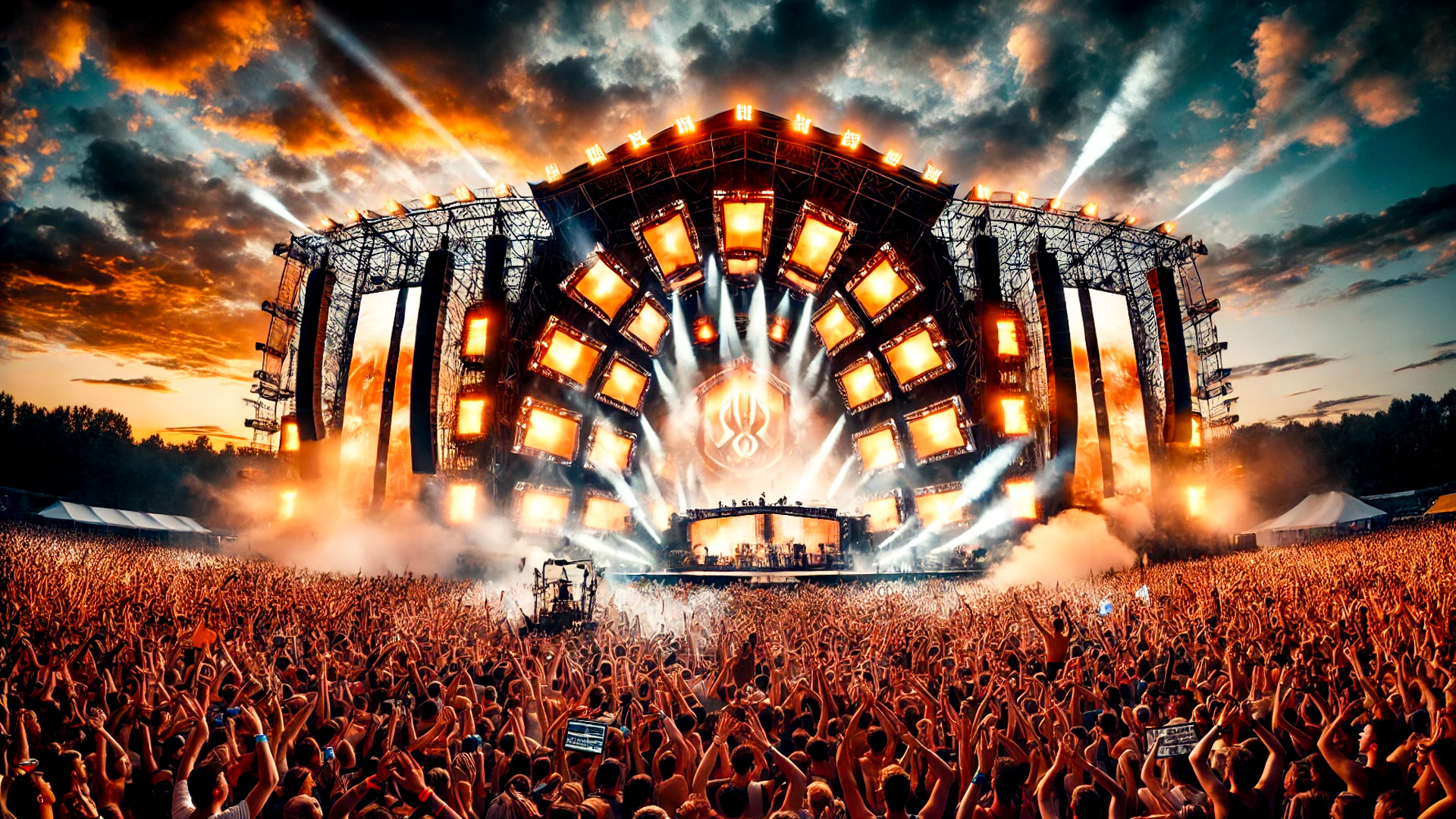
The Future of Art and Music in a Virtual World
Virtual Reality as a New Medium: Not Just a Tool, but a Canvas
As virtual reality (VR) evolves, it is shifting from being a mere tool to becoming a fully realized artistic medium. Artists and musicians are increasingly recognizing VR not just as a way to enhance their work, but as the canvas itself—an integral part of the creative process. This change in perspective is unleashing a new wave of innovation, where VR's immersive capabilities define the art. In this medium, creators are no longer bound by physical or traditional constraints; instead, they can design entirely new worlds, soundscapes, and interactive experiences that reshape how audiences engage with art. The result is a blurring of boundaries between the creator and the creation, where the medium itself shapes and enhances the message, offering limitless potential for experimentation and expression.
Beyond Virtual: Blurring the Lines Between Reality and Imagination
Virtual reality has the power to seamlessly blend the lines between the real and the imagined, creating new realms where the fantastical and the tangible coexist. In VR, artists and musicians are able to play with these blurred boundaries, constructing environments that challenge our perceptions of what is real. By allowing imagination to dictate the rules of these hybrid spaces, creators can push the limits of storytelling and artistic expression. In these virtual landscapes, it is possible to experience the impossible—to interact with art that responds in real-time or listen to music that shifts with your movement. This newfound freedom offers endless possibilities for experimentation, enabling creators to explore concepts and emotions that would be impossible to realize in the physical world.
A New Age of Art and Music: Where Technology Meets Timeless Creativity
We are on the cusp of a new era in art and music, one where technology and creativity converge to create experiences that are as innovative as they are timeless. Virtual reality is not just a passing fad; it represents the next great leap in artistic and musical expression. As more creators embrace the possibilities of VR, we are witnessing a blending of old-world techniques with cutting-edge technology. Classical forms of art and music are being reinvented through immersive environments, spatial sound, and interactive design, forging a fusion of the past and the future. This intersection of traditional creativity with modern technology marks the beginning of a golden age for both art and music, where the boundaries of human expression continue to expand.
The Dawn of a New Artistic and Musical Era
The era of VR-driven creativity has already begun, fundamentally reshaping the worlds of art and music. With VR, artists and musicians are creating experiences that are more immersive, interactive, and accessible than ever before. This technology allows for deeper emotional engagement, as users not only consume but also interact with the creative work. As VR continues to advance, the possibilities for artistic and musical expression will only grow, leading to groundbreaking innovations that redefine how we perceive, experience, and create art and music. This is not just a technological advancement—it is the birth of a new way of engaging with the world around us, signaling the dawn of a new artistic and musical era.
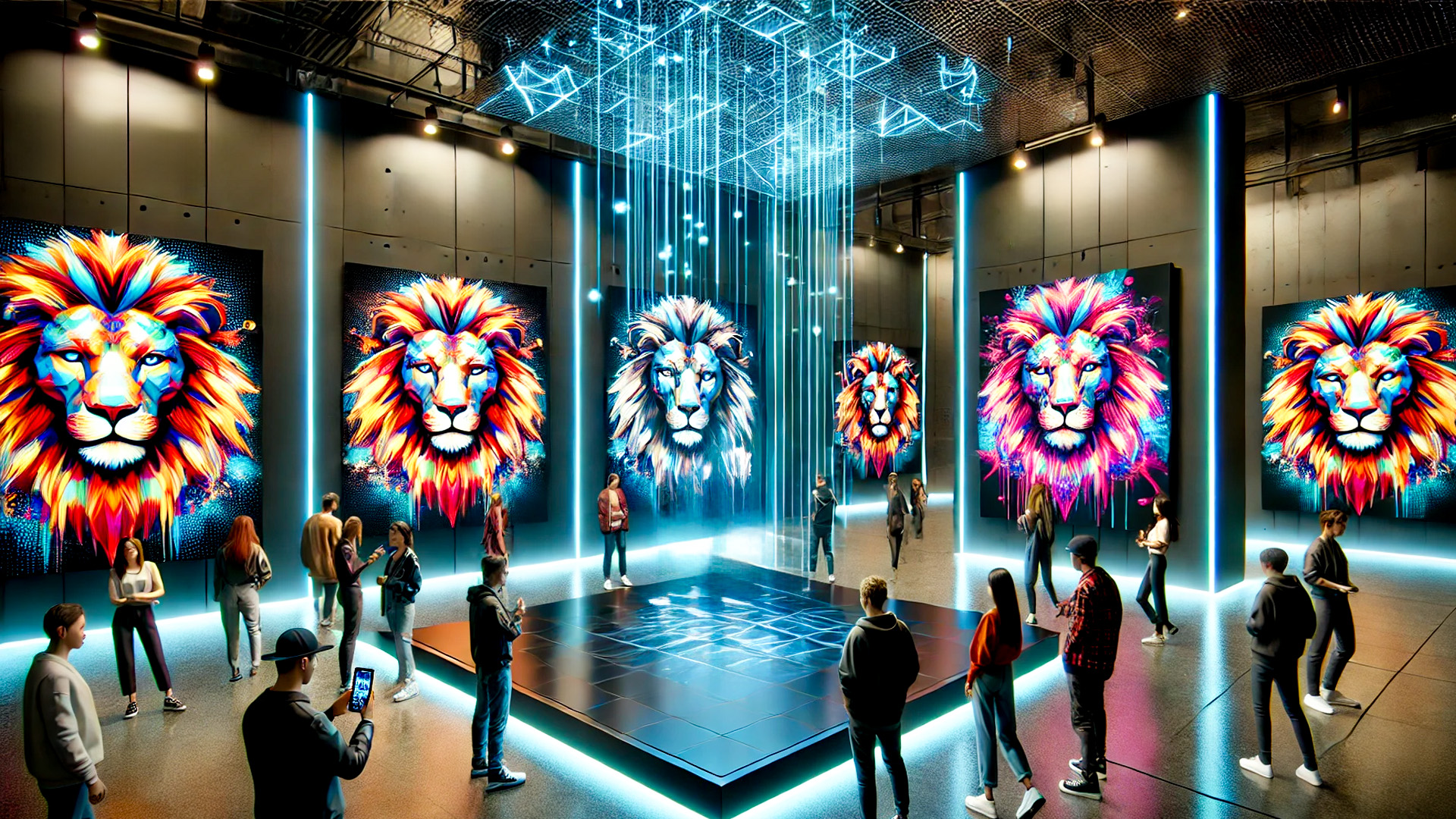
The Future Of Art And Music In A Virtual World
Author: Elisha Roodt
Durban's leading intelligence hub on immersive technology. Delivering comprehensive coverage, expert analysis, and breakthrough news on Virtual Reality (VR), Augmented Reality (AR), and the Metaverse.