
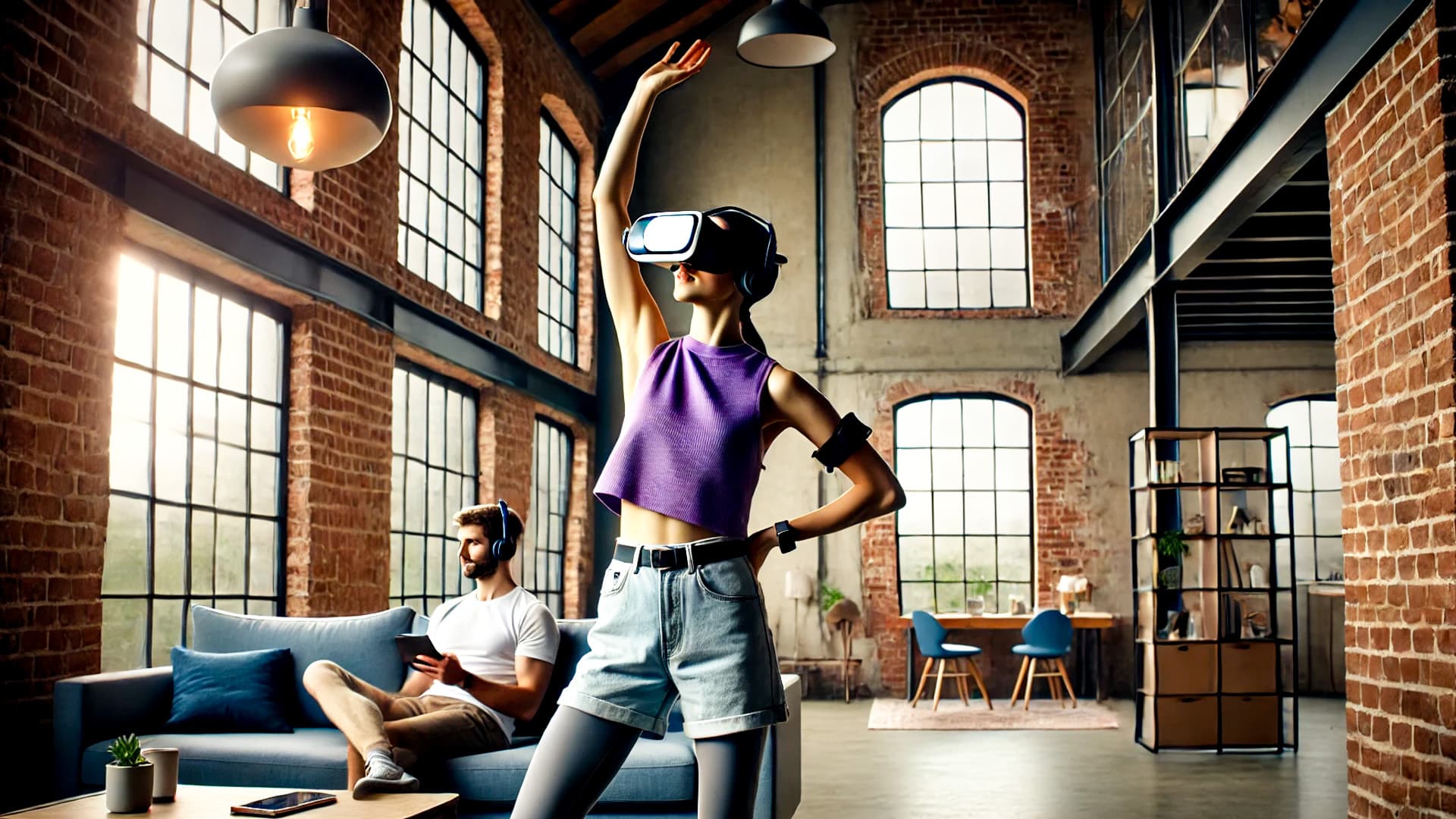
Virtual Reality Enhances Workouts by Sensing Emotions
Virtual reality (VR) has transcended its roots in gaming and entertainment to become a game-changer in the fitness industry. By merging physical...
Virtual reality (VR) has transcended its roots in gaming and entertainment to become a game-changer in the fitness industry. By merging physical exercise with immersive, interactive digital environments, VR workouts make fitness more engaging, dynamic, and personalized. Among the most exciting advancements in this space is the integration of emotion-sensing technology, which tracks a user’s emotional state and adjusts the workout accordingly. This groundbreaking feature leverages biometric sensors to detect subtle changes in a person’s mood, stress levels, and energy.
Imagine entering a virtual world for your workout, and the intensity of the session changes based on how you’re feeling. On days when you're feeling energetic, the VR system might ramp up the pace, offering more challenging exercises to push your limits. Conversely, if you're stressed or feeling fatigued, the system can modify the workout to focus on relaxation, breathwork, or stretching routines in a serene, calming digital environment.
This personalized approach to fitness has the potential to keep users more motivated, as their workouts align with their emotional and physical needs. In fact, research suggests that syncing workouts with emotional well-being not only improves physical health but also enhances mental resilience and reduces the risk of burnout. Emotion-sensing VR is, therefore, revolutionizing fitness by making it more responsive, intuitive, and enjoyable, paving the way for a future where workouts are completely customized to how we feel at any given moment.
The Rise of Virtual Reality in Fitness
The fitness industry has embraced cutting-edge technology, and virtual reality (VR) is at the forefront of this transformation. VR fitness platforms are rapidly gaining popularity due to their ability to create immersive, interactive experiences that make working out more fun and engaging. Unlike traditional exercises that can sometimes feel monotonous, VR fitness transports users into dynamic, visually stimulating environments where physical activity feels like a game or an adventure. Whether you're boxing in a high-energy arena, climbing virtual mountains, or participating in a peaceful meditation session, VR fitness offers a wide range of options to cater to various fitness preferences. The key advantage here is the mental stimulation VR provides—it keeps users engaged longer and makes exercising feel less like a chore. Additionally, the introduction of emotion-sensing technology takes personalization to new heights, creating a workout experience that is tailored to how the user feels in real-time, making it a truly revolutionary tool for fitness enthusiasts.
How Emotion-Sensing Technology Changes the Workout Experience
Emotion-sensing technology is a game-changer in the world of VR fitness, bringing personalization and responsiveness to a new level. This technology works by utilizing biometric sensors—whether embedded in VR headsets, wearables, or other connected devices—that can read and interpret the user’s emotional and physical state. By analyzing signals such as heart rate variability, facial muscle activity, or even skin temperature, the system gains insights into how the person feels during the workout. The VR environment then adapts based on this feedback. If you’re feeling fatigued, it might lower the intensity, while moments of high motivation could prompt the system to push you further. This creates a more enjoyable and effective workout experience, tailored to keep users motivated and engaged throughout.
Why Emotional Feedback Matters in Exercise Routines
Emotional feedback is vital in crafting effective workout routines, as physical fitness is deeply interconnected with emotional well-being. The way you feel during a workout—whether you're stressed, frustrated, or highly motivated—can significantly impact your performance and results. By integrating emotional feedback into workout sessions, VR fitness platforms ensure users remain in their optimal emotional state. This prevents users from pushing themselves too hard when they're emotionally drained, which could lead to burnout or injury. On the flip side, it capitalizes on moments of high energy and motivation, allowing for more productive and satisfying workouts. Ultimately, emotional feedback enhances the workout experience by maintaining a balance between physical exertion and mental resilience, leading to better results, both physically and mentally.
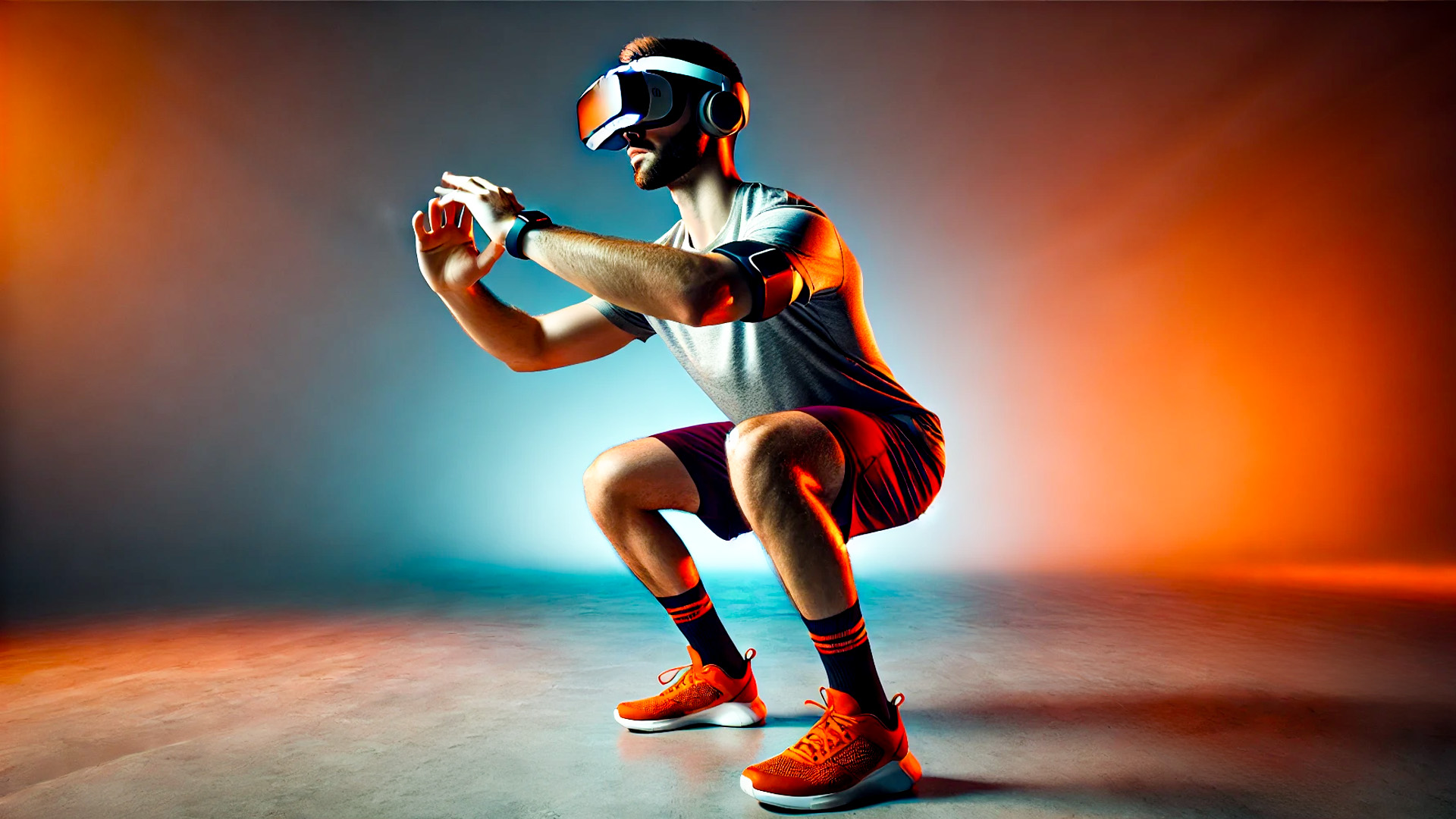
Understanding Emotion-Sensing Technology in Virtual Reality
What Is Emotion-Sensing Technology?
Emotion-sensing technology is an innovative tool that uses biometric data to analyze and interpret a person’s emotional state. In the realm of VR fitness, this technology enhances the workout experience by gathering real-time data through sensors embedded in VR headsets, wearables, or other connected devices. These sensors monitor physiological signals, such as heart rate variability, facial muscle movements, and skin conductivity, to infer how a user feels during a workout. For example, changes in heart rate or body temperature can reveal whether a person is energized, stressed, or fatigued. By understanding the user’s emotional and physical state, VR systems can adapt in real-time, creating a more personalized and responsive fitness experience.
How VR Detects Emotions During Workouts
VR systems equipped with emotion-sensing technology detect emotions by using advanced algorithms to process biometric data. For instance, a rising heart rate might suggest excitement, exertion, or stress, while a decrease could indicate calmness or relaxation. Facial recognition technology adds another layer of insight, identifying subtle changes in expressions that signify emotions like joy, frustration, or concentration. By continuously interpreting these signals, the VR system can dynamically adjust workout routines. If a user shows signs of fatigue, the system might introduce a slower pace or calming virtual scenery. Conversely, if it detects heightened motivation, the workout could become more intense to challenge the user and maximize their performance.
The Role of Biometric Data in Enhancing VR Workouts
Biometric data plays a crucial role in making VR workouts smarter and more efficient. By tracking both physical and emotional responses, the system can optimize the virtual environment to suit the user’s current state of mind and body. For example, if the system senses that the user is becoming distracted or overwhelmed, it may reduce the workout’s intensity, change the setting, or play soothing music to help the user regain focus. If the user’s biometric signals suggest they’re energized and motivated, the VR environment could introduce a more demanding challenge, pushing them toward their fitness goals. This seamless adaptation creates a workout experience that not only improves physical fitness but also enhances mental well-being.
How VR Adapts to Your Emotional State During Exercise
Real-Time Emotional Feedback and Its Impact on Performance
One of the most innovative aspects of emotion-sensing VR fitness is its ability to provide real-time emotional feedback, which significantly enhances performance. This feature continuously assesses the user's emotional state and instantly adapts the workout to keep them engaged and performing at their best. For example, if the system detects that you’re feeling demotivated or mentally checked out, it can ramp up engagement by introducing new, immersive challenges that re-capture your attention. Conversely, if the system picks up on signs of heightened stress or anxiety, it might reduce the intensity, helping you reset and avoid burnout. By dynamically adjusting the workout to your emotional needs, the system ensures that you stay in an optimal state of mind for achieving your fitness goals.
Adapting Workout Intensity Based on Emotional Cues
Emotion-sensing VR systems rely on biometric data to monitor emotional cues such as frustration, excitement, or fatigue during a workout. This constant feedback loop enables the system to adjust the intensity and pace in real-time, preventing users from becoming overwhelmed or under-stimulated. For instance, if the system detects signs of fatigue or stress, it may lower the intensity of the workout, slowing down the pace or offering motivational encouragement to help you push through. On the other hand, if it picks up on signs of increased energy or excitement, it might intensify the workout by adding more challenging tasks or increasing the speed, ensuring you're continually challenged but not overexerted.
Personalized Workout Environments Driven by Your Mood
In addition to adapting intensity, emotion-sensing VR enhances the workout experience by creating personalized virtual environments tailored to your emotional state. If you're feeling stressed or anxious, the system could transport you to a tranquil setting, like a peaceful beach or a lush forest, to help soothe your nerves. If you're full of energy and looking for excitement, it might immerse you in a high-energy scenario like a competitive race or an action-packed adventure. This personalized approach not only enhances physical performance but also improves mental well-being, making each workout feel uniquely suited to your mood and needs.

Benefits of Emotion-Sensing VR Workouts
Motivation: How Emotion-Driven VR Keeps You Engaged
Emotion-sensing VR workouts are designed to keep users motivated by dynamically responding to their emotional state throughout the session. Traditional workouts can sometimes feel repetitive or uninspiring, but VR offers a fully immersive experience that adapts in real-time. If you’re feeling unmotivated, the system can introduce new challenges or more engaging activities to spark your interest and push you to keep going. Conversely, it might dial down the intensity if it detects frustration, helping to prevent feelings of burnout. This constant adjustment ensures you remain fully invested in your workout, making exercise more enjoyable and less of a chore, which increases long-term commitment and consistency.
Stress Management Through Emotional Calibration
Emotion-sensing VR excels in managing stress by calibrating workouts to your emotional state, promoting both mental and physical wellness. When the system detects heightened stress levels through biometric signals, it can immediately shift the workout to a more calming, less intense activity. For instance, if you’re feeling overwhelmed, it may switch from high-energy exercises to a relaxing guided meditation or light stretching in a serene virtual environment. This real-time emotional calibration helps maintain a healthy balance between challenge and relaxation, preventing you from feeling overextended. The result is a more holistic approach to fitness that addresses mental well-being as much as physical health.
Improved Physical Performance Through Tailored Emotional Support
By offering emotional support tailored to how you feel, emotion-sensing VR workouts can significantly improve physical performance. The system ensures that you’re working at the optimal level—neither pushing too hard nor underperforming—by adjusting intensity based on real-time emotional data. This helps avoid overexertion, reducing the risk of injury, while also ensuring you’re continually challenged enough to make progress. Over time, this personalized, emotionally responsive approach helps you achieve better physical results, as it keeps your body and mind in sync, leading to more effective and consistent training.
Case Studies: How Emotion-Sensing VR Transforms Workouts
Success Stories from Users Experiencing VR Fitness
Users worldwide have shared inspiring success stories about how emotion-sensing VR has transformed their fitness journeys. For many, this technology has provided a refreshing alternative to traditional workouts. Individuals who previously struggled with anxiety or lack of motivation have found that the adaptive nature of emotion-driven VR helps them stay engaged and reduce stress. For example, some users have reported that the calming virtual environments have helped them manage workout-related anxiety, while others appreciate how the system challenges them when they feel motivated. Competitive athletes, in particular, are seeing significant performance improvements, using the real-time feedback to push themselves to new limits without overtraining. Whether it’s overcoming emotional hurdles or achieving fitness milestones, emotion-sensing VR is becoming a key tool in reshaping how people approach exercise.
Studies and Research Supporting the Emotional Benefits of VR Exercise
Scientific research supports the growing belief that integrating emotional feedback into exercise can lead to better physical and mental health outcomes. Studies have shown that when workouts are personalized to match an individual's emotional state, users tend to enjoy the experience more and are more likely to stick to their fitness routine. The alignment of physical activity with emotional well-being reduces feelings of stress or boredom, which are common reasons people abandon their workouts. Additionally, emotion-sensing technology enhances mindfulness, allowing users to stay focused and mentally engaged, which can translate into long-term fitness success. These findings underline how emotion-driven VR fitness not only improves physical health but also nurtures mental resilience.
How Athletes Are Leveraging Emotion-Sensing VR for Peak Performance
Athletes are increasingly embracing emotion-sensing VR to elevate their training and performance. By leveraging real-time emotional feedback, they can fine-tune their workouts to stay in the optimal training zone, avoiding the dangers of overexertion or undertraining. The technology helps athletes maintain peak physical and mental performance by adjusting the intensity and type of exercise based on their emotional and physiological cues. This smarter, more efficient training regimen allows them to optimize recovery times and push themselves further during high-energy states, giving them a competitive edge. As a result, many elite athletes are using emotion-sensing VR to refine their strategies and reach new performance heights, making it an indispensable part of their training toolkit.
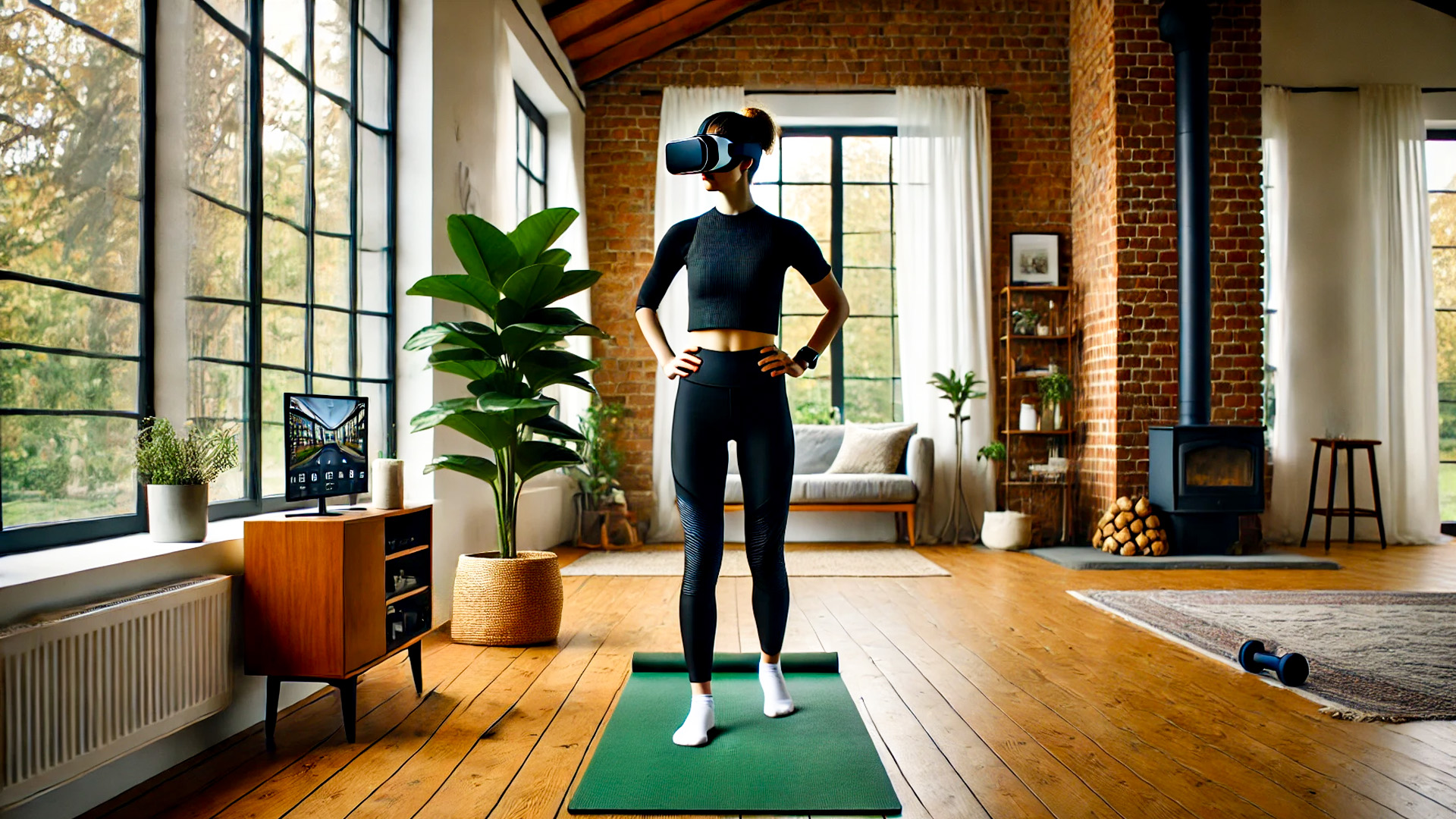
The Future of Fitness: Where Emotion-Sensing VR is Headed
Innovations on the Horizon for VR and Emotion-Sensing in Fitness
As emotion-sensing technology continues to advance, the future of VR fitness holds even more exciting possibilities. Innovations such as improved mood tracking and AI integration will bring more precision and customization to workouts. Future systems may feature enhanced biometric sensors capable of detecting even subtler emotional shifts, offering an even deeper level of personalization. This could enable workout programs that adjust seamlessly not just to momentary emotions but to broader patterns in mood and behavior. Such advancements will transform fitness experiences into highly intuitive and responsive routines that cater to each individual's physical and emotional well-being, making workouts smarter, more effective, and more enjoyable.
Integration of AI and Emotional Feedback in Future Workout Programs
AI's integration into emotion-sensing VR fitness promises to revolutionize the way workout programs are structured. By analyzing long-term emotional and physical data, AI can detect patterns and trends in users' emotional states, helping to develop fitness plans that evolve in sync with their moods, energy levels, and overall progress. AI could adjust routines based not only on immediate emotional feedback but also on broader fitness goals, stress levels, and recovery needs. This could lead to workouts that are not only highly personalized but also predictive—anticipating when to push harder or when to ease off—thereby maximizing both performance and mental well-being.
How Gyms and Fitness Brands Are Adopting VR and Emotional Tech
Gyms and fitness brands are increasingly recognizing the potential of VR and emotion-sensing technologies. Some forward-thinking gyms have already begun integrating VR fitness platforms into their offerings, allowing users to experience the benefits of personalized, immersive workouts. These gyms provide dedicated VR zones where members can engage in emotion-driven exercises. Meanwhile, major fitness brands are investing in research and development, exploring how they can leverage these innovations to create more engaging, user-centered products. As the technology matures, we can expect broader adoption, with VR and emotional feedback becoming a staple in both personal and commercial fitness programs.
The Future of Emotion-Sensing VR in Fitness
Virtual reality is reshaping the fitness landscape by incorporating emotion-sensing technology, which adapts workouts in real time to match your emotional and physical state. By offering personalized engagement, enhanced stress management, and sustained motivation, emotion-sensing VR provides a revolutionary approach to fitness. Whether you’re seeking a more enjoyable workout or aiming to improve performance, this technology delivers the emotional and physical support necessary for success. As innovation accelerates, this exciting intersection of emotions and technology is set to take fitness to entirely new heights. Now is the perfect time to explore how emotion-sensing VR can elevate your workouts!
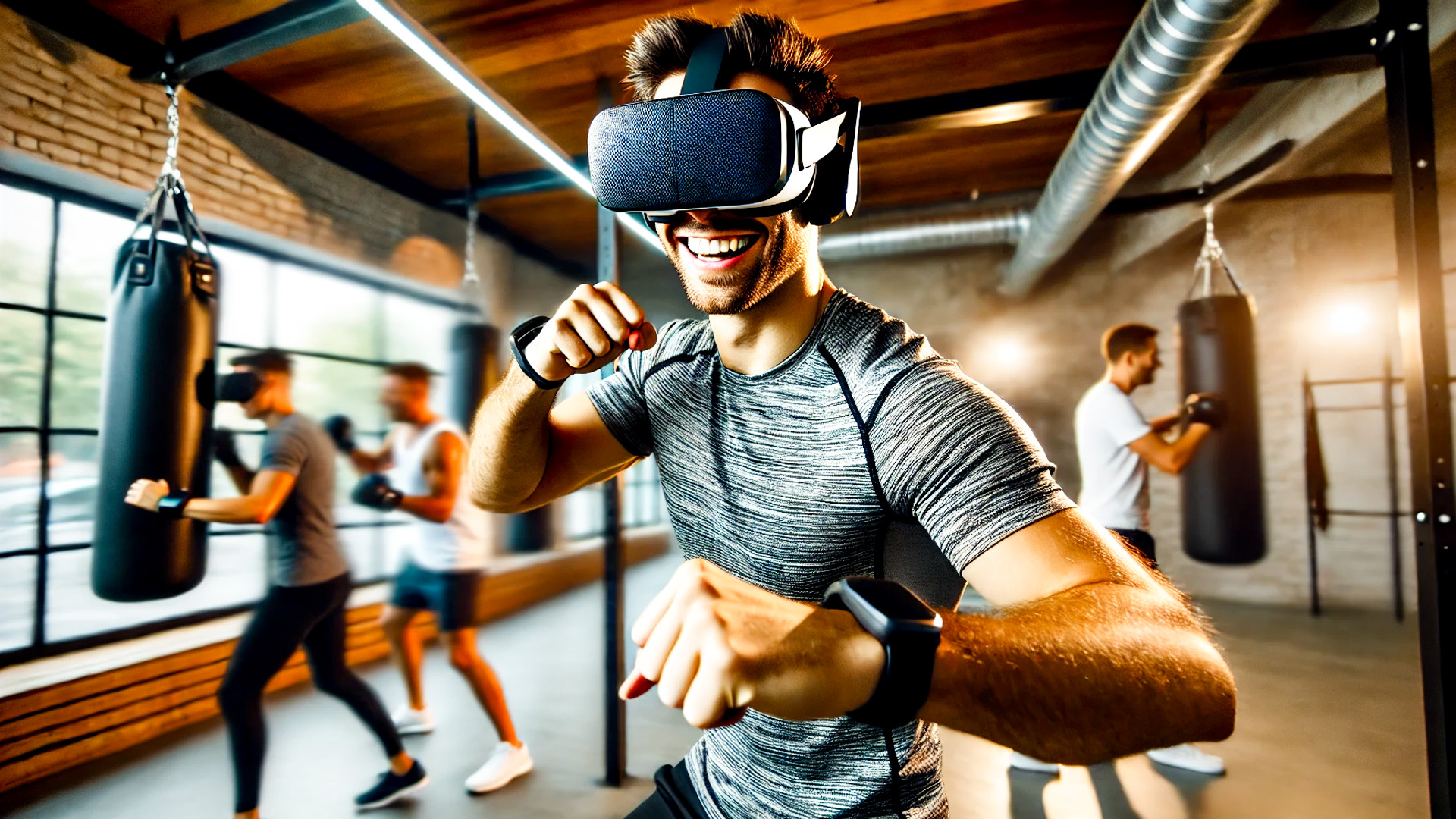
The Future Of Fitness Where Emotion Sensing Vr Is Headed
Author: Elisha Roodt
Durban's leading intelligence hub on immersive technology. Delivering comprehensive coverage, expert analysis, and breakthrough news on Virtual Reality (VR), Augmented Reality (AR), and the Metaverse.