
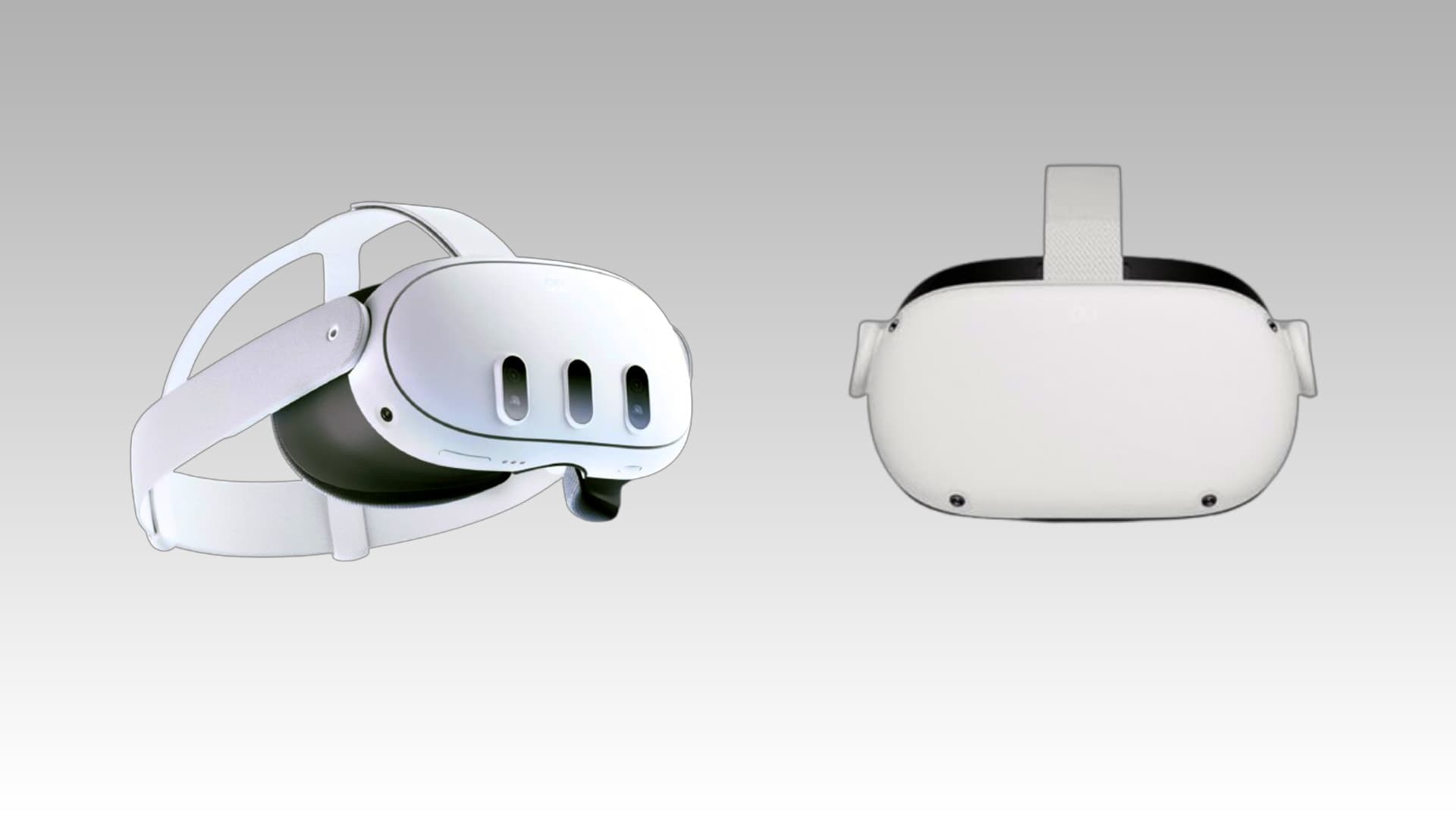
Why VR headsets struggle with field of view stagnation
Virtual Reality (VR) technology has seen incredible advancements in recent years, with improvements in graphics, tracking precision, and user...
Virtual Reality (VR) technology has seen incredible advancements in recent years, with improvements in graphics, tracking precision, and user comfort. These developments have made virtual experiences more engaging and accessible. However, despite these innovations, the field of view (FOV) in VR has remained relatively stagnant. While other aspects of VR headsets have evolved to provide more immersive experiences, the limitations in FOV continue to hinder the sense of full immersion that users crave. This stagnation poses a significant barrier, preventing users from fully engaging with the vast and intricate virtual landscapes that modern technology could potentially offer.
FOV is a critical element in VR because it shapes how the virtual environment is perceived. It essentially determines how wide the user’s view is, influencing how natural or confined the experience feels. A broader FOV can significantly enhance the feeling of presence within a virtual world, allowing users to see more of their surroundings without the need for excessive head movement. The ultimate goal of VR technology is to replicate human vision as closely as possible. However, with FOV stuck in the 90-110 degree range for many devices, the gap between reality and virtual worlds remains noticeable, leading to a less satisfying experience for users who expect a level of immersion that reflects their real-world vision.
The Basics of Field of View in VR Headsets
Field of view refers to the extent of the observable environment at any given moment, measured in degrees. In VR, FOV determines how much of the virtual world is visible without requiring head or eye movement, thereby influencing both immersion and situational awareness. The larger the FOV, the more realistic and encompassing the experience becomes, making users feel as if they are truly part of the environment.
There are two key components of FOV: horizontal and vertical. Horizontal FOV measures side-to-side visibility, while vertical FOV refers to the top-to-bottom field of vision. Both dimensions are essential for creating a comprehensive and engaging virtual environment. Yet, manufacturers often face challenges in expanding these fields equally. A wide horizontal FOV enhances peripheral vision, contributing significantly to immersion, whereas increased vertical FOV alleviates the sense of restriction when users look up or down. Ideally, a well-balanced FOV in both directions would create an enveloping experience that mimics natural human sight.
Current VR headsets typically hover around 90 to 110 degrees for horizontal FOV—a noticeable limitation compared to human vision, which spans approximately 180 degrees horizontally. While some high-end headsets have pushed beyond these limits, achieving consistent improvements across various models remains elusive. This discrepancy not only affects user satisfaction but also hinders the potential of VR applications, from gaming to training simulations, where an expansive field of view can significantly enhance realism and effectiveness.
Technological Barriers Behind FOV Stagnation
Achieving a wider field of view (FOV) presents several technical challenges that manufacturers must navigate to enhance the VR experience. At the core of these challenges lies lens design, a crucial component that directly impacts visual fidelity. Many VR headsets utilize Fresnel lenses for their lightweight properties, but these lenses inherently suffer from optical distortions, particularly at the edges. This distortion can create a less immersive experience, where users may notice blurring or warping at the periphery of their vision. Consequently, increasing FOV while maintaining sharpness and clarity across the entire visual field becomes a delicate balancing act for developers.
A wider FOV necessitates more powerful hardware. Expanding the visual field requires larger displays and an increase in pixel density to maintain resolution across a broader range. This demand can strain the graphics processing unit (GPU), which is responsible for rendering the immersive environments. A less capable GPU may struggle to maintain consistent frame rates, potentially leading to drops in performance and latency issues, both of which can degrade the overall VR experience and induce discomfort or motion sickness in users.
The relationship between resolution and FOV creates a technical tug-of-war. High resolutions contribute to crisp and clear visuals, yet they require significantly more processing power. This makes it challenging to pair wide FOVs with sharp image quality without compromising performance, particularly in consumer-grade devices. As a result, this complex balancing act helps to explain why innovation in FOV often lags behind other advancements in VR hardware, such as improved tracking or graphics.
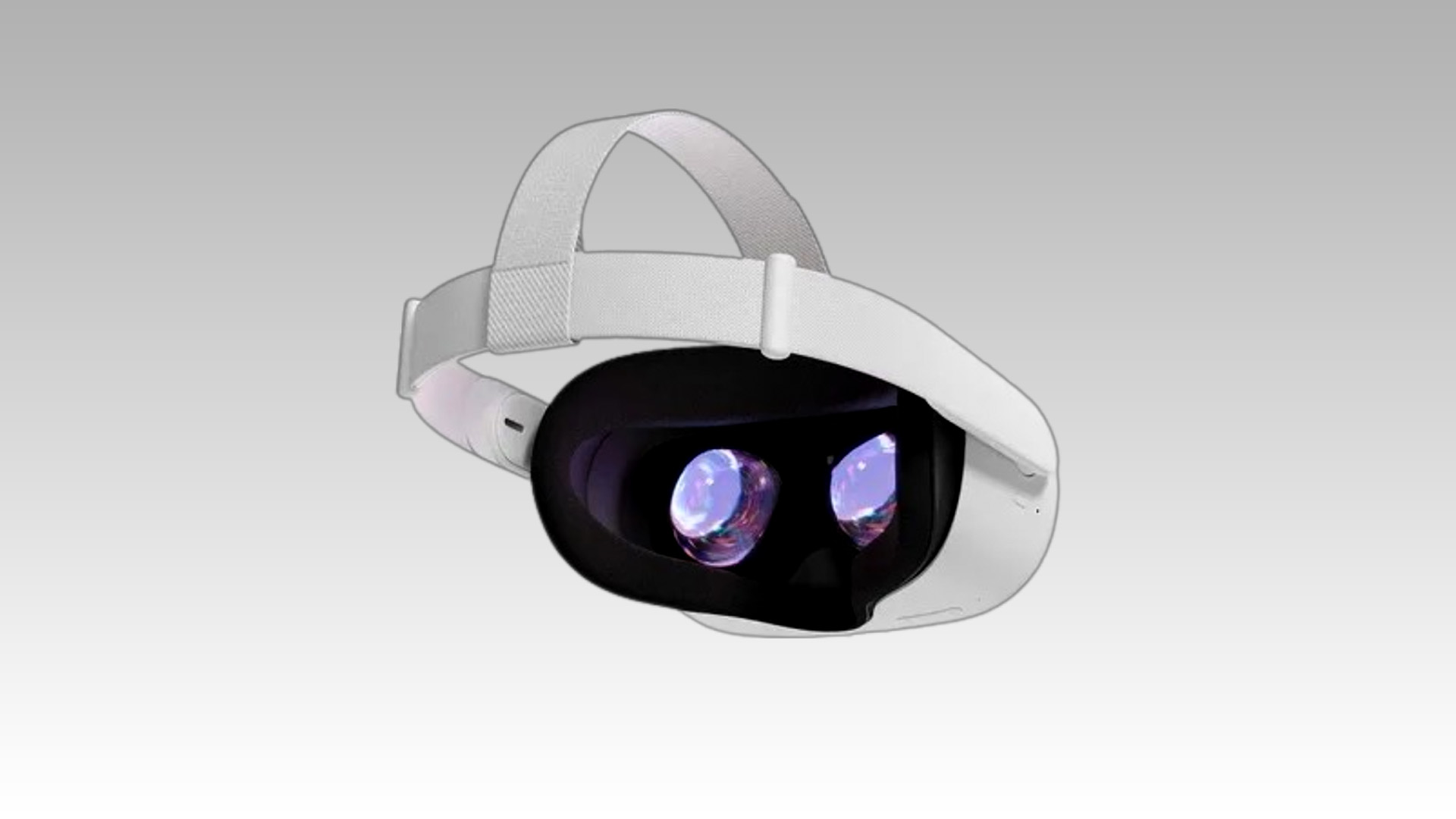
The Cost Factor: How FOV Affects Price Points
Expanding FOV isn't just a technological hurdle; it also carries significant cost implications. The production of wider lenses demands advanced manufacturing techniques, which naturally increases production expenses. These costs are further exacerbated by the necessity for higher resolution displays and more powerful processors, components typically found only in premium VR devices. As a result, headsets boasting superior FOV are often priced out of reach for the average consumer.
High-end innovations like the Varjo XR-3 or the Pimax series may offer impressive FOVs, but they come with steep price tags that deter widespread adoption. Until manufacturers can develop methods to provide wider FOVs without significantly inflating costs, mainstream VR devices are likely to adhere to current standards, which are more affordable but less immersive.
Balancing affordability with technological advancements becomes a tightrope walk for many companies. With consumer demand shifting towards features like portability, wireless connectivity, or enhanced tracking capabilities, manufacturers often prioritize these attributes over expanding FOV. This strategic focus appeals to a broader audience, allowing companies to market their products more effectively in a competitive landscape, but it also means that innovations in FOV may continue to take a backseat in the evolution of VR technology.
Design Limitations and Comfort Trade-offs
Another key challenge in expanding the field of view (FOV) lies in the design of the headsets themselves. A larger FOV often necessitates bulkier lenses and wider displays, which can make the headset heavier and less comfortable for extended use. Weight distribution and ergonomics play a significant role in user enjoyment during VR experiences, as a heavier headset increases the risk of user fatigue, leading to shorter sessions and decreased satisfaction.
Comfort remains a critical consideration in VR design. Even slight increases in weight can place additional strain on the neck, reducing the amount of time users are willing to engage with the technology. As a response, developers tend to focus on creating lighter, sleeker headsets that prioritize comfort. However, this design philosophy often results in a trade-off: while smaller and lighter headsets may enhance usability and user experience, they frequently come with a narrower FOV. This shift sacrifices the depth of immersion that a wider visual field could provide, creating a dilemma for manufacturers trying to appeal to both comfort-seeking casual users and immersion-focused enthusiasts.
The challenge lies in finding a balance between ergonomics and immersion. As manufacturers strive to produce headsets that are both lightweight and immersive, expanding FOV becomes a complex design hurdle. This balancing act requires innovative engineering solutions to integrate larger lenses without compromising the overall weight and comfort of the headset, a task that remains at the forefront of VR development.
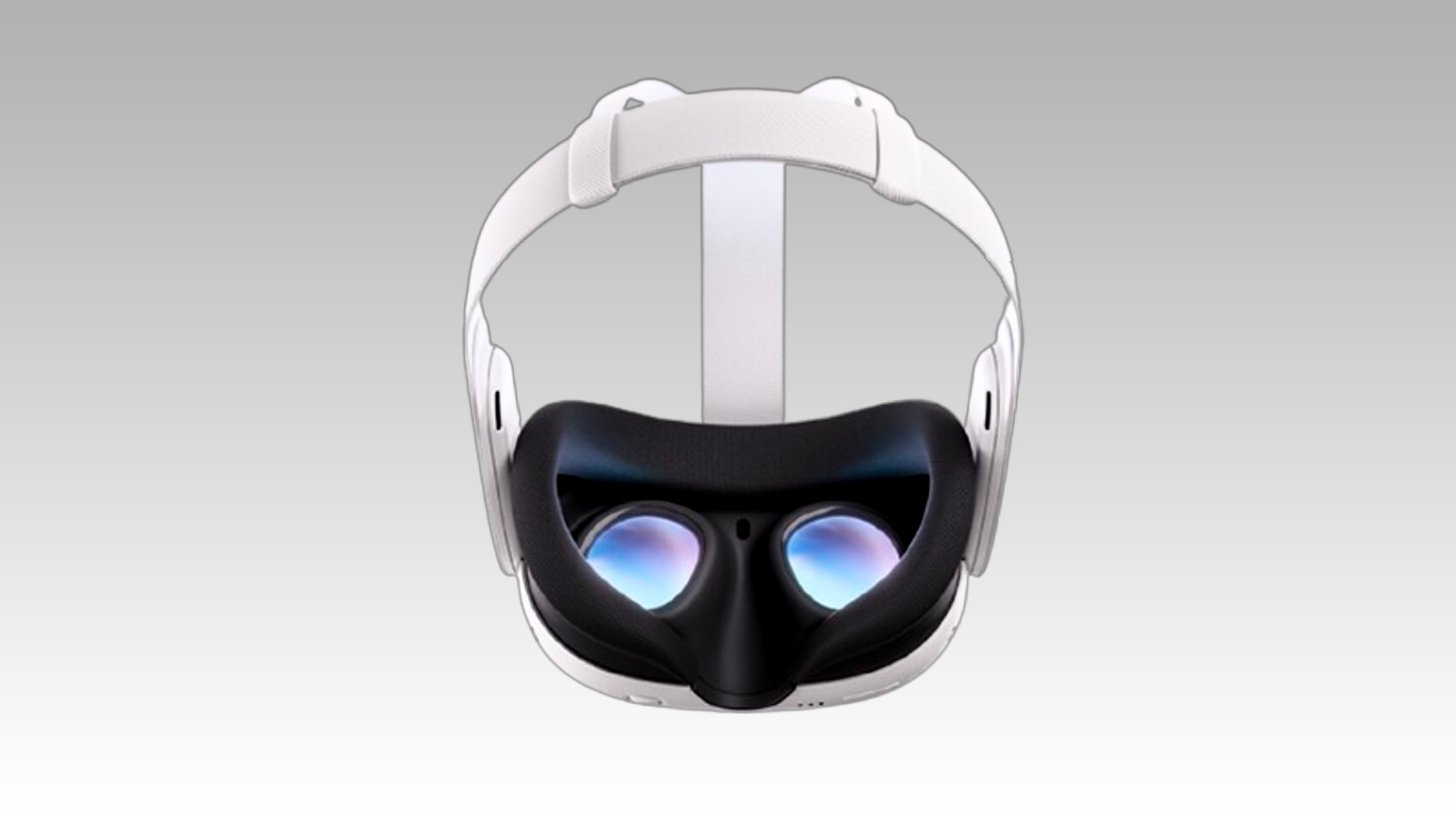
Consumer Expectations and Market Realities
Consumer expectations also significantly influence the stagnation of FOV in the VR market. While hardcore enthusiasts may prioritize a larger field of view as a crucial feature, the average user often values comfort, portability, and ease of use over marginal improvements in FOV. This trend is evidenced by the popularity of compact, wireless headsets like the Oculus Quest series, which prioritize user-friendly design and accessibility.
With portability emerging as a key selling point, manufacturers are increasingly prioritizing features such as battery life, tracking precision, and robust software ecosystems over expansive FOV. Many users demonstrate a willingness to trade a slightly smaller FOV for the convenience of a lighter, more versatile headset that can easily integrate into their daily lives or gaming setups.
As a result, manufacturers must align their development strategies with prevailing market realities, balancing innovation with consumer demands. Until a clear market demand emerges for headsets offering wider FOV, companies may continue to focus on enhancing other aspects of VR technology, such as connectivity, content quality, and usability. This focus on the broader user experience may ultimately dictate the trajectory of VR headset development in the near future, potentially leaving FOV innovation to evolve at a slower pace.
Industry Perspectives: What the Future Holds for FOV
Despite the current stagnation in field of view (FOV) advancements, there are encouraging signs that the VR industry is actively working to address these limitations. Some upcoming VR headsets are experimenting with innovative lens designs, such as pancake lenses, which feature thinner profiles while maintaining an expanded FOV. This design allows for a more compact headset without compromising the immersive experience. Additionally, technologies like eye-tracking and foveated rendering are emerging as game changers, reducing the strain on hardware by focusing processing power on rendering sharp visuals only in areas where the user is directly looking. This can significantly enhance performance and clarity, making VR experiences smoother and more enjoyable.
Companies like Pimax are pushing the boundaries of what is possible in VR by offering headsets with an impressive 200-degree FOV. This bold move signals a potential shift toward more immersive designs and challenges the current norms of VR technology. While these headsets are still considered niche products, they could pave the way for broader adoption of higher FOV standards in the future, compelling other manufacturers to innovate and keep pace with the evolving landscape of user expectations.
Predicting whether the next generation of VR devices will successfully break the FOV barrier requires an understanding of both technical innovations and shifting market trends. As more developers explore creative solutions to enhance FOV, incremental improvements are likely to emerge, but achieving a level of immersion that mimics human-like vision in VR may still be years away.
Field of view stagnation remains a significant challenge for the VR industry. Despite impressive advancements in other areas—such as graphics quality, tracking precision, and user comfort—the inability to significantly expand FOV has hindered the full potential of immersive experiences.
The evolving landscape of VR offers hope. As consumer expectations continue to shift toward more immersive and engaging experiences, coupled with emerging technologies, the industry is well-positioned to overcome these constraints. The question remains: will FOV limitations persist, or will the industry eventually break through these barriers to deliver the next leap in immersive technology? As manufacturers grapple with this challenge, the future of VR holds exciting possibilities for innovation and enhanced user experiences.
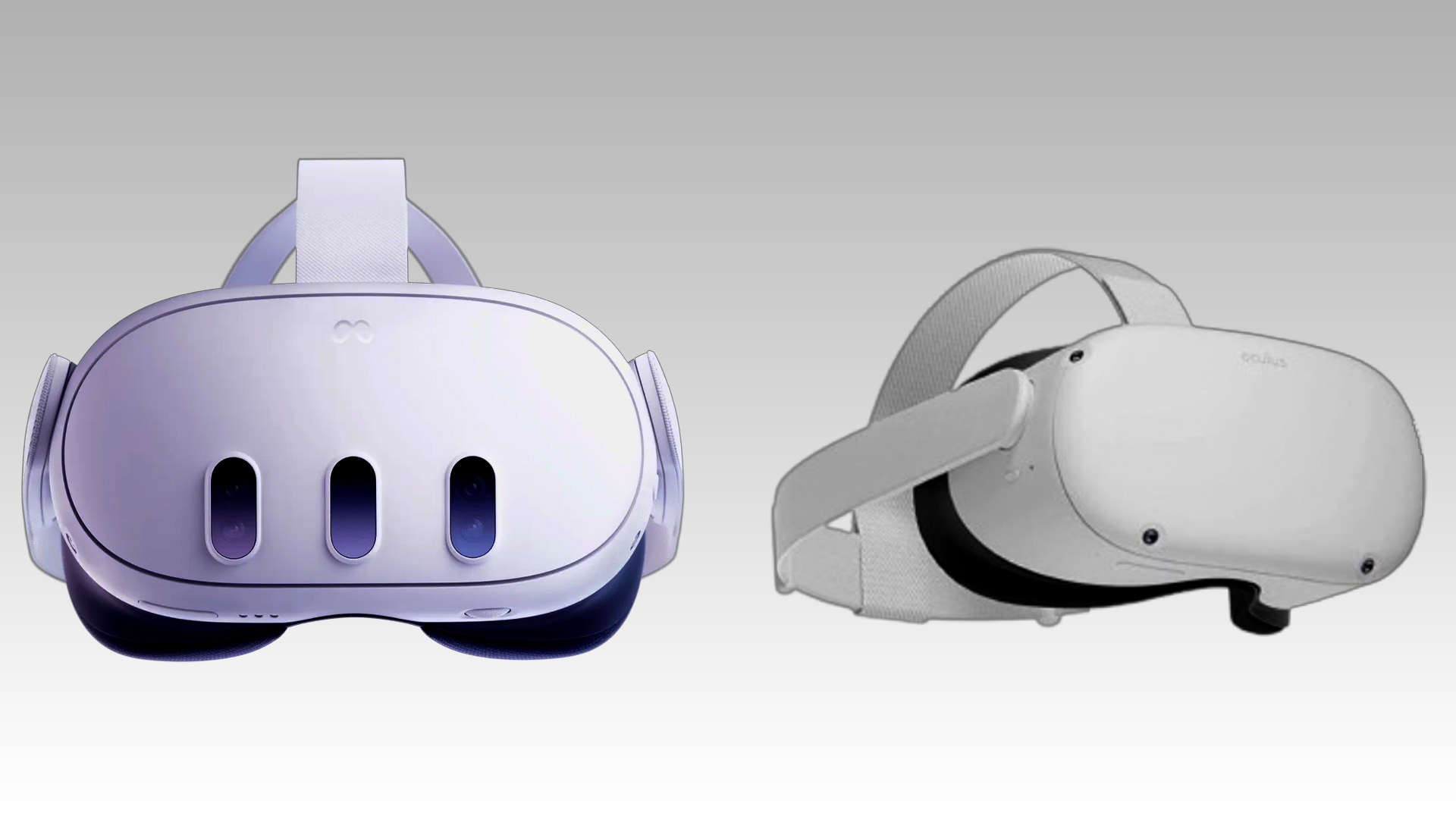
What The Future Holds For Fov
Author: Elisha Roodt
Durban's leading intelligence hub on immersive technology. Delivering comprehensive coverage, expert analysis, and breakthrough news on Virtual Reality (VR), Augmented Reality (AR), and the Metaverse.