

Virtual Reality: Navigating the Nexus of Imagination and Innovation
In the ever-evolving panorama of technology, Virtual Reality (VR) emerges as a beacon of innovation, merging the realms of the digital and the...
In the ever-evolving panorama of technology, Virtual Reality (VR) emerges as a beacon of innovation, merging the realms of the digital and the tangible into experiences that are as boundless as they are immersive. Far from being a mere product of 21st-century ingenuity, the roots of VR stretch deep into the past, intertwining with decades of scientific exploration, creative insight, and technological breakthroughs. This chronicle embarks on a journey through time to unearth the origins of virtual reality, tracing the lineage of ideas and inventions that have sculpted today's virtual landscapes.
At the heart of VR lies a testament to human creativity and an unyielding quest for immersive experiences—a quest that has spurred scientists, artists, and visionaries to imagine and mold virtual spaces long before the term "virtual reality" was coined. The narrative of VR is one of aspiration, experimentation, and resurgence, from its conceptual seeds planted in the fertile ground of speculative fiction to its blossoming as a staple of modern technological exploration.
This tale is not just of technology itself but also of the human spirit's capacity to dream and transform those dreams into reality. It's a story that takes us from the speculative visions of the early 20th century to the sophisticated, immersive systems that today offer glimpses into worlds both fantastic and eerily realistic. Along this journey, we will also spotlight Virtual Reality Durban, a pioneering force within the South African context, bridging the global advancements in VR with local innovation and application.
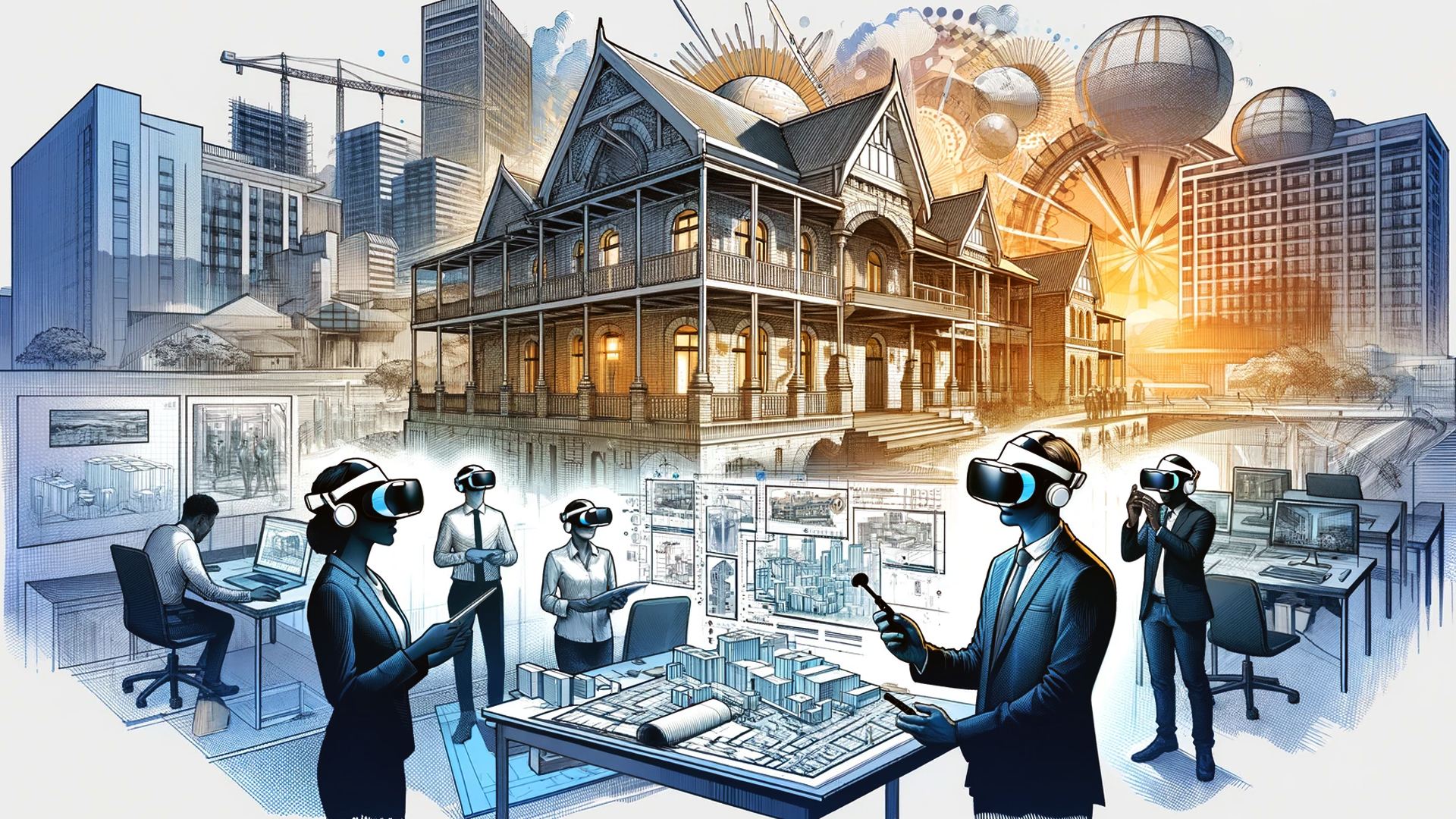
The saga of virtual reality begins amidst the mid-20th century, a period characterized by the confluence of visionary literature and nascent technological speculation. This era laid the groundwork for what VR would become, sowing the seeds of a concept that would grow to captivate the imagination of future generations. One of the earliest and most significant influences on the conception of VR was Stanley G. Weinbaum's "Pygmalion's Spectacles." Penned in 1935, this short story introduced the idea of goggles that transport the wearer into a fictional world, complete with sensory experiences that mirror the vibrancy and texture of reality. Weinbaum's narrative did not just capture the imaginations of its readers; it foreshadowed the immersive technologies that would one day seek to bridge the gap between the digital and the physical.
The leap from theoretical musings to tangible experimentation took shape in the 1960s with Morton Heilig's Sensorama. This device, an early attempt at creating a multi-sensory immersive experience, marked a pivotal moment in the evolution of VR. The Sensorama, resembling an arcade-style machine, was designed to simulate real-world experiences, offering users visual, auditory, tactile, and olfactory stimuli. Participants could engage with environments such as a motorcycle ride through New York City, feeling the wind against their face, smelling the city's unique aromas, and hearing the surrounding sounds, all synchronized with a stereoscopic 3D film. Despite its lack of commercial success, the Sensorama underscored the potential of technology to craft experiences that transport individuals beyond the confines of their immediate reality.
Parallel to Heilig's endeavors, the mid-1960s witnessed another monumental contribution to the field of VR from computer scientist Ivan Sutherland. With the publication of "The Ultimate Display," Sutherland laid down a theoretical framework for a system where virtual worlds could be as tangible as the physical reality to the user. This paper was not merely a blueprint for immersive entertainment; it envisioned a future where virtual environments could revolutionize education, design, and simulation, expanding the boundaries of what was possible within virtual spaces.
The pioneering work of Sutherland also led to the development of the first head-mounted display (HMD), the "Sword of Damocles." Though rudimentary by today's standards, this device offered one of the first glimpses into the potential of personal immersive experiences. It represented a significant stride towards the realization of Sutherland's vision of immersive computing, setting the stage for the exploration of virtual environments that would captivate the technological landscape in the years to come.
The foundational period of the 1950s and 1960s was marked by a blend of speculative fiction, visionary experimentation, and theoretical work that collectively outlined the vast potential of immersive technology. The imaginative tales of science fiction authors, alongside the tangible experiments of pioneers like Morton Heilig and Ivan Sutherland, laid the groundwork for the evolution of VR technologies. These early efforts expanded the horizons of what was technically feasible, planting the seeds for future innovations that would ultimately bring the concept of virtual reality into the realm of everyday possibility. As we reflect on these formative contributions to the field of VR, it becomes evident that the journey from conceptual speculation to technological realization is a testament to human ingenuity and the relentless pursuit of immersive experiences.
Technological Pioneers (1970s - 1980s)
The journey of virtual reality through the 1970s and 1980s is marked by a series of technological leaps and pioneering innovations that collectively propelled VR from the realm of theoretical speculation into tangible, albeit nascent, reality. This era is distinguished by the endeavors of visionaries who dared to translate the dreams of immersive digital environments into practical experiments and prototypes.
The Advent of the First Head-Mounted Display
Central to the technological evolution of VR during this period was the development of the first head-mounted display (HMD), an achievement most closely associated with computer scientist Ivan Sutherland and his students. Building on the conceptual foundations laid in previous decades, Sutherland introduced the "Sword of Damocles" in the late 1960s, a device that would come to symbolize the potential of immersive technology. Named for its somewhat ominous appearance and the way it was suspended from the ceiling, this HMD was a rudimentary yet revolutionary step towards interactive 3D computing, offering users a glimpse into a computer-generated world through simple wireframe graphics. Despite its basic functionality and the limitations of its display, the Sword of Damocles represented a significant milestone in the quest to create fully immersive virtual environments.
NASA's Foray into Virtual Reality
The 1980s witnessed an expansion of VR's application beyond the confines of academic and entertainment pursuits, most notably through NASA's adoption of the technology. Recognizing the potential of VR for astronaut training, NASA embarked on a series of initiatives to leverage virtual environments for preparing crew members for the challenges of space missions. VR technology offered a unique solution to the problem of simulating zero-gravity conditions and complex extravehicular activities on Earth, providing astronauts with a risk-free platform to practice maneuvers, familiarize themselves with spacecraft operations, and refine their skills in a controlled, virtual setting. This innovative application of VR underscored the technology's versatility and its potential to transform high-stakes training and simulation across various domains.
The Emergence of VR in Gaming and Entertainment
The realm of gaming and entertainment also began to explore the possibilities of VR during the 1970s and 1980s, with early applications hinting at the future of immersive digital experiences. One of the era's most notable contributions to this exploration was the Battlezone arcade game, released in 1980. Featuring first-person tank warfare in a 3D vector graphic environment, Battlezone offered players an immersive perspective of a virtual battlefield through a periscope viewer, foreshadowing the immersive gaming experiences that would become synonymous with VR. Although not a VR system in the contemporary sense, Battlezone's innovative use of 3D graphics and interactive gameplay provided a glimpse into the potential of virtual environments for gaming, setting the stage for future developments in VR entertainment.
The 1970s and 1980s were characterized by groundbreaking technological advancements and the pioneering spirit of individuals and organizations committed to pushing the boundaries of virtual reality. From the development of the first HMDs to the innovative use of VR in astronaut training and the nascent explorations of virtual environments in gaming, this period laid the foundation for the immersive technologies that define the current VR landscape. The contributions of these technological pioneers not only demonstrated the practical applications of VR but also inspired future generations to continue exploring the vast potential of virtual spaces.
The Rise of VR Enterprises (1990s)
The 1990s represented a pivotal era in the evolution of Virtual Reality (VR), marking its transition from a speculative technology to a burgeoning commercial industry and a fixture in popular culture. This decade saw the birth of VR enterprises, the integration of VR into media and entertainment, and the broadening of public interest and engagement with virtual environments. It was a period characterized by both excitement and challenges, as technological limitations collided with boundless imagination.
Commercial Ventures and the Birth of VR Enterprises
The emergence of VR enterprises in the 1990s was a significant milestone in VR's journey towards mainstream acceptance. Entrepreneurs and technologists, captivated by the potential of immersive digital experiences, founded companies dedicated to exploring and expanding the possibilities of VR technology. Among these pioneers was VPL Research, established by Jaron Lanier, a company that played a crucial role in introducing VR to a wider audience. VPL Research was instrumental in developing some of the earliest VR products, including the DataGlove and the EyePhone, which offered users novel ways to interact with and navigate virtual environments. These early ventures into the commercialization of VR technology demonstrated the market's potential and laid the groundwork for the industry's future growth.
VR in Popular Culture
The 1990s also witnessed the infiltration of VR into popular culture, significantly shaping public perceptions and understanding of the technology. Movies such as "The Lawnmower Man" and "Johnny Mnemonic," along with numerous books and television shows, explored themes of virtual existence, cybernetics, and alternate realities, bringing VR to the forefront of societal imagination. These portrayals, while often fantastical, played a critical role in popularizing VR, sparking curiosity and debate about the technology's implications for the future. The depiction of VR in media not only entertained but also served as a catalyst for broader discussions about the ethical, psychological, and social dimensions of immersive technology.
Challenges and Skepticism
Despite the growing interest in VR, the 1990s were not without their challenges for the burgeoning industry. Technical limitations, including low-resolution graphics, cumbersome hardware, and the high cost of VR systems, hindered widespread adoption and commercial success. Skepticism about the technology's practical applications and its ability to deliver on its promises of fully immersive experiences led to a period of disillusionment among investors and the public. This skepticism underscored the gap between the vision for VR and the reality of the technology's capabilities at the time, prompting a reevaluation of expectations and strategies within the industry.
The 1990s stand as a formative decade in the history of virtual reality, characterized by the emergence of VR enterprises, the technology's entrenchment in popular culture, and the challenges of navigating a nascent industry. The contributions of early VR companies, combined with the influence of VR in media and entertainment, laid the foundation for the technology's future development. While the decade ended with a tempered outlook on VR's immediate prospects, the seeds of innovation and interest sown during this period would eventually blossom, driven by advancements in technology and a renewed enthusiasm for virtual environments.
Modern Era and Mainstream Adoption (2000s - Present)
Transitioning into the 21st century, Virtual Reality (VR) experienced a remarkable transformation, catalyzed by significant technological advancements and a resurgence in commercial and consumer interest. This modern era of VR is characterized by the mainstream adoption of VR technologies, extending their application beyond gaming and entertainment to include education, healthcare, professional training, and more. Central to this period are the roles of pioneering companies, the development of consumer-friendly VR headsets, and the broadening scope of VR's impact on various sectors.
Breakthroughs and Consumer VR Platforms
A pivotal moment in VR's journey towards mainstream acceptance was the development and release of consumer-friendly VR headsets. Spearheaded by Oculus VR's successful Kickstarter campaign in 2012 for the Oculus Rift, the market saw the introduction of a device that promised high-quality, immersive experiences at a price point accessible to the general public. This period also witnessed the launch of other significant VR platforms, including the HTC Vive and Sony's PlayStation VR, each contributing to the diversification and expansion of the VR ecosystem. These devices, offering enhanced graphics, improved motion tracking, and a growing library of content, played a crucial role in democratizing access to VR technologies and fueling the industry's growth.
Meta's Vision and the Evolution of VR Hardware
Meta (formerly Facebook), after acquiring Oculus in 2014, emerged as a dominant force in shaping the future of VR. The company's vision extended beyond gaming, aiming to create a comprehensive virtual environment – the metaverse – where users could interact, work, and play in digitally constructed spaces. The release of the Oculus Quest and its successor, the Quest 2, marked significant milestones in achieving this vision, offering standalone VR experiences without the need for external hardware or sensors. Anticipation continues to build around the rumored Oculus Quest 3, with expectations of further advancements in processing power, display quality, and integration of augmented reality (AR) features, promising to enhance the immersive experience and bridge the gap between virtual and physical realities further.
The Entry of Apple with Vision Pro
The announcement of Apple's foray into the VR landscape with the Vision Pro headset represents a significant development in the industry. Known for its innovation and design prowess, Apple's entry is expected to introduce new features and capabilities, including advanced eye-tracking and spatial audio, setting new standards for user experience and immersion. The Vision Pro, a high-end mixed reality device, underscores the growing interest in blending VR and AR technologies to create seamless experiences that enhance interaction with both digital and physical environments.
The Expanding Applications of VR
The applications of VR technology have expanded dramatically, touching various aspects of life and industry. In education, VR is revolutionizing learning experiences, enabling students to explore historical sites, simulate scientific experiments, and engage with content in immersive and interactive ways. The healthcare sector is utilizing VR for surgical training, patient rehabilitation, and therapeutic interventions, offering innovative solutions for treatment and training. Additionally, the military, real estate, and corporate sectors are leveraging VR for training simulations, virtual tours, and enhancing remote collaboration, illustrating the technology's versatility and potential to transform traditional practices.
The modern era of VR, from the early 2000s to the present, is marked by a convergence of technological innovation, commercial ambition, and an expanding array of applications that transcend entertainment. Companies like Meta and Apple, along with the introduction of consumer-friendly VR headsets, have played critical roles in bringing VR into the mainstream, opening up new possibilities for immersive experiences across various domains. As VR continues to evolve, its potential to reshape industries, enhance learning, and transform how we interact with digital environments remains vast and largely untapped. With each technological breakthrough and creative application, VR moves closer to fulfilling its promise as a transformative medium, offering glimpses into worlds both imagined and real, and shaping the future of human experience in the digital age.
Specific Applications and Trends in VR
As VR matures, its applications diversify beyond initial expectations, impacting various sectors:
The Role of Virtual Reality Durban
Virtual Reality Durban emerges as a beacon of innovation within the South African VR landscape, offering tailored solutions that bridge global advancements and local market needs. Through a comprehensive suite of services, Virtual Reality Durban enables businesses and educational institutions to harness the power of VR, including:
Virtual Reality Durban's efforts to democratize access to VR technology and its applications underscore the potential for VR to transform business practices, education, and entertainment, positioning South Africa as an active participant in the global VR evolution.
Future Outlook of VR
The future of VR is teeming with possibilities, driven by continuous technological advancements and expanding applications. Emerging trends and technologies poised to shape VR's future include:
Virtual Reality, from its early conceptualizations to its present-day manifestations, represents a profound shift in how humans interact with technology, offering unparalleled immersive experiences that have the power to entertain, educate, and transform. The journey of VR is far from complete, with each technological innovation and creative application opening new horizons for exploration and impact. Virtual Reality Durban stands at the forefront of this exploration, championing the adoption and application of VR in South Africa and beyond, signaling a bright and boundless future for virtual reality technologies.
Author: Gerald Ferreira
Durban's leading intelligence hub on immersive technology. Delivering comprehensive coverage, expert analysis, and breakthrough news on Virtual Reality (VR), Augmented Reality (AR), and the Metaverse.