
Virtual Reality in the Automotive Industry
The automotive industry, known for its continual innovation and technological advancement, is increasingly embracing virtual reality (VR) to...
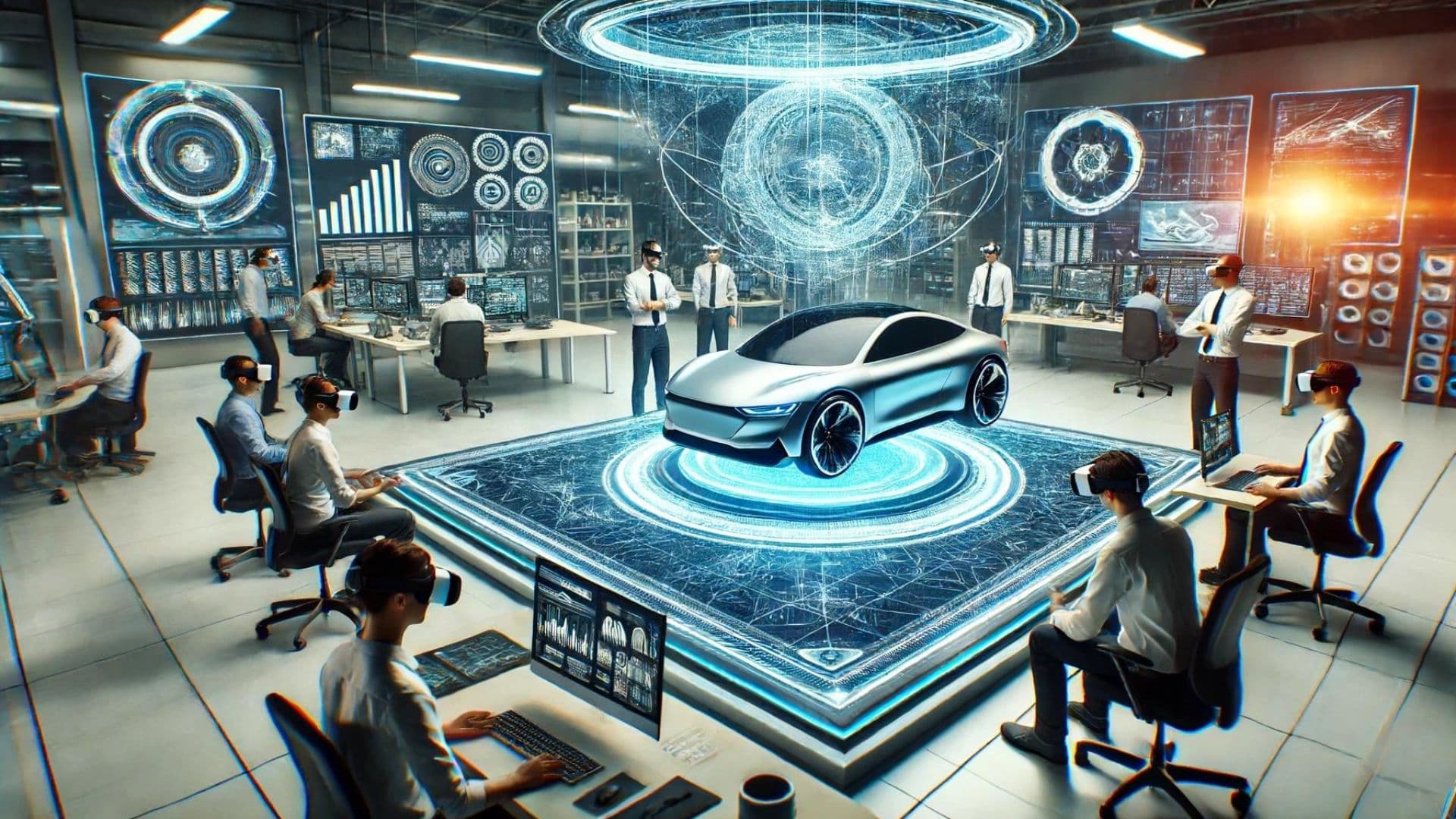
The automotive industry, known for its continual innovation and technological advancement, is increasingly embracing virtual reality (VR) to enhance various aspects of its operations. From vehicle design and testing to marketing and sales, VR is not just an add-on but a pivotal transformational tool that is reshaping the entire automotive landscape. This article explores how VR technology is being utilized in the automotive sector, highlighting its impact on design, testing, and marketing.
VR in Automotive Design
The first stage where VR makes a significant impact is in the design of vehicles. Traditionally, the design process in automotive manufacturing involved numerous physical prototypes, each iteration being a costly and time-consuming affair. However, with the advent of VR, designers and engineers can create and evaluate models in a completely virtual environment. This not only reduces the development time and cost but also allows for more creative freedom and experimentation.
VR enables designers to visualize a car's aesthetics and ergonomics in full scale, making it easier to assess proportions, materials, and colors. Designers can walk around the vehicle, peer through its windows, and even sit inside to get a feel of the interior space—all without the need for a physical model. Furthermore, VR facilitates collaborative design processes, allowing teams located in different parts of the world to work together in real-time, sharing insights and making decisions more efficiently.
Testing through VR
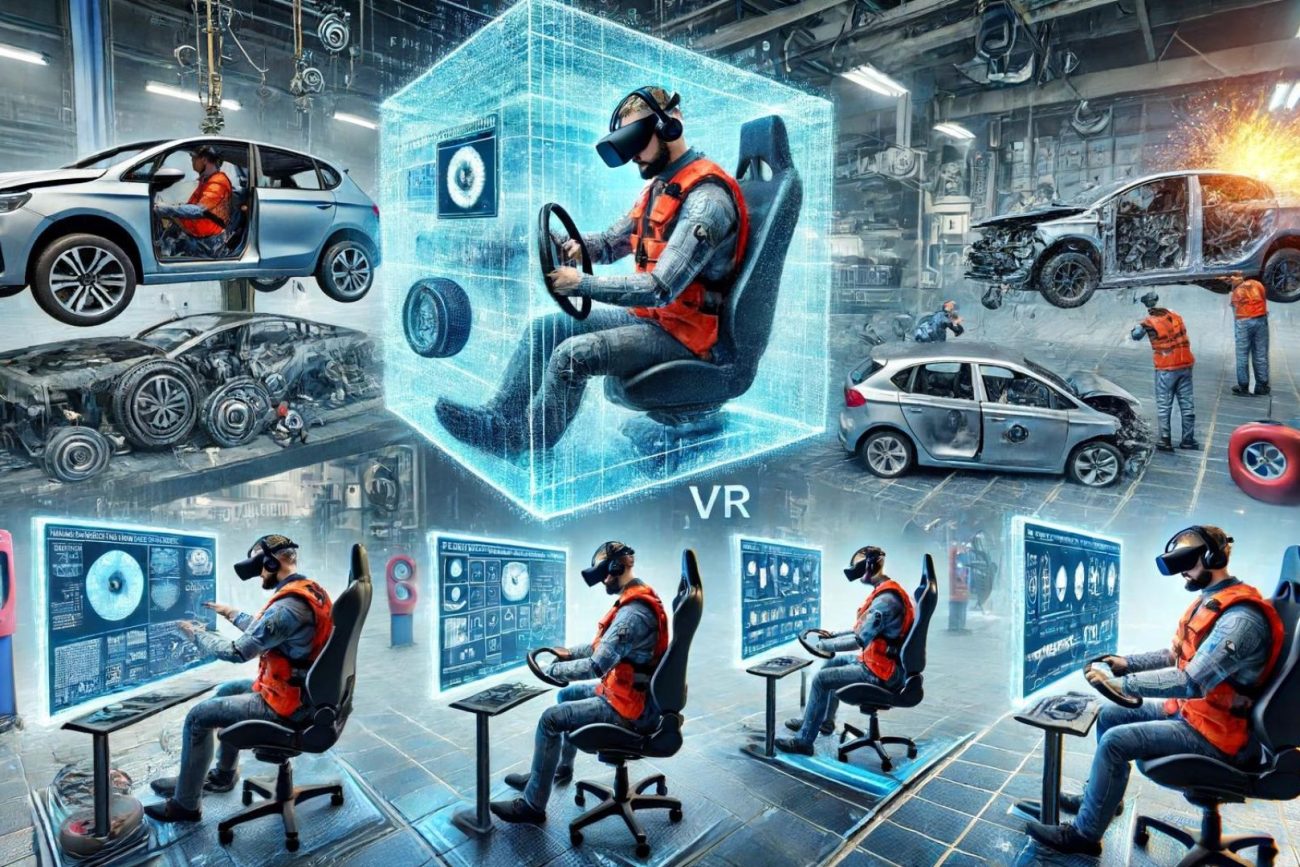
Once a vehicle design is conceptualized, testing becomes crucial to ensure safety, comfort, and performance. Here too, VR introduces significant advancements. Engineers traditionally rely on physical testing for assessing various aspects of vehicle dynamics, including safety features like airbag functionality and crash resistance. VR allows for virtual crash tests that are not only safer but infinitely repeatable without the associated costs of wrecking actual vehicles.
VR simulations help in testing the mechanical aspects of a vehicle under different conditions. Engineers can simulate how a car performs in different environments—be it sweltering heat, freezing cold, or heavy rainfall—quickly and accurately. This is not only cost-effective but also drastically reduces the time it takes to test multiple scenarios, accelerating the overall pace of development.
Marketing and Sales with VR
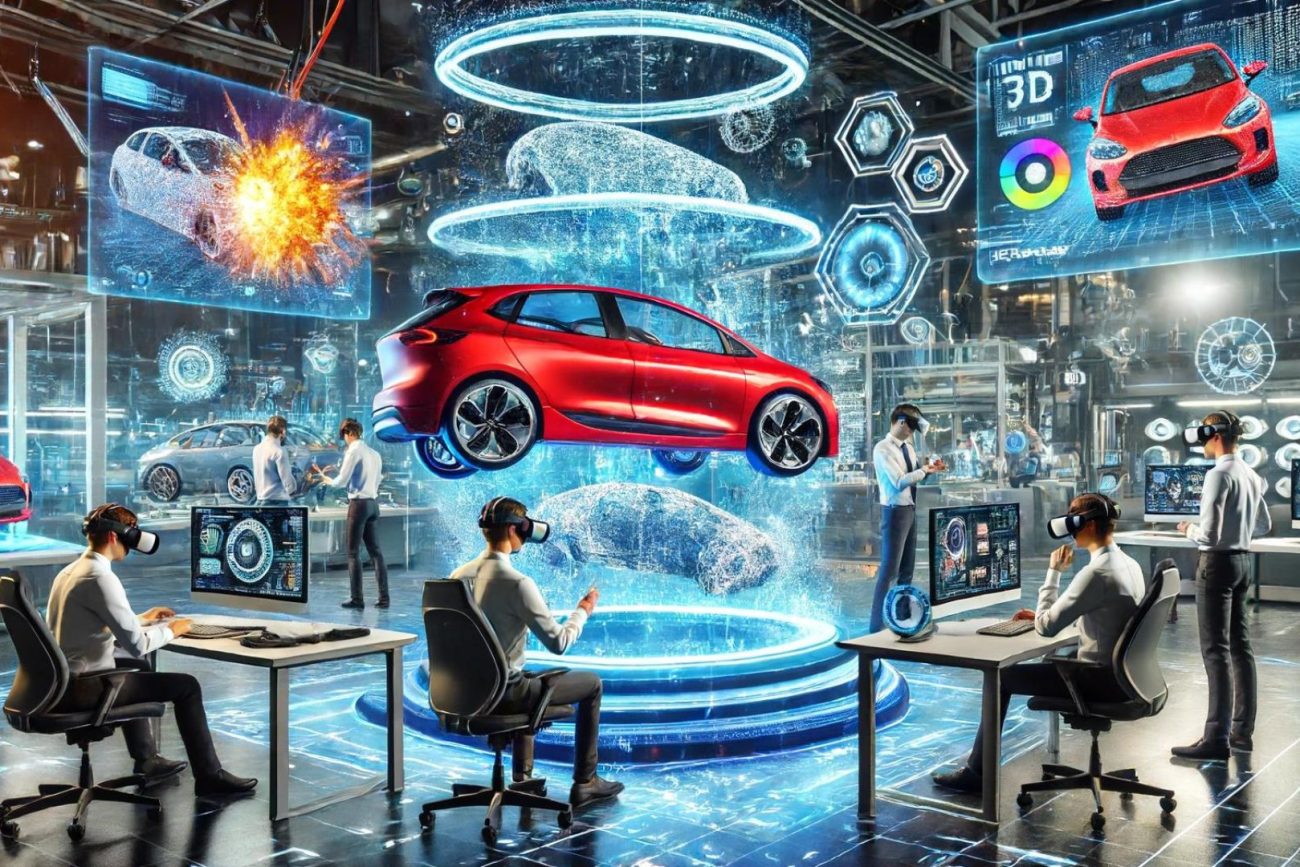
Perhaps the most consumer-facing application of VR in the automotive industry is in marketing and sales. Virtual showrooms are revolutionizing how customers interact with vehicles even before they see them in person. These VR experiences allow potential buyers to explore various models, customize features such as color and interiors, and understand the vehicle's functionality in a much more immersive and engaging way than traditional online configurators or physical showrooms.
Customers can don VR headsets and take virtual test drives, experiencing the car’s performance, listening to engine sounds, and understanding safety features in action, all from the comfort of a dealership or even their own home. This level of interaction not only enhances customer satisfaction but also boosts the likelihood of sales conversions by providing a memorable, engaging experience.
VR marketing campaigns can attract tech-savvy younger audiences who value such digital experiences. By integrating VR, automakers can differentiate themselves in a competitive market and connect with potential buyers through cutting-edge technology.
The Future of VR in Automotive
The integration of VR in the automotive industry is just the beginning. As VR technology continues to evolve, its applications within the sector are expected to become more innovative and widespread. For instance, with advancements in AI and machine learning, VR applications in automotive testing could predict outcomes with greater accuracy, further reducing the need for physical testing. Additionally, as VR becomes more mainstream, its role in customer service and maintenance tutorials could transform how owners interact with their vehicles, potentially leading to a new era of digital customer engagement.
The adoption of VR in the automotive industry is a testament to how advanced technologies can revolutionize traditional practices. From enhancing the design process and making testing procedures more efficient to transforming marketing strategies and customer interaction, VR is driving the automotive industry toward a more innovative and efficient future. As this technology matures, it will undoubtedly unlock even more potential, further embedding itself as an essential tool in the automotive sector’s ongoing evolution.
Exploring the future of automotive design through VR
Author: Elisha Roodt
Durban's leading intelligence hub on immersive technology. Delivering comprehensive coverage, expert analysis, and breakthrough news on Virtual Reality (VR), Augmented Reality (AR), and the Metaverse.