
Virtual Reality in Retail and E-commerce
Virtual Reality (VR) is revolutionizing the retail and e-commerce sectors by bridging the gap between physical and digital shopping experiences...
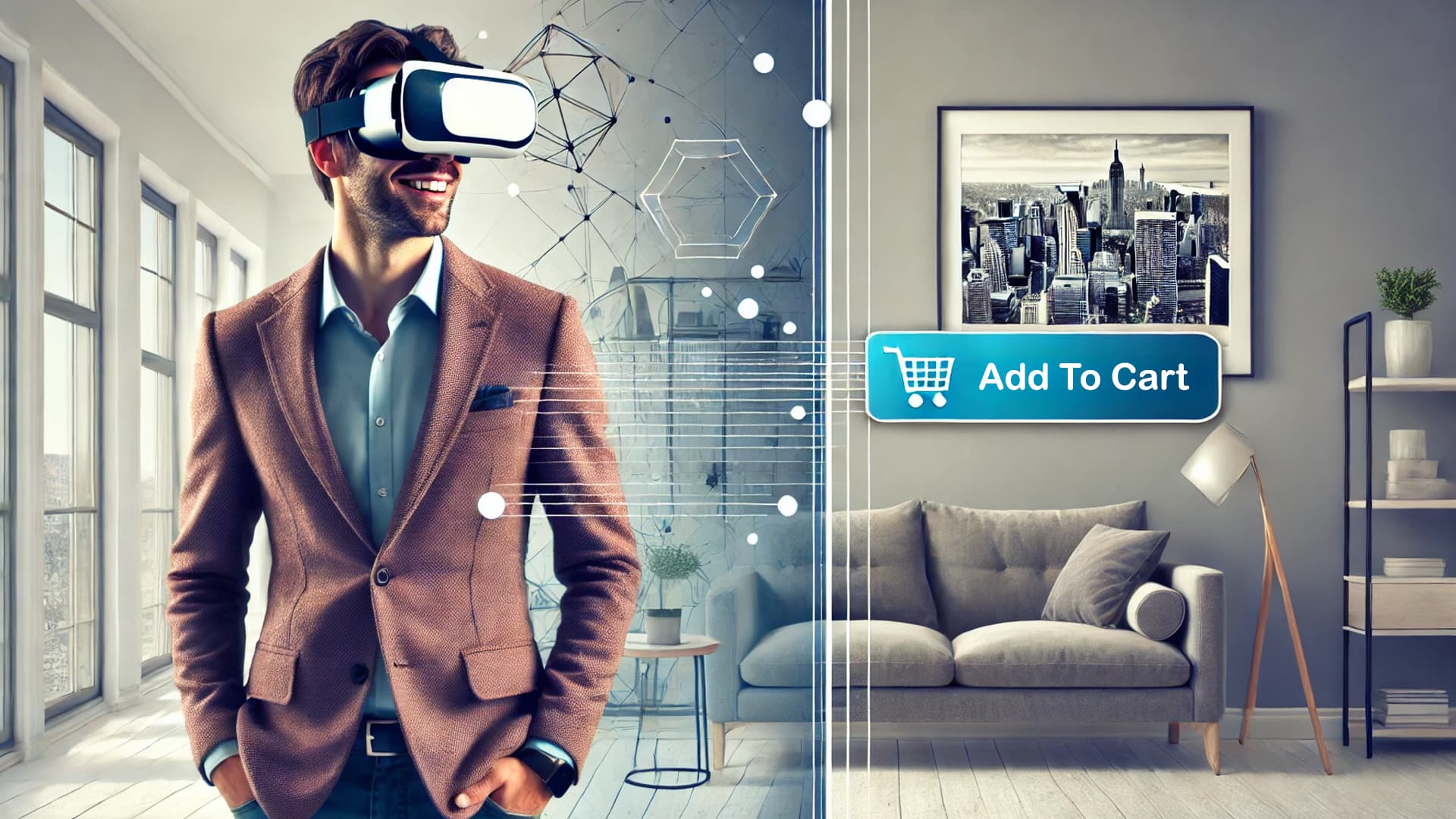
Virtual Reality (VR) is revolutionizing the retail and e-commerce sectors by bridging the gap between physical and digital shopping experiences. Initially a concept, VR has become a powerful tool that enhances how consumers shop. This exploration traces VR's evolution in retail, highlighting its impact on consumer experience and its potential to shape future shopping. By examining VR’s journey from virtual stores to immersive experiences, we see how technological advancements have improved accessibility and consumer engagement.
The Early Days of Virtual Shopping: Foundations and First Steps
Early Concepts of Virtual Stores: Pioneers and Visionaries
The idea of virtual shopping dates back to the early internet, where pioneers envisioned digital storefronts accessible from home. Despite technological and bandwidth limitations, these early visionaries laid the groundwork for future developments.
One of the first concepts was "cybermalls," digital replicas of physical shopping centers. Though rudimentary with basic graphics and limited interactivity, they offered a glimpse into retail's future. Early creators like Blaxxun Interactive and Active Worlds were pioneers in these experimental environments, but struggled with technology and limited internet access.
The First Virtual Mall: A Novelty or the Future?
In the mid-1990s, "The Electronic Mall" emerged as the first virtual mall, aiming to replicate a physical shopping experience in a digital format. Shoppers could navigate virtual aisles and make purchases in a 3D environment, but the technology of the time was inadequate. With sluggish performance due to slow internet and limited graphics, the experience was less immersive and more confusing than compelling. The lack of tactile feedback and physical product interaction also made it hard for users to fully embrace this new shopping concept.
Challenges and Limitations of Early VR Shopping Platforms
Early virtual shopping platforms faced significant technical and cultural hurdles. Technically, bulky and expensive VR headsets, along with insufficient computing power, restricted access and adoption. Culturally, consumers preferred the tactile experience of physical stores, where they could see, touch, and try products. The low-resolution graphics and limited interactivity of early VR platforms couldn't replicate these aspects, leading to skepticism and reluctance from consumers.
The Evolution of VR Technology in Retail
From 2D to 3D: The Transition to Immersive Virtual Environments
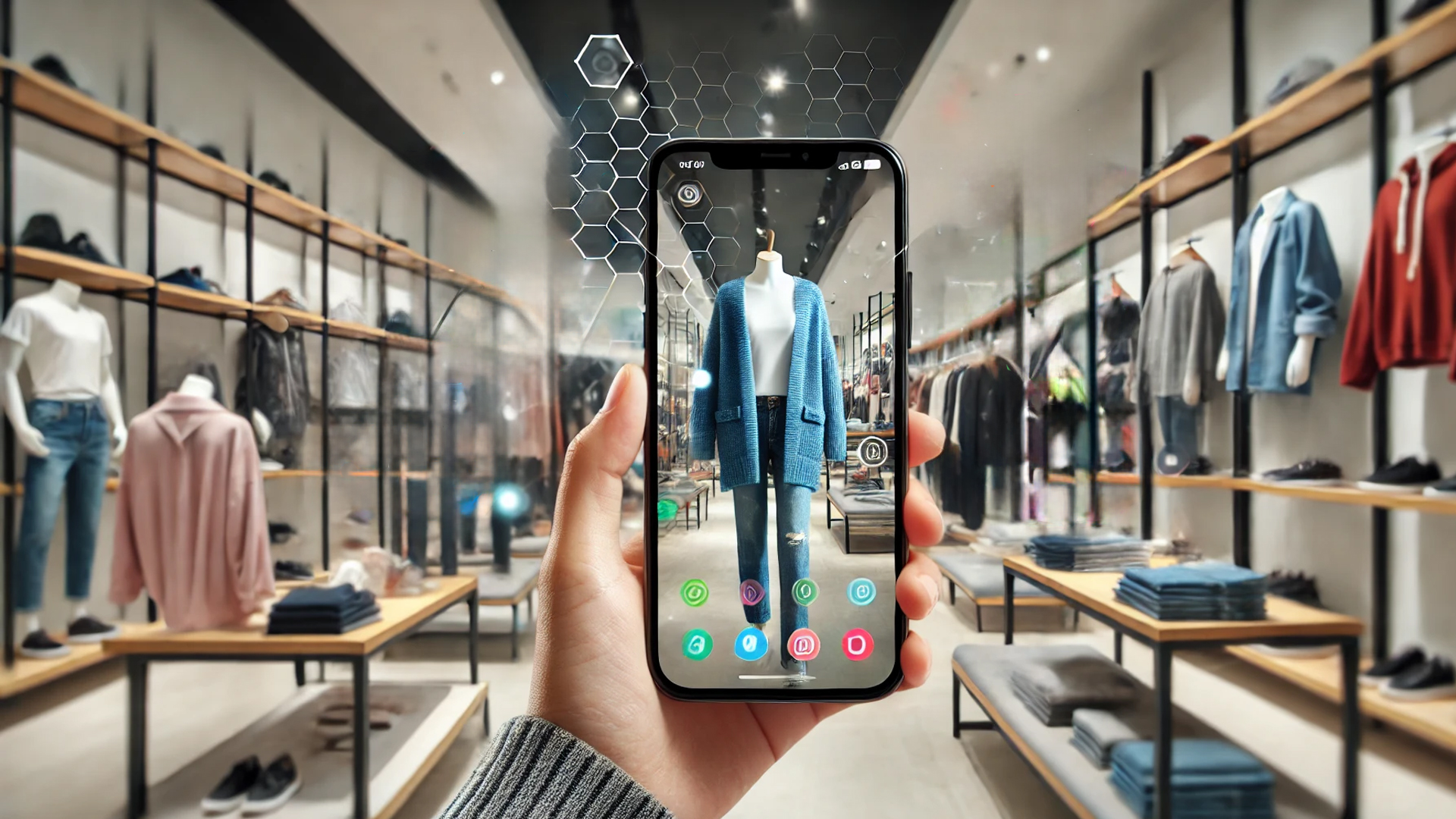
As technology progressed, VR in retail evolved from flat 2D interfaces to rich 3D environments, enhancing the shopping experience. Advances in graphics processing and VR headsets like the Oculus Rift and HTC Vive enabled detailed and responsive virtual spaces, making VR shopping a viable alternative to traditional retail.
Retailers started creating virtual showrooms where customers could explore products interactively. This 3D shift allowed for complex interactions such as examining items in detail, trying on virtual clothing, and customizing products before purchase, transforming virtual shopping from a novelty into an engaging experience.
VR as a Marketing Tool: Early Adopters and Their Strategies
As VR technology became more accessible, early adopters in retail saw its potential as a powerful marketing tool. These companies used VR not just for shopping but to create unique, engaging experiences that fostered brand loyalty.
IKEA was a pioneer, launching a virtual kitchen experience in 2016. This allowed customers to interact with a digital kitchen, customize elements, and visualize how products would look and function in their homes. This innovative approach not only enhanced the shopping experience but also strengthened the brand's connection with customers.
These early VR marketing efforts showcased the technology's ability to create memorable experiences, helping brands stand out in a competitive market and highlighting VR's future role in retail.
Key Milestones in VR-Driven Retail and E-commerce
The Launch of VR Stores by Major Retail Brands: A Turning Point
Early VR initiatives showcased its potential to revolutionize shopping by offering immersive product exploration and brand interaction.
A key example was Alibaba's "Buy+" platform, launched in 2016. This VR experience enabled users to browse and purchase products from global brands in a fully immersive environment. Buy+ demonstrated Alibaba's commitment to VR as a retail tool.
Another milestone was eBay's "Virtual Reality Department Store," developed with Myer, Australia’s largest department store chain. This VR store allowed customers to explore over 12,500 products with a headset and smartphone, replicating the physical shopping experience with 3D views and interactive features.
The Introduction of Virtual Fitting Rooms: Revolutionizing Online Apparel Shopping
One of the most transformative applications of VR in retail has been the introduction of virtual fitting rooms. These innovative tools have revolutionized online apparel shopping by allowing customers to try on clothes virtually before making a purchase. This has addressed one of the biggest challenges of online shopping: the inability to physically try on products.
Virtual fitting rooms use advanced VR and AI technology to create accurate 3D models of customers' bodies, which can then be used to try on virtual clothing. By inputting their measurements or using a 3D scanning tool, customers can see how different sizes, styles, and colors will look on their virtual avatar. This not only helps customers make more informed purchasing decisions but also reduces the likelihood of returns due to sizing issues.
One of the leading companies in this space is "Zugara," which has developed a virtual fitting room solution that allows customers to try on clothes using a webcam. By standing in front of the camera, customers can see a live video feed of themselves with the selected clothing item superimposed on their body. This provides a realistic preview of how the clothes will look and fit, helping customers choose the right size and style.
The Integration of AI and VR: Personalized Shopping in Virtual Environments
The integration of artificial intelligence (AI) with virtual reality (VR) has opened up new possibilities for personalized shopping experiences in virtual environments. By combining the immersive capabilities of VR with the analytical power of AI, retailers can create highly customized shopping experiences that cater to the unique preferences and behaviors of each customer.
AI-driven recommendation engines are one of the most powerful tools in this space. These systems analyze data from a customer's previous interactions, such as browsing history, purchase behavior, and product preferences, to suggest products that are likely to be of interest. In a VR environment, these recommendations can be presented in a seamless and intuitive way, enhancing the overall shopping experience.
The Consumer Experience: How VR Transforms Shopping Behavior
Immersive Product Visualization: Seeing is Believing
One of the most significant ways in which VR transforms the shopping experience is through immersive product visualization. In traditional online shopping, customers are limited to viewing products through static images or videos. This can make it difficult to fully appreciate the size, scale, and details of a product, leading to uncertainty and hesitation in the purchasing decision.
VR addresses this challenge by allowing customers to view and interact with products in a fully immersive 3D environment. Whether it's a piece of furniture, a piece of clothing, or a high-tech gadget, VR enables customers to explore every angle, zoom in on details, and even see how the product will look in their own space. This level of interaction provides a more accurate and realistic representation of the product, helping customers to make more informed purchasing decisions.
The ability to visualize products in a realistic and immersive way is one of the key advantages of VR in retail. It not only enhances the shopping experience but also reduces the likelihood of returns, as customers are more likely to be satisfied with their purchase when they have a clear understanding of what they are buying.
Virtual Showrooms and Customization: Tailoring the Shopping Experience
Virtual showrooms are another powerful application of VR in retail, offering customers a unique and personalized shopping experience. Unlike traditional e-commerce platforms, which are often limited by the constraints of a two-dimensional interface, virtual showrooms allow customers to explore products in a fully immersive 3D environment.
These virtual spaces can be designed to replicate the look and feel of a physical store, or they can take on entirely new forms that are only possible in a digital environment. For example, a virtual showroom might be set in a futuristic city, a luxurious penthouse, or a serene nature reserve, creating a memorable and engaging shopping experience that goes beyond the ordinary.
Virtual showrooms and customization represent a significant evolution in the retail experience, offering customers a level of control and creativity that is not possible with traditional shopping methods. By providing a more engaging and personalized shopping experience, retailers can increase customer satisfaction, loyalty, and sales.
Social Shopping in VR: The Rise of Virtual Communities and Social Interaction
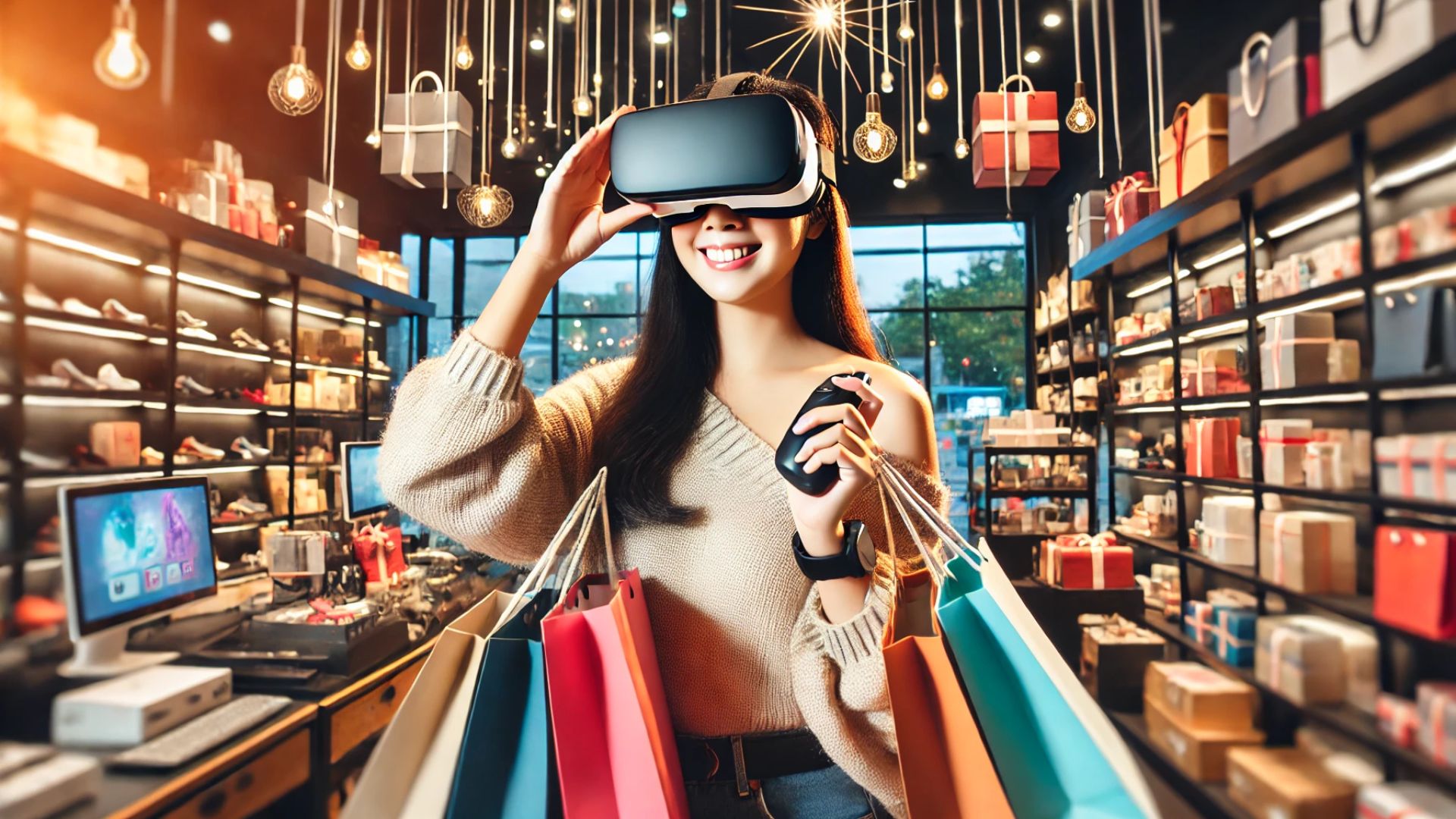
Social shopping is an emerging trend in the world of VR, where customers can interact with friends, family, and even strangers while shopping in a virtual environment. This new form of social interaction adds a communal aspect to the shopping experience, allowing customers to share their experiences, get advice, and make decisions together.
In a virtual shopping environment, customers can invite friends to join them in the virtual store, where they can browse products, try on clothes, and make purchases together. This shared experience replicates the social aspects of shopping in a physical store, where friends can offer opinions, suggest items, and enjoy the experience together. It also adds an element of fun and camaraderie to the shopping process, making it a more enjoyable and memorable activity.
The rise of social shopping in VR represents a new frontier in retail, where the boundaries between the digital and physical worlds continue to blur. By incorporating social interaction into the shopping experience, retailers can create a more engaging and enjoyable experience that resonates with customers on a deeper level.
The Business Perspective: Benefits and Challenges of VR in Retail
Enhancing Customer Engagement and Loyalty: The VR Advantage
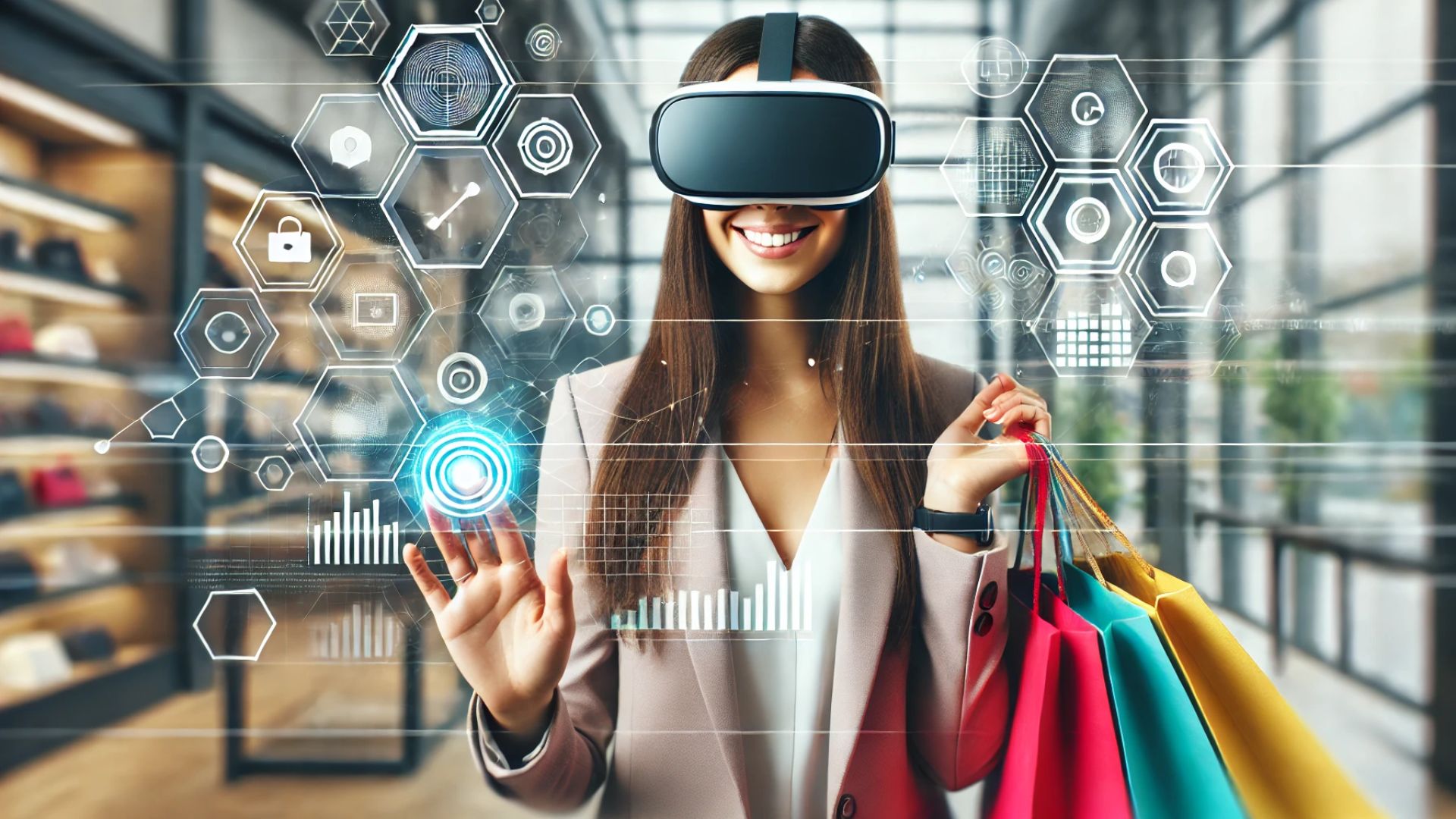
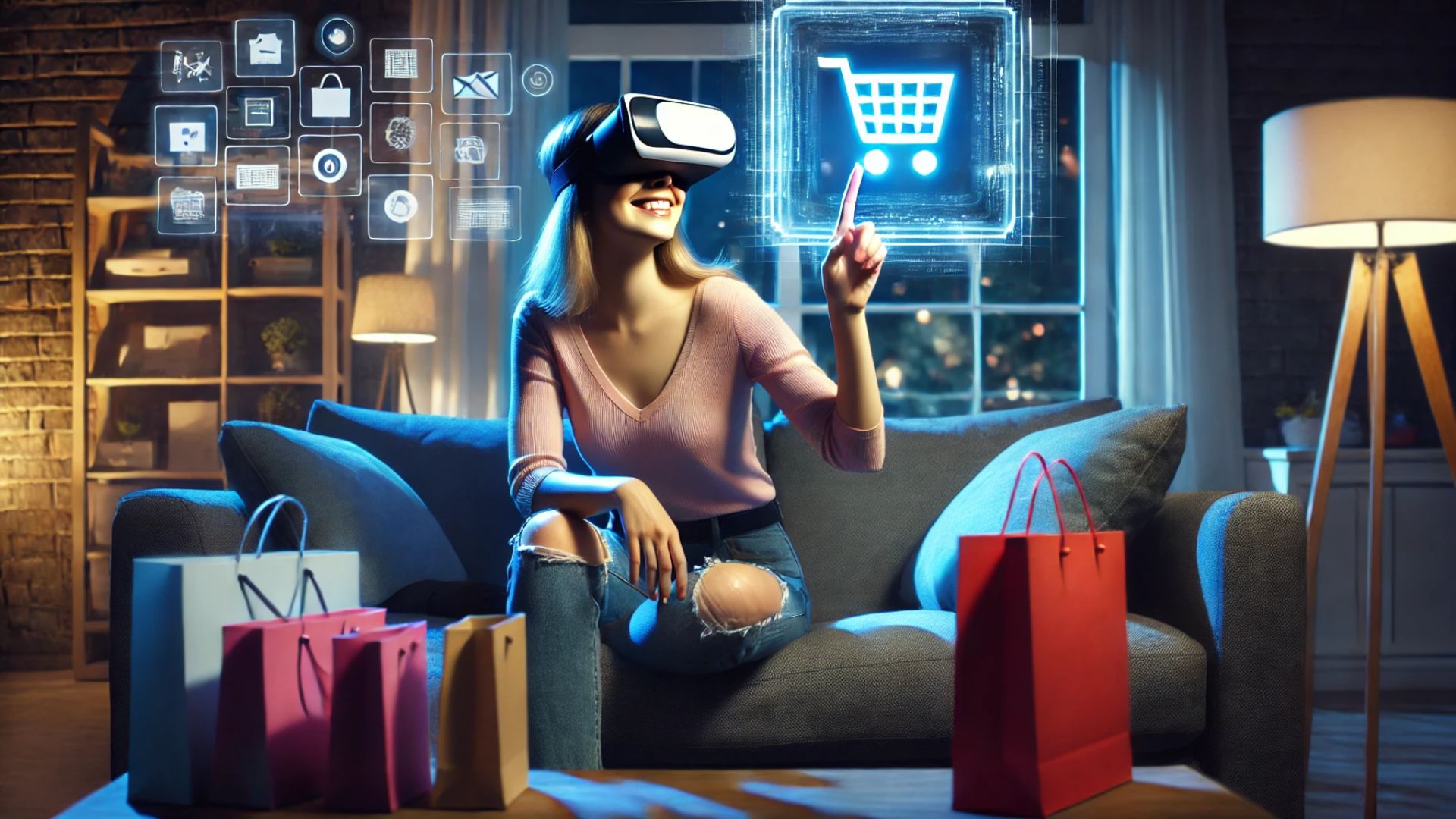
From a business perspective, one of the most compelling advantages of VR in retail is its ability to enhance customer engagement and loyalty. By offering a more immersive, interactive, and personalized shopping experience, VR helps to create a stronger connection between the customer and the brand.
Engagement is a critical factor in driving customer satisfaction and loyalty. When customers are fully immersed in a VR shopping experience, they are more likely to spend time exploring products, interacting with the brand, and making informed purchasing decisions. This increased level of engagement not only leads to higher conversion rates but also strengthens the emotional connection between the customer and the brand.
Reducing Returns and Increasing Sales: The Impact of VR on Conversion Rates
One of the most significant challenges for online retailers is the high rate of returns, particularly in categories such as apparel and furniture, where customers often struggle to make accurate purchasing decisions based on traditional product images and descriptions. VR addresses this challenge by providing a more accurate and immersive way to visualize products, leading to more informed purchasing decisions and, ultimately, reducing the rate of returns.
By allowing customers to see and interact with products in a virtual environment, VR helps to bridge the gap between online and in-store shopping. Customers can explore products in detail, try them on virtually, and see how they will look and fit in their own space. This level of interaction provides greater confidence in the purchasing decision, reducing the likelihood of dissatisfaction and returns.
Challenges for Retailers: Costs, Implementation, and Consumer Adoption
While the benefits of VR in retail are clear, there are also significant challenges that retailers must overcome to successfully implement and leverage the technology. One of the primary challenges is the cost of developing and maintaining VR experiences. Creating a high-quality VR shopping environment requires significant investment in hardware, software, and content creation, which can be a barrier for smaller retailers or those with limited resources.
Another challenge is the complexity of implementing VR in a retail environment. Developing a VR experience requires specialized skills and expertise, including 3D modeling, software development, and user experience design. Retailers must either invest in building these capabilities in-house or partner with external vendors, both of which can be costly and time-consuming.
Finally, consumer adoption is a critical challenge for retailers. While VR technology has become more accessible and popular in recent years, it is still not mainstream. Not all consumers have access to VR headsets or are comfortable using the technology, which can limit the reach and impact of VR experiences. Retailers must consider how to educate and incentivize customers to try VR shopping, as well as how to create experiences that are accessible and appealing to a broad audience.
The Future of VR in Retail and E-commerce
Emerging Trends: The Next Generation of VR Shopping Experiences
As VR technology continues to evolve, we can expect to see new and emerging trends that will shape the future of retail and e-commerce. These trends will likely focus on creating more immersive, personalized, and engaging shopping experiences, leveraging the latest advancements in VR, AI, and other technologies.
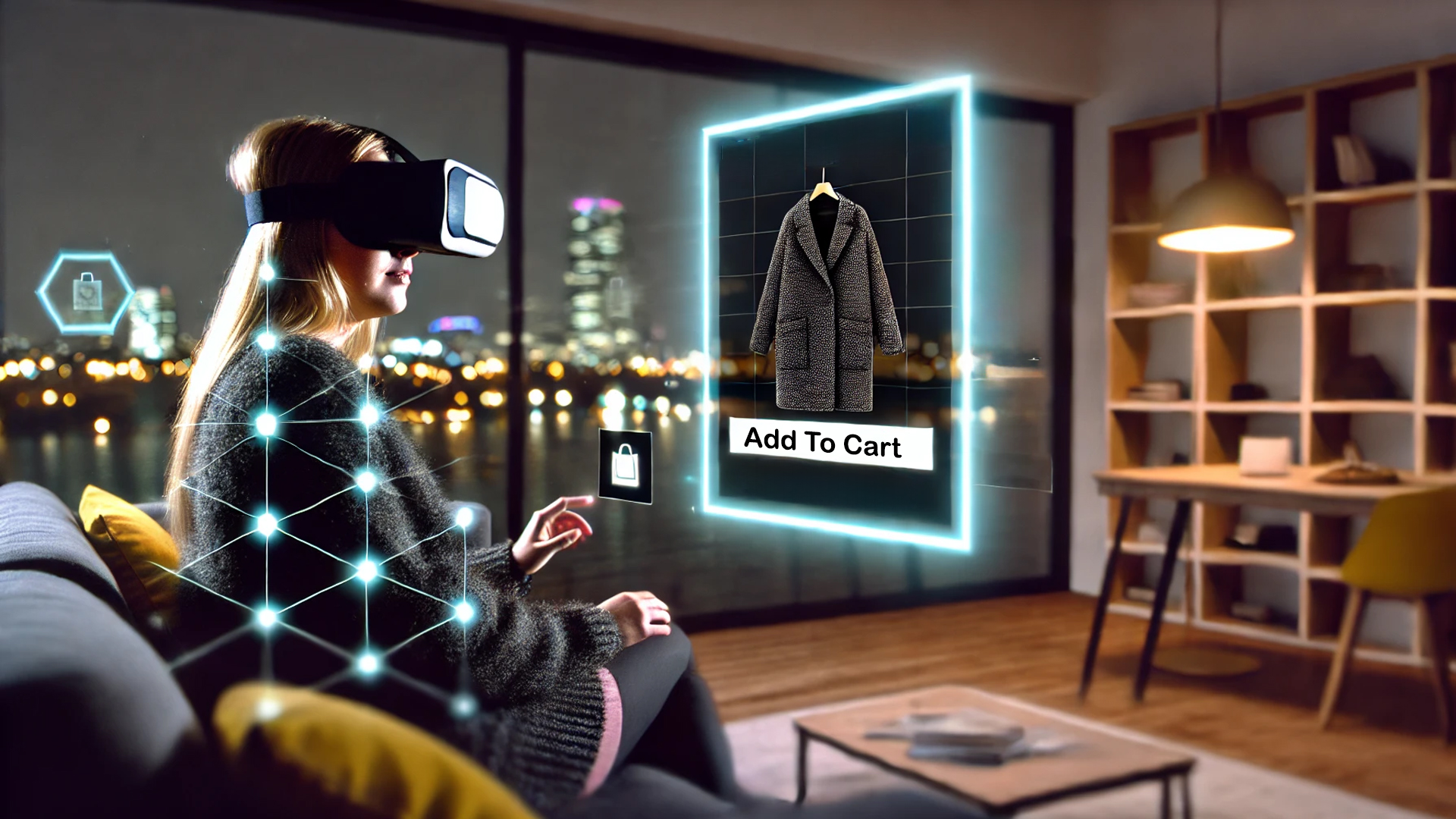
One emerging trend is the integration of VR with augmented reality (AR) and mixed reality (MR) technologies. By combining VR with AR and MR, retailers can create experiences that blend the physical and digital worlds in new and innovative ways. For example, customers might use AR to see how a product will look in their home, then step into a VR environment to explore the product in more detail. This combination of technologies offers new possibilities for creating seamless and immersive shopping experiences that go beyond what is possible with traditional retail methods.
Predictions for VR's Role in Omnichannel Retail Strategies
As VR continues to gain traction in the retail industry, it is likely to play an increasingly important role in omnichannel retail strategies. By integrating VR into their existing channels, retailers can create a more seamless and cohesive shopping experience that meets the needs of today's consumers.
One of the key advantages of VR in an omnichannel strategy is its ability to bridge the gap between online and offline shopping. By offering customers the ability to explore products in a virtual environment, retailers can provide a more immersive and engaging experience than traditional e-commerce platforms. This can help to drive online sales while also enhancing the in-store experience, creating a more consistent and unified brand presence across all channels.
The Potential of VR in Augmented Reality (AR) and Mixed Reality (MR) Retail
The potential of VR in augmented reality (AR) and mixed reality (MR) retail is vast, offering new opportunities for creating immersive and interactive shopping experiences that blend the physical and digital worlds. By combining VR with AR and MR, retailers can create experiences that go beyond traditional retail methods, offering customers new ways to explore, customize, and purchase products.
MR, on the other hand, offers the potential to create fully immersive shopping environments that combine the best of both the physical and digital worlds. For example, customers might enter a physical store that has been enhanced with MR technology, allowing them to see and interact with digital products and displays in real-time. This could include virtual shelves, product displays, and even virtual sales associates, all of which can be customized and personalized to meet the needs of each customer.
As VR, AR, and MR technologies continue to evolve, we can expect to see more retailers experimenting with these technologies to create new and innovative shopping experiences. By leveraging the potential of these technologies, retailers can offer customers a more immersive, personalized, and engaging shopping experience that sets them apart from competitors and drives long-term success.
The Future of VR in Retail and E-commerce
Author: Elisha Roodt
Durban's leading intelligence hub on immersive technology. Delivering comprehensive coverage, expert analysis, and breakthrough news on Virtual Reality (VR), Augmented Reality (AR), and the Metaverse.