
Virtual Reality in Entertainment and Gaming
The entertainment industry is no stranger to innovation, but perhaps no technology has had a more profound impact in recent years than virtual...
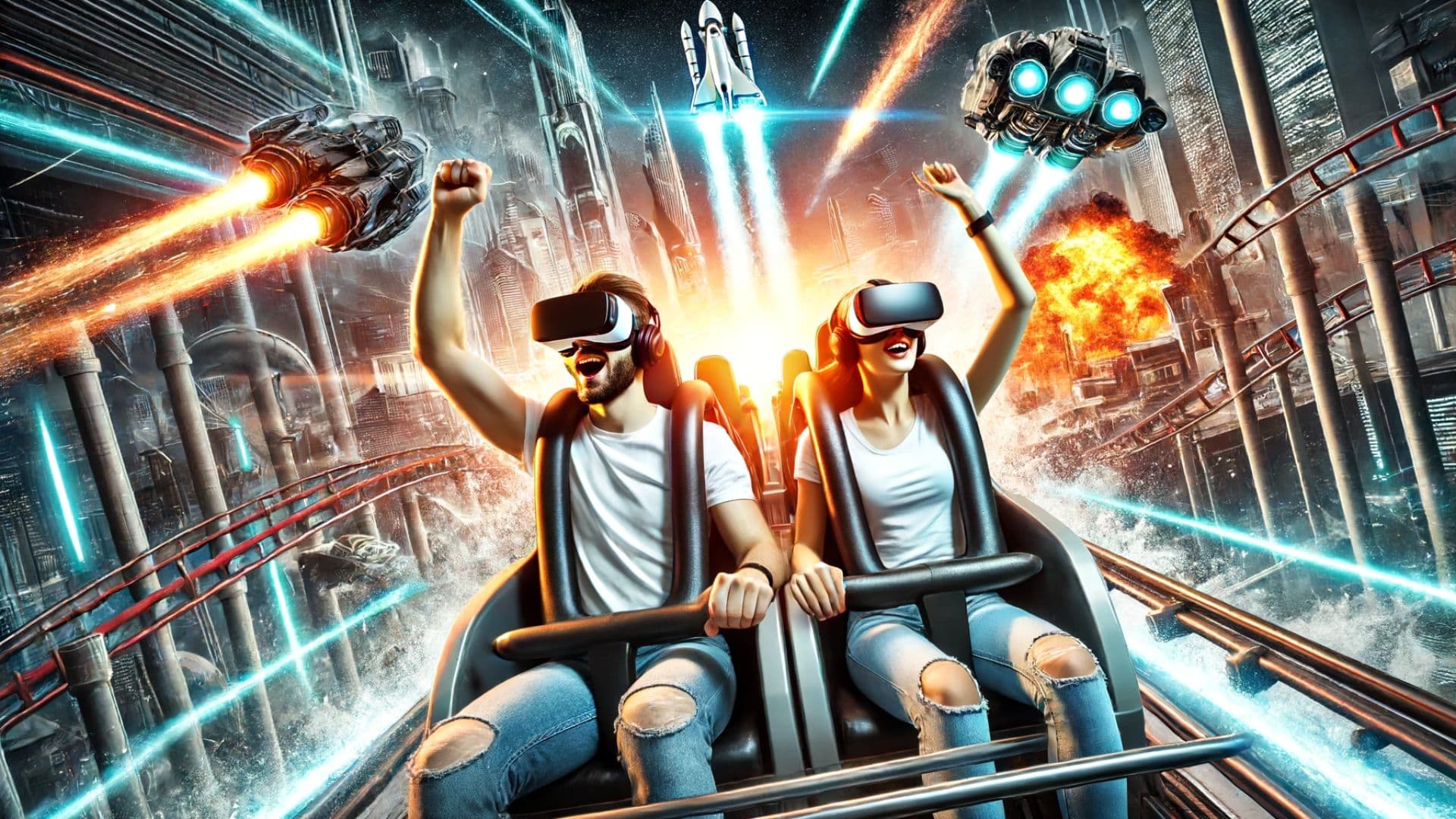
The entertainment industry is no stranger to innovation, but perhaps no technology has had a more profound impact in recent years than virtual reality (VR). From immersive gaming experiences to transforming the way we enjoy movies, concerts, and live events, VR is revolutionizing the landscape of entertainment.
The Rise of VR Gaming
A New Era of Gaming
VR gaming has experienced a meteoric rise since the introduction of consumer-friendly VR headsets. The appeal of VR gaming lies in its ability to provide immersive experiences that traditional gaming setups cannot match. Players can now step into virtual worlds, interact with environments, and experience games from a first-person perspective, making the gaming experience more engaging and realistic.
Popular VR Games
Several VR games have captivated audiences and set the standard for what VR gaming can achieve:
Beat Saber: This rhythm-based game challenges players to slash blocks representing musical beats with lightsabers. Its fast-paced, energetic gameplay and engaging soundtrack have made it a favorite among VR enthusiasts.
Half-Life: Alyx: A game-changer in the VR landscape, this first-person shooter from Valve redefines immersive storytelling and gameplay. Set in the Half-Life universe, it has been praised for its detailed graphics, intricate puzzles, and compelling narrative.
Superhot VR: This unique shooter game where time moves only when the player moves offers a strategic and exhilarating experience. Its minimalist design and innovative mechanics have earned it critical acclaim.
The Walking Dead: Saints & Sinners: Based on the popular TV series, this game combines survival horror with a rich storyline, allowing players to explore a post-apocalyptic world teeming with zombies.
VRChat: While not a traditional game, VRChat allows users to create avatars, socialize, and participate in various activities within virtual worlds, demonstrating the social potential of VR.
Enhancing the Gaming Experience
VR gaming offers several benefits that enhance the overall gaming experience:
Immersion: The primary appeal of VR is the sense of immersion it provides. Players feel as though they are truly inside the game world, which enhances the emotional and sensory experience.
Physical Engagement: Many VR games require physical movement, which can add a fitness component to gaming. Players may need to walk, run, jump, or swing their arms, making the experience more active and engaging.
Social Interaction: Multiplayer VR games and social VR platforms like VRChat enable players to interact with others in virtual environments. This adds a social dimension to gaming that can be more dynamic and personal than traditional online multiplayer games.
Innovation in Game Design: VR technology encourages game developers to think creatively about how to use the medium. This has led to innovative game mechanics and new genres that wouldn't be possible with traditional gaming setups.
VR's Impact on Movies, Concerts, and Live Events
Beyond gaming, VR is transforming how we consume other forms of entertainment, offering unprecedented levels of immersion and interactivity.
Movies
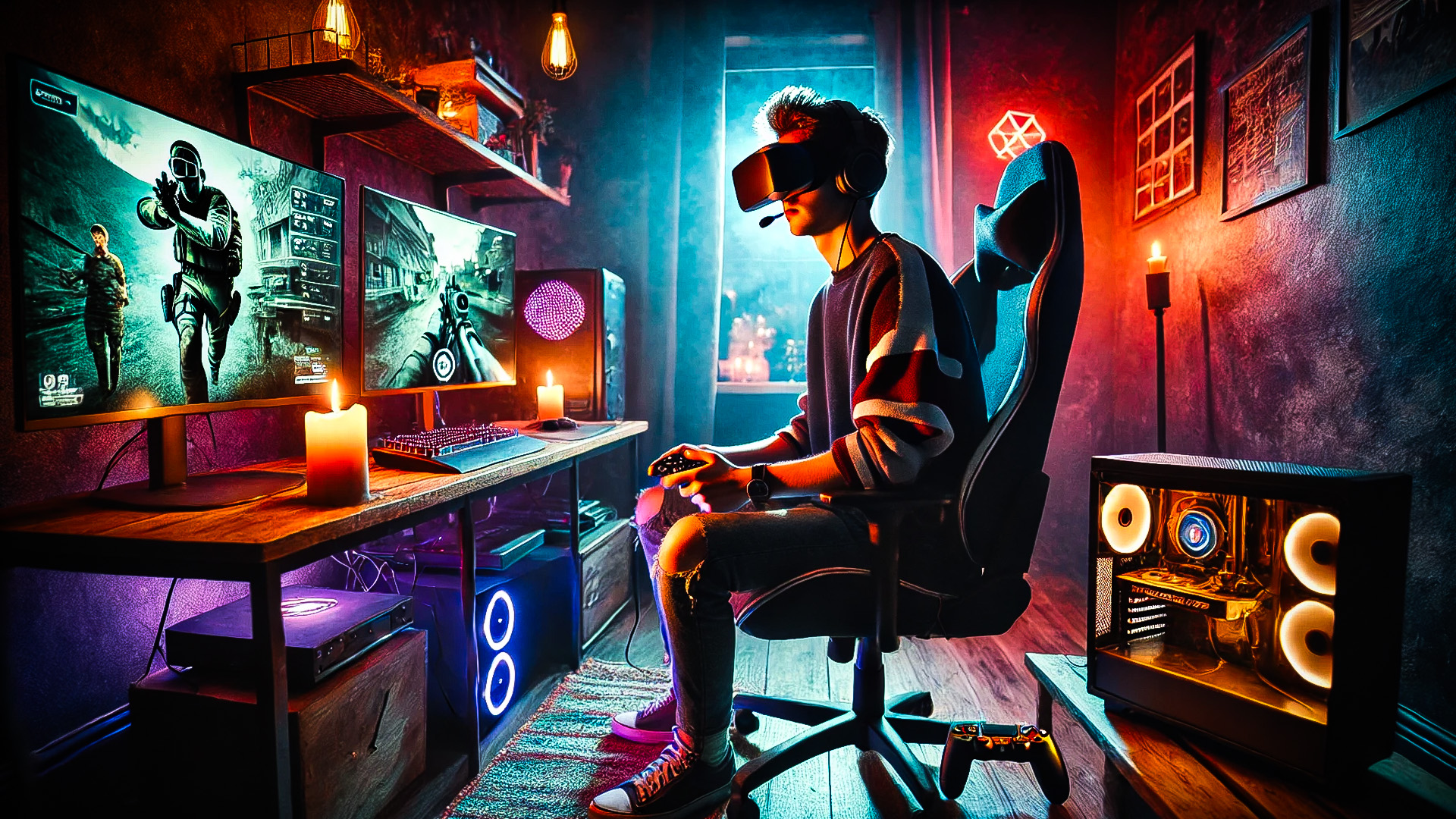
Virtual reality is opening new frontiers in filmmaking. VR films allow viewers to be part of the narrative, experiencing stories from within the scene rather than as passive observers. Directors are exploring this new medium to create compelling, interactive storytelling experiences that engage audiences in unique ways.
Interactive Storytelling: VR films can offer multiple perspectives and interactive elements that allow viewers to influence the story. This creates a more personalized and engaging experience.
Immersive Environments: VR can transport viewers to fantastical worlds or realistic environments, enhancing the sense of presence and immersion. This can make stories more impactful and memorable.
Concerts
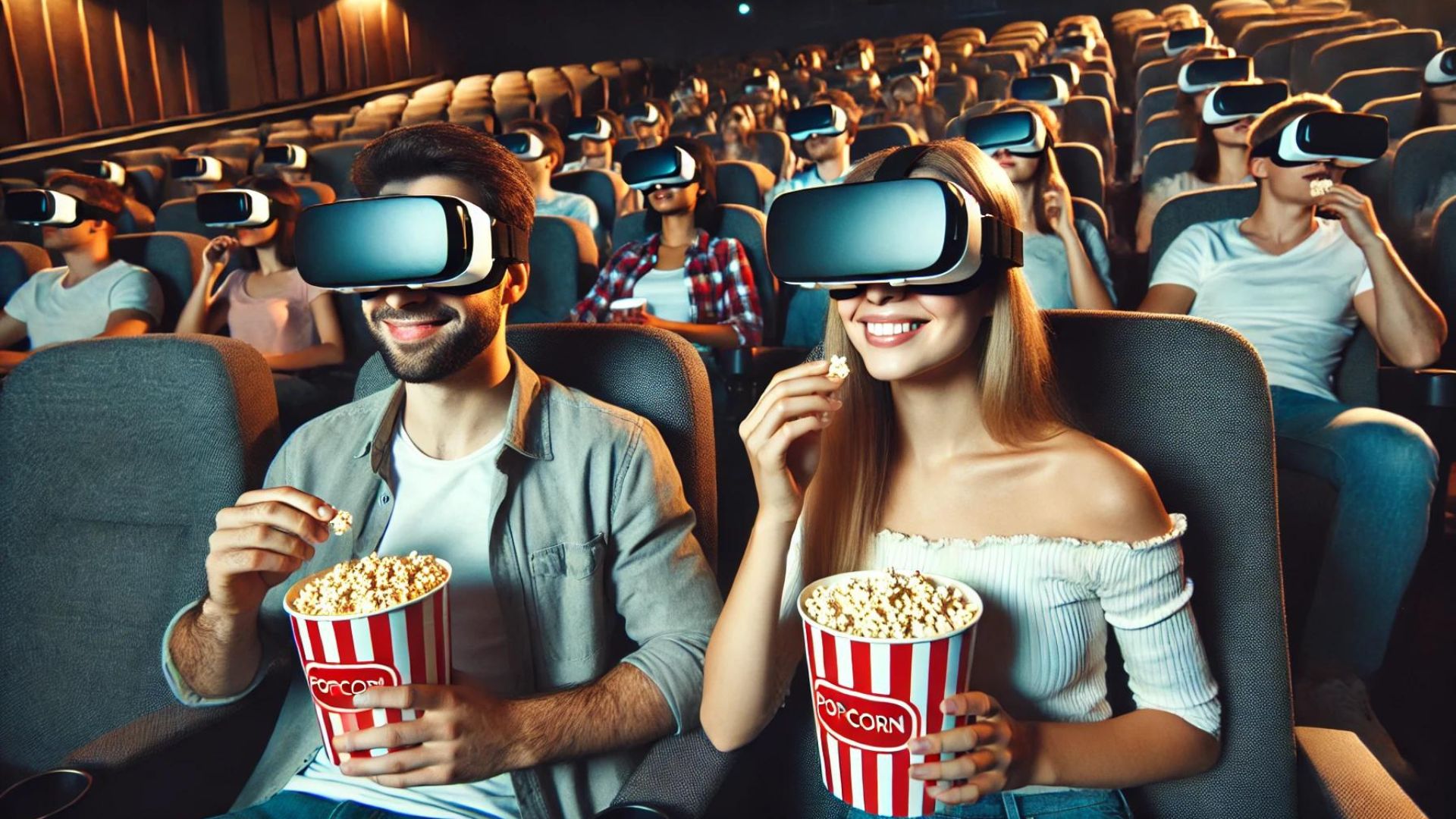
VR is revolutionizing the concert experience, bringing live performances to fans' homes. With VR headsets, users can attend concerts virtually, enjoying front-row seats and 360-degree views of the stage. This technology has gained particular traction during the COVID-19 pandemic, providing an alternative to in-person events and helping artists reach global audiences.
Live Streaming: Artists can stream live performances in VR, allowing fans to experience concerts as if they were there in person. This can include interactive elements, such as choosing different camera angles or interacting with other fans.
Virtual Venues: Some platforms offer virtual concert venues where users can attend performances by their favorite artists. These venues can be fantastical and creative, enhancing the overall experience.
Live Events
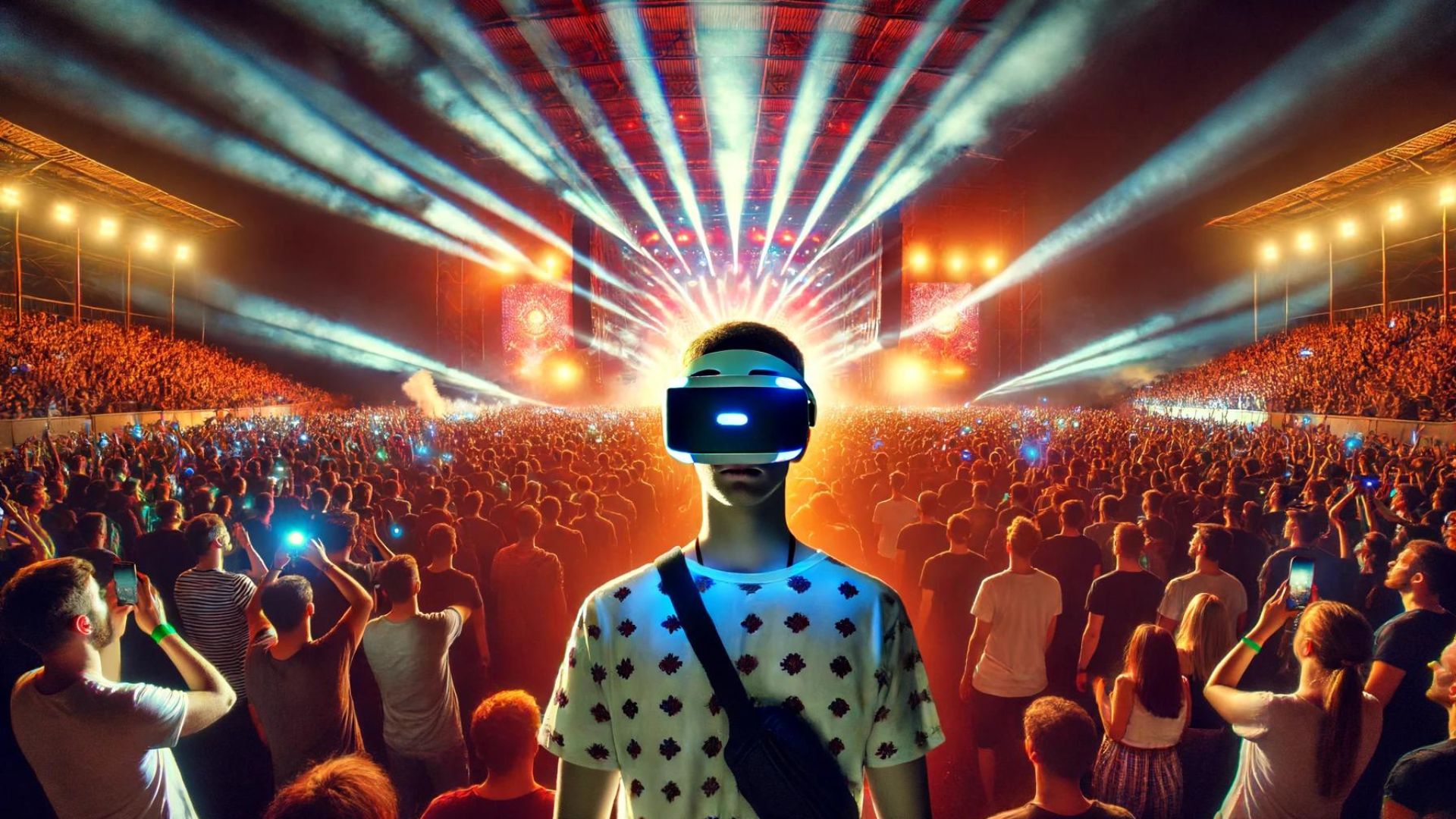
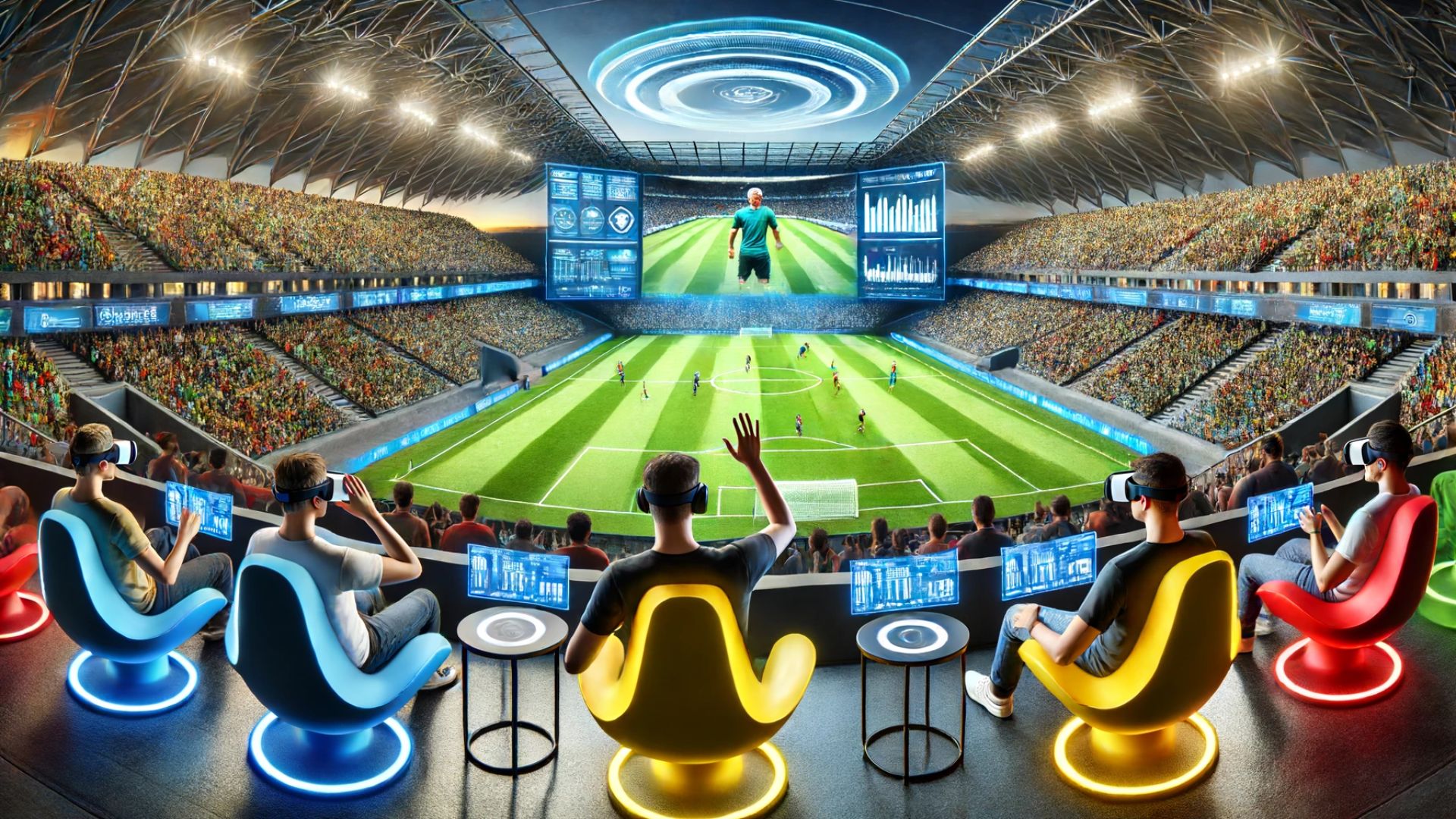
From sports events to theater performances, VR is making live events more accessible. Fans can experience the excitement of a live game or the drama of a theater production from the comfort of their homes. VR technology offers different viewing angles, interactive features, and a sense of presence that traditional broadcasts cannot match.
Sports: VR can provide immersive experiences for sports fans, allowing them to watch games from unique perspectives, such as from the sidelines or even from the point of view of a player. This can make watching sports more engaging and exciting.
Theater: VR can bring theater productions to a wider audience, allowing people to experience plays and performances from anywhere in the world. This can include interactive elements that allow viewers to explore the set or choose different viewpoints.
The Future of VR in Entertainment
As VR technology continues to advance, its applications in entertainment will likely expand. Improvements in hardware, such as lighter and more comfortable headsets, along with advancements in software, including more sophisticated graphics and interactive capabilities, will further enhance the VR experience.
Hardware Improvements
Comfort and Accessibility: Future VR headsets are expected to be more comfortable, lighter, and more affordable. This will make VR more accessible to a broader audience.
Haptic Feedback: Advances in haptic feedback technology will allow users to feel physical sensations in virtual environments. This can enhance the sense of immersion and make VR experiences more realistic.
Software Advancements
Graphics: Improvements in graphics technology will make VR environments more detailed and realistic. This will enhance the overall quality of VR experiences and make them more engaging.
Interactivity: Advancements in AI and machine learning will enable more interactive and responsive VR environments. This can create more dynamic and personalized experiences for users.
Expanding Applications
Education and Training: VR is already being used for educational and training purposes, and this trend is likely to continue. VR can provide immersive learning experiences that are more engaging and effective than traditional methods.
Healthcare: VR is being used for therapeutic purposes, such as treating phobias and PTSD. As the technology improves, its applications in healthcare are likely to expand.
Social Interaction: Social VR platforms will continue to evolve, offering new ways for people to connect and interact in virtual environments. This can include virtual social spaces, events, and activities.
The rise of VR in entertainment and gaming is just the beginning. As more developers and creators embrace this technology, we can expect even more innovative and immersive experiences that push the boundaries of what is possible. VR is not just changing how we play games or watch movies; it is redefining the very nature of entertainment.
VR has ushered in a new era of entertainment, offering experiences that are more immersive and interactive than ever before. Whether through gaming, movies, concerts, or live events, virtual reality is transforming how we engage with and enjoy our favorite pastimes. As this technology continues to evolve, the possibilities for VR in entertainment are boundless, promising a future where the lines between the virtual and real worlds are increasingly blurred.
Author: Elisha Roodt
Durban's leading intelligence hub on immersive technology. Delivering comprehensive coverage, expert analysis, and breakthrough news on Virtual Reality (VR), Augmented Reality (AR), and the Metaverse.