
Virtual Reality in Education
In the dynamic realm of educational technology, Virtual Reality (VR) stands out as a pioneering innovation that is reshaping traditional learning...
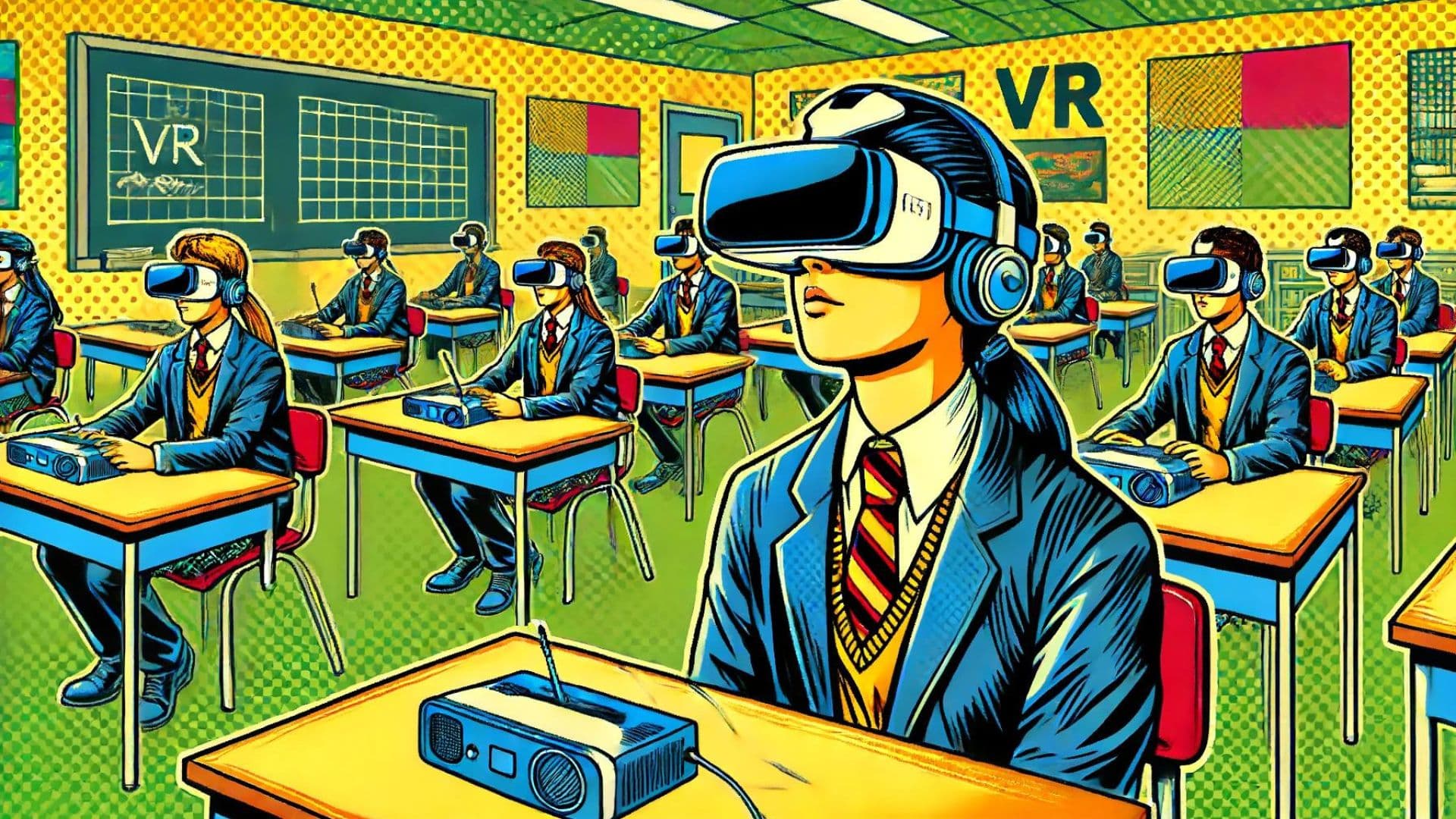
In the dynamic realm of educational technology, Virtual Reality (VR) stands out as a pioneering innovation that is reshaping traditional learning paradigms. This technology introduces an era where learning is not just interactive but also deeply immersive, transforming abstract concepts into tangible experiences. As we delve deeper into the 21st century, the integration of VR in educational settings is becoming increasingly prevalent, promising to significantly enhance student engagement and learning outcomes.
A New Dimension of Learning
Traditional education systems have long relied on textbooks and classroom discussions as the primary mediums of learning. While effective for some, this approach often fails to fully engage all students, especially those who thrive on visual and hands-on learning experiences. Virtual Reality (VR) technology emerges as a transformative solution, challenging these conventional confines and introducing a multifaceted dimension of learning that caters to a broader range of learning styles.
Breaking the Boundaries of Traditional Learning
VR technology revolutionizes the educational landscape by breaking down the physical and conceptual boundaries of traditional classrooms. Instead of reading about the Great Wall of China, students can virtually walk alongside it; rather than calculating angles in a textbook, they can manipulate objects within a 3D space to explore geometric concepts. This hands-on approach is not just about seeing or hearing; it's about doing. By actively participating in their learning, students experience a deeper connection with the material, leading to improved retention and understanding.
This immersion goes beyond traditional learning methods to include sensory inputs that make the learning experience more vivid and memorable. Additionally, VR can tailor learning experiences to the needs of individual students, adapting scenarios and pacing according to different learning speeds and styles.
Increasing Motivation and Curiosity
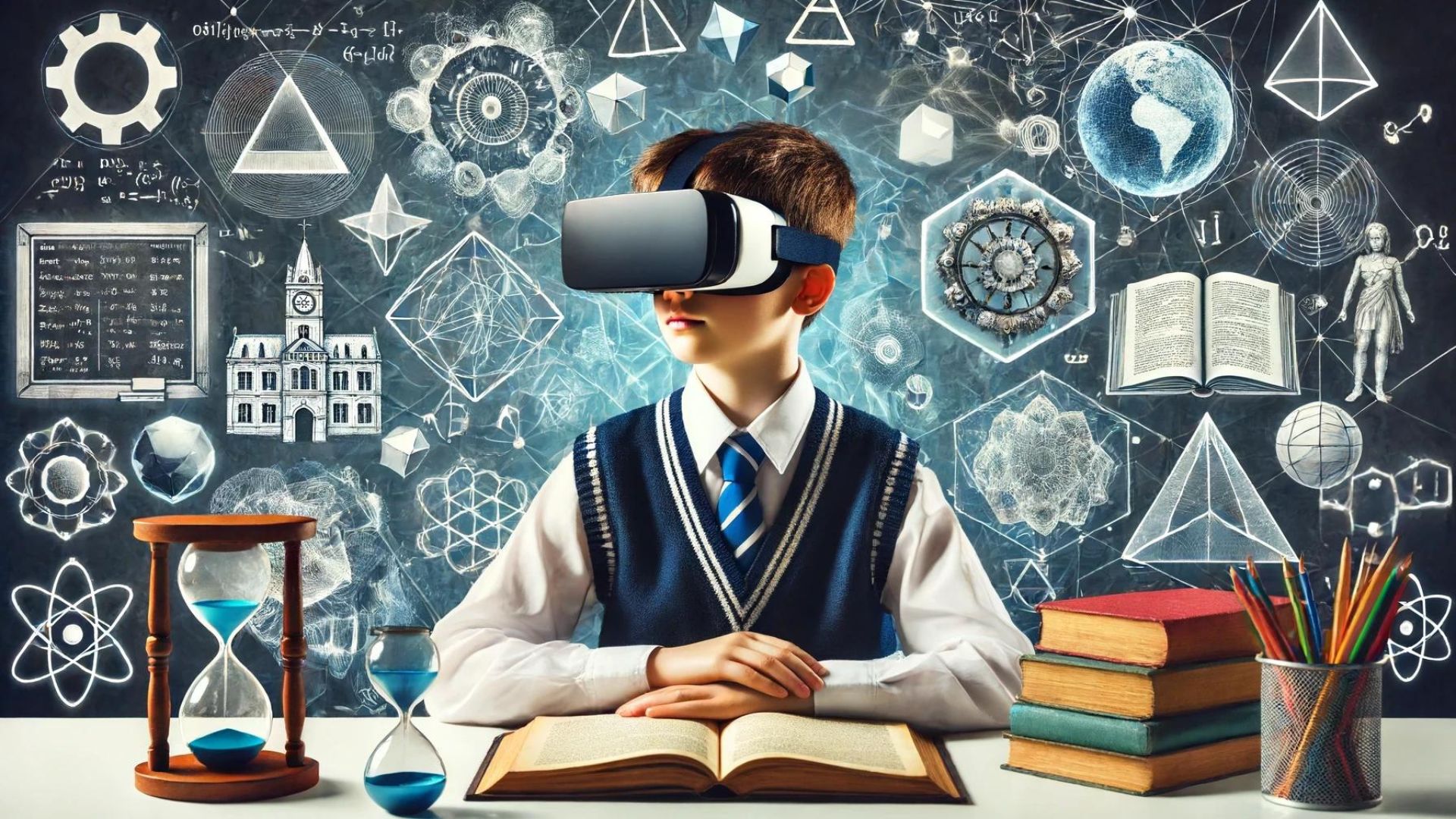
The novelty of VR also plays a critical role in enhancing student motivation. The opportunity to engage with content in a completely new way can spark curiosity and excitement, factors that are fundamentally linked to motivation. When students are curious, they are more likely to explore deeper and engage more thoroughly with the content.
VR provides immediate feedback, which is a critical component of effective learning. In a virtual chemistry lab, for instance, students can combine elements to see chemical reactions immediately. This instant cause-and-effect setup reinforces learning through trial and error, encouraging students to understand the principles behind their actions rather than simply memorizing facts.
Skill Acquisition and Development
Virtual Reality (VR) technology is not only transforming how we comprehend theoretical knowledge but is also revolutionizing skill acquisition and development across various fields. By leveraging the immersive capabilities of VR, students can engage in repetitive practice and scenario-based learning, which are crucial for mastering complex skills.
Enhancing Medical Training with VR
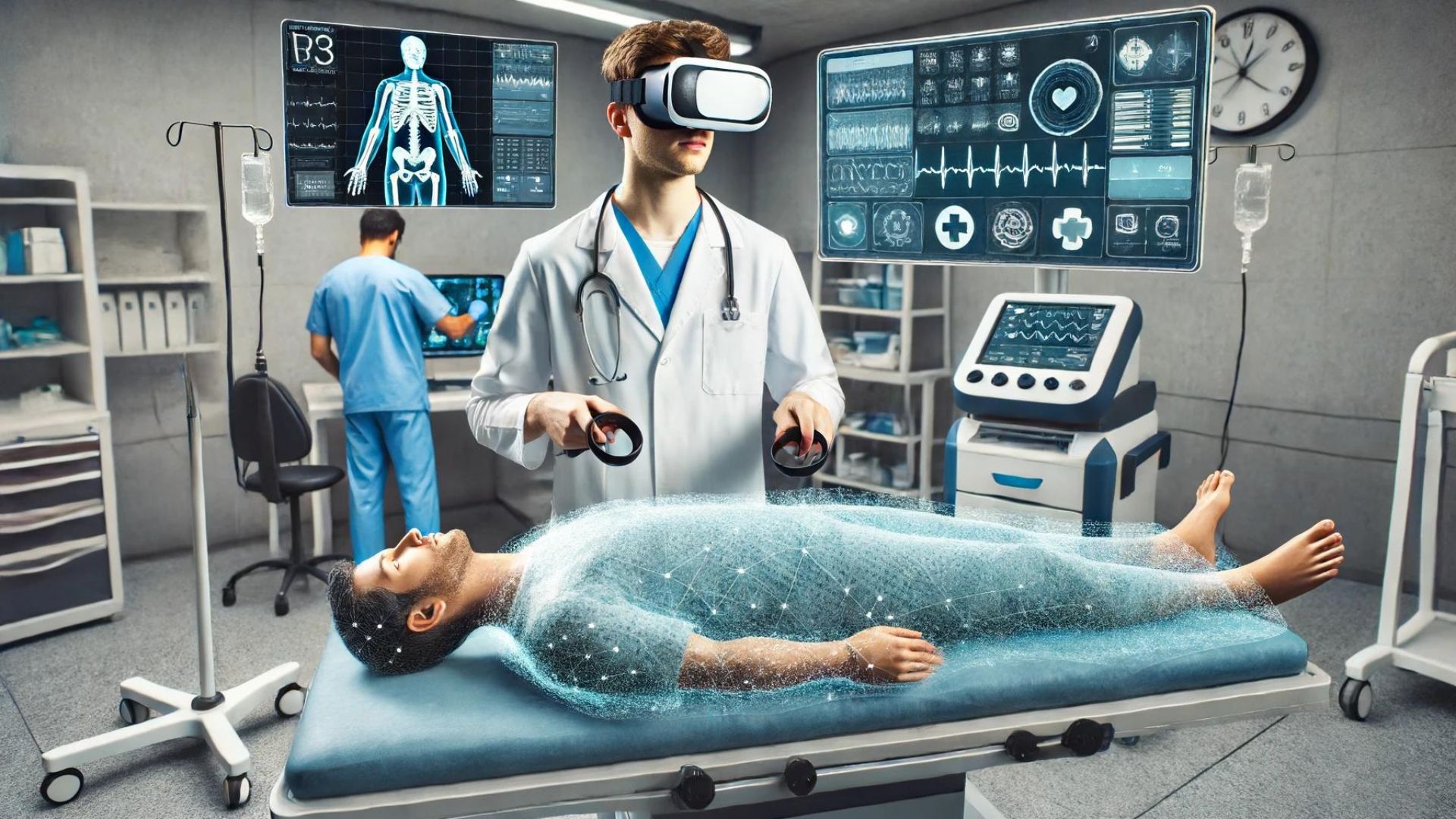
In the field of medicine, the stakes are exceptionally high. The cost of errors can be significant, not just financially but in terms of human lives. VR offers a unique solution by providing medical students and professionals with a platform where they can simulate surgeries and other medical procedures as many times as needed. This allows learners to practice and perfect their techniques without the real-life consequences of practicing on live patients.
For instance, VR simulations can mimic a variety of surgical scenarios—from routine procedures to rare and complex operations—offering a wide spectrum of training opportunities. These simulations are designed to be highly realistic, incorporating various medical tools and anatomical details, which help students gain a comprehensive understanding of human anatomy and surgical techniques. Moreover, VR enables trainers to manipulate scenarios to include complications and emergencies, forcing learners to think critically and make quick decisions, thereby enhancing their problem-solving skills.
Transforming Engineering Education
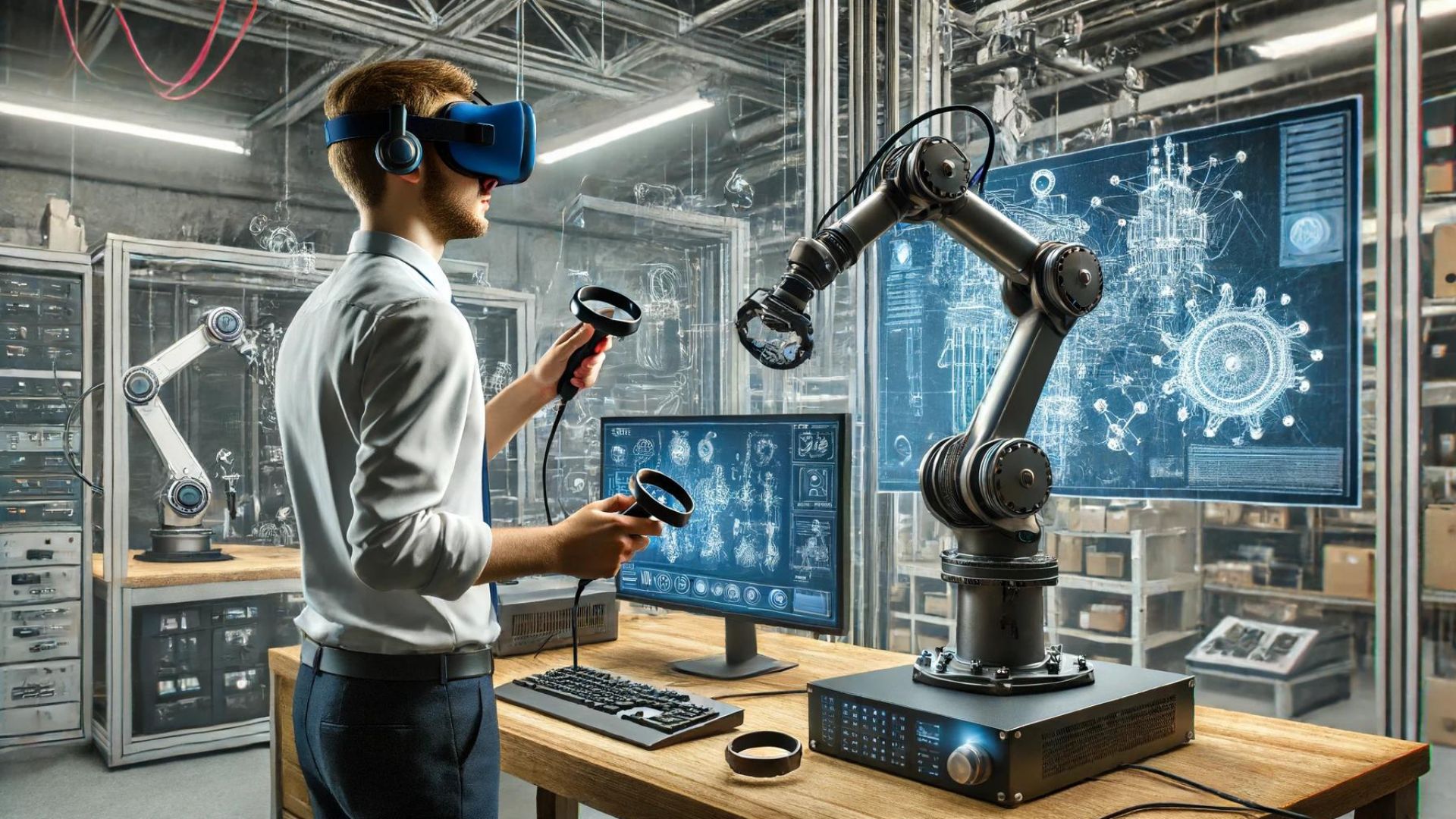
Engineering education greatly benefits from VR technology as well. Traditional engineering training often relies heavily on theoretical models and occasionally on physical prototypes, which can be expensive and time-consuming to build. VR changes this by allowing students to create, manipulate, dismantle, and analyze complex machinery and systems within a virtual environment. This not only saves on material costs and time but also gives students the freedom to explore and experiment in ways that would not be possible in the real world.
For example, engineering students can work on a virtual car engine or an aircraft system to understand the intricacies of its operation and maintenance. They can experiment with different materials and designs, assess their impacts, and learn from their failures without the risk of causing damage. This type of hands-on learning is invaluable as it builds confidence and deepens understanding of engineering principles.
Broadening Horizons in Other Disciplines
The implications of VR for skill development extend beyond just medical and engineering fields. In vocational training, students can learn carpentry, plumbing, or electrical work through detailed, step-by-step VR tutorials. In the arts, students can sculpt, paint, or perform in virtual studios and stages, providing access to materials and experiences that might be otherwise unavailable.
Soft Skills Development
Beyond technical skills, VR also plays a crucial role in developing soft skills such as communication, collaboration, and leadership. In a virtual environment, students can engage in role-playing scenarios that require them to work as a team, lead a group, or manage conflict. These experiences are particularly beneficial as they simulate real-life interactions and provide a safe space for students to explore and refine their interpersonal skills.
Catering to Diverse Learning Styles
One of the cornerstone principles of modern educational theory is that students have distinct learning styles—primarily visual, auditory, and kinesthetic. Traditional teaching methods often struggle to accommodate all these styles simultaneously, which can hinder student engagement and learning outcomes. Virtual Reality (VR) addresses this challenge head-on by providing a flexible and multifaceted platform that adapts to individual learning preferences, thereby transforming the educational experience into a more inclusive and effective one.
Visual Learning in VR
Visual learners absorb information best when it is presented in a form they can see. In a VR environment, these learners benefit immensely from the rich, graphical representations that make abstract concepts tangible. For instance, in a VR science class, instead of reading about molecular structures, visual learners can explore three-dimensional models of molecules, manipulating them to see how they interact. This not only makes learning more intuitive for visual learners but also enhances their ability to retain and recall information because they have 'seen' the concept in action.
VR can incorporate data visualization and infographics in an interactive format, allowing visual learners to engage with statistical information or historical timelines in a dynamic and visually appealing way. This engagement not only caters to their learning style but also enriches their understanding by providing a more holistic view of the content.
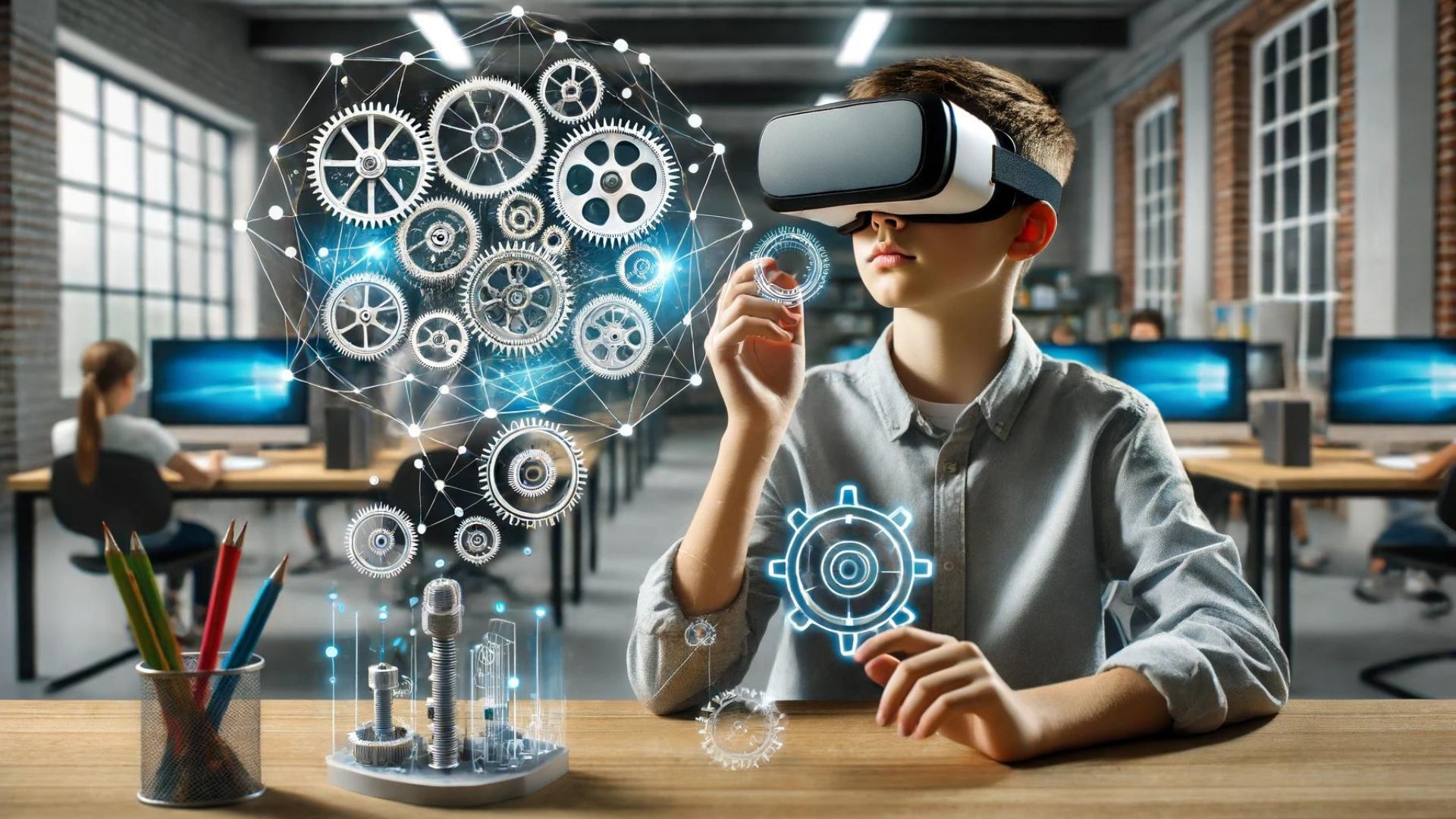
Harnessing the power of virtual reality for visual learning.
Auditory Learning in VR
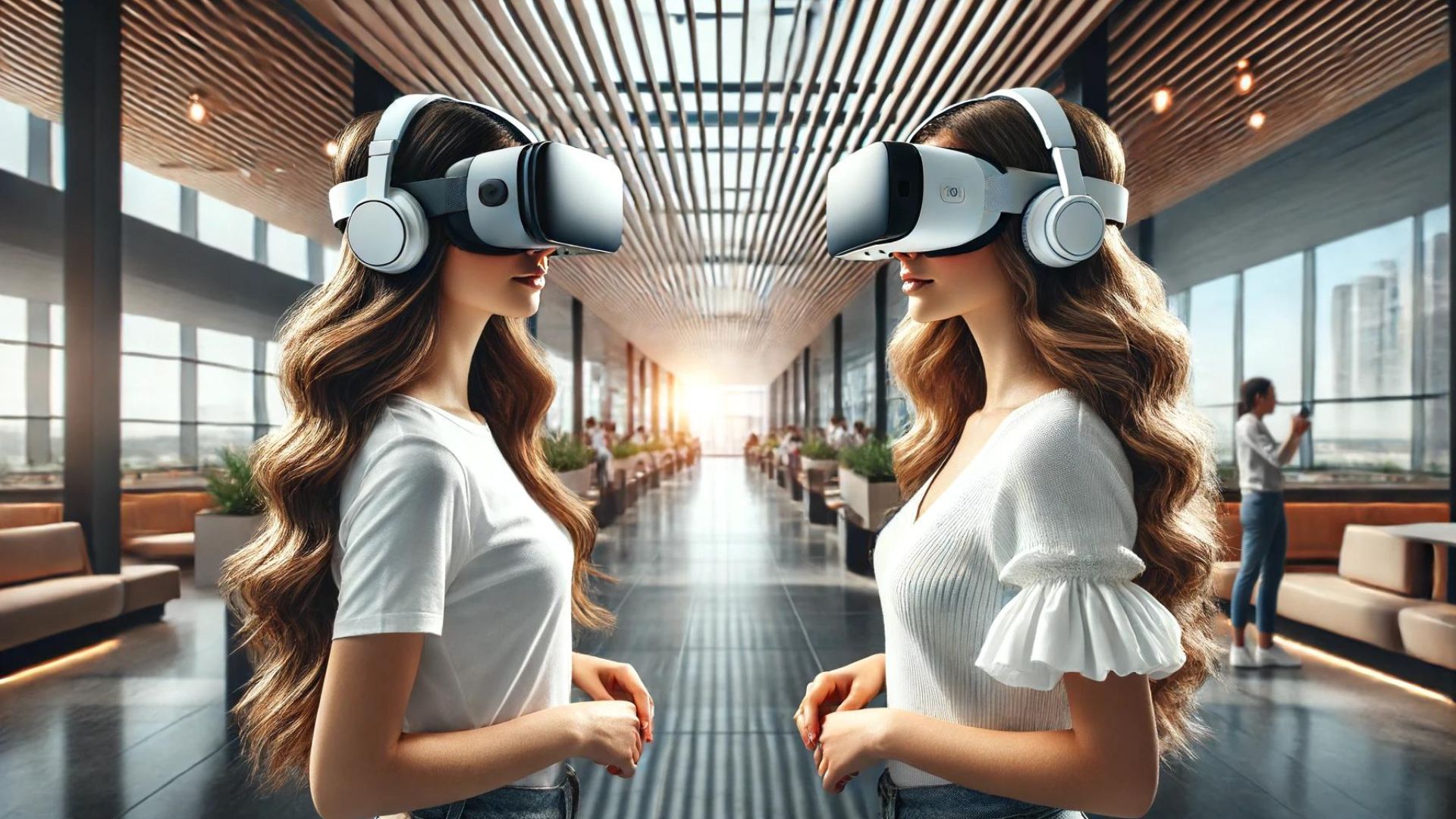
Auditory learners, who learn best through listening, can leverage the audio capabilities of VR to enhance their educational experience. VR environments can include narrations, music, and other sounds that help embed knowledge. For example, a language learning VR application can immerse students in the spoken language through conversations with virtual characters, enhancing language acquisition through listening and speaking practices.
VR also allows for the simulation of real-world environments where sounds play a crucial role. Auditory learners can benefit from simulations where they must listen to directions, follow auditory cues, or engage in tasks that require careful listening, such as identifying the sounds of different wildlife species in a virtual forest.
Kinesthetic Learning in VR
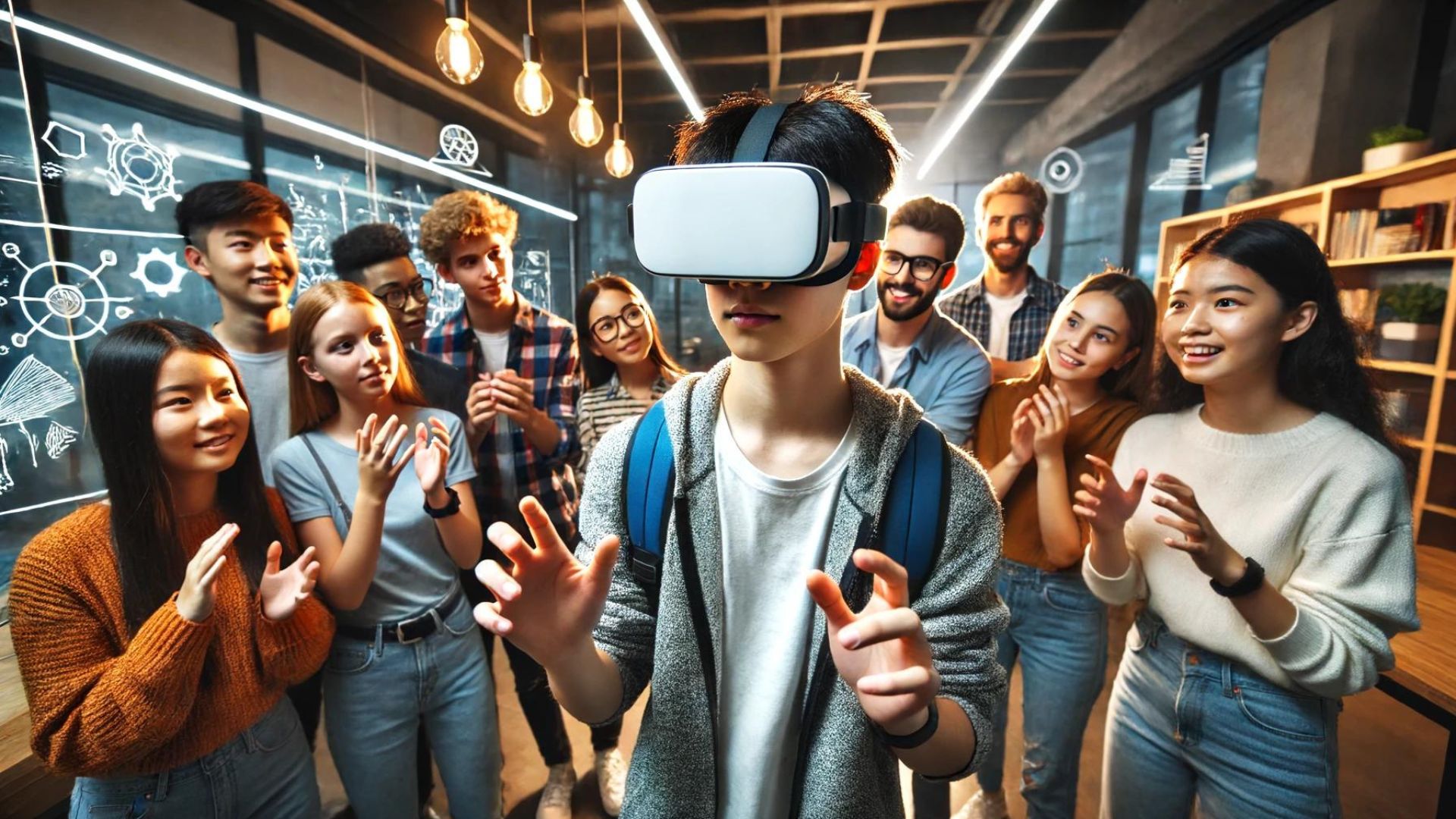
Kinesthetic learners thrive on movement and doing. VR is uniquely suited to this learning style because it allows students to interact physically with their learning environment. Through the use of motion tracking and handheld controllers, VR enables these learners to perform tasks, conduct experiments, and manipulate objects within the virtual space.
For example, in a VR physics module, kinesthetic learners can construct virtual machines or engage in physics experiments that require them to move objects to understand concepts like velocity and gravity firsthand. This active participation helps kinesthetic learners process information more effectively because it involves physical engagement that supports their natural learning preferences.
The Inclusive Potential of VR
The inclusive nature of VR makes it a powerful tool for educational equity. It allows educators to design lessons that can adapt to different learning styles within the same classroom without requiring separate lesson plans. This capability not only makes learning more accessible but also more personalized, as students can navigate the VR environment in ways that best suit their individual learning needs.
Preparing for a Digital Future
As digital technology continues to evolve, proficiency in digital tools and environments will become crucial. VR not only familiarizes students with cutting-edge technology but also prepares them for future careers where digital literacy will likely be a prerequisite. The ability to navigate and manipulate virtual environments could become as important as the skills traditionally taught in schools today.
Virtual Reality in education offers a promising glimpse into the future of learning, where classrooms transcend physical and conceptual boundaries to offer immersive, engaging, and personalized educational experiences. As this technology becomes more accessible, it has the potential to revolutionize education by making learning a multi-dimensional, interactive adventure. Educators and institutions adopting VR are not just using a new tool; they are opening doors to limitless possibilities where students can explore, experience, and excel in ways never before possible.
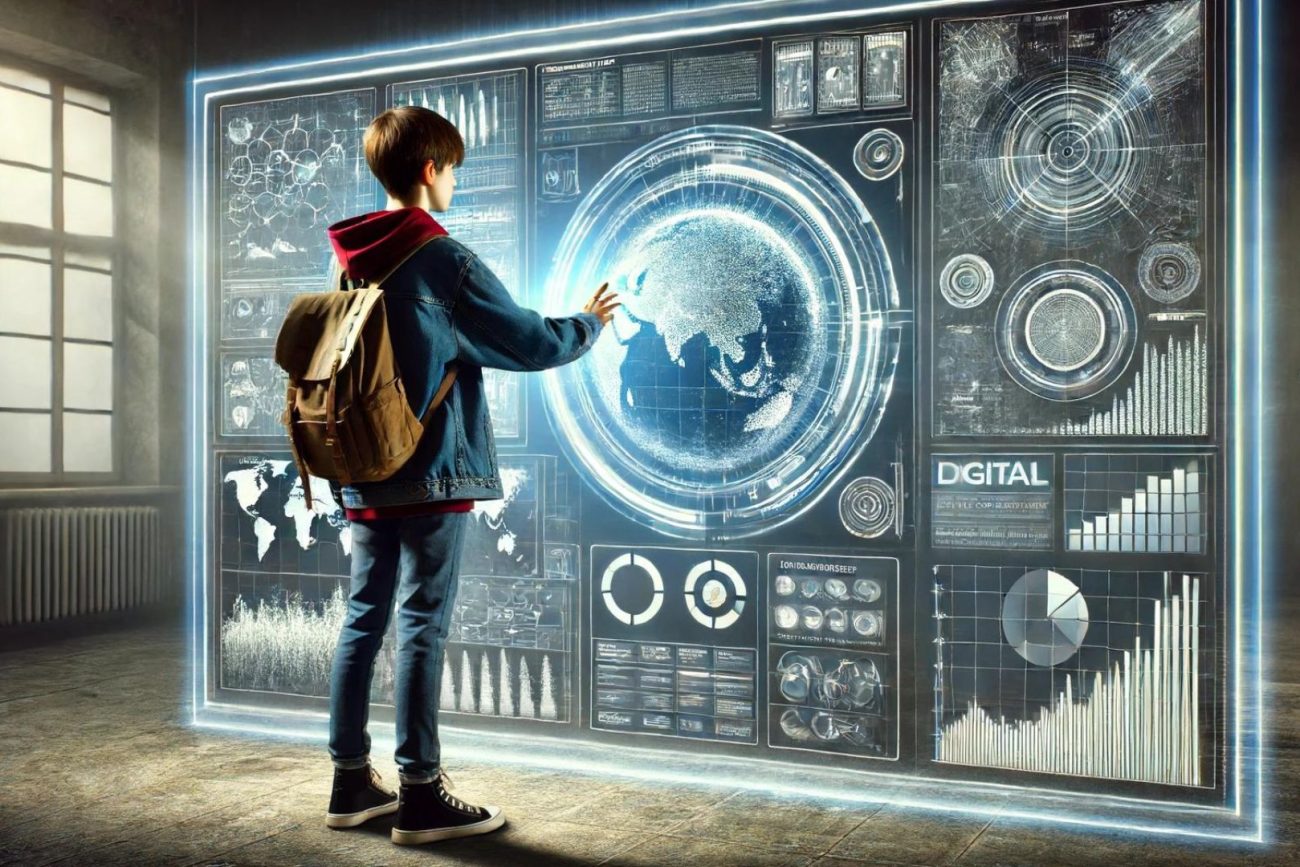
Preparing for the digital world:
Author: Elisha Roodt
Durban's leading intelligence hub on immersive technology. Delivering comprehensive coverage, expert analysis, and breakthrough news on Virtual Reality (VR), Augmented Reality (AR), and the Metaverse.