
Virtual Reality a Gateway To The Future
Many people are still afraid of virtual reality. Here is why they shouldn't be.
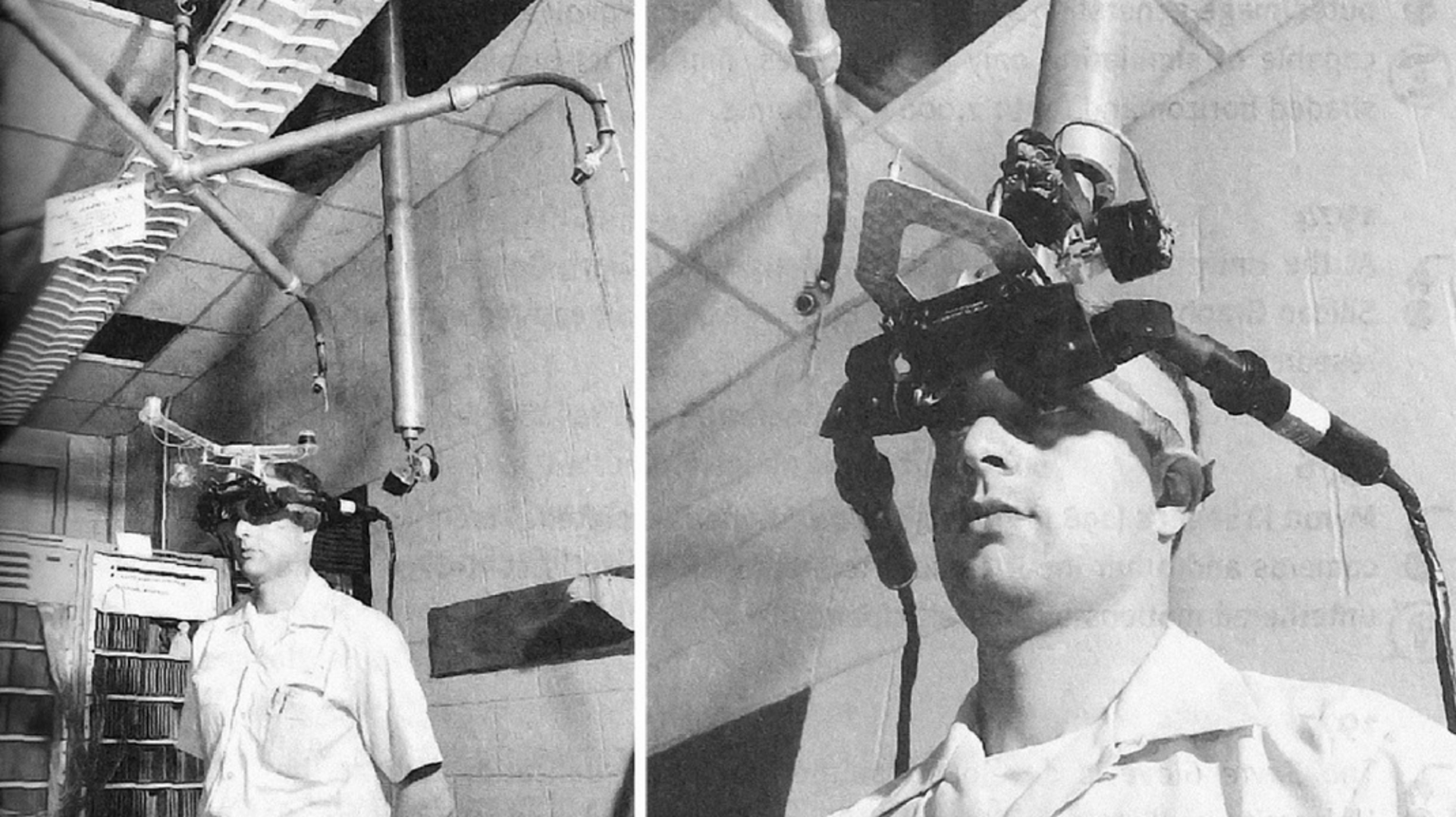
Virtual Reality is the next step in the world of interactive electronics. Even though the first virtual reality device, nicknamed The Sword Of Damocles, was already created by Ivan Sutherland in the late 1960s, it has only recently become a more popular concept within our society, and therefore there are still a lot of people that do not fully understand this revolutionary field of technology.
Virtual reality is a simulated experience in which the user can observe or interact with a digitally generated world. This is done with the help of a virtual reality headset, a device that is worn like a pair of goggles on or around the user’s head. With special lenses and motion sensors, it can potentially seem as if you are looking at a world that is entirely different from your own. And with the help of additional equipment such as remote controllers and motion trackers making this simulated world even more immersive and interactive, the world of virtual reality might one day be completely indistinguishable from our own world.
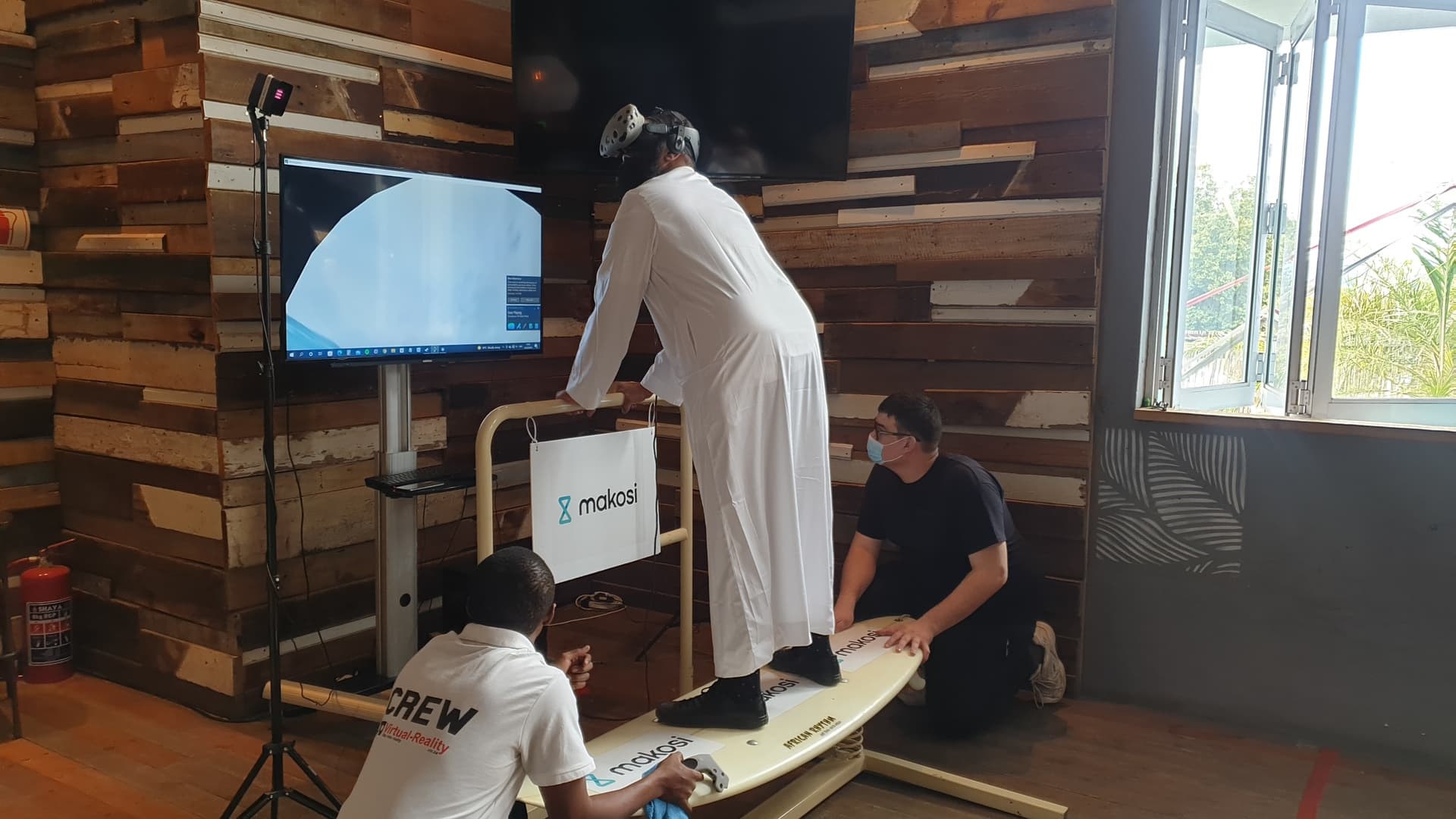
A lot of different industries have started implementing VR in their operations, especially the gaming industry, which has already been utilising VR technology for several years.
At Virtual Reality South Africa, we specialise in realising all of these solutions with the power of VR. We create and develop virtual reality experiences and solutions depending on the needs of our clients, whether it is creating a virtual tour, an educational experience or even an interactive marketing experience. We also specialise in bringing the power of virtual reality to you with our virtual reality activations.
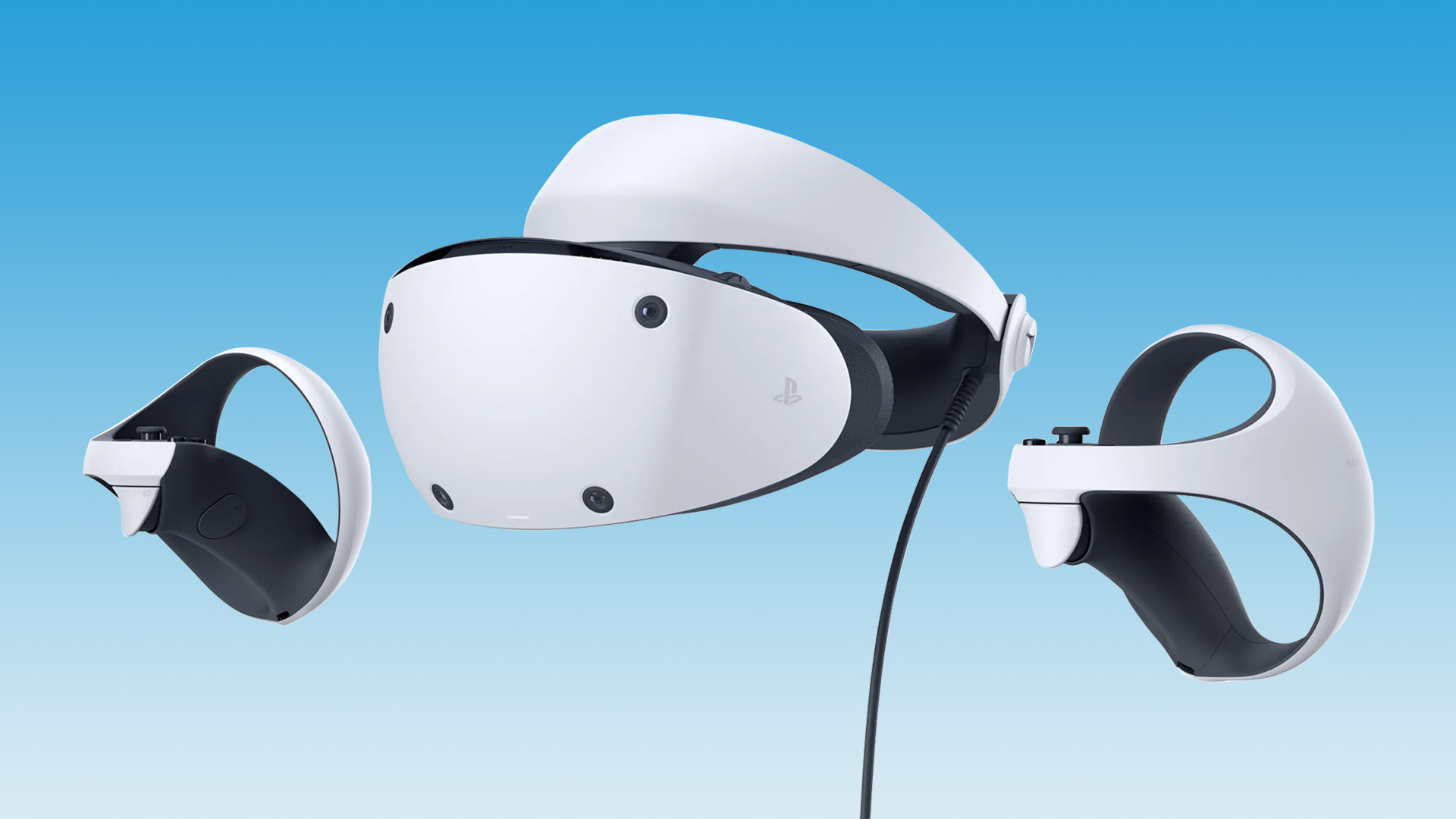
Across the world, new innovations and developments in VR are being made at an alarming rate. Sony has recently revealed the Playstation VR2, a Virtual Reality headset that will be vastly superior to the original Playstation VR headset that was released in 2016. This new headset will be capable of displaying high resolution images and will have controllers that use vibrating motors, adaptive triggers and touch sensitive sensors to allow the user to realistically respond and react to the environment around them. The headset itself will also be equipped with vibrating functionality to further immerse the user in the world that they are experiencing.
Sony has also invested $250 million in Epic Games, the owners of Fortnite and the Unreal Game Engine, with the goal of creating gaming, film and music experiences in the Metaverse. What Epic will do with the total of $2 billion they have accumulated with the purpose of funding their venture into the Metaverse remains to be seen.
The metaverse is a vast network of interconnected virtual worlds where users can interact with one another, attend social gatherings, business meetings or even live concerts. Many companies are investing in the rapidly expanding Metaverse, which primarily uses NFTs as its main currency. NFTs are unique pieces of art or music that exist within the Metaverse, and can be bought, sold or traded just like items in the real world.
Aside from gaming and social media, VR can be used in a vast variety of practical ways, such as education, training, tourism, marketing and much more.
A good education is not always accessible to everyone, but with the help of VR, students hailing from different parts of the world, from all sorts of financial backgrounds, can participate in live interactive lessons from some of the brightest minds in the world. They are also capable of participating in a vast variety of educational experiences, such as visiting the Jurrassic period, climbing Mount Everest or experimenting with chemicals that might have been potentially dangerous to work with in the real world.
Even students training to work in the field of medicine can greatly benefit from virtual reality. Medical training has become easier, safer and more accessible with the help of VR applications that are custom built to suit the specific types of training programs, ranging from physiology to neurosurgery.
In recent years, the tourism industry has greatly suffered due to all of the recent lockdowns and restrictions caused by covid-19. However, virtual tourism is steadily on the rise. Without leaving the comfort of your home, you can go on a safari in Kruger national park, climb Mount Everest, or even visit the busy streets of Tokyo, Japan. All without any sort of risk to you or your family.
It would seem that virtual reality is becoming more and more essential in nearly every aspect of our society. But technology is always evolving and progressing, and virtual reality is simply the next step in this evolution.
Author: Gerald Ferreira
Durban's leading intelligence hub on immersive technology. Delivering comprehensive coverage, expert analysis, and breakthrough news on Virtual Reality (VR), Augmented Reality (AR), and the Metaverse.