
The Intersection of AI and VR Where Future Begins
The last few decades have witnessed an unprecedented acceleration in technological advancements, with Artificial Intelligence (AI) and Virtual...
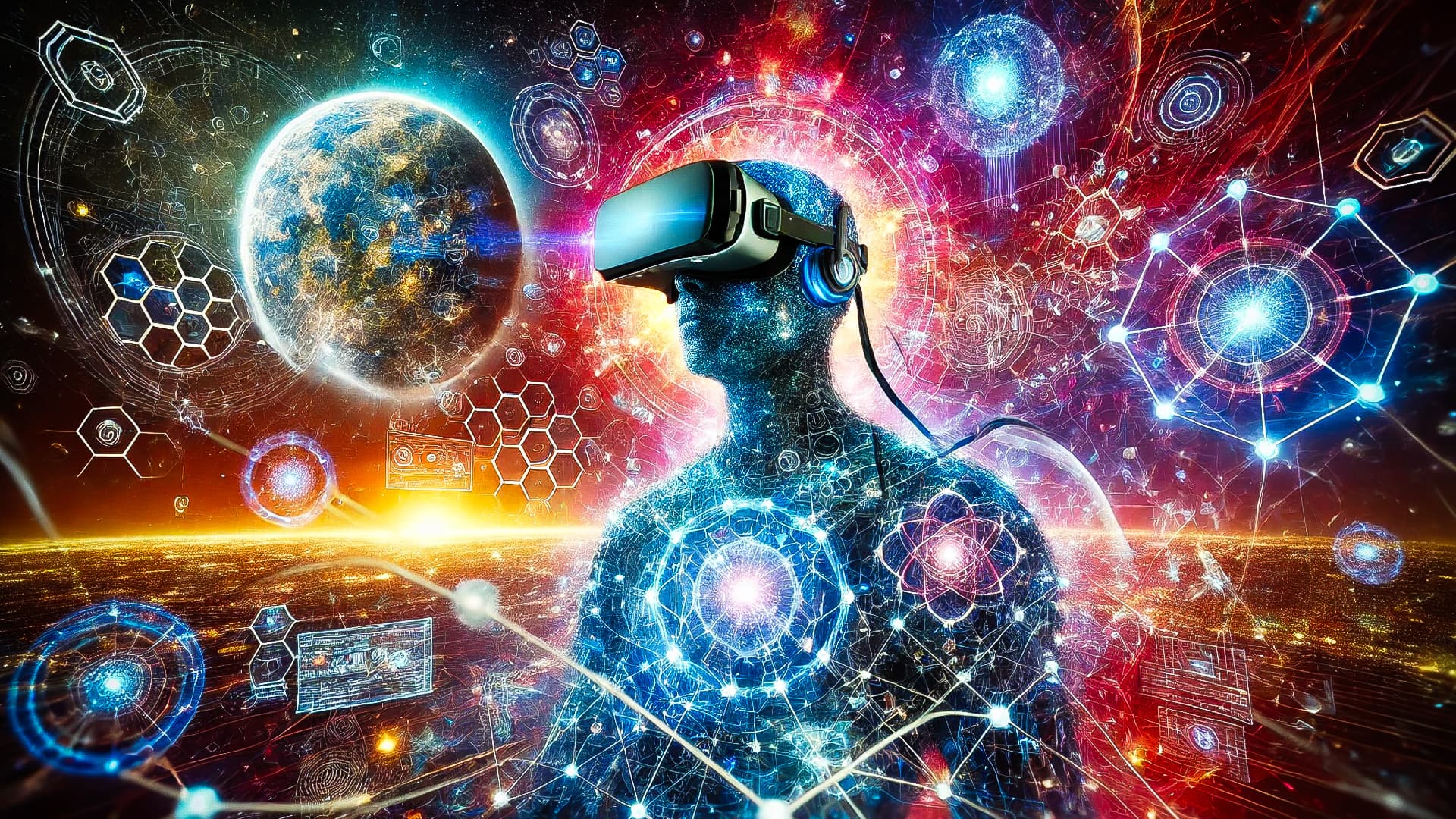
The last few decades have witnessed an unprecedented acceleration in technological advancements, with Artificial Intelligence (AI) and Virtual Reality (VR) standing at the forefront of this digital revolution. What once belonged to the realm of science fiction has gradually seeped into our everyday lives, transforming the way we interact with the world and each other. AI, with its capacity to mimic human intelligence and automate tasks, and VR, with its power to create immersive, three-dimensional environments, have individually revolutionized industries. However, their convergence marks a profound turning point—a synergy that promises to reshape not only digital experiences but also the fabric of reality itself.
The Convergence of AI and VR: A Game-Changer in Immersive Experiences
The fusion of AI and VR is more than just a technological pairing; it’s an evolution that redefines immersion. When AI's analytical and predictive capabilities merge with VR’s sensory immersion, the result is a digital experience that feels not just interactive but intuitively responsive. This convergence has birthed environments where virtual characters can think, adapt, and interact in ways that mirror human behavior, creating experiences that are not just seen but felt. As AI continues to learn and evolve, VR experiences become richer, more nuanced, and increasingly indistinguishable from the real world.
Early Beginnings: The Dawn of AI in Virtual Reality
The First Integrations: Where AI Met VR
The earliest attempts to integrate AI into VR were modest, yet groundbreaking. In the 1990s, the first rudimentary AI systems were introduced into virtual environments, primarily in the form of basic non-player characters (NPCs) that followed simple, pre-programmed scripts. These early NPCs lacked the sophistication of today’s AI-driven entities but represented a significant step forward in the creation of interactive virtual worlds. The initial integrations focused on enhancing the realism of VR environments, making them more than just static spaces by adding elements of interactivity that responded to the user's actions, however limitedly.
Limitations and Challenges of Early AI in VR
Despite the enthusiasm surrounding these early integrations, there were significant limitations. The AI of the time was constrained by the available computational power and the nascent state of machine learning algorithms. NPCs, while interactive, were predictable and repetitive, unable to provide the depth of interaction that truly immersive experiences demanded. Additionally, the hardware required to run both AI and VR simultaneously was prohibitively expensive, restricting these early innovations to research labs and niche markets. The challenge was not just in developing sophisticated AI, but in optimizing it for use in the resource-intensive VR environments.
Pioneering Examples: The Foundations of AI-Driven VR
Pioneers in the field laid the groundwork for what would become a booming industry. Early examples include the work of companies like Sega and Nintendo, which experimented with basic AI in their VR platforms, and academic projects that sought to push the boundaries of what was possible. One such example is the MIT Media Lab’s “Just-In-Time Learning” project, which used AI to adapt virtual educational environments in real-time, responding to the user’s learning progress. These early experiments, while primitive by today’s standards, were crucial in demonstrating the potential of AI-driven VR, paving the way for future advancements.
Enhancing Immersive Experiences: AI’s Role in VR Development
Intelligent NPCs: Bringing Virtual Characters to Life
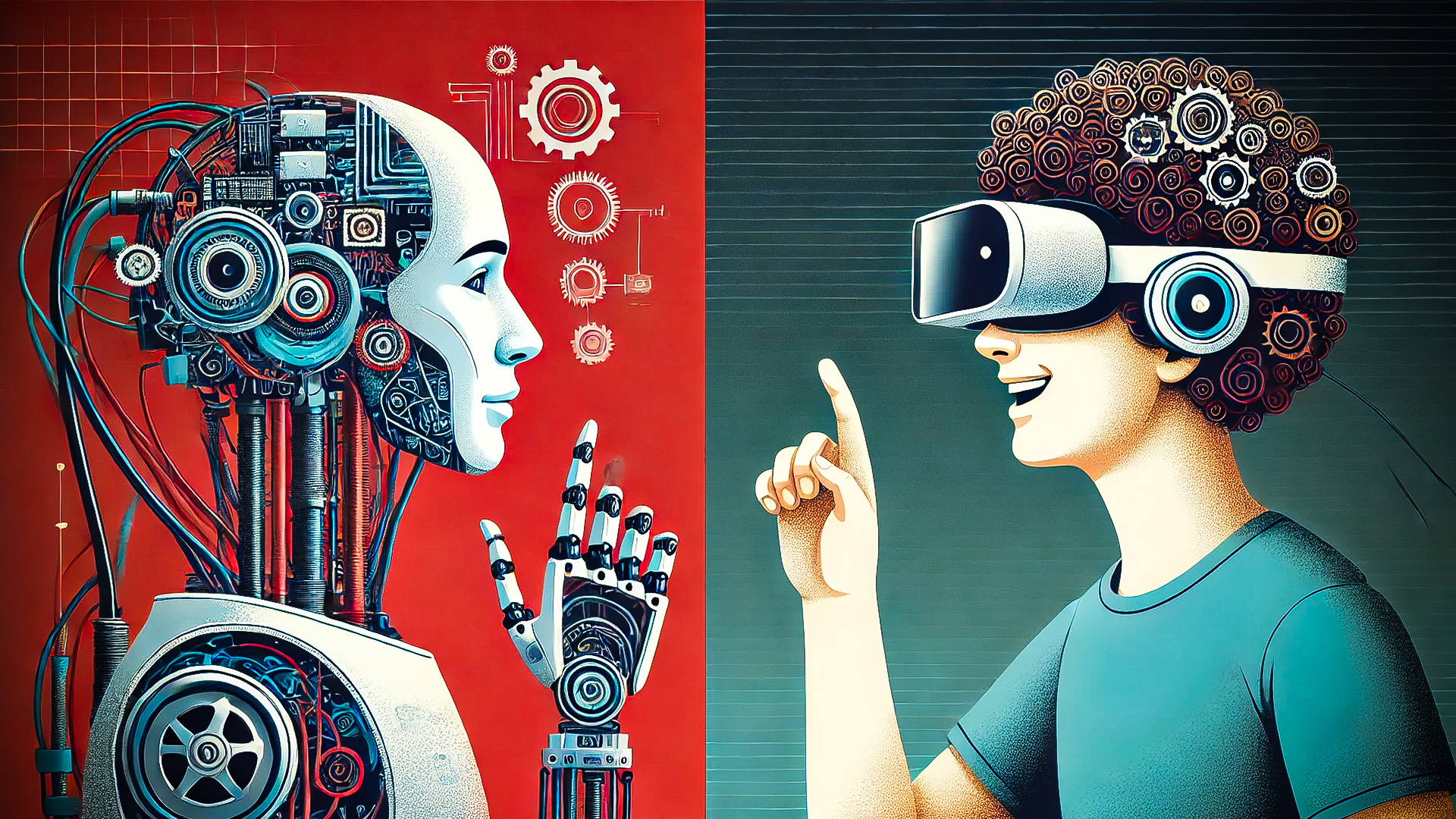
As AI technology advanced, so too did the complexity of virtual characters within VR environments. Today, intelligent NPCs can process vast amounts of data, making decisions in real-time that create more lifelike and unpredictable interactions. These NPCs are no longer bound by rigid programming; instead, they learn and adapt, responding to user behaviors in ways that can surprise and challenge even the most experienced players. By mimicking human thought processes, these AI-driven characters can exhibit a wide range of emotions and behaviors, making the virtual world feel as vibrant and dynamic as the real one.
Dynamic Storytelling: How AI Shapes Interactive Narratives
One of the most profound impacts of AI on VR has been in the realm of storytelling. AI has the ability to craft narratives that are not just linear but responsive, evolving based on the user's decisions and interactions. This dynamic storytelling creates a personalized narrative experience, where the story can change course in real-time, leading to multiple potential outcomes. In gaming and virtual simulations, this has revolutionized how stories are told, turning users from passive observers into active participants in a living, breathing world. Each decision they make can alter the narrative, ensuring that no two experiences are exactly alike.
Adaptive Environments: AI’s Influence on Real-Time World Building
AI has also transformed how virtual environments are constructed and experienced. With adaptive AI, virtual worlds can now evolve in real-time, reacting to the user’s actions and preferences. For example, in a VR simulation, the environment might change its layout, weather, or even the presence of certain characters based on how the user interacts with it. This creates a more personalized and engaging experience, as the virtual world seems to respond and adapt, much like the natural world. The ability to build and alter environments on the fly also opens up new possibilities for creative expression and exploration within VR spaces.
AI in VR Gaming: Revolutionizing Player Interaction
Smarter Enemies, Smarter Challenges: AI’s Impact on Game Design
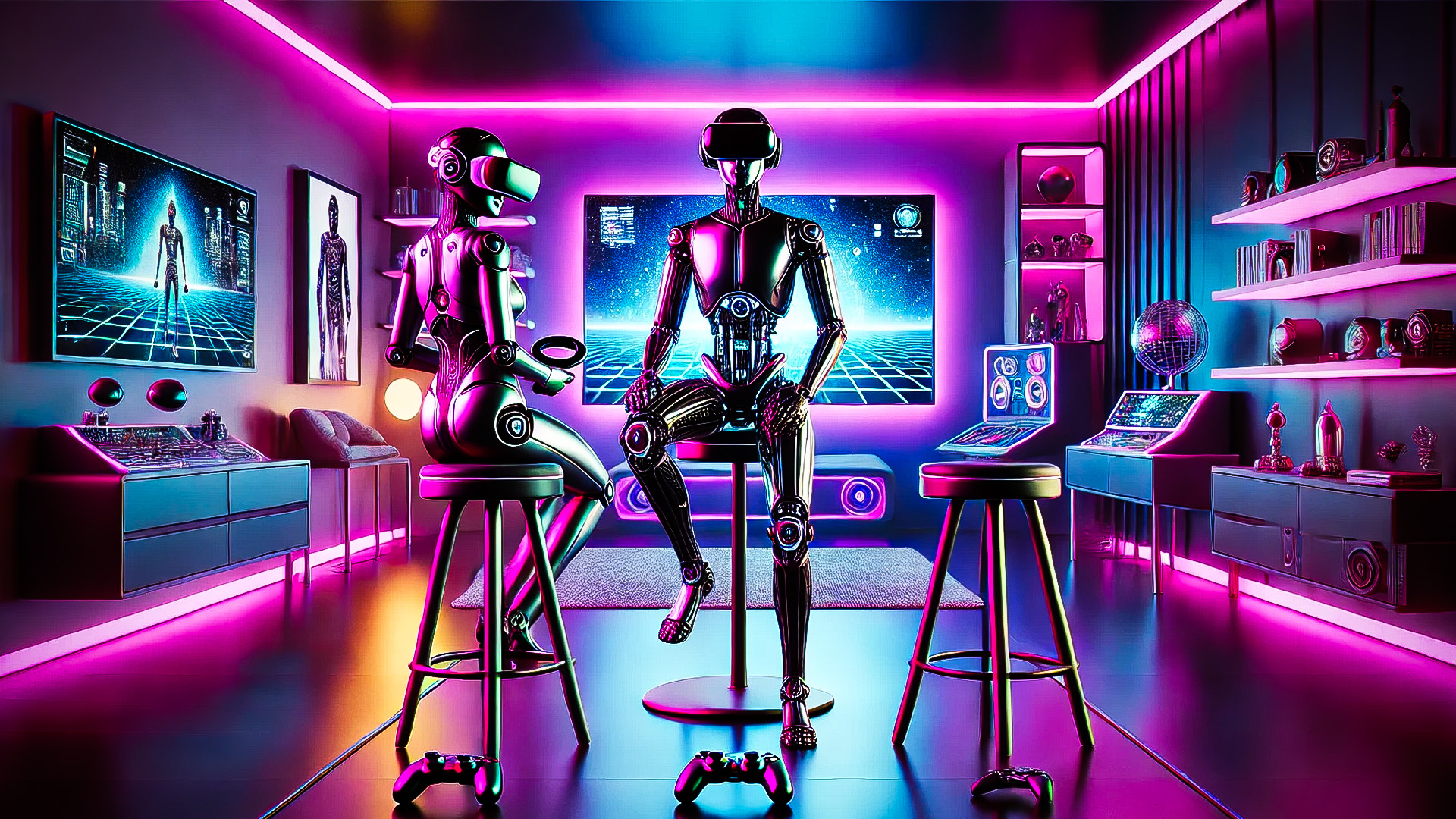
In the realm of gaming, AI has redefined the concept of challenge. Smarter AI means that enemies in VR games can think strategically, adapting to the player’s tactics in real-time. This results in gameplay that is more dynamic and less predictable, offering a level of challenge that requires players to think on their feet and constantly adjust their strategies. AI can analyze a player’s actions, learn from them, and deploy countermeasures that keep the gameplay fresh and engaging. This leap in game design has transformed the VR gaming experience, making it more intense, rewarding, and immersive.
Personalized Gaming Experiences: AI-Powered Customization
AI’s ability to learn from user behavior has also led to highly personalized gaming experiences. By analyzing data from a player’s interactions, AI can tailor the game environment, difficulty level, and even storyline to suit individual preferences. This personalization extends to everything from the way NPCs interact with the player to the types of challenges they face, creating a gaming experience that feels uniquely crafted for each user. The result is a level of engagement that keeps players coming back, as the game continually evolves to meet their preferences and play style.
Predictive Learning: How AI Anticipates and Adapts to Player Behavior
Perhaps one of the most exciting developments in AI-driven VR gaming is predictive learning. AI can anticipate a player’s next move based on their past behavior, creating a game that feels almost prescient in its responses. This not only enhances the challenge but also makes the virtual world feel more alive, as it seems to react to the player’s intentions. Predictive learning allows AI to provide subtle guidance, nudging players toward certain decisions without overtly controlling their actions, thus maintaining the illusion of free will within the game.
Training and Simulations: AI and VR in Professional Settings
Real-World Applications: AI-Enhanced VR for Training
Outside of entertainment, the combination of AI and VR has found a powerful application in professional training and simulations. From military exercises to medical procedures, AI-enhanced VR provides a safe, controlled environment where professionals can hone their skills without the risks associated with real-world practice. AI can simulate a wide range of scenarios, each with varying degrees of difficulty, allowing trainees to experience and react to different situations. This kind of immersive, hands-on learning is invaluable in fields where real-world mistakes can have serious consequences.
From Pilots to Surgeons: AI-Driven Precision in Simulations
In fields that require extreme precision, such as aviation and surgery, AI-driven VR simulations have become indispensable. For pilots, AI can simulate complex flight scenarios, including emergency situations, allowing them to practice responses in a realistic, risk-free environment. Surgeons can use AI-driven VR to simulate intricate procedures, providing a level of practice that would be impossible to achieve through traditional methods alone. These simulations are not just about repetition; they are about developing the intuitive decision-making skills that professionals need to succeed in high-stakes environments.
The Future of Workforce Training: AI and VR in Industry
As industries continue to evolve, so too does the need for advanced training methods. AI and VR are poised to play a critical role in the future of workforce training, offering personalized learning experiences that can be adapted to any industry. Whether it’s teaching new employees how to operate complex machinery or training executives in crisis management, AI-driven VR offers a flexible, scalable solution that can be tailored to the specific needs of any organization. The ability to simulate real-world scenarios in a controlled environment will not only improve training outcomes but also enhance overall safety and efficiency in the workplace.

AI-Driven Analytics in VR: Understanding User Behavior
Data Collection in Virtual Worlds: How AI Gathers Insights
One of the most valuable aspects of AI in VR is its ability to collect and analyze data in real-time. As users interact with virtual environments, AI can track their behavior, preferences, and even emotional responses, gathering insights that can be used to improve the experience. This data is invaluable for developers, who can use it to fine-tune their VR environments, making them more engaging and intuitive. Additionally, this data collection allows for a deeper understanding of how people interact with virtual worlds, providing insights that can be applied to everything from marketing to user interface design.
Personalization at Scale: Using AI to Tailor VR Experiences
The data collected by AI doesn’t just benefit developers; it also enhances the user experience by allowing for personalization at scale. By analyzing individual user data, AI can customize the VR experience to meet the specific needs and preferences of each user. This could mean adjusting the difficulty level of a game, altering the layout of a virtual environment, or even changing the way NPCs interact with the user.
The result is a more engaging and satisfying experience, as users feel that the virtual world is tailored specifically to them.
Ethical Considerations: The Balance Between Innovation and Privacy
While the ability of AI to collect and analyze data in VR offers many benefits, it also raises important ethical considerations. The vast amount of data generated by users in virtual environments can be used to create incredibly detailed profiles, leading to concerns about privacy and data security. It’s essential to strike a balance between innovation and the protection of user rights. Developers and companies must ensure that data is collected and used responsibly, with clear guidelines on privacy and transparency. As AI continues to advance, the ethical landscape of AI-driven VR will become increasingly complex, requiring ongoing vigilance and regulation.

The Role of AI in Social VR: Building Virtual Communities
AI Moderation: Ensuring Safe and Inclusive Virtual Spaces
In social VR environments, where users interact with each other in real-time, AI plays a crucial role in maintaining safe and inclusive spaces. AI-driven moderation tools can monitor conversations, detect harmful behavior, and intervene when necessary, ensuring that virtual communities remain welcoming and respectful. This automated moderation is essential in large-scale VR environments, where human moderators alone would be insufficient to manage the sheer volume of interactions. By leveraging AI, developers can create social VR spaces that are not only engaging but also safe for all users.
Virtual Companions: AI as Social Facilitators in VR
Beyond moderation, AI can also enhance social interactions in VR by acting as virtual companions. These AI-driven entities can serve as guides, helpers, or even friends, providing users with support and companionship in virtual spaces. Virtual companions can assist users in navigating complex VR environments, offer suggestions for activities, or simply provide conversation. By mimicking human social behaviors, these AI-driven companions can make the virtual world feel less isolating, especially for new users or those who may be hesitant to interact with others.
Collaborative Experiences: AI’s Role in Enhancing Group Interactions
AI also plays a significant role in facilitating collaborative experiences in social VR. By analyzing group dynamics, AI can suggest activities, mediate conflicts, and even adjust the environment to enhance group interactions. Whether it’s a virtual meeting, a group game, or a collaborative project, AI can ensure that the experience is smooth, productive, and enjoyable for all participants. This ability to manage and enhance group interactions is particularly valuable in professional settings, where effective collaboration is key to success.
The Future of AI and VR: What’s Next?
Emerging Trends: The Next Frontier for AI and VR
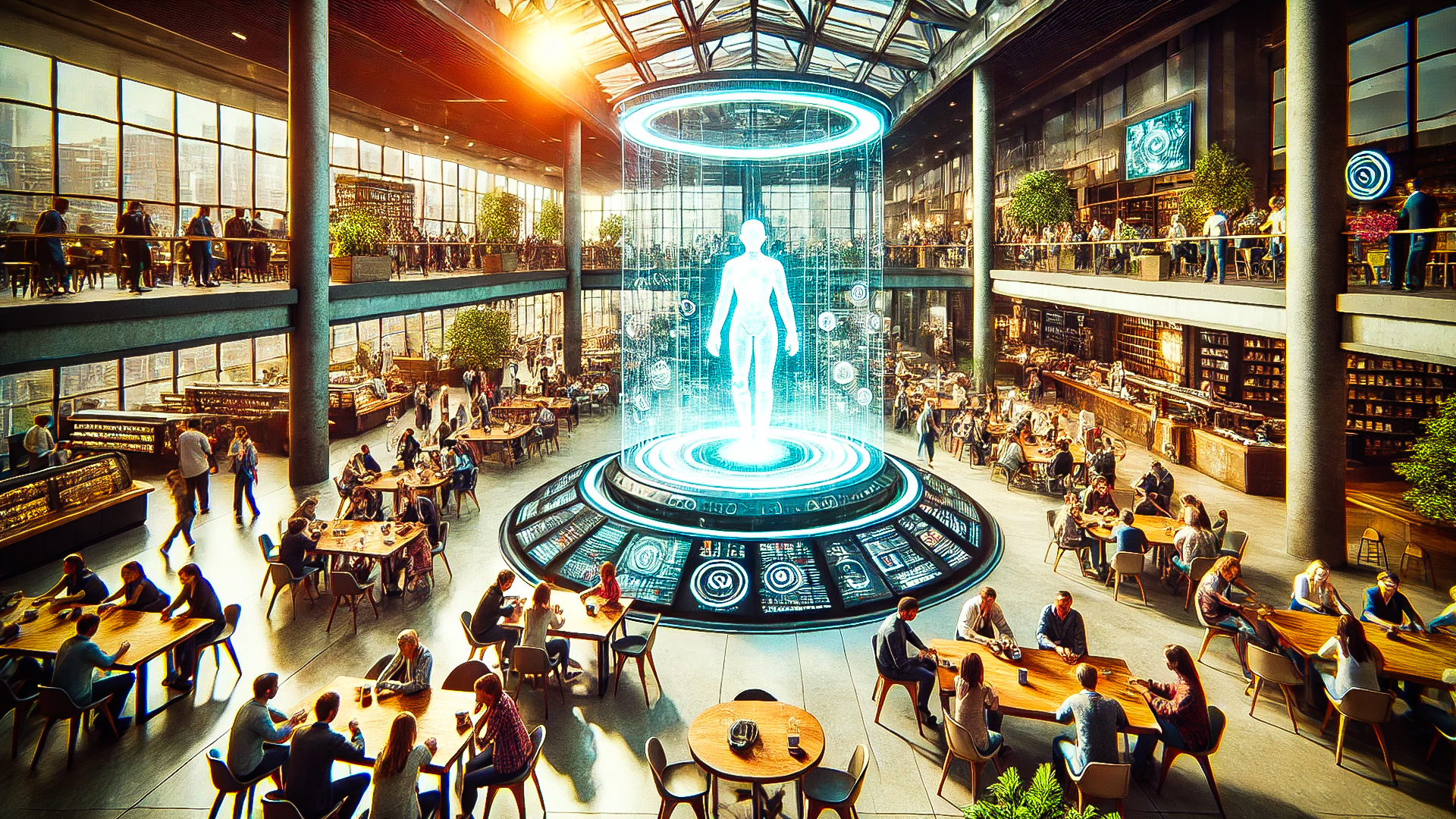
As we look to the future, it’s clear that the intersection of AI and VR will continue to evolve in exciting and unpredictable ways. Emerging trends include the development of even more sophisticated AI systems that can create entirely new virtual worlds on the fly, as well as the integration of AI into more aspects of the VR experience, from content creation to user interface design. Additionally, the advent of 5G and cloud computing will enable more complex AI-driven VR experiences, accessible to users around the world regardless of their hardware capabilities.
Beyond Gaming: AI and VR in Entertainment, Healthcare, and More
While gaming has been a major driver of AI and VR development, the potential applications extend far beyond entertainment. In healthcare, AI-driven VR is being used for everything from surgical training to mental health therapy, providing new tools for diagnosis, treatment, and rehabilitation. In the entertainment industry, AI is enabling the creation of entirely new forms of media, from interactive films to immersive theater experiences. As AI and VR technology continue to advance, we can expect to see these tools applied in increasingly diverse and innovative ways, transforming industries and enhancing lives.
The Ethical Landscape: Navigating the Challenges of AI-Driven VR
As with any powerful technology, the integration of AI and VR raises significant ethical questions. Issues such as data privacy, digital addiction, and the potential for AI-driven manipulation must be carefully considered and addressed. As developers and policymakers navigate this new landscape, it will be essential to establish clear ethical guidelines that protect users while fostering innovation. The challenge will be to ensure that AI-driven VR is used for the benefit of all, rather than to exploit or harm. This will require ongoing dialogue, regulation, and vigilance as the technology continues to evolve.
Reflecting on the Journey: How Far AI and VR Have Come
The journey of AI and VR has been one of rapid evolution, marked by breakthroughs that have expanded our understanding of what is possible in the digital realm. From the early days of basic NPCs to the sophisticated AI-driven environments of today, this journey has been nothing short of transformative. As we reflect on the progress made, it’s clear that we are only just beginning to scratch the surface of what AI and VR can achieve together.
The Ongoing Evolution: What to Expect as AI Continues to Shape VR
As AI technology continues to advance, its impact on VR will only deepen. We can expect to see even more personalized, immersive, and dynamic virtual experiences that push the boundaries of what we currently consider possible. The ongoing evolution of AI and VR will likely lead to new forms of entertainment, education, and professional training, as well as new ways of connecting and interacting with others.
Final Thoughts: The Promise and Potential of AI in the Future of VR
The integration of AI into VR holds immense promise, offering the potential to create virtual experiences that are not only immersive and engaging but also intelligent and responsive. As we look to the future, the possibilities are endless. Whether it’s through enhancing entertainment, revolutionizing professional training, or creating new forms of social interaction, AI-driven VR is poised to play a significant role in shaping the digital landscapes of tomorrow. The challenge will be to harness this potential responsibly, ensuring that the benefits of AI-driven VR are realized while minimizing the risks.
The Future of AI and VR: What’s Next?
Author: Elisha Roodt
Durban's leading intelligence hub on immersive technology. Delivering comprehensive coverage, expert analysis, and breakthrough news on Virtual Reality (VR), Augmented Reality (AR), and the Metaverse.