
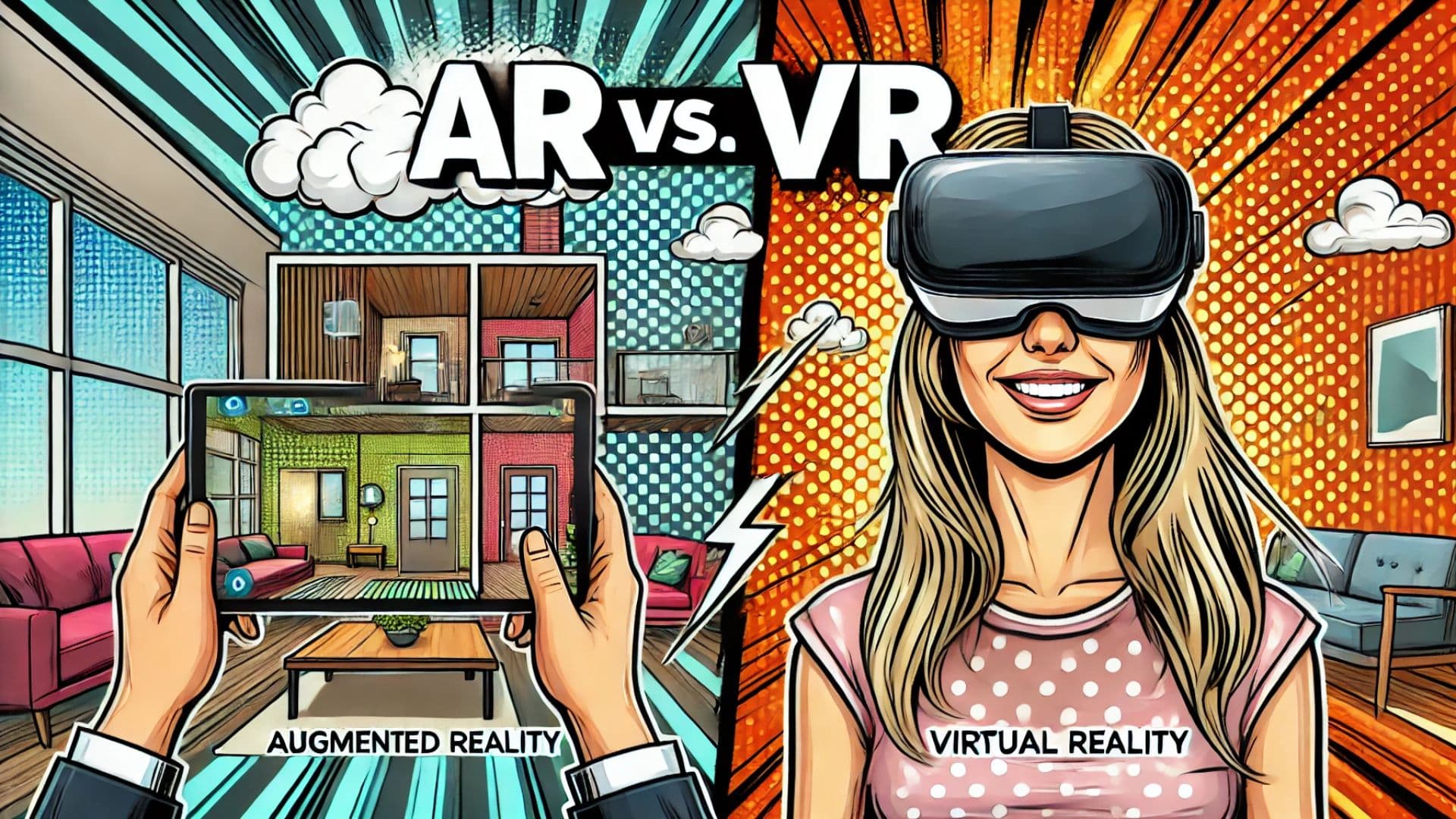
The difference between Virtual Reality and Augmented Reality
In the ever-evolving landscape of technology, Augmented Reality (AR) and Virtual Reality (VR) stand out as two of the most transformative...
In the ever-evolving landscape of technology, Augmented Reality (AR) and Virtual Reality (VR) stand out as two of the most transformative innovations. AR enhances our real world by overlaying digital information, enriching our perception and interaction with our surroundings. VR, on the other hand, creates a completely immersive digital environment, transporting users to a different realm entirely. Both AR and VR have unique applications that span various industries and offer immense potential for future growth. This blog will compare and contrast AR and VR, explore their distinct applications, and discuss their future potential.
Exploring the Basics of Augmented Reality (AR)
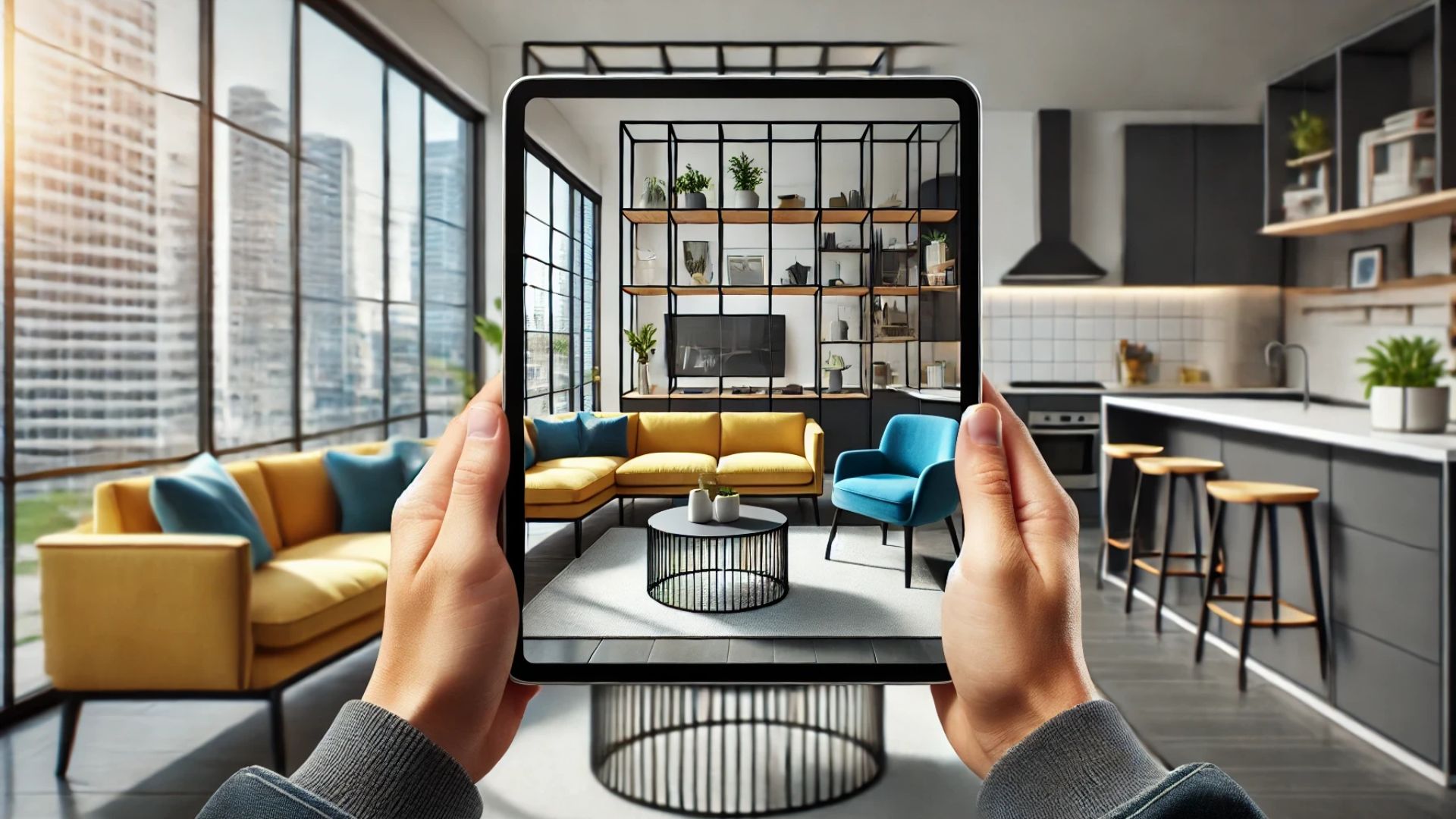
Augmented Reality (AR) is a cutting-edge technology that overlays digital information—such as images, videos, and sounds—onto the real world, thereby enhancing the user's perception of their environment. This integration of digital content with the physical world creates an enriched user experience that seamlessly combines real and virtual elements.
At its core, AR bridges the gap between the digital and physical worlds, enabling users to interact with both simultaneously. This technology enriches the real world by adding layers of contextual information, making everyday experiences more interactive and informative. Whether through a smartphone screen or AR glasses, users can see and interact with digital objects that appear as though they are part of the real world.
How AR Works
Augmented Reality (AR) is a cutting-edge technology that seamlessly overlays digital information—such as images, videos, sounds, and even haptic feedback—onto the real world, significantly enhancing the user's perception and interaction with their physical environment. By integrating digital content with the real world, AR creates an enriched user experience that blends virtual and real elements in a seamless manner, providing a more interactive and immersive experience.
At its core, AR is about enhancing the real world with virtual elements. These digital overlays can be static, such as text or images, or dynamic, such as interactive 3D models and animations. This capability transforms how users perceive and engage with their surroundings, making everyday experiences more informative, engaging, and entertaining.
The Mechanics of Augmented Reality
The functionality of AR relies on a combination of hardware and software components. Here’s a breakdown of how AR technology operates:
Examples of Augmented Reality Technologies
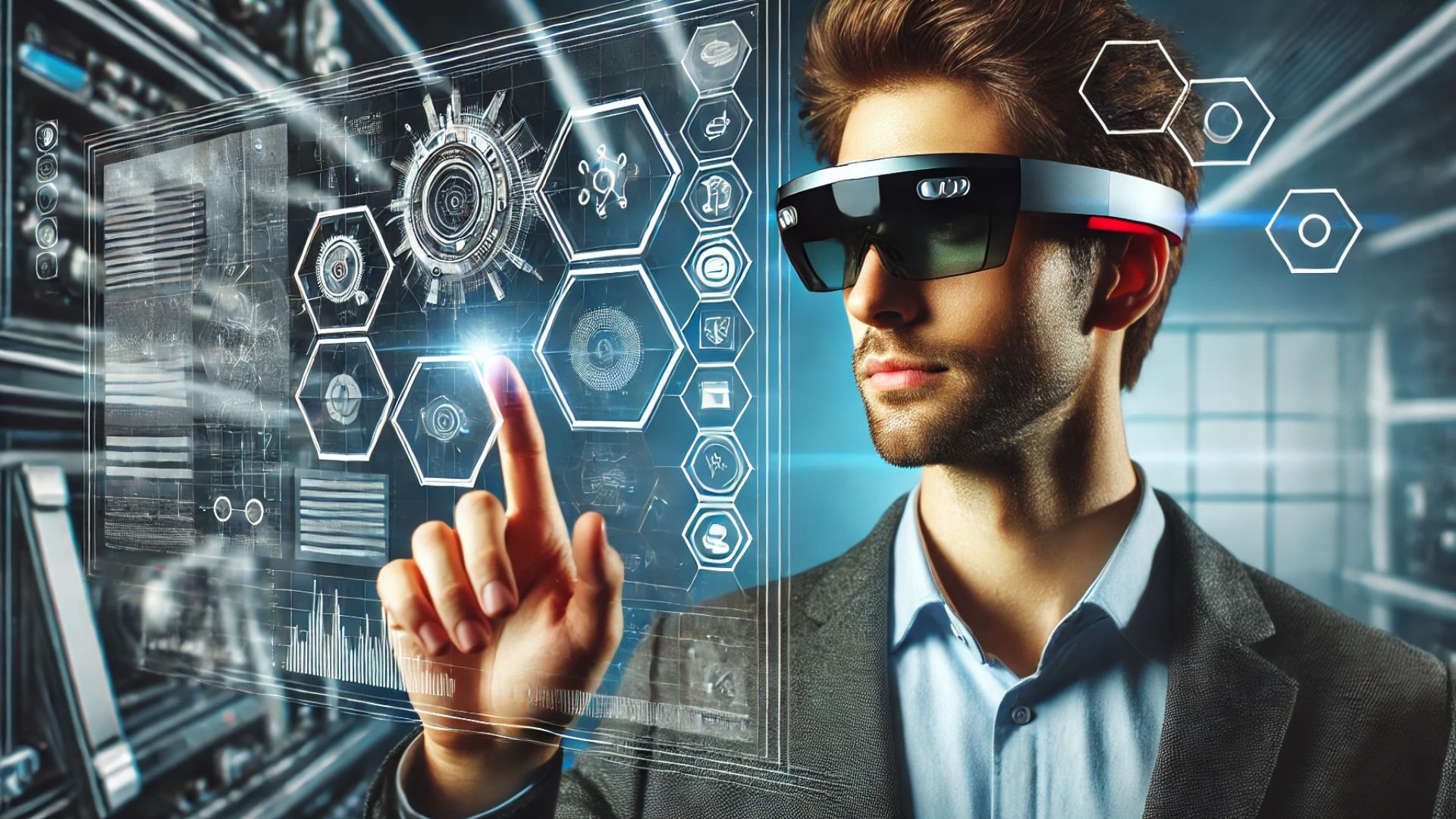
Augmented glasses and holographic interfaces
Present Uses of Augmented Reality
AR has found applications across a wide range of industries, revolutionizing how tasks are performed and enhancing user experiences in various ways:
Improving User Perception
AR significantly enhances user perception by providing additional layers of information and interaction. For example:
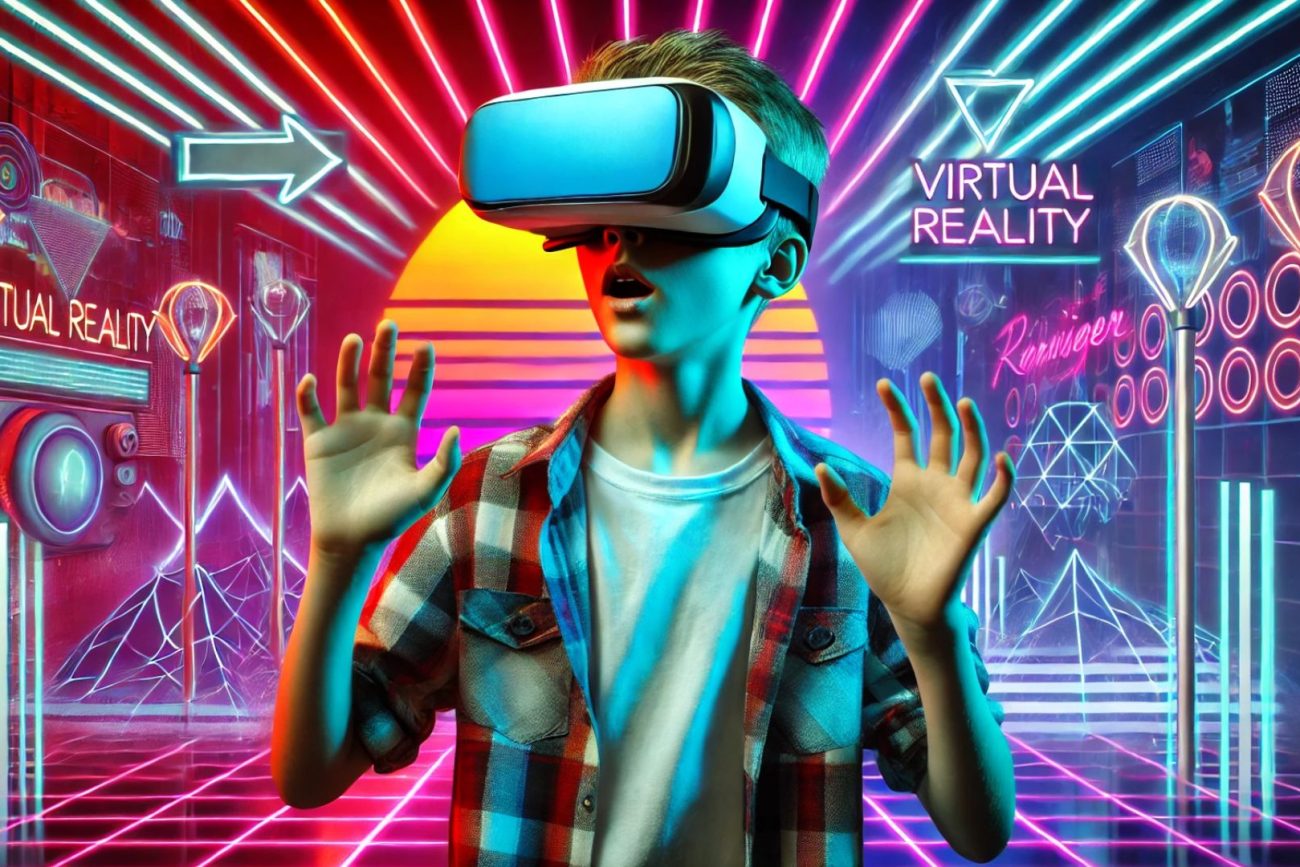
Exploring new worlds through the lens of VR

Immersed in the ring! Virtual reality boxing lets me unleash my inner champ.
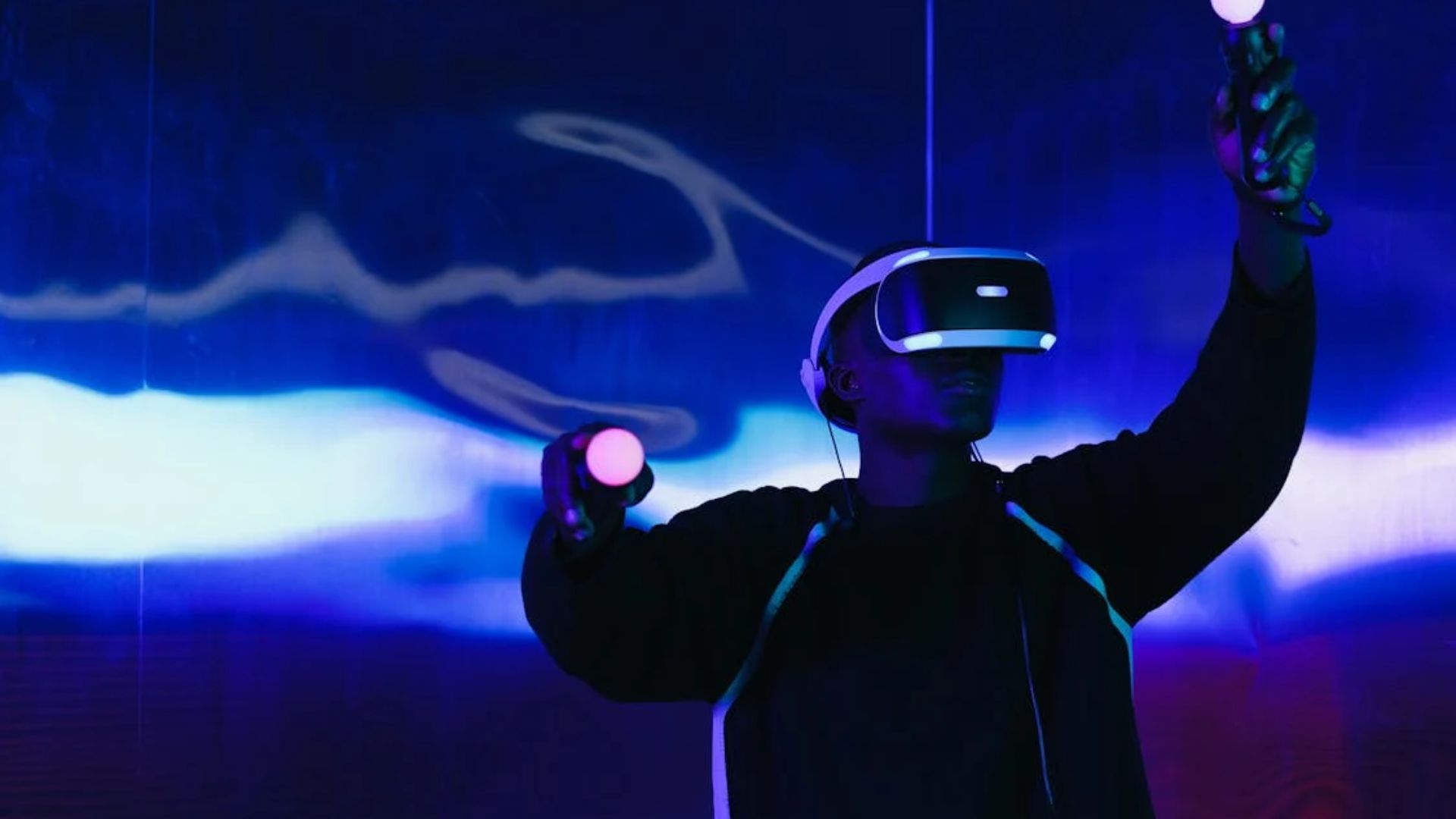
Exploring the Basics of Virtual Reality (VR)
Virtual Reality (VR) is a revolutionary technology that creates a fully immersive digital environment, completely isolating the user from the real world. By using VR, users are transported into a virtual space where they can interact with 3D objects and environments, providing a profound sense of presence and immersion. This technology is designed to trick the user's senses into believing they are in a different place, often engaging sight, sound, and sometimes even touch.
The Mechanics of Virtual Reality
VR technology operates through the use of several key components:
Present Uses of Virtual Reality
Virtual Reality (VR) is a powerful technology that creates immersive digital environments, transporting users to new worlds where they can interact with 3D objects and surroundings. With its ability to provide a profound sense of presence and isolation from the real world, VR is revolutionizing gaming, training, education, healthcare, and entertainment, offering limitless possibilities for the future.
Comparing AR and VR
Key Differences
Pros and Cons of AR
Pros and Cons of VR
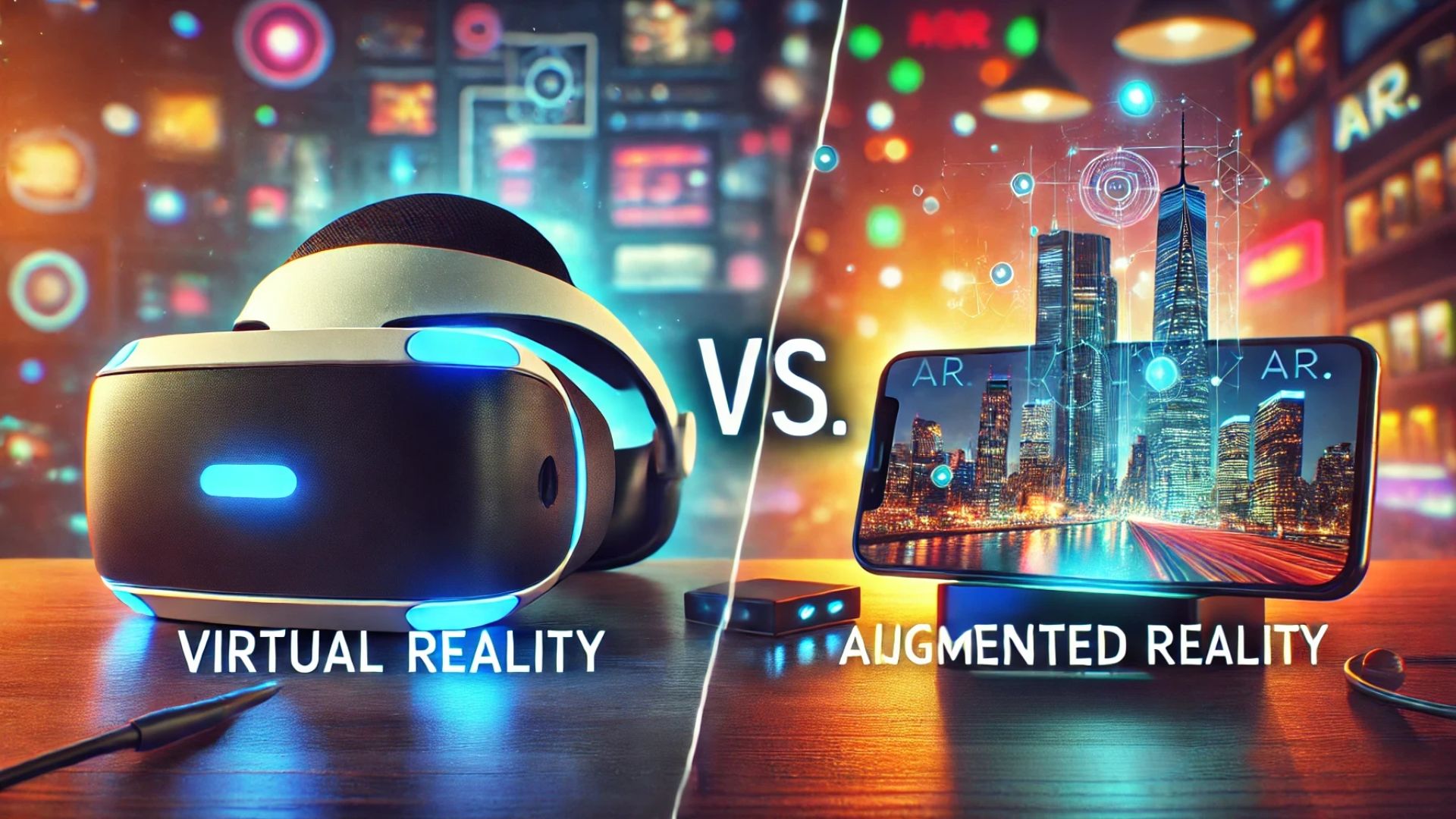
AR in Real-World Applications
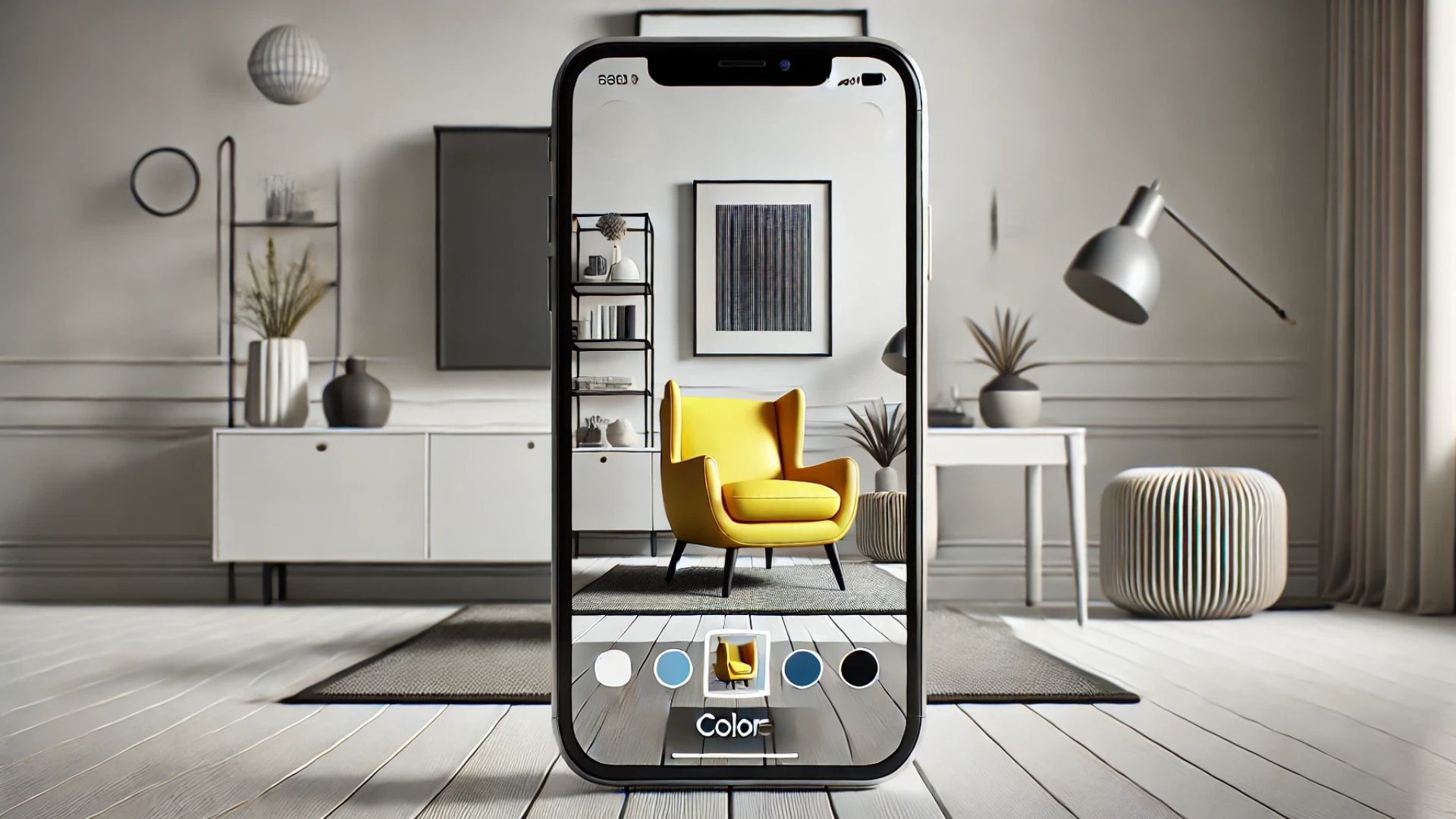
The retail industry has embraced AR to transform the shopping experience, making it more interactive and personalized. Virtual try-ons and enhanced shopping experiences are at the forefront of this transformation.
Retail
Navigation
AR has the potential to revolutionize navigation by overlaying digital directions and information onto the physical world, making it easier for users to find their way and explore new areas.
Maintenance and Repair
In the field of maintenance and repair, AR provides technicians with real-time information and instructions, significantly improving efficiency, accuracy, and safety.
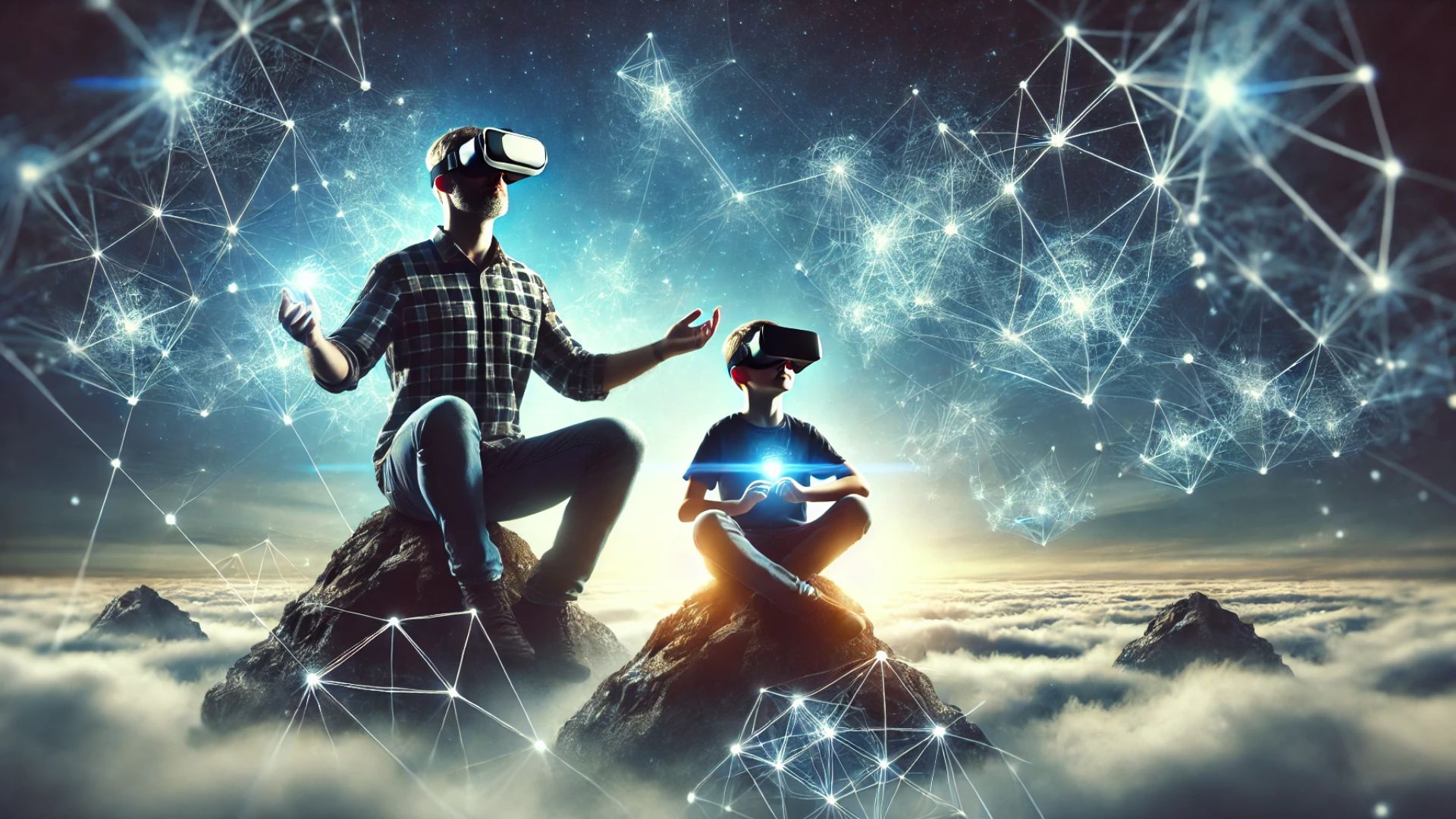
VR in Immersive Experiences
Entertainment
Virtual Reality (VR) is creating new dimensions in the entertainment industry by offering unique and immersive experiences that go beyond traditional media.
Tourism
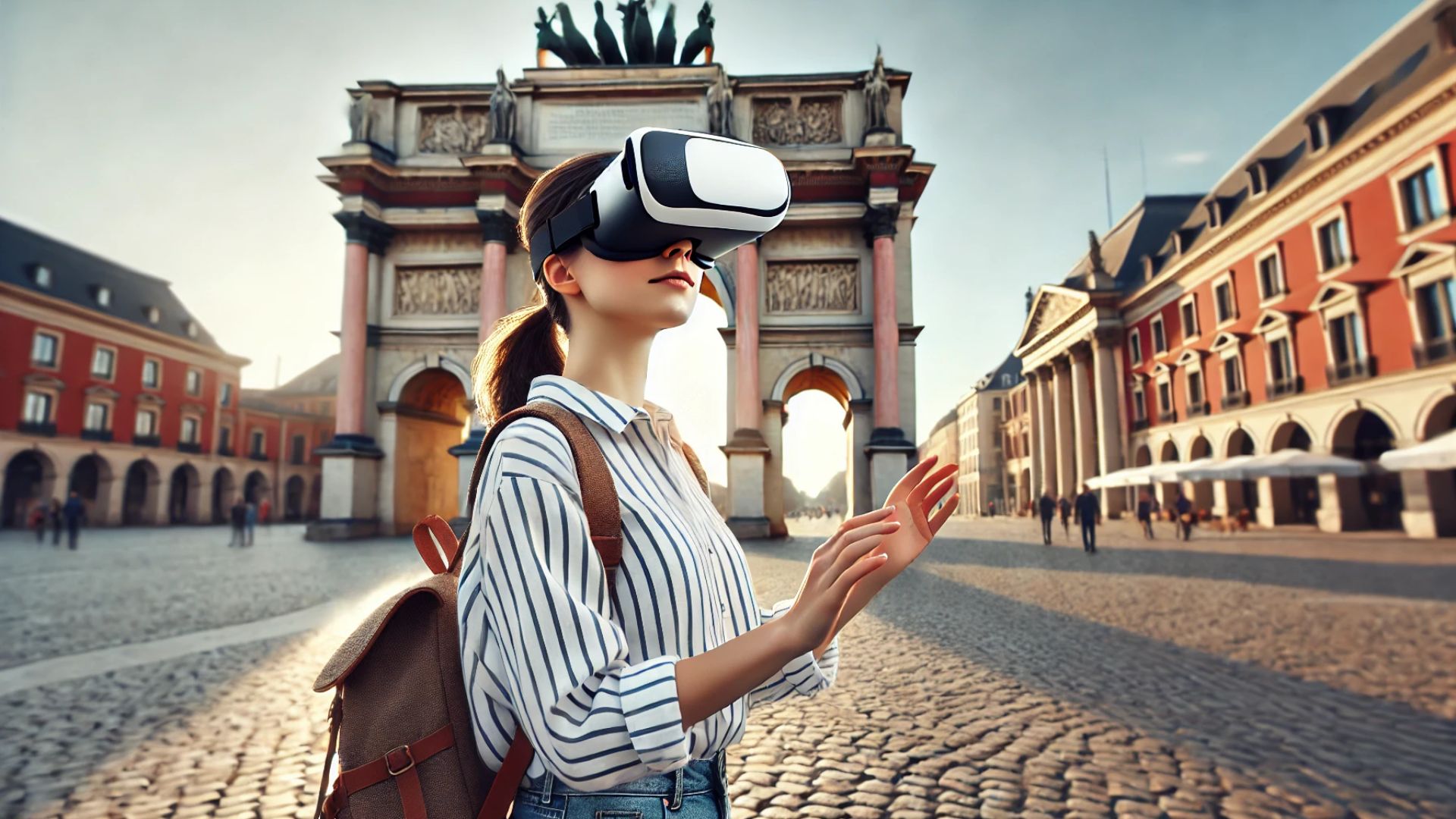
VR is transforming the tourism industry by allowing people to explore destinations and attractions from the comfort of their homes.
Real Estate
The real estate industry is leveraging VR to offer remote property tours, making the buying and renting process more convenient and immersive.
Obstacles and Limitations
Technical Challenges
Augmented Reality (AR)
Precise Tracking and Alignment: One of the primary technical challenges for AR is the precise tracking and alignment of digital content with the real-world environment. For AR to be effective, digital overlays must be accurately positioned relative to the physical world. This involves complex algorithms and technologies such as computer vision, simultaneous localization and mapping (SLAM), and depth sensing.
Virtual Reality (VR)
High Hardware Requirements: VR experiences demand significant computational power to render high-resolution, immersive environments in real-time. This often requires high-end GPUs, CPUs, and large amounts of memory.
User Acceptance and Adoption
Augmented Reality (AR)
User Discomfort and Distraction: Integrating digital content into the real world can sometimes lead to user discomfort or distraction.
Virtual Reality (VR)
Motion Sickness and Discomfort: Prolonged use of VR headsets can cause motion sickness and other forms of discomfort for some users.
Accessibility and Cost
Augmented Reality (AR)
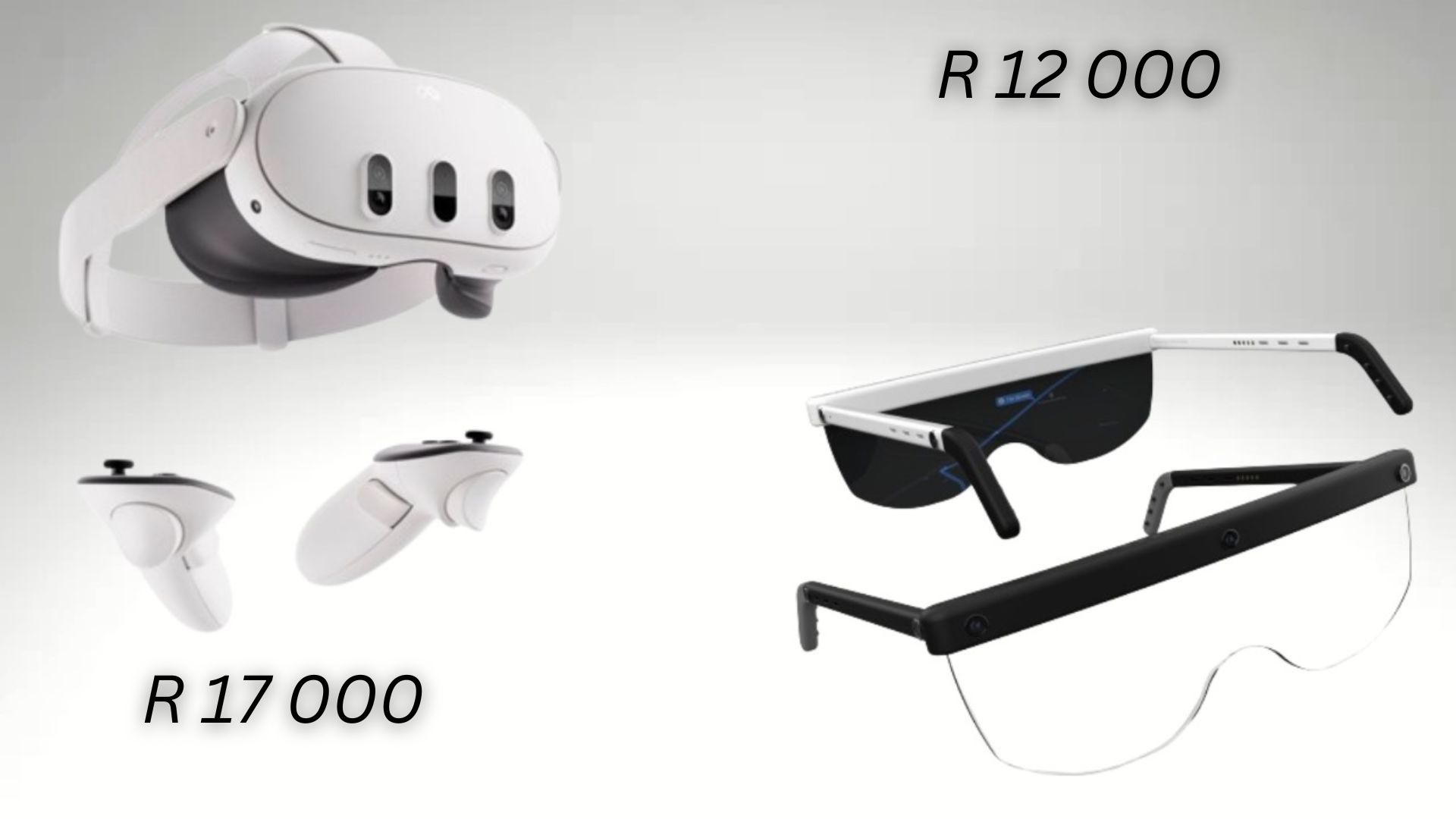
Accessibility and Cost: While basic AR experiences are accessible through common devices like smartphones, more advanced AR applications require specialized and often expensive equipment.
Virtual Reality (VR)
High Costs and Limited Accessibility: The cost of VR equipment and the need for powerful computing hardware are significant barriers to widespread adoption.
Future Growth and Possibilities
Predictions for AR
Predictions for VR
The Possible Effects on Different Industries
Augmented Reality (AR) and Virtual Reality (VR) are powerful technologies that offer distinct and complementary experiences. AR enhances our real-world environment with digital overlays, making it useful for practical applications in various fields. VR, on the other hand, provides immersive digital experiences, ideal for gaming, training, and entertainment. While both technologies face challenges in terms of technical limitations and user adoption, their potential for future development is vast. As AR and VR continue to evolve, they will undoubtedly reshape industries and revolutionize the way we interact with both the digital and physical worlds.
Author: Elisha Roodt
Durban's leading intelligence hub on immersive technology. Delivering comprehensive coverage, expert analysis, and breakthrough news on Virtual Reality (VR), Augmented Reality (AR), and the Metaverse.