

Reducing Carbon Footprint with VR
The Urgency of Climate Change The Earth is at a critical juncture. With the inexorable rise of global temperatures, the melting of polar ice caps...
The Urgency of Climate Change
The Earth is at a critical juncture. With the inexorable rise of global temperatures, the melting of polar ice caps, and increasingly erratic weather patterns, the urgency of addressing climate change has never been more pressing. This environmental crisis is not just a distant problem for future generations; it is a reality we face today, affecting ecosystems, economies, and societies across the globe. The scale of the challenge demands innovative solutions that can mitigate the damage already done while steering us toward a more sustainable future.
The Role of Technology in Sustainability
In this battle against climate change, technology plays a dual role. On one hand, it has historically contributed to environmental degradation through the carbon emissions associated with industrialization, energy consumption, and digital infrastructure. On the other hand, technology holds the key to reversing these trends by offering new tools and methods to reduce our environmental impact. From renewable energy sources like solar and wind power to advanced data analytics that optimize resource use, technology is central to any strategy aimed at sustainability. However, one of the most intriguing and promising technological advancements in this arena is virtual reality (VR).
Why Virtual Reality is a Game-Changer for Reducing Carbon Footprint
Virtual reality, once the stuff of science fiction, has rapidly evolved into a transformative technology with wide-ranging applications. Beyond gaming and entertainment, VR is now being recognized for its potential to contribute to environmental sustainability. By offering immersive experiences that can replace physical activities, VR reduces the need for resource-intensive processes, thereby lowering carbon emissions. Whether it’s through virtual meetings that eliminate the need for air travel, educational programs that reduce reliance on physical materials, or virtual events that minimize logistical waste, VR is poised to become a powerful tool in the fight against climate change.
Understanding Carbon Footprint in the Digital Age
What is a Carbon Footprint?
A carbon footprint is the total amount of greenhouse gases (GHGs) generated by our actions, typically expressed in equivalent tons of carbon dioxide (CO2e). It encompasses the emissions produced by everything from the electricity we use to the food we eat and the products we buy. In the context of digital technology, a carbon footprint includes the emissions from manufacturing, operating, and disposing of electronic devices, as well as the energy consumed by data centers and networks that support the internet and digital services.
Understanding carbon footprint is crucial because it quantifies the environmental impact of our activities, providing a clear metric for measuring and reducing our contributions to climate change. As the digital age progresses, our carbon footprints are increasingly shaped by the technologies we use daily, making it imperative to assess and mitigate their environmental costs.
Environmental Impact of Traditional Technologies
Traditional technologies, especially those developed during the industrial era, have had profound environmental impacts. The widespread use of fossil fuels for energy generation has been the primary driver of carbon emissions, contributing to global warming and air pollution. Additionally, the extraction of raw materials for manufacturing, the deforestation for agriculture and infrastructure, and the waste generated by mass production have all taken a significant toll on the planet's ecosystems.
In the digital realm, traditional computing and communication technologies are not without their environmental costs. The energy required to power millions of servers in data centers worldwide, the e-waste generated by obsolete devices, and the carbon footprint of internet infrastructure are all areas of concern. These technologies, while integral to modern life, need to evolve to become more sustainable.
How the Digital World Contributes to Carbon Emissions
The digital world is often perceived as less tangible and, therefore, less harmful to the environment. However, the reality is that our online activities have a significant carbon footprint. Every search query, email sent, and video streamed requires energy. Data centers, which house the servers that power the internet, are major consumers of electricity, often derived from fossil fuels. The production of electronic devices, from smartphones to laptops, involves energy-intensive processes and the extraction of rare minerals, further contributing to emissions.
The rapid pace of technological innovation leads to frequent upgrades and replacements of devices, resulting in increased e-waste. This waste, if not properly managed, can release harmful substances into the environment, further exacerbating ecological degradation. As our reliance on digital technology grows, so does the imperative to find greener alternatives.
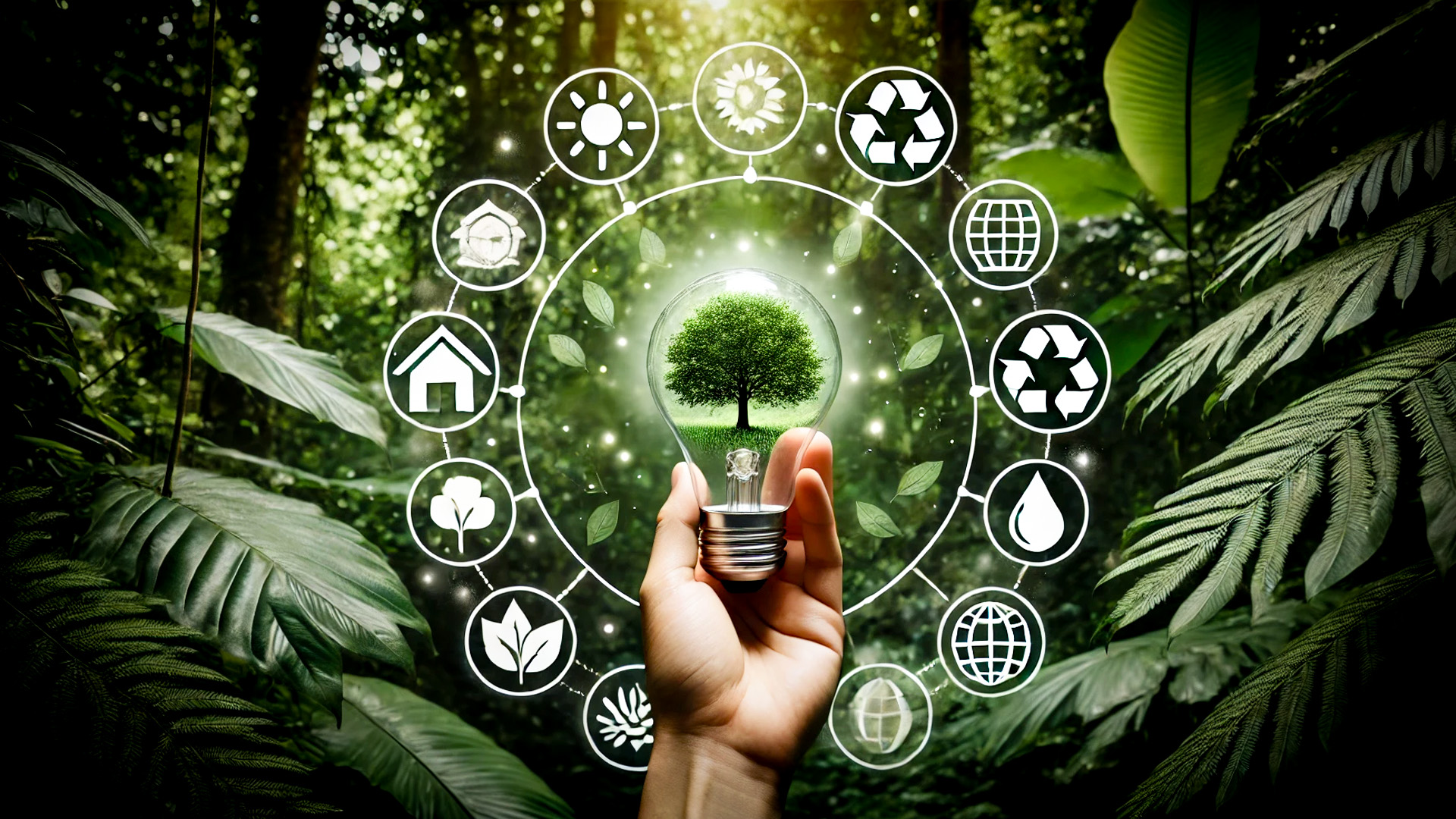
Virtual Reality: A Sustainable Technology
Overview of Virtual Reality Technology
Virtual reality is a computer-generated simulation of a three-dimensional environment that can be interacted with in a seemingly real or physical way. This immersive technology has advanced significantly in recent years, with applications extending far beyond entertainment. VR systems typically consist of a headset that covers the eyes and ears, controllers for interacting with the virtual environment, and sometimes additional sensors that track movement and enhance the realism of the experience.
The power of VR lies in its ability to transport users to virtually any environment, real or imagined, without the need for physical presence. This capability has profound implications for reducing the environmental impact of various activities, from travel to education to industrial processes.
The Environmental Benefits of Virtual Experiences
One of the most compelling advantages of VR is its potential to reduce the environmental impact of activities that traditionally require significant resources. For instance, virtual meetings and conferences can replace in-person events, thereby eliminating the need for air travel, hotel accommodations, and other carbon-intensive logistics. Similarly, VR can be used in education to create immersive learning environments that reduce the need for physical textbooks, laboratory equipment, and even buildings.
In industries like real estate and tourism, virtual tours can showcase properties and destinations without the need for physical visits, reducing the carbon footprint associated with travel. Even in manufacturing and product design, VR can simulate prototypes and processes, cutting down on the materials and energy needed for physical models and testing.
Comparing VR's Carbon Footprint to Traditional Methods
When comparing the carbon footprint of VR to traditional methods, the benefits become clear. For example, attending a virtual conference generates a fraction of the emissions associated with flying to a physical venue, staying in a hotel, and commuting to and from the event. Similarly, a virtual tour of a property or tourist destination eliminates the need for transportation, which is one of the largest contributors to carbon emissions.
While VR systems do consume electricity and require the production of electronic devices, the overall environmental impact is significantly lower than the traditional alternatives. Moreover, as VR technology continues to evolve, there is potential for further reductions in its carbon footprint through energy-efficient hardware and the use of renewable energy sources.
Applications of VR in Reducing Carbon Footprint
Virtual Meetings: The Eco-friendly Alternative to Business Travel
Business travel is one of the most carbon-intensive activities in the corporate world. The emissions generated by air travel alone are substantial, not to mention the additional environmental costs of accommodations, ground transportation, and event logistics. Virtual meetings offer a compelling alternative, allowing professionals to connect and collaborate from anywhere in the world without the need for physical travel.
With advancements in VR technology, virtual meetings have become more immersive and interactive, replicating the experience of being in the same room with colleagues and clients. Participants can share presentations, brainstorm ideas, and engage in discussions as if they were physically present, all while drastically reducing their carbon footprint. For companies with a strong commitment to sustainability, adopting VR for meetings is not just a cost-saving measure but also a significant step toward environmental responsibility.
VR in Education: Reducing the Need for Physical Resources
The education sector is another area where VR can make a substantial impact on reducing carbon emissions. Traditional educational models rely heavily on physical resources, including textbooks, classroom materials, and infrastructure. These resources require energy to produce and transport, contributing to the overall carbon footprint of educational institutions.
VR offers an innovative solution by creating immersive learning environments that do not rely on physical materials. Students can explore historical events, conduct virtual science experiments, and even take field trips to distant locations—all from the comfort of their classroom or home. By reducing the need for printed materials, laboratory equipment, and even buildings, VR can help educational institutions lower their carbon footprint while enhancing the learning experience.
Virtual Tours and Events: Minimizing Environmental Impact
Tourism and events are industries with significant environmental footprints. From the carbon emissions associated with travel to the waste generated by large gatherings, these activities have a considerable impact on the planet. Virtual reality provides a sustainable alternative by offering virtual tours and events that can replicate the experience of being in a specific location or attending a live event.
Virtual tours allow users to explore museums, historical sites, natural wonders, and even entire cities without leaving their homes. This not only reduces the need for transportation but also minimizes the impact on fragile ecosystems that might be harmed by mass tourism. Similarly, virtual events—ranging from concerts to conferences to exhibitions—can attract large audiences without the environmental costs of a physical venue, catering, and waste disposal.
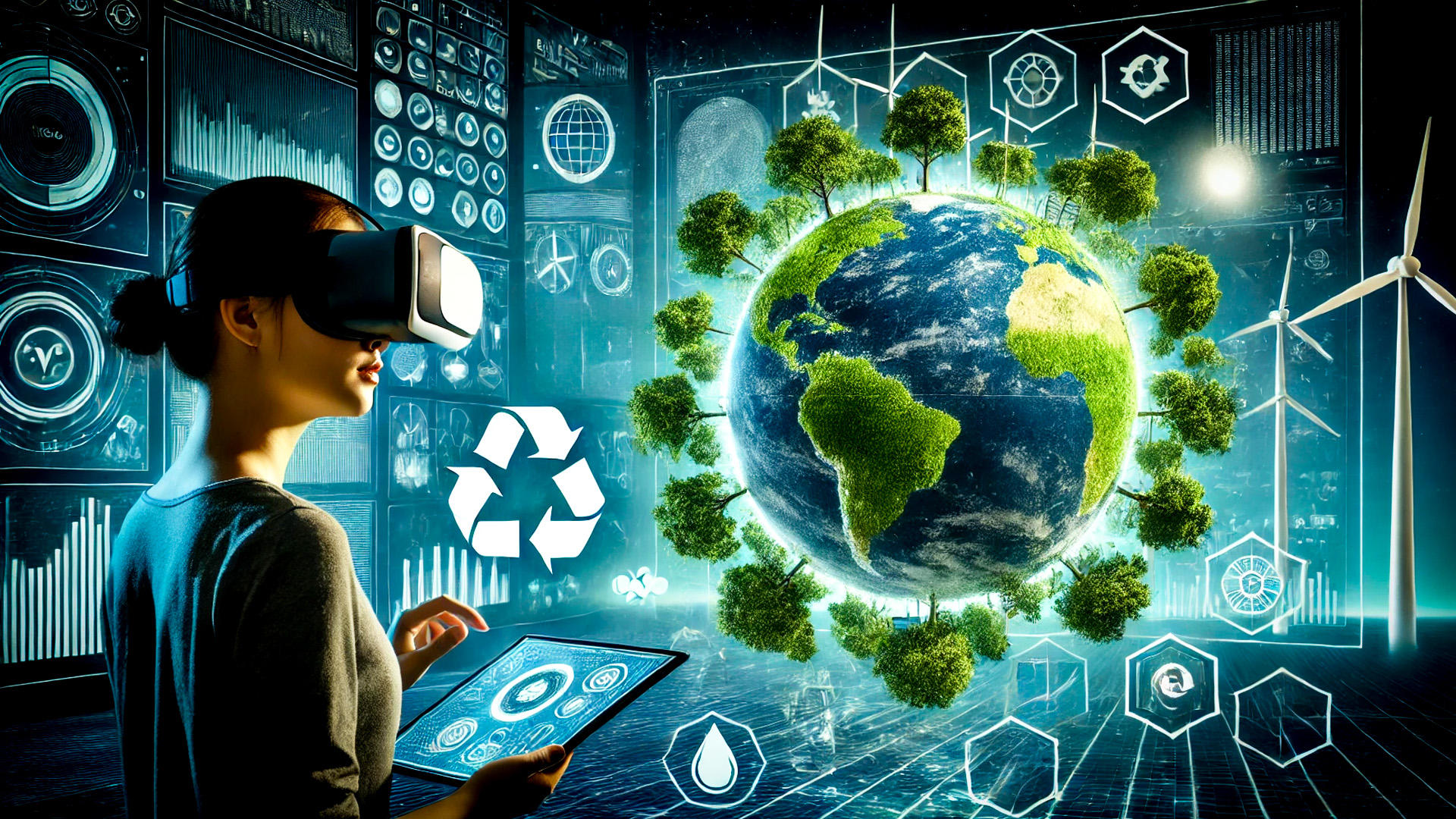
Case Studies: VR in Action for Sustainability
How Companies are Using VR to Cut Down on Carbon Emissions
Several companies have recognized the potential of VR to reduce their environmental impact and have integrated the technology into their operations. For example, global corporations are increasingly using VR for training and onboarding, reducing the need for travel and printed materials. By creating virtual training environments, these companies can provide consistent, high-quality education to employees worldwide without the carbon footprint associated with traditional methods.
In the automotive industry, manufacturers are using VR to design and test new vehicles in a virtual space before building physical prototypes. This not only speeds up the development process but also reduces the need for raw materials and energy consumption. By leveraging VR, these companies are able to lower their carbon emissions while also benefiting from increased efficiency and cost savings.
Success Stories: Virtual Reality in Environmental Conservation
Virtual reality is also making a difference in the field of environmental conservation. Organizations dedicated to protecting natural habitats and wildlife are using VR to raise awareness and engage the public in their efforts. For instance, VR experiences that simulate endangered ecosystems or wildlife encounters allow users to connect with conservation issues on a deeper level, inspiring them to take action.
One success story comes from the use of VR to educate people about the impact of deforestation. By immersing users in a virtual rainforest, conservation groups can vividly demonstrate the consequences of deforestation, such as loss of biodiversity and climate change. These experiences are more impactful than traditional media, as they create a visceral connection between the user and the environment, driving home the urgency of conservation efforts.
The Future of VR in Green Initiatives
Looking ahead, the potential for VR in green initiatives is vast. As the technology continues to advance, its applications in sustainability will likely expand. For instance, VR could be used to simulate the effects of climate change on different regions, helping policymakers and the public understand the potential consequences of inaction. By providing a visual and immersive representation of these scenarios, VR can make the abstract concept of climate change more tangible and immediate.
Moreover, VR could play a role in promoting sustainable behavior among individuals and communities. Virtual simulations of energy-efficient homes, sustainable farming practices, or zero-waste lifestyles could inspire users to adopt these practices in their own lives. By making sustainability more accessible and engaging, VR has the potential to drive widespread adoption of eco-friendly habits.
Challenges and Opportunities
Overcoming the Environmental Costs of VR Hardware
While VR offers numerous environmental benefits, it is not without its challenges. One of the primary concerns is the environmental cost of VR hardware. The production of VR headsets, controllers, and sensors involves the extraction of raw materials, energy-intensive manufacturing processes, and the generation of electronic waste. These factors contribute to the carbon footprint of VR technology.
To address this issue, companies and researchers are exploring ways to make VR hardware more sustainable. This includes the development of energy-efficient components, the use of recycled materials in manufacturing, and the implementation of take-back programs to recycle old devices. Additionally, as renewable energy becomes more prevalent, the carbon footprint associated with VR hardware production and operation is expected to decrease.
The Potential for VR in Renewable Energy Education
Another promising area for VR is its application in renewable energy education. As the world transitions to sustainable energy sources like solar, wind, and hydroelectric power, there is a growing need for education and training in these fields. VR can provide immersive simulations that teach users about the mechanics of renewable energy systems, the challenges of grid integration, and the environmental benefits of clean energy.
For example, a VR simulation could allow users to design and operate a virtual solar farm, experimenting with different panel configurations and learning about the factors that affect energy output. Such experiences can make complex concepts more accessible and engaging, helping to build the knowledge and skills needed to advance the adoption of renewable energy.
How to Encourage Widespread Adoption of Eco-friendly VR Practices
To maximize the environmental benefits of VR, it is essential to encourage the widespread adoption of eco-friendly practices within the industry and among consumers. This could involve promoting the use of VR for remote work, education, and events, as well as advocating for the development of sustainable VR hardware.
One approach is to raise awareness about the environmental impact of traditional methods and the potential savings offered by VR. By highlighting case studies and success stories, stakeholders can demonstrate the tangible benefits of VR in reducing carbon footprints. Additionally, governments and organizations could offer incentives for companies that adopt VR as part of their sustainability strategies, further driving adoption.
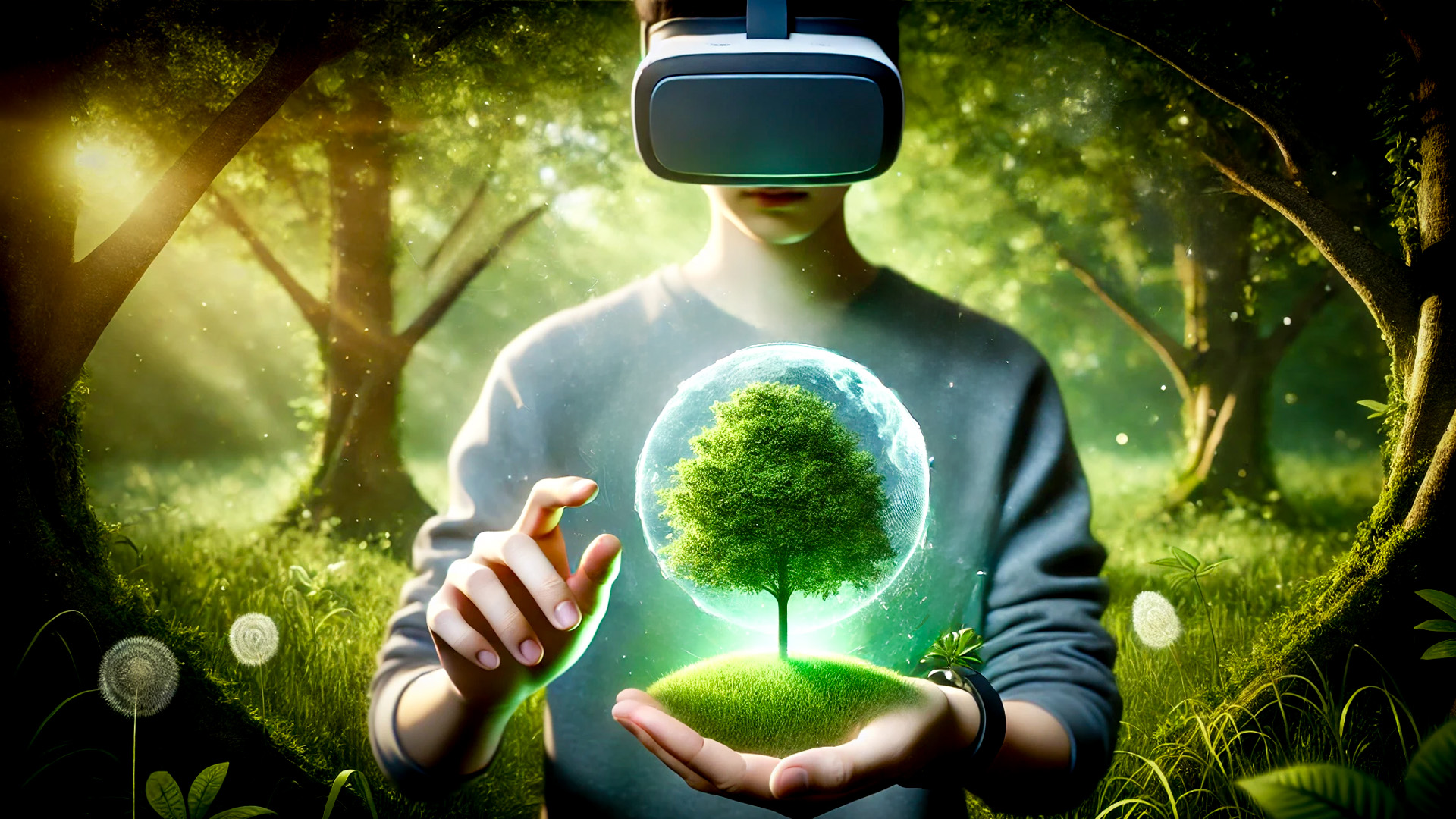
VR and the Carbon-Free Future
The Evolution of VR Technology Towards Sustainability
As VR technology continues to evolve, its potential for contributing to a carbon-free future will only grow. Future advancements may include the development of VR systems that are entirely powered by renewable energy, further reducing their environmental impact. Additionally, improvements in VR hardware could lead to lighter, more durable devices that require fewer resources to produce and have a longer lifespan, reducing the frequency of upgrades and replacements.
Moreover, the integration of artificial intelligence and machine learning with VR could enable more sophisticated simulations that help users make more sustainable decisions in real-time. For example, AI-driven VR experiences could analyze user behavior and provide personalized recommendations for reducing energy consumption or minimizing waste.
Predictions for VR’s Role in Global Environmental Efforts
In the coming years, VR is likely to play an increasingly prominent role in global environmental efforts. As governments, businesses, and individuals seek to reduce their carbon footprints, VR will offer innovative solutions that make sustainability more achievable. From virtual training programs that prepare workers for green jobs to immersive simulations that raise awareness about environmental issues, VR will be a key tool in the fight against climate change.
As the technology becomes more accessible and affordable, its adoption will spread beyond early adopters to mainstream audiences. This widespread use of VR for sustainability will amplify its impact, contributing to a global reduction in carbon emissions and fostering a culture of environmental responsibility.
How VR Can Inspire a Greener, More Sustainable World
Ultimately, the true power of VR lies in its ability to inspire change. By creating immersive experiences that connect users with the environment and the consequences of their actions, VR can foster a deeper understanding of sustainability. Whether it’s through virtual journeys to fragile ecosystems, simulations of sustainable living, or educational programs about renewable energy, VR has the potential to shift mindsets and behaviors toward a greener, more sustainable world.
As more people experience the benefits of VR and recognize its role in reducing carbon footprints, the collective impact will be significant. VR can be more than just a tool for entertainment or business; it can be a catalyst for positive change, driving the adoption of sustainable practices and contributing to the preservation of our planet for future generations.
Recapping the Importance of VR in Reducing Carbon Footprint
Virtual reality is emerging as a powerful tool in the quest to reduce carbon footprints. By replacing physical activities with virtual experiences, VR can significantly lower the environmental impact of travel, education, events, and more. As the technology continues to evolve, its potential for sustainability will only increase, making it an essential component of global environmental efforts.
Call to Action: Embracing VR for a Sustainable Future
The time to embrace VR as a solution for sustainability is now. Whether you are a business leader, educator, policymaker, or consumer, there are numerous ways to integrate VR into your efforts to reduce carbon emissions. By adopting eco-friendly VR practices and supporting the development of sustainable VR technology, we can all contribute to a greener, more sustainable future.
Final Thoughts on VR’s Potential to Transform Environmental Practices
As we look to the future, it is clear that virtual reality has the potential to transform environmental practices in profound ways. By offering immersive, low-impact alternatives to traditional methods, VR can help us reduce our carbon footprints and protect the planet. The journey toward sustainability is long and challenging, but with the help of innovative technologies like VR, we can make significant strides toward a better, more sustainable world.
Vr And The Carbon Free Future
Author: Elisha Roodt
Durban's leading intelligence hub on immersive technology. Delivering comprehensive coverage, expert analysis, and breakthrough news on Virtual Reality (VR), Augmented Reality (AR), and the Metaverse.