
How VR and Metaverse Redefine Social Interactions Economies
How VR and Metaverse Are Changing Our World Virtual reality (VR) and the metaverse are not merely technological novelties; they are pioneering...
How VR and Metaverse Are Changing Our World
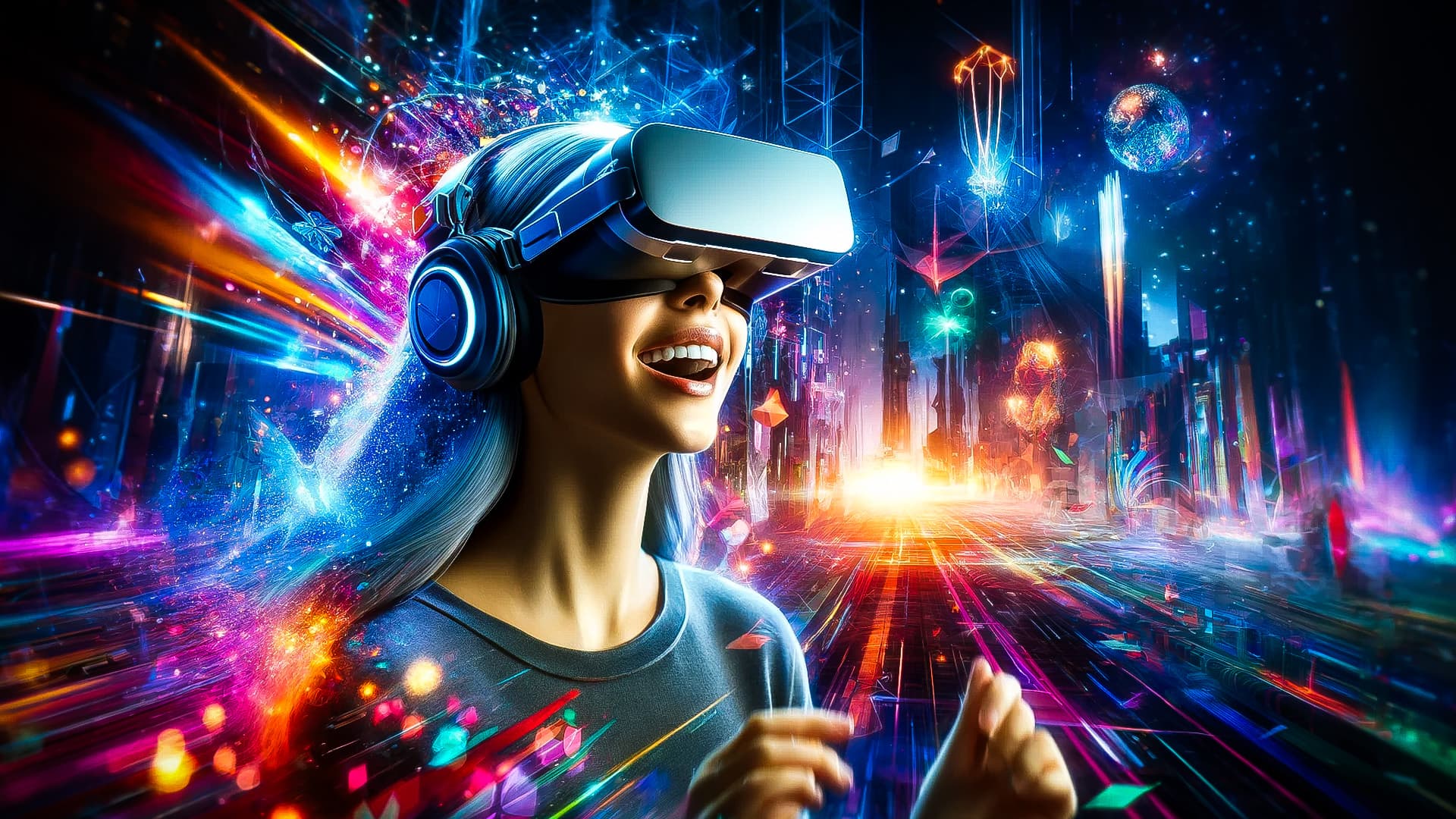
Virtual reality (VR) and the metaverse are not merely technological novelties; they are pioneering forces that are transforming the very fabric of our social and economic landscapes. These digital domains are reshaping how we interact, communicate, and conduct business. The metaverse—a collective virtual shared space—is increasingly becoming an extension of our reality, offering immersive experiences that transcend geographical boundaries. In this new frontier, the line between the physical and digital world blurs, creating a hybrid existence where virtual interactions are as meaningful as face-to-face encounters.
From Digital Dreams to Reality: The Emergence of Virtual Economies
What once existed only in the realm of science fiction is now a tangible reality: economies within virtual worlds are thriving. These virtual economies, once simple barter systems within video games, have evolved into complex markets with real-world implications. Digital assets, from virtual real estate to non-fungible tokens (NFTs), are being traded for substantial sums of money, and entire industries are emerging within the metaverse. The shift from digital dreams to a functioning virtual economy is not just a novelty; it is a fundamental transformation of how value is created, traded, and perceived.
The Importance of Understanding This Shift
As VR and the metaverse continue to evolve, understanding the implications of these developments is crucial. For individuals, this means recognizing the potential for new forms of social interaction and economic opportunities. For businesses and policymakers, it necessitates a rethinking of strategies, regulations, and the very concept of what constitutes an economy. The shift to virtual interactions and economies is not a passing trend; it represents a significant evolution in how we live, work, and engage with the world around us.
The Evolution of Social Interactions in Virtual Realities
From Social Media to Virtual Worlds: A New Form of Connection
Social media revolutionized how we connect with others, but the metaverse takes this a step further by creating fully immersive environments where users can interact in real-time, as if they were physically present. In these virtual worlds, avatars—digital representations of users—can communicate, collaborate, and share experiences in ways that social media cannot replicate. This evolution from two-dimensional platforms to three-dimensional spaces offers a richer, more engaging form of connection, where interactions are not limited by physical distance or traditional social constraints.
Building Communities in the Metaverse: A Social Revolution
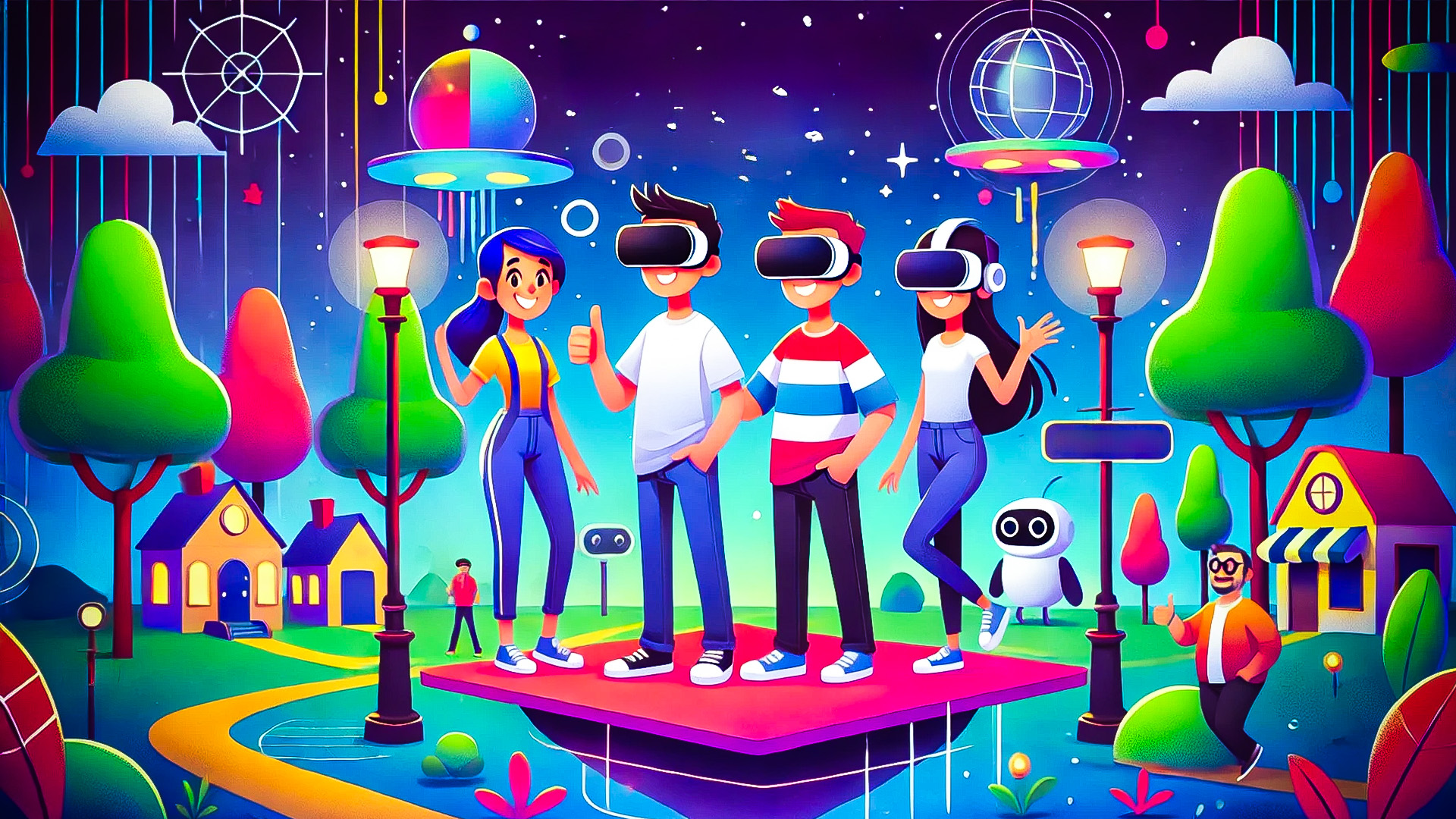
The metaverse is not just a space for individual interactions; it is a fertile ground for building communities. These virtual communities are often centered around shared interests, hobbies, or goals, and they transcend the limitations of the physical world. In the metaverse, people from different parts of the globe can come together to form tight-knit groups, participate in collective activities, and even create their own virtual societies. This social revolution is redefining what it means to belong to a community, offering unprecedented opportunities for collaboration and social engagement.
The Psychology Behind Virtual Interactions: What Makes Them Unique?
Virtual interactions in the metaverse differ from those in the physical world in several profound ways. The anonymity provided by avatars can encourage more open and honest communication, free from the biases that often affect face-to-face interactions. Additionally, the immersive nature of VR can lead to a heightened sense of presence and emotional connection, making virtual experiences feel more real and impactful. The psychology of virtual interactions is complex, involving a mix of traditional social dynamics and new factors unique to the digital environment.

Virtual Economies: The Rise of Digital Marketplaces
Virtual Goods and Services: What’s Driving the Market?
The market for virtual goods and services is booming, driven by the increasing popularity of the metaverse and the growing acceptance of digital assets as valuable commodities. From virtual clothing for avatars to digital art, the demand for unique, customizable, and collectible items is skyrocketing. The allure of owning one-of-a-kind digital assets, combined with the ability to trade them in virtual marketplaces, is fueling a vibrant economy that mirrors—and in some cases, surpasses—the dynamics of the physical world.
Cryptocurrency and Blockchain: The Backbone of the Metaverse Economy
Cryptocurrency and blockchain technology are the pillars supporting the metaverse economy. Blockchain provides a secure, transparent way to verify ownership and transfer digital assets, while cryptocurrencies serve as the medium of exchange within these virtual spaces. This decentralized financial system allows for peer-to-peer transactions without the need for intermediaries, enabling greater autonomy and control for users. As the metaverse continues to expand, the role of cryptocurrency and blockchain in facilitating economic activity will only grow, making them integral to the future of virtual economies.
Real-World Impact: How Virtual Economies Influence Physical Markets
The impact of virtual economies is not confined to the digital realm; they are increasingly influencing physical markets as well. The rise of NFTs, for example, has created new revenue streams for artists and content creators, bridging the gap between the virtual and physical worlds. Moreover, businesses are recognizing the potential of virtual real estate and digital storefronts as viable extensions of their physical operations. The interplay between virtual and physical economies is creating a hybrid marketplace where digital assets can have tangible value and real-world implications.
The Role of Avatars in Social and Economic Interactions
Identity in the Metaverse: More Than Just a Digital Persona
In the metaverse, avatars are more than just digital representations—they are extensions of the user’s identity. These avatars allow individuals to express themselves in ways that may not be possible in the physical world, whether through appearance, behavior, or social interactions. The freedom to craft and refine one’s digital persona enables users to explore different facets of their identity, leading to a deeper understanding of self and a more personalized experience in the virtual world.
Avatars as Economic Agents: How They Participate in Virtual Economies
Avatars are not just passive participants in the metaverse; they are active economic agents. Through their avatars, users can engage in various economic activities, such as buying and selling virtual goods, providing services, and even earning income through virtual jobs. These economic interactions are facilitated by the avatar’s ability to move seamlessly between different virtual environments, enabling users to participate in multiple markets and communities. The role of avatars in the metaverse economy is multifaceted, encompassing everything from consumer to entrepreneur.
The Future of Personalization: Custom Avatars and Their Value
As the metaverse grows, the demand for custom avatars—tailored to the user’s preferences and needs—is expected to rise. These personalized avatars offer more than just aesthetic appeal; they hold intrinsic value in the virtual economy. Users may invest in custom clothing, accessories, and even abilities for their avatars, enhancing their experience and status within the metaverse. The future of personalization in avatars will likely see the emergence of specialized markets for custom designs and modifications, further enriching the economic landscape of the metaverse.
Business Opportunities in the VR and Metaverse Ecosystem
New Markets, New Rules: How Businesses Are Adapting
The metaverse presents a wealth of new opportunities for businesses, but it also comes with its own set of rules. Traditional business models are being reimagined to fit the unique dynamics of the virtual world, where the customer experience is entirely digital. Companies are experimenting with virtual storefronts, immersive advertising, and branded experiences that engage users in ways that physical marketing cannot. Adapting to these new markets requires innovation, agility, and a deep understanding of the metaverse ecosystem.
Virtual Real Estate: The Next Big Investment?
Virtual real estate is quickly becoming a hot commodity, with investors and businesses alike recognizing its potential value. Just as physical land has long been a cornerstone of wealth, virtual land in the metaverse is emerging as a lucrative investment. Virtual properties can be developed into a variety of digital assets, from event spaces to retail hubs, offering both income potential and appreciation in value. The market for virtual real estate is still in its infancy, but the possibilities are vast, making it a compelling investment opportunity for those willing to explore this new frontier.
Marketing in the Metaverse: Strategies for Success
Marketing in the metaverse requires a different approach than traditional advertising. Success in this space hinges on creating immersive, interactive experiences that resonate with users on a personal level. Brands that can seamlessly integrate their products and services into the metaverse environment will find themselves at the forefront of this new marketing frontier. Whether it’s through virtual events, branded content, or influencer partnerships, the key to successful marketing in the metaverse lies in authenticity and engagement.
Challenges and Ethical Considerations
Navigating Privacy in a Virtual World: What’s at Stake?
Privacy concerns are magnified in the metaverse, where personal data is not only collected but also embodied in digital form. The stakes are high, as breaches of privacy can have far-reaching consequences, both in the virtual and physical worlds. Navigating these challenges requires robust security measures, transparent data practices, and a commitment to protecting user information. As the metaverse expands, the need for comprehensive privacy frameworks will become increasingly urgent, ensuring that users can engage with these digital spaces safely and securely.
The Digital Divide: Ensuring Access for All
The metaverse holds immense potential, but access to this digital realm is not yet universal. The digital divide—disparities in access to technology—remains a significant barrier to widespread adoption of VR and the metaverse. Ensuring that all individuals, regardless of socioeconomic status, can participate in the metaverse is essential for its long-term success. This will require concerted efforts from governments, tech companies, and communities to bridge the gap and make virtual experiences accessible to everyone.
Ethical Dilemmas: Ownership, Rights, and Responsibilities
The metaverse raises complex ethical questions around ownership, rights, and responsibilities. Who owns virtual land? What rights do users have over their avatars and digital assets? How are disputes resolved in a decentralized virtual world? These dilemmas challenge our traditional understanding of property and law, necessitating new frameworks and agreements. As the metaverse grows, addressing these ethical concerns will be crucial to creating a fair and equitable digital society.
The Future of Social and Economic Interactions
What’s Next for VR and the Metaverse?
The future of the metaverse is full of possibilities, with trends pointing towards greater integration of VR in everyday life. We can expect to see more sophisticated virtual environments, enhanced by advancements in artificial intelligence and augmented reality. Social interactions will become even more immersive, blurring the lines between the virtual and physical worlds. Economically, the metaverse will likely see the rise of new industries, job opportunities, and forms of commerce, reshaping the global economy in profound ways.
The Impact on Global Economies: A World Forever Changed
As the metaverse becomes a larger part of our lives, its impact on global economies will be undeniable. Traditional industries may need to adapt or face obsolescence, while new sectors emerge to cater to the demands of a digital-first society. The metaverse has the potential to democratize opportunities, allowing individuals from all corners of the globe to participate in a shared economy. However, this shift also poses challenges, as governments and institutions grapple with regulating a rapidly evolving digital landscape.
How Individuals Can Prepare for the Metaverse Economy
As the metaverse economy takes shape, individuals must prepare to navigate this new terrain. This means staying informed about technological developments, acquiring new skills relevant to the digital economy, and being open to new forms of work and interaction. For those who embrace the metaverse, the opportunities are vast—ranging from entrepreneurship in virtual spaces to careers in emerging industries. Preparation and adaptability will be key to thriving in this dynamic new economy.
Embracing the Future of Social and Economic Life
The rise of VR and the metaverse represents a paradigm shift in how we interact, work, and conduct business. These digital spaces are not just extensions of our current reality; they are reshaping the very foundation of society and the economy. Embracing this future requires a willingness to explore, innovate, and adapt to a world where the boundaries between the virtual and the real are increasingly fluid.
The Metaverse as a Tool for Innovation and Growth
The metaverse is more than just a platform for entertainment; it is a powerful tool for innovation and growth. By harnessing the potential of virtual environments, businesses, creators, and individuals can unlock new possibilities for development and expansion. The metaverse offers a space where ideas can be tested, products can be launched, and communities can be built—all within a dynamic, evolving digital ecosystem.
Engaging with the Virtual Future Today
The future of social and economic interactions is unfolding before our eyes, and now is the time to engage with it. Whether through exploring the metaverse, investing in virtual assets, or simply staying informed about the latest developments, there are countless ways to be a part of this digital revolution. The metaverse is not a distant reality; it is here, and it is transforming our world. Embrace it, explore it, and be a part of the future of social and economic life.
The Future Of Social And Economic Interactions
Author: Elisha Roodt
Durban's leading intelligence hub on immersive technology. Delivering comprehensive coverage, expert analysis, and breakthrough news on Virtual Reality (VR), Augmented Reality (AR), and the Metaverse.