
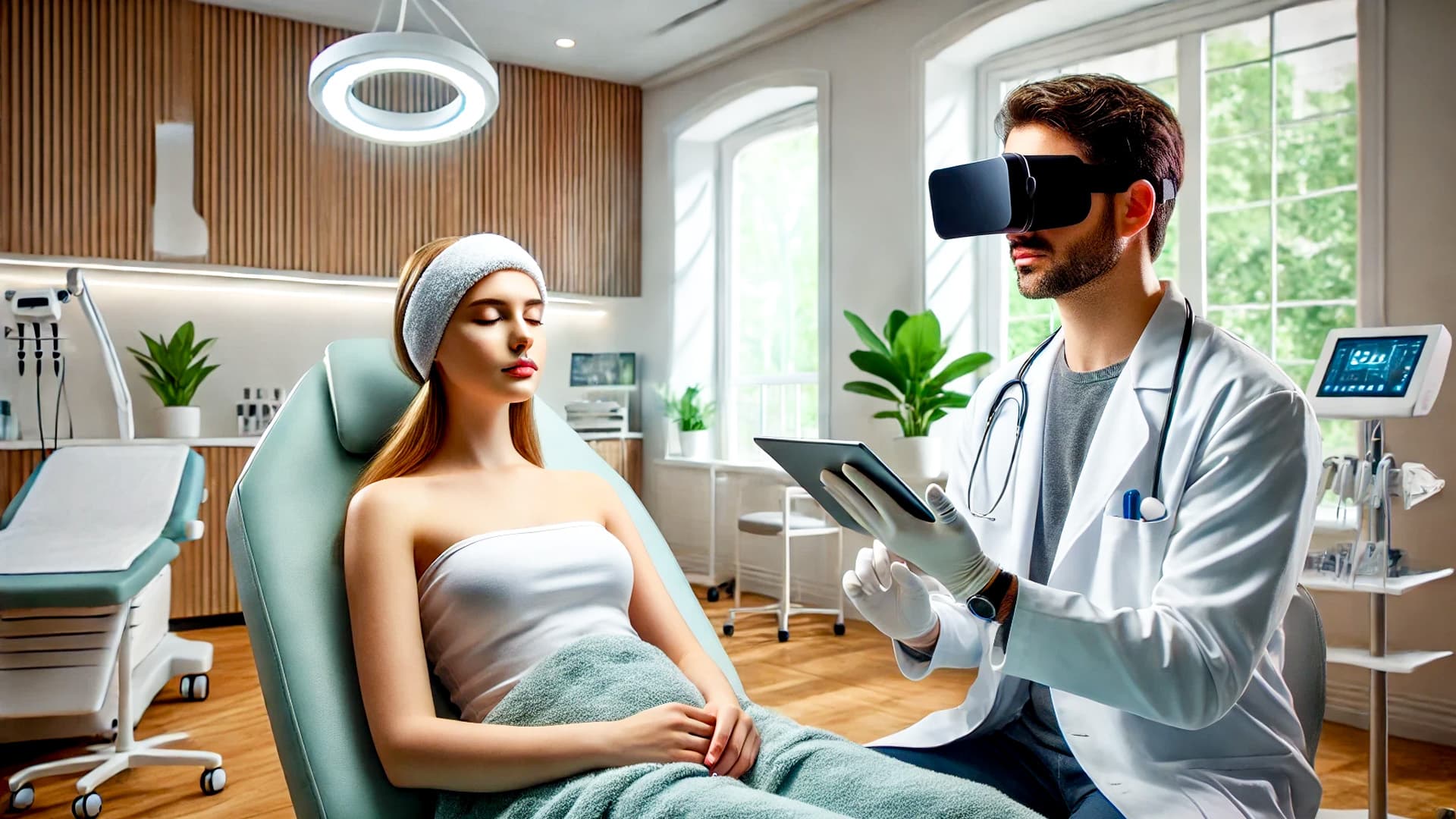
How AR and VR Transform Patient Care in Cosmetic Treatments
In the dynamic realm of cosmetic treatments, patient care has always been a cornerstone. As technology reshapes industries, cosmetic care has...
In the dynamic realm of cosmetic treatments, patient care has always been a cornerstone. As technology reshapes industries, cosmetic care has embraced the transformative power of augmented reality (AR) and virtual reality (VR). These cutting-edge tools are revolutionizing how patients engage with procedures, envision outcomes, and experience care. This article delves into the profound ways AR and VR are reshaping patient care in cosmetic treatments, blending innovation with empathy.
Understanding the Evolution of Cosmetic Treatments
From Traditional Methods to Technology-Driven Solutions
For many years, cosmetic treatments were rooted in traditional methods that relied on a high level of guesswork. Patients had to rely on verbal descriptions or static images to envision their post-procedure look, often leading to uncertainty and unrealized expectations. Traditional consultations, while informative, lacked the immersive, interactive elements that are so crucial for personalized care. The introduction of Augmented Reality (AR) and Virtual Reality (VR) has revolutionized the field by providing real-time, interactive simulations that allow patients to "see" the results of treatments before committing. These technologies enable more detailed and personalized visualizations of potential outcomes, improving accuracy and helping both the patient and practitioner align expectations. As a result, AR and VR not only refine the aesthetic outcomes but also build stronger trust and communication between patients and their medical professionals, resulting in a more satisfactory overall experience.
The Role of Patient Experience in Cosmetic Care
Patient satisfaction now goes beyond the mere success of a procedure; it extends into the entire experience, from consultation to recovery. As expectations continue to rise, ensuring a positive experience has become a critical aspect of cosmetic care. Immersive technologies like AR and VR play a pivotal role in this process by giving patients a clearer, more accurate understanding of what to expect. These virtual tools allow patients to see and interact with the planned changes, providing a sense of control and reassurance. By reducing uncertainty and visualizing potential results, these technologies alleviate the anxiety that often accompanies cosmetic procedures, making patients feel more confident in their decisions and fostering a more open dialogue with their practitioners.
Why AR and VR are the Perfect Fit for Cosmetic Treatments
Cosmetic treatments demand an extraordinary level of precision and personalization to ensure optimal results. This is where AR and VR technologies come in, offering the ideal solutions for both patient and professional needs. These tools allow for highly accurate simulations that can visualize outcomes with remarkable detail. Additionally, AR and VR can assist surgeons in planning procedures with unparalleled precision, helping guide their hands during surgeries or treatments. The ability to try on cosmetic changes virtually through AR also empowers patients to explore different options and make informed decisions. With their capacity for real-time feedback and customization, AR and VR not only enhance the quality of cosmetic care but also support the industry's mission to prioritize both aesthetic enhancement and patient safety.
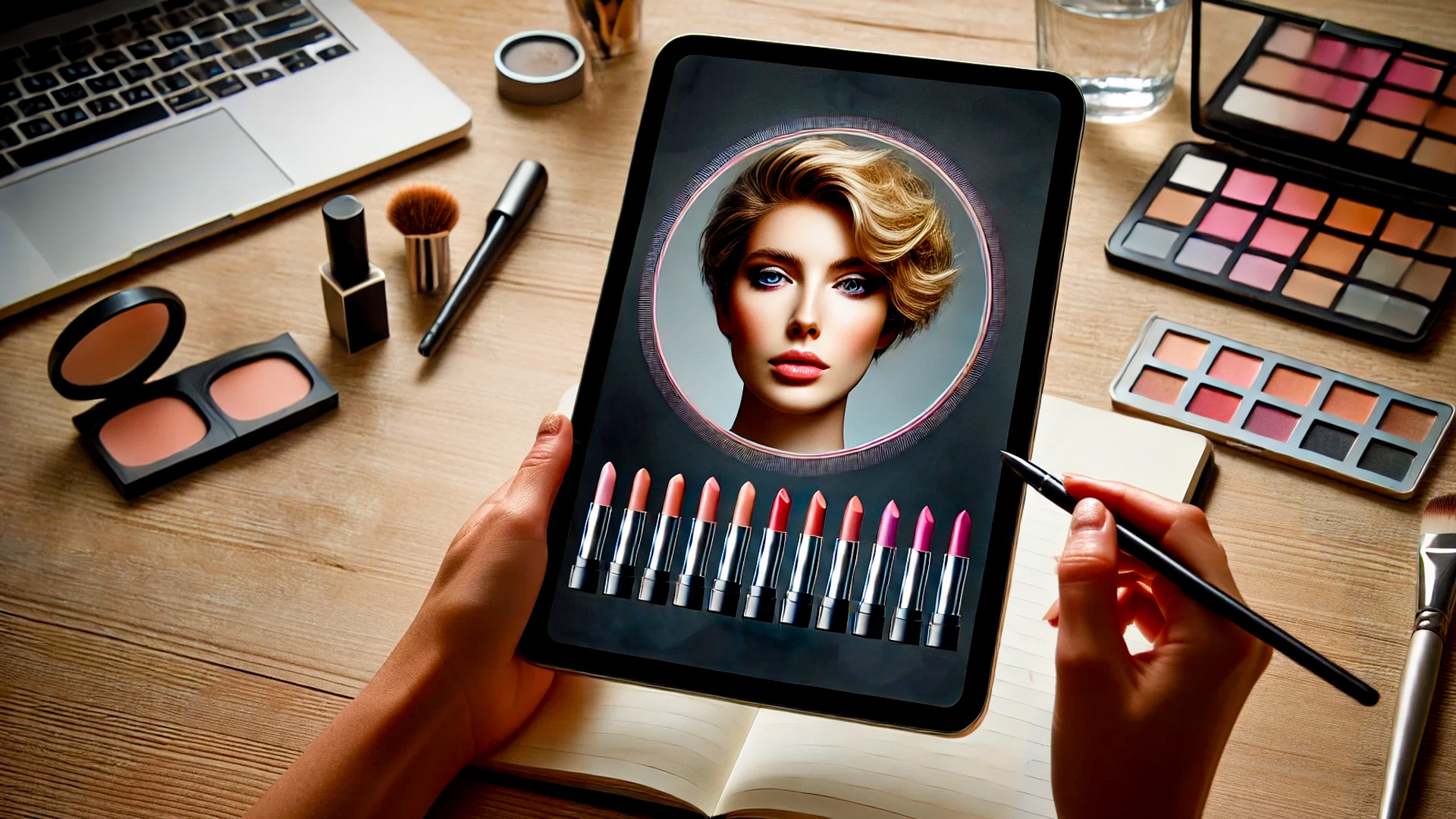
The Basics of AR and VR in Healthcare
Defining Augmented Reality and Virtual Reality in Medicine
Augmented Reality (AR) and Virtual Reality (VR) represent groundbreaking technologies that are transforming healthcare. AR overlays digital content, such as 3D images or simulations, onto the real world, enhancing how healthcare professionals interpret and engage with physical spaces. For example, doctors can use AR to view real-time diagnostic data or 3D models of anatomy while performing a procedure. On the other hand, VR immerses users entirely in a computer-generated environment, isolating them from the physical world. This immersive experience is especially valuable in medical training, allowing students to practice complex procedures in a risk-free environment. These technologies are no longer confined to entertainment and gaming but are now essential tools in medicine, enabling better visualization, more accurate simulations, and more effective training.
How AR and VR Technologies Work Together in Cosmetic Care
In cosmetic treatments, AR and VR are used in complementary ways to enhance the patient experience. AR assists in showing patients realistic, real-time digital enhancements overlaid on their own features. For example, a patient considering a facelift can see how different adjustments would look on their face, making the decision-making process easier and more informed. VR, in contrast, takes this a step further by immersing the patient in a fully simulated environment, where they can virtually experience potential outcomes before proceeding. This combination of AR's digital projections and VR's immersive simulations allows patients to gain a deeper understanding of the procedure and its results, reducing the fear of uncertainty and enabling them to make confident decisions.
Advantages of Immersive Technologies Over Traditional Tools
Traditional tools like static models, 2D images, or verbal descriptions often leave patients with unanswered questions or unclear expectations. AR and VR technologies, however, offer a dynamic, personalized approach that enhances the patient experience. By visualizing procedures in real time, patients feel more empowered, reducing anxiety and helping them make well-informed decisions. These technologies also give practitioners the ability to fine-tune their planning and improve accuracy, streamlining the entire process. Additionally, immersive tools foster a deeper sense of trust, as patients can fully engage in and understand the procedures they are about to undergo, ensuring a more transparent, confident, and satisfactory healthcare experience.
Enhancing Patient Engagement with AR and VR
Personalized Consultations Through Virtual Previews
AR and VR have revolutionized patient consultations by offering a level of personalization previously impossible in traditional settings. Through AR, patients can see digital simulations of proposed changes directly on their own body, such as imagining how a rhinoplasty might alter the shape of their nose or previewing the effects of a skin rejuvenation treatment. VR takes this a step further by immersing patients in a fully simulated environment, allowing them to experience potential outcomes from multiple angles and perspectives. This advanced technology not only provides clearer expectations but also fosters excitement and confidence. The ability to see changes in real-time, with options to adjust and experiment with different looks, empowers patients to make informed, comfortable decisions while giving practitioners the opportunity to tailor their advice and treatment plans more accurately.
Building Trust with Interactive and Transparent Processes
Trust is a cornerstone of cosmetic care, and AR and VR help build that trust by transforming patients from passive participants to active collaborators in their treatment planning. Instead of relying solely on verbal explanations or static images, patients can now interact with digital models that demonstrate the specifics of each procedure. These models can highlight every detail of a treatment, showing patients precisely how their appearance will change, step by step. This transparency ensures that patients are not only informed but also reassured throughout their journey. When patients feel fully involved in their decision-making process, they are more likely to trust both the process and the practitioner, leading to a more positive experience.
Addressing Patient Concerns with Real-Time Visualization
One of the most significant barriers to cosmetic procedures is the fear of the unknown. Patients often worry about how they will look post-procedure or whether the results will meet their expectations. AR and VR help to alleviate these concerns by providing real-time, detailed visualizations of what the patient can expect. Whether it’s a preview of a facial enhancement or a body contouring procedure, seeing the potential results firsthand gives patients a clearer understanding of the outcomes. This visualization not only reduces anxiety but also helps patients make more confident choices about their care. Real-time feedback allows for modifications to be made on the spot, ensuring patients feel satisfied with their decisions, ultimately leading to a higher level of overall satisfaction with the treatment.
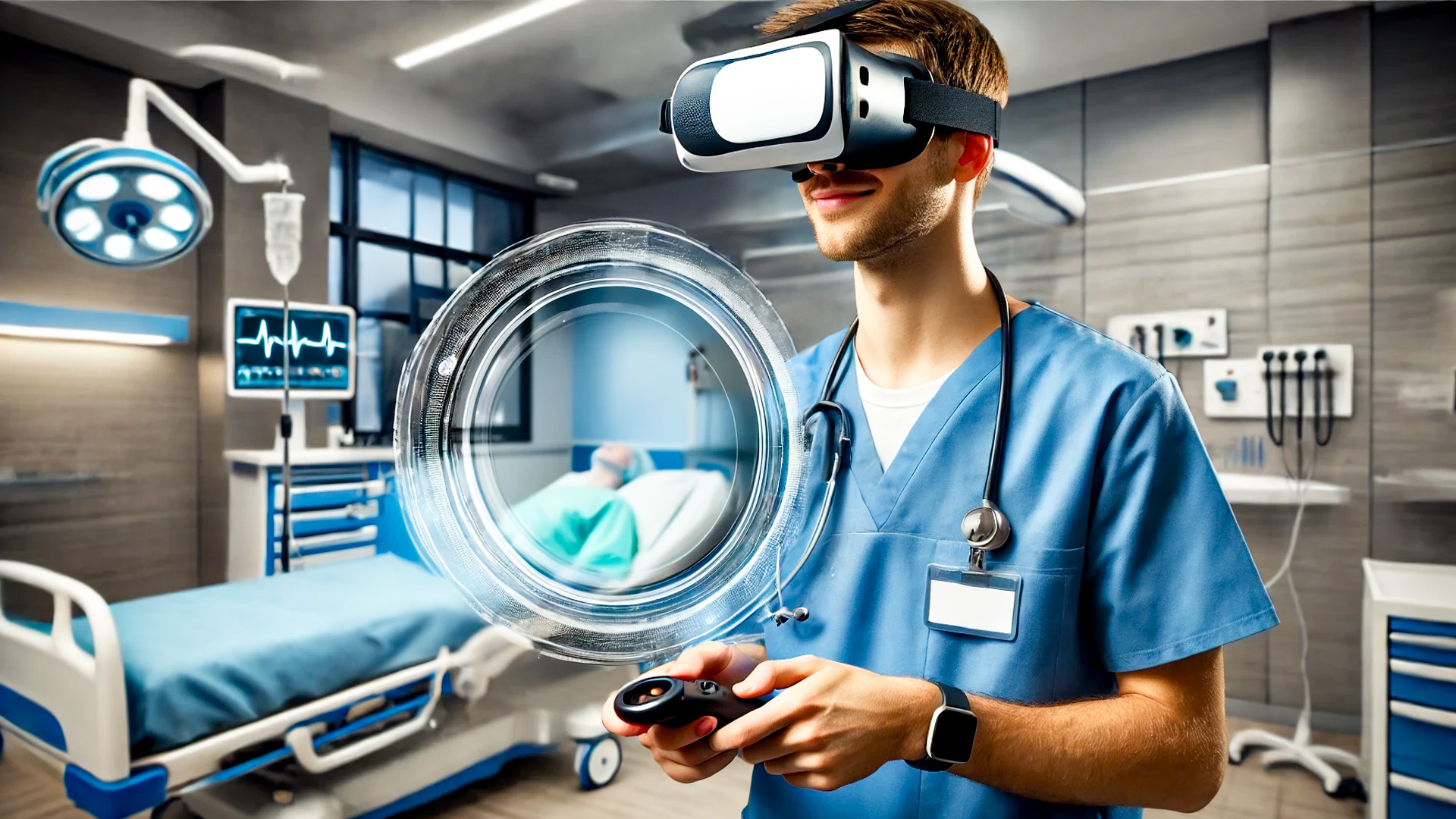
Transforming Cosmetic Procedures with AR and VR
AR-Assisted Precision in Cosmetic Surgeries
Augmented Reality (AR) has transformed the precision with which cosmetic surgeons perform procedures. By superimposing digital overlays onto the patient’s body, AR provides real-time, detailed visualizations that guide surgeons through complex surgeries. These overlays can display critical information, such as the precise location of tissues, blood vessels, or muscles, helping surgeons navigate delicate areas more accurately. This level of precision is invaluable, especially in facial surgeries where small adjustments can have a significant impact on results. By acting as a virtual blueprint, AR helps minimize human error, ensuring that each incision and adjustment aligns with the intended outcome. As a result, AR not only enhances the quality of cosmetic surgeries but also increases patient safety by reducing the risk of complications.
VR Simulations for Training Cosmetic Surgeons
Virtual Reality (VR) has revolutionized the way cosmetic surgeons are trained. Through immersive simulations, surgeons can practice complex procedures in a controlled, risk-free environment. This virtual practice enables them to refine their skills, learn new techniques, and experience a wide range of scenarios they might not encounter frequently in real-life surgeries. By simulating various types of procedures, from facelifts to liposuction, VR allows surgeons to build muscle memory and improve their decision-making abilities, all without the pressure of working on live patients. This advanced training method enhances the surgeon's competence and confidence, ensuring that they are better prepared when performing cosmetic surgeries on actual patients. The result is a higher standard of care, with fewer mistakes and more successful outcomes.
Reducing Risks with Advanced Predictive Models
One of the most promising applications of AR and VR in cosmetic surgery is their ability to predict and mitigate risks before a procedure begins. Through VR simulations, surgeons can simulate potential challenges and explore different treatment scenarios in a virtual environment. This allows them to identify areas of concern, such as complications with the anatomy or the potential for undesirable outcomes, early on. In parallel, AR can assist by offering predictive overlays during the surgery itself, alerting the surgeon to any unexpected obstacles or deviations from the plan. By enabling practitioners to anticipate issues and adapt their strategies in real-time, these technologies contribute to safer, more successful cosmetic procedures. As a result, both patient safety and procedural success are significantly improved, making AR and VR indispensable tools in modern cosmetic care.
Improving Post-Treatment Care and Follow-Ups
Virtual Reality in Recovery Monitoring and Support
The post-treatment phase can often be the most challenging part of the cosmetic care journey. While patients may feel anxious about healing and progress, Virtual Reality (VR) offers an innovative solution to ease this process. VR can guide patients through personalized recovery exercises, ensuring they perform them correctly and consistently for optimal results. It can also simulate real-time feedback, showing patients how their recovery is progressing, whether it’s improving mobility or promoting proper healing techniques. By providing an immersive, engaging experience, VR helps to reduce feelings of isolation or uncertainty during recovery. Furthermore, it allows for continuous monitoring, offering virtual consultations or check-ins to assess recovery progress, all from the comfort of the patient’s home. This reduces the need for frequent in-person visits and enhances the overall patient experience.
AR Tools for Real-Time Progress Tracking
Augmented Reality (AR) has made significant strides in improving the way both patients and practitioners track recovery progress. By using AR applications, patients can visually compare their healing stages through digital overlays, which show side-by-side images or highlight areas of improvement in real time. These interactive elements provide clear visual cues of how the body is responding to the treatment, ensuring that patients and healthcare providers are aligned on recovery goals. AR can also alert both parties to any potential complications, such as uneven healing or signs of infection, allowing for quicker intervention if necessary. By empowering patients with a direct understanding of their progress, AR helps to minimize anxiety, build trust, and foster a sense of involvement throughout the healing process.
Enhancing Patient Satisfaction with Immersive Post-Treatment Feedback
Patient satisfaction extends well beyond the outcome of a procedure itself—it includes the emotional and psychological impact of the entire journey. Immersive feedback tools, powered by AR and VR, play a critical role in reinforcing the success of cosmetic treatments. By offering before-and-after comparisons in interactive formats, patients can clearly visualize the improvements in their appearance. These immersive visualizations help patients recognize the value of the procedure, boosting their satisfaction and confidence in the results. Additionally, seeing their transformation in a dynamic, engaging way provides positive reinforcement, increasing their overall sense of accomplishment and contentment with their decision. This tangible representation of success not only supports patient morale but also strengthens the relationship between practitioners and patients, creating a more positive and rewarding experience overall.
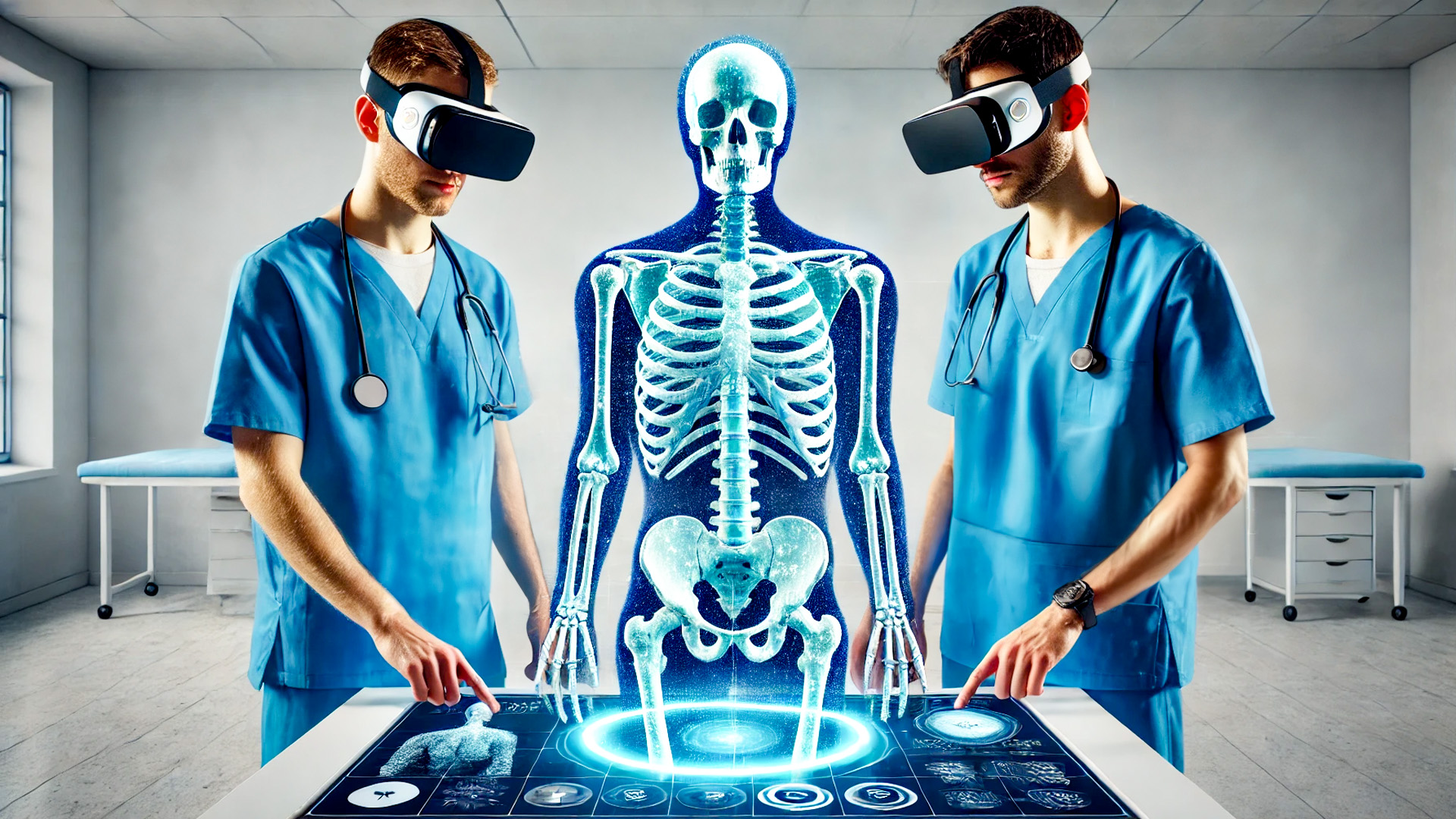
The Future of AR and VR in Cosmetic Treatments
Emerging Innovations in Cosmetic Technology
The future of cosmetic treatments is poised for even greater transformation with the integration of Artificial Intelligence (AI) alongside Augmented Reality (AR) and Virtual Reality (VR). AI has the potential to enhance these technologies by providing predictive analytics, allowing for real-time adjustments to procedures based on a patient’s unique characteristics. For example, AI could analyze facial features and suggest the most flattering cosmetic changes, optimizing AR simulations in real time. Automated simulations will also make consultations more efficient, allowing patients to virtually "try on" different looks quickly and accurately. These innovations will not only personalize cosmetic care but also enhance decision-making for both practitioners and patients, making cosmetic procedures more tailored and precise. As AI and AR/VR technologies converge, they promise to create highly individualized, seamless experiences for those seeking cosmetic treatments.
Overcoming Challenges and Barriers to Adoption
While the potential of AR and VR in cosmetic treatments is vast, the path to widespread adoption is not without challenges. One of the most significant barriers is the high cost of these technologies, which may deter smaller practices or less affluent patients from accessing them. Additionally, there is a learning curve for practitioners who need to be trained in using these advanced tools, and the initial resistance to change in established practices can slow the adoption process. However, as these technologies become more accessible and cost-effective, and as more professionals receive training, the barriers to entry will diminish. It's essential for industry leaders and policymakers to address these challenges, ensuring that AR and VR tools are available to a broader range of practitioners and patients, making advanced cosmetic care more equitable and accessible.
How AR and VR Will Shape the Next Decade of Patient Care
The next decade promises to be a transformative period for patient care in cosmetic treatments, as AR and VR technologies continue to evolve. These tools will further blur the line between imagination and reality, allowing patients to engage with their cosmetic goals in ways that were previously unimaginable. As technologies become more intuitive and integrated, procedures will become safer, more precise, and less invasive. The patient experience will also be elevated, with immersive tools that foster greater confidence and reduce anxiety. The future of cosmetic care will be centered around a more patient-centric approach, with every procedure tailored to the individual's unique desires and needs. By continuously advancing AR and VR capabilities, cosmetic treatments will not only provide enhanced aesthetic outcomes but will also ensure that patients feel more informed, supported, and empowered throughout their entire journey.
The impact of AR and VR on the cosmetic industry is undeniable. These technologies are already reshaping patient care by improving engagement, enhancing surgical precision, and revolutionizing post-treatment recovery. As AR and VR continue to evolve, they will work in harmony with empathy, creating a future where cosmetic treatments are not only about looking better but feeling better at every stage of the process. The integration of these technologies into everyday practice will redefine patient care, setting new standards of personalization, precision, and satisfaction in the cosmetic industry.
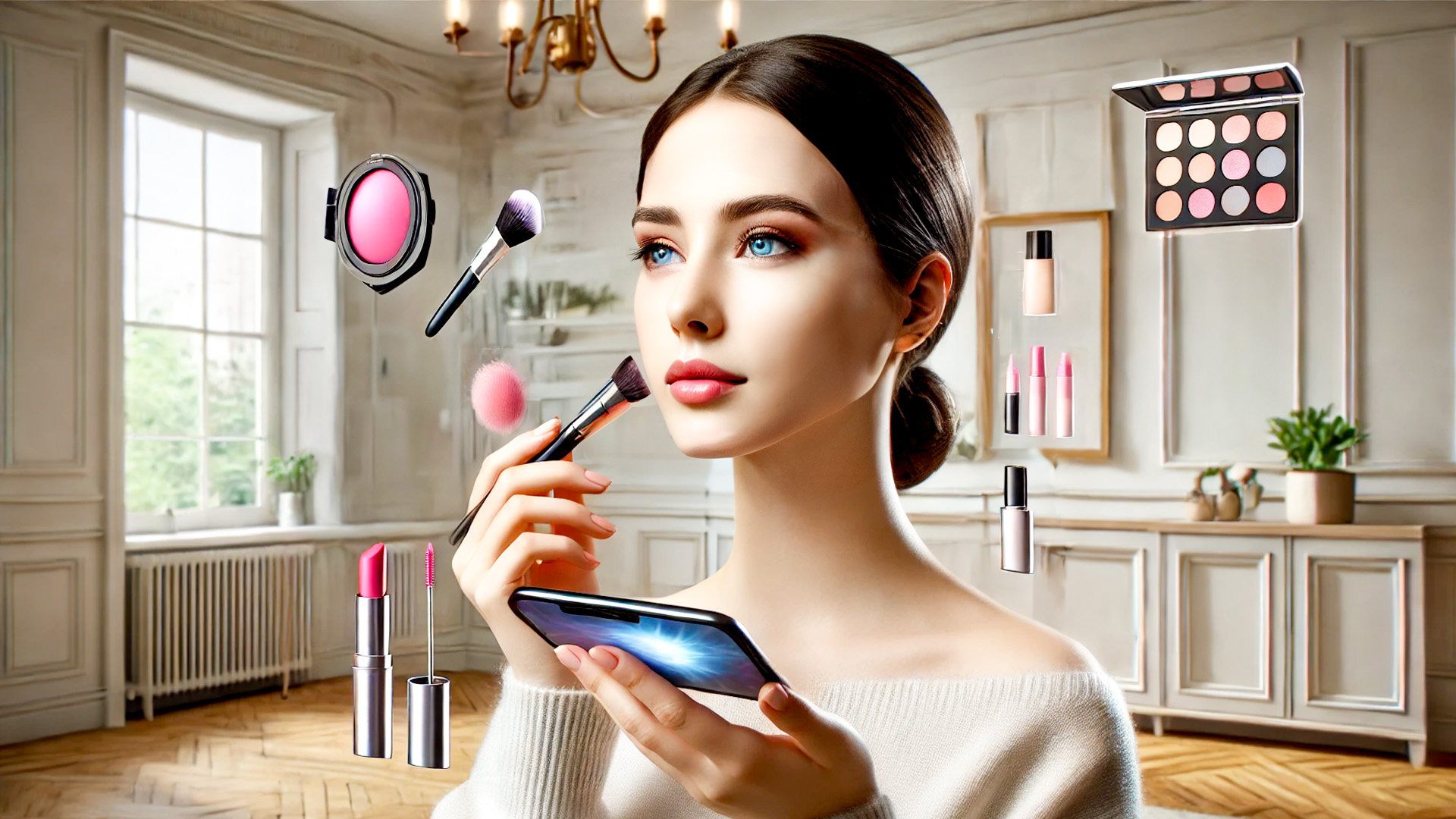
The Future Of Ar And Vr In Cosmetic Treatments
Author: Elisha Roodt
Durban's leading intelligence hub on immersive technology. Delivering comprehensive coverage, expert analysis, and breakthrough news on Virtual Reality (VR), Augmented Reality (AR), and the Metaverse.