
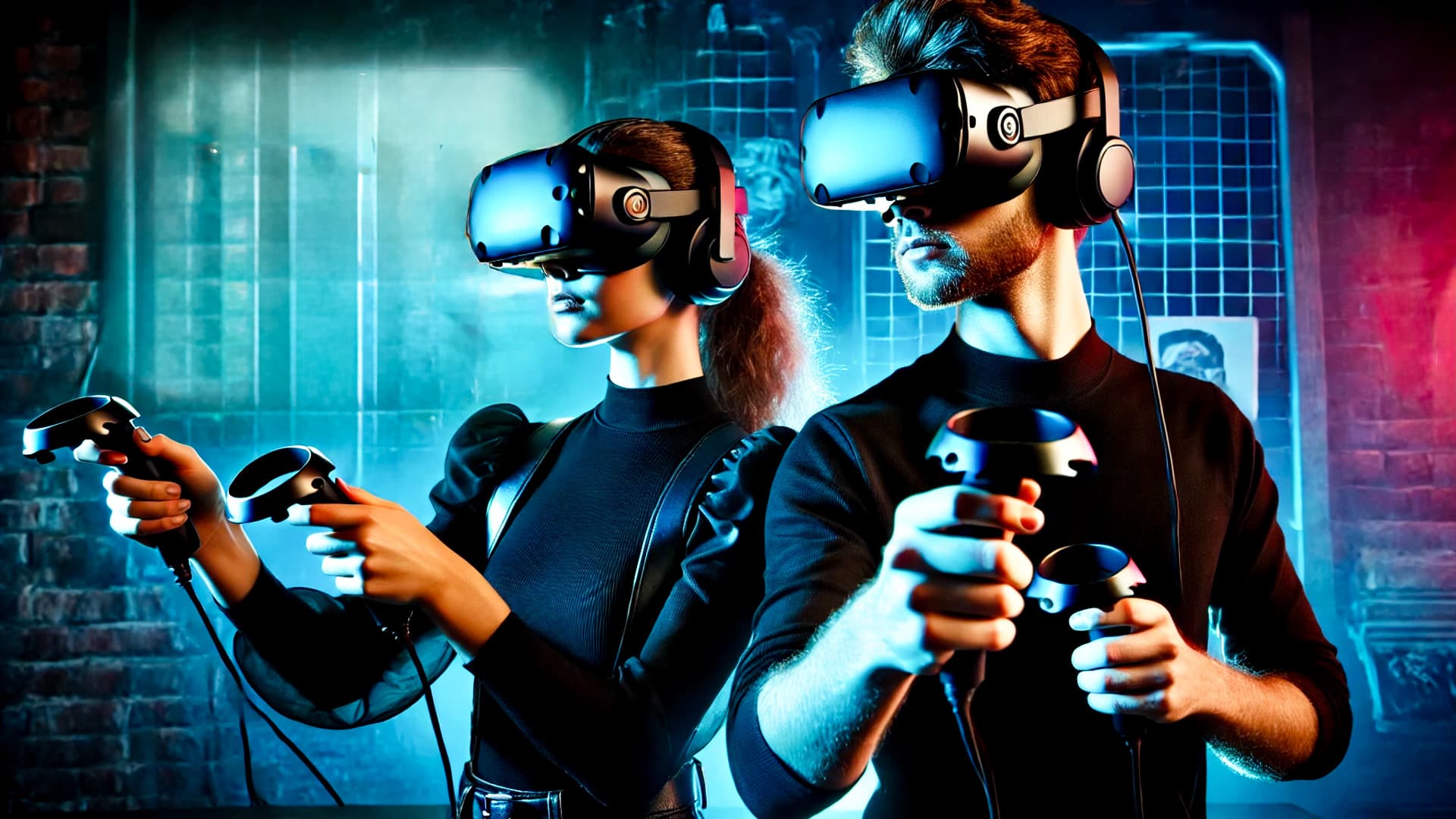
Gaming vs Real-Life Skills How VR Changes the Game
The Intersection of Gaming and Real-Life Skills The gaming world has often been viewed as an escape—a realm where players immerse themselves in...
The Intersection of Gaming and Real-Life Skills
The gaming world has often been viewed as an escape—a realm where players immerse themselves in virtual challenges far removed from the practical demands of real life. However, this perspective is evolving. Today, the lines between gaming and real-world skills are increasingly blurring, revealing surprising intersections that merit closer examination. From strategy and problem-solving to emotional resilience, the skills developed in virtual environments are finding their way into real-life applications, demonstrating that gaming can cultivate valuable life competencies. As technology advances, particularly with the advent of virtual reality (VR), this fusion of play and practicality offers a glimpse into the future of education, training, and personal development, reshaping how we perceive both leisure and learning.
How Virtual Reality is Bridging Digital Play with Practical Abilities
Virtual reality provides more than just visual immersion; it serves as a bridge between simulated gaming environments and real-world skill acquisition. Whether it’s flying a plane, performing surgery, or learning complex machinery, VR transforms abstract gameplay mechanics into hands-on experiences that feel incredibly authentic. This technology allows users to experiment, make mistakes, and learn without the real-world consequences that often accompany such high-stakes activities. For instance, medical students can practice surgical techniques in a risk-free environment, enhancing their confidence and competence before entering an operating room. It is in this overlap between entertainment and education that we begin to see the profound impact VR can have on human abilities. By gamifying the learning process, VR not only makes education more enjoyable but also more effective, as users are more likely to retain information when actively engaged.
The Growing Influence of VR on Learning and Development
The use of VR in educational settings is expanding rapidly, with schools, companies, and training facilities adopting immersive tools to accelerate learning across various disciplines. Educational institutions are increasingly recognizing the potential of VR to bridge theoretical knowledge with practical skills, creating more dynamic learning environments. For example, history lessons can come alive as students virtually explore ancient civilizations, while science classes can involve interactive experiments that bring complex concepts to life. VR helps learners engage more deeply by simulating real-world scenarios, making abstract concepts tangible and relatable. With the ability to immerse users in complex environments, VR fosters experiential learning that promotes better retention and engagement. This growing trend signals a shift from traditional, passive learning methods to active participation, where users not only consume information but also interact with it in meaningful ways. By harnessing the power of VR, educators can equip learners with the skills they need to thrive in an increasingly complex world, ultimately redefining the educational landscape for future generations.
The Appeal of Gaming in VR
Immersion Beyond the Screen: How VR Transforms Gameplay
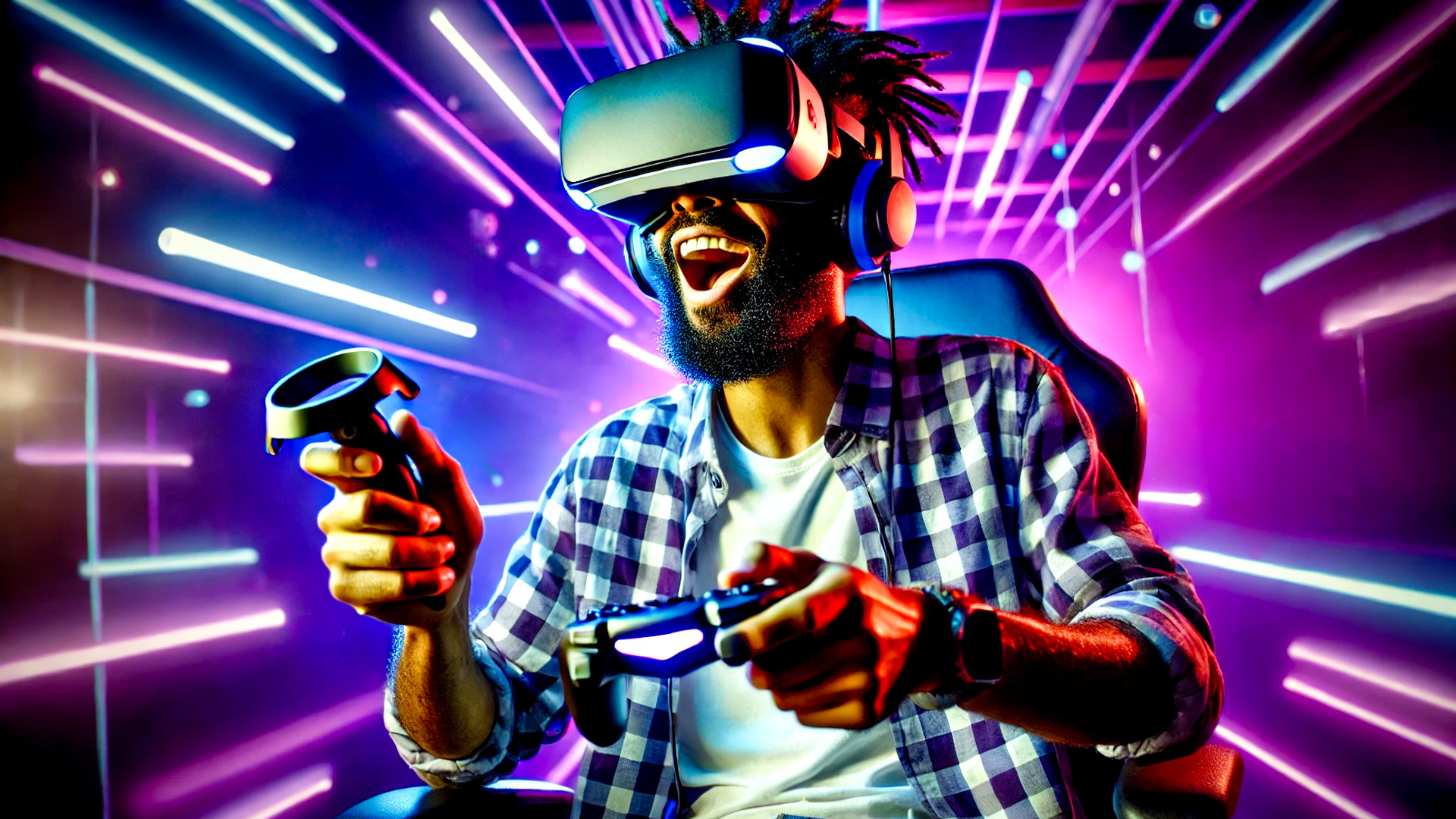
Virtual reality elevates gaming from mere button-pressing to full-body engagement, transforming the very essence of how players interact with digital worlds. Players become part of the universe they explore, moving through it physically and mentally, which creates a unique sensory experience. In VR, the immersion is so profound that it turns passive gaming experiences into active ones, fostering a genuine sense of presence that traditional gaming platforms struggle to replicate. This heightened engagement prompts players to invest emotionally and cognitively in their gameplay, leading to a deeper connection with both the game and the skills it requires. Whether navigating unfamiliar environments or mastering intricate mechanics, players find themselves not just playing a game but truly living it. As they encounter challenges, the physicality of VR enhances muscle memory and spatial awareness, further embedding the skills learned during gameplay into their repertoire.
Why Gamers Crave More than Just Entertainment in Virtual Worlds
Today’s gamers are increasingly seeking more than just a casual distraction; they desire experiences that challenge their minds, enhance their reflexes, and promote personal growth. This shift in motivation reflects a broader trend where players crave meaningful engagement over mere entertainment. Virtual reality caters to this hunger by presenting players with authentic, immersive challenges that test their limits. The gamified environments filled with realistic tasks provide not only entertainment but also a profound sense of accomplishment that extends far beyond the game itself. Players recognize that the skills they acquire—whether critical thinking, problem-solving, or teamwork—can have practical benefits in real-life situations. This desire for more profound experiences is fueling the development of VR games that prioritize complexity and depth, allowing players to experience growth and achievement in ways that resonate outside the virtual realm.
Real-World Scenarios Brought to Life through Gamified VR
One of the most compelling aspects of virtual reality is its ability to bring real-world scenarios to life through meticulously crafted simulations. Players engage in experiences that mirror real-life conditions, such as managing virtual businesses, conducting intricate medical procedures, or solving complex engineering puzzles. These scenarios are designed to require participants to think critically, strategize effectively, and perform under pressure, effectively mimicking real-world challenges. By gamifying these situations, VR transforms the learning process into something enjoyable and achievable, allowing players to develop and refine their skills in a safe and controlled environment. As they tackle these virtual challenges, they gain not just theoretical knowledge but also practical experience that can be directly transferred to everyday life. This blending of entertainment and education underscores the transformative potential of VR, positioning it as a powerful tool for personal and professional development in the modern world.
Key Skills Gamers Develop in VR
Critical Thinking and Problem Solving in High-Stakes Virtual Environments
Virtual games challenge players to make quick decisions with limited information, often putting them in high-pressure scenarios that mirror real-life dilemmas. In virtual reality, the stakes feel even higher due to the immersive nature of the environment, prompting players to develop critical cognitive skills. The intensity of VR experiences encourages players to analyze situations, consider multiple potential outcomes, and execute solutions with precision and confidence. For instance, a player navigating a disaster simulation must quickly evaluate their surroundings, identify resources, and formulate a plan to escape—a process that mirrors critical thinking in high-stress jobs like emergency response or military operations. As players engage with these demanding situations, they cultivate a mindset of adaptability and resourcefulness, essential traits in both personal and professional contexts. By amplifying these cognitive processes, VR stands out as a powerful tool for developing critical thinking and problem-solving abilities, equipping individuals with the skills necessary to tackle complex challenges in their daily lives.
Hand-Eye Coordination: Precision Training in VR Gaming
In the realm of virtual reality, gaming demands a level of physical coordination that traditional gaming formats cannot match. Players must synchronize their movements with precision, whether they are aiming a bow in an archery game, piloting a drone, or skillfully navigating through intricate virtual obstacles. This seamless interaction between visual cues and physical responses not only enhances gameplay but also serves as a robust training ground for developing hand-eye coordination. Such skill development is particularly valuable in various fields, including surgery, sports, and aviation, where precision and accuracy are paramount. For instance, surgical simulations in VR allow medical professionals to practice delicate procedures, honing their dexterity without the risk of harming a patient. By engaging in these immersive experiences, players gain practical skills that translate into real-world scenarios, making VR an effective training tool that bridges the gap between play and professional proficiency.
Collaboration and Teamwork: Multiplayer VR and Social Skills
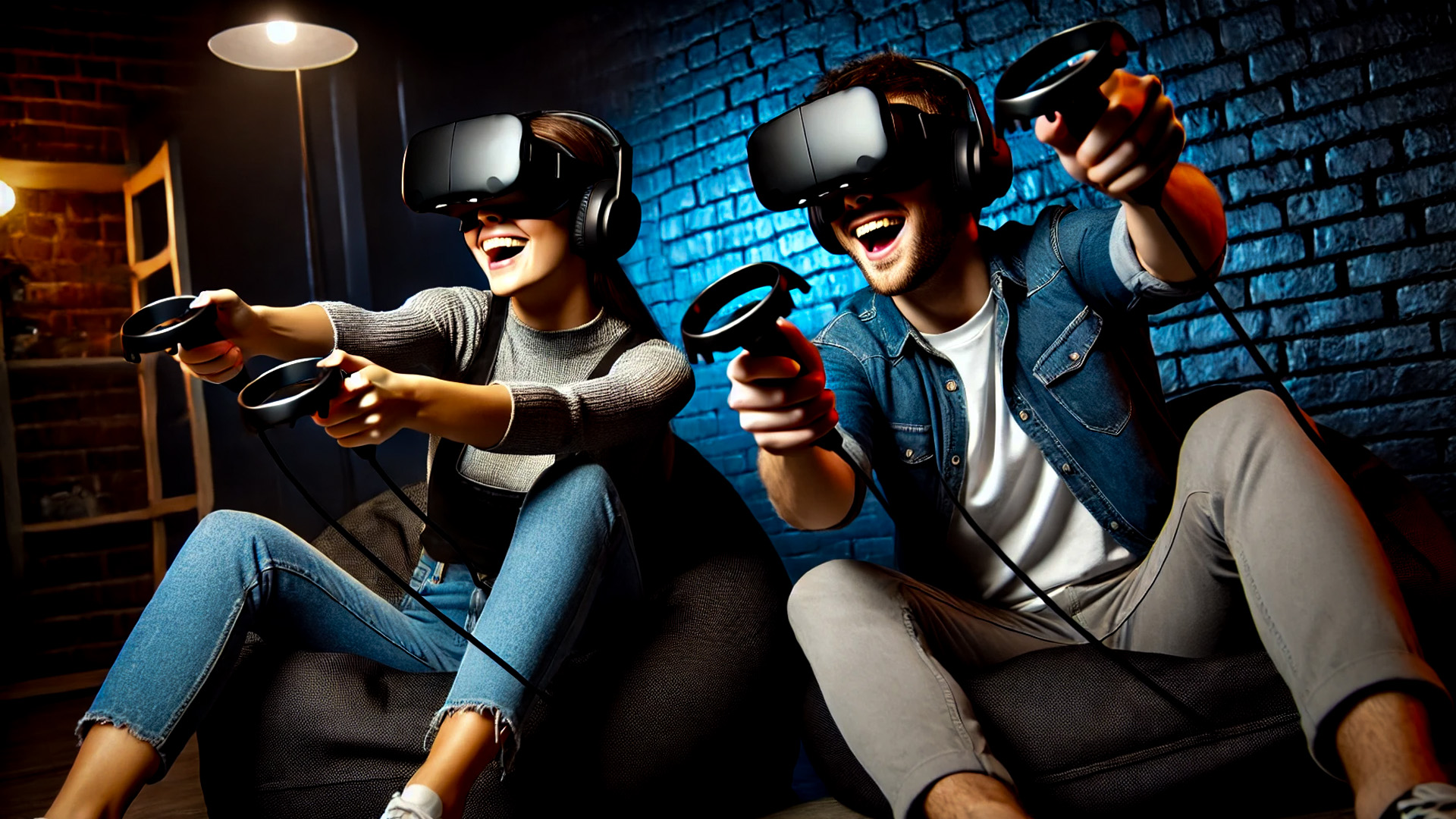
Multiplayer VR games offer a unique platform for emphasizing teamwork and communication, as players collaborate to achieve shared objectives in a dynamic environment. These experiences foster essential social skills, encouraging players to strategize, delegate tasks, and build trust with teammates. The immersive nature of VR enhances these interactions, making them more engaging and reflective of real-world team dynamics. For instance, players working together in a VR escape room must communicate effectively to solve puzzles, sharing insights and coordinating their actions to succeed. This collaborative effort mirrors workplace environments where teamwork is crucial for success. Moreover, the challenges presented in multiplayer VR games often require players to adapt their strategies based on group dynamics and individual strengths, further refining their ability to work collaboratively. By participating in these immersive multiplayer experiences, players not only enhance their social skills but also prepare themselves for real-life teamwork scenarios, demonstrating the profound impact of VR on personal and professional development.
Real-Life Applications of VR Skills
Professional Training Simulations: Gamers in Medicine and Aviation
Virtual reality offers a groundbreaking approach to realistic training simulations in high-stakes industries such as medicine and aviation. In these fields, the ability to practice complex procedures in a safe, controlled environment is invaluable. For instance, surgeons can simulate intricate operations using VR, allowing them to refine their techniques and familiarize themselves with surgical environments without the risk of harming real patients. Similarly, pilots can undergo training for emergency situations in virtual cockpits, experiencing the stress and unpredictability of in-flight emergencies without the dangers associated with actual flying. These immersive experiences not only enable professionals to hone their skills but also boost their competence and confidence. By practicing in VR, they can make mistakes, learn from them, and gain invaluable experience, ensuring they are better prepared for real-world challenges. As such, VR has emerged as a vital tool in professional training, enhancing the preparedness and proficiency of those in critical roles.
How VR Prepares Users for Real-World Decision Making under Pressure
One of the most significant advantages of virtual reality is its ability to place users in high-pressure situations where split-second decisions are crucial. These scenarios closely mirror real-life challenges, teaching participants to manage stress, maintain focus, and make effective decisions under duress. For example, VR firefighting simulations allow trainees to experience the chaos of a burning building, requiring them to think quickly and act decisively to ensure safety. Similarly, emergency response drills in virtual environments provide realistic training for first responders, helping them practice critical thinking and problem-solving in scenarios where every second counts. By repeatedly exposing users to these high-stakes situations, VR helps them build resilience and develop the mental fortitude necessary to perform under pressure. This preparation not only enhances their decision-making abilities but also instills a sense of confidence that can translate into their professional lives, ultimately improving outcomes in real-world emergencies.
From Virtual Sports to Real-World Competitions: Crossing Boundaries
The skills developed in virtual sports have proven to translate effectively into real-world performance, bridging the gap between digital play and athletic competition. Athletes increasingly utilize VR to improve their reflexes, enhance spatial awareness, and visualize strategies in ways that traditional training methods cannot match. For example, a basketball player can use VR to simulate game scenarios, practicing shooting from various angles and understanding defensive formations in a risk-free environment. This technology allows athletes to refine their techniques and mental strategies, ultimately leading to improved performance in actual competitions. Additionally, virtual competitions provide opportunities for individuals to engage in sports they may not have access to due to physical limitations, geographic constraints, or economic barriers. This expansion of participation redefines the traditional notion of competition, making sports more inclusive and accessible to a broader audience. By fostering these skills in both virtual and real-world contexts, VR not only enhances individual performance but also promotes a culture of competition that embraces diversity and inclusivity.
The Psychology Behind VR’s Impact on Skills
How VR Stimulates Cognitive Functions and Memory Retention
Research has shown that immersive virtual reality experiences can significantly stimulate multiple cognitive functions, including spatial awareness, memory, and problem-solving abilities. Unlike traditional learning methods, VR engages the brain in novel ways by creating immersive environments that demand active participation. For example, when navigating a virtual landscape, users must orient themselves and remember their surroundings, enhancing their spatial awareness. Similarly, VR scenarios often involve problem-solving tasks that require players to think critically and apply knowledge in real-time. This multi-faceted cognitive engagement not only aids in understanding complex concepts but also helps users retain information longer and more effectively. The immersive nature of VR allows for repeated exposure to information in varied contexts, reinforcing learning and enhancing memory retention. As such, VR has emerged as an exceptional tool for both personal development and educational purposes, providing learners with an interactive platform that transforms how they acquire and retain knowledge.
Emotional Intelligence Gained Through Empathy-Focused VR Games
Certain VR games are specifically designed to foster empathy by placing players in the shoes of others, providing a unique opportunity to experience life from different perspectives. These immersive experiences challenge players to navigate scenarios that reflect the struggles and emotions of various individuals. For instance, a game that simulates the experience of a refugee may require players to make choices that affect their survival, compelling them to confront real-world issues such as displacement and trauma. Such interactions cultivate emotional intelligence by helping users understand the complexities of different life experiences. By engaging with narratives that highlight social issues, players are prompted to reflect on their values, beliefs, and attitudes towards others. This capacity for empathy is crucial in fostering compassion and understanding in an increasingly interconnected world. Unlike traditional media, which often provides a more passive consumption of stories, VR’s immersive nature engages players on a deeper emotional level, allowing them to internalize and appreciate diverse perspectives in profound ways.
Breaking Barriers: VR’s Role in Overcoming Social Anxiety
Virtual reality serves as a powerful tool for individuals looking to overcome social anxiety by providing a safe space to practice social interactions without the fear of judgment. In these controlled environments, users can engage in various social scenarios, from casual conversations to more complex interactions, allowing them to build confidence in their communication skills. This therapeutic aspect of VR offers an invaluable resource for those struggling with anxiety, as it allows for gradual exposure to social situations in a non-threatening manner. By simulating real-life encounters, users can rehearse and refine their social skills, learning to navigate interactions with greater ease. The ability to practice these skills in a virtual setting can significantly reduce the apprehension associated with real-world situations, ultimately improving mental health and social functioning. This innovative approach highlights VR's potential as a complementary therapy for mental health issues, empowering individuals to confront their fears and develop the interpersonal skills necessary for a fulfilling social life. As the technology continues to evolve, its role in promoting mental wellness and enhancing social confidence is likely to expand, offering hope and healing to many.
Challenges and Limitations of VR for Skill Building
The Digital vs Physical Divide: Where VR Still Falls Short
Despite its numerous advantages, virtual reality cannot fully replicate the richness of physical experience. While VR offers an immersive environment that can simulate various scenarios, certain skills, particularly those requiring muscle memory and tactile feedback, are challenging to reproduce. For example, a surgeon may excel in a virtual environment, practicing intricate procedures, but the absence of real-world sensations—like the feel of tissue or the resistance of surgical instruments—can lead to a gap in practical skills. This limitation highlights the importance of integrating VR training with hands-on practice in real-world settings. Comprehensive skill development necessitates a balanced approach that combines the innovative aspects of VR with the irreplaceable nuances of physical experience. By acknowledging this digital versus physical divide, educators and trainers can create hybrid learning models that leverage the strengths of both modalities, ensuring that individuals are not only knowledgeable but also adept in practical applications.
Time Management Struggles: Balancing Game Time with Real Life
The immersive nature of VR can easily lead users to lose track of time, making it challenging to balance virtual experiences with real-world responsibilities. The captivating environments and engaging gameplay can draw individuals in, often resulting in extended sessions that disrupt daily routines. This phenomenon raises concerns about time management and the potential for VR to become more of a distraction than a productive tool. It is crucial for users to develop strategies for managing their time effectively, setting boundaries on how long they spend in virtual environments. Establishing routines that prioritize real-life commitments while allowing for enjoyable VR experiences can help mitigate the risk of overindulgence. Additionally, developers can play a role by incorporating features that promote healthy gaming habits, such as reminders or limits on session lengths. By fostering a balanced approach, users can maximize the benefits of VR without sacrificing their responsibilities or well-being.
Accessibility Issues: Who Gets to Benefit from VR’s Potential
As VR technology continues to advance, one significant challenge remains: accessibility. Not everyone has access to the latest VR hardware and software, creating a disparity between those who can leverage its benefits and those who cannot. The high costs associated with VR equipment, along with the technical infrastructure required for effective usage, limit the reach of this powerful tool. Consequently, this raises important questions about how to make VR more accessible to a wider audience, including students in underfunded schools, individuals in low-income communities, and those with disabilities. Efforts to address these accessibility issues could include developing more affordable VR solutions, creating programs that provide access to technology in public spaces like libraries and community centers, and designing inclusive VR experiences that cater to diverse needs. By prioritizing accessibility, we can ensure that the transformative potential of VR is available to all, fostering greater equity in education and skill development opportunities across various demographics. This approach will not only enhance the reach of VR but also enrich the experiences of those who may benefit most from its innovative capabilities.
The Future of VR in Skill Development
Emerging Trends: New VR Platforms for Education and Training
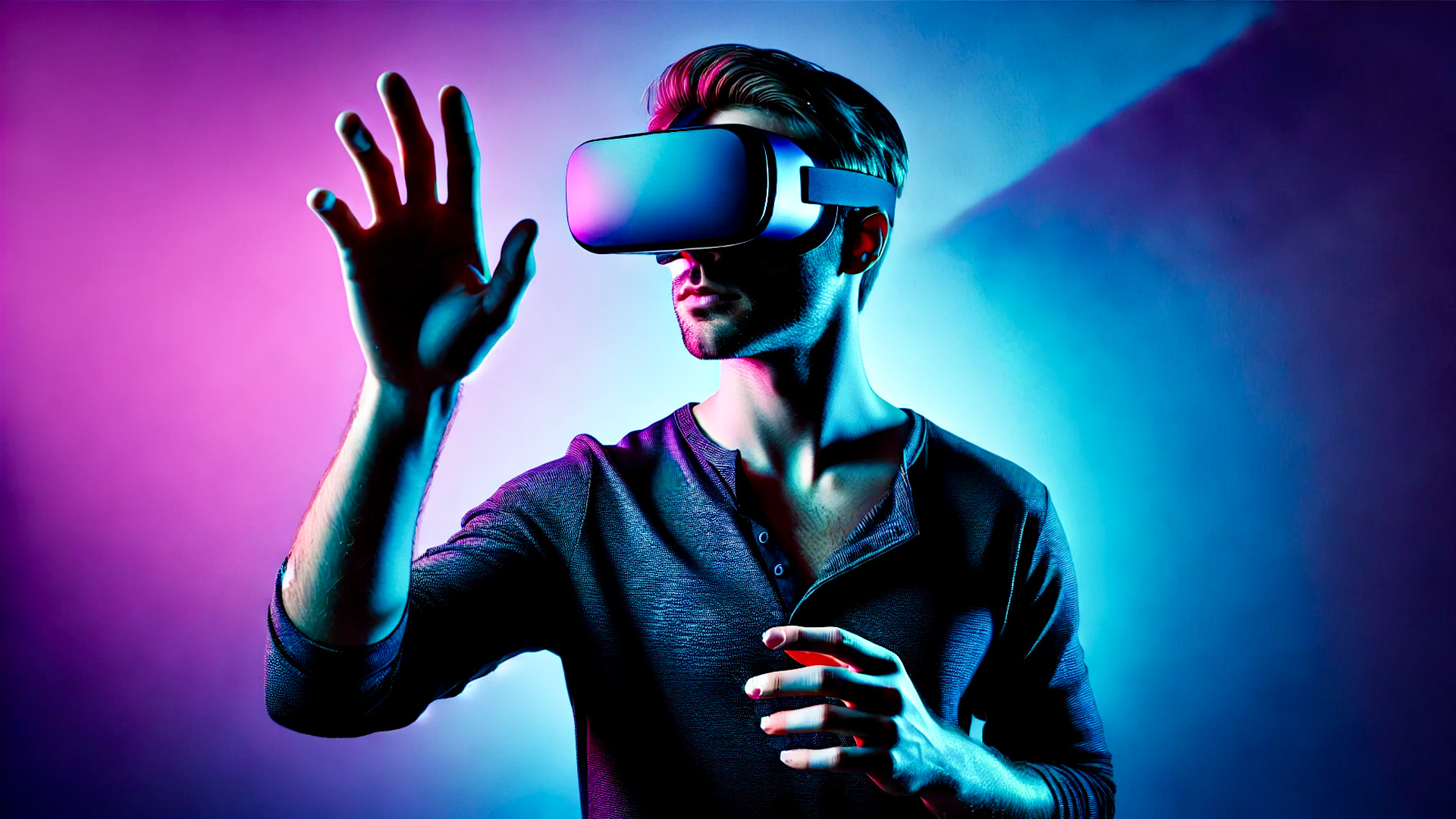
The future of virtual reality (VR) is increasingly focused on its transformative potential in education and professional training. New platforms are emerging that integrate VR into various settings, including classrooms, corporate training programs, and skill development initiatives. These innovations are reshaping how learning occurs, making it more interactive and immersive than ever before. For instance, platforms like ENGAGE and Oculus for Business are being adopted in educational institutions to facilitate virtual classrooms where students can engage in realistic simulations, enhancing their understanding of complex subjects. In corporate environments, VR is being used to create training modules that allow employees to practice skills in lifelike scenarios, from customer service interactions to technical operations. This shift towards immersive learning experiences not only boosts engagement but also promotes better retention of knowledge by providing hands-on opportunities to apply concepts in real-time. As these new VR platforms continue to evolve, they hold the promise of revolutionizing education and training, making learning experiences more engaging, effective, and tailored to individual needs.
Will VR Replace Traditional Learning Methods? What Experts Predict
Despite the exciting possibilities that VR presents, experts remain divided on whether it will fully replace traditional learning methods or simply complement them. Some education specialists predict that VR will become an essential component of the educational landscape, fundamentally altering how information is delivered and consumed. They argue that the immersive nature of VR fosters deeper engagement and retention, making it particularly effective for complex subjects that benefit from visualization. On the other hand, many educators emphasize the importance of a blended approach that combines the strengths of both virtual and real-world experiences. This perspective suggests that while VR can enhance learning, it should not entirely replace traditional methods, which offer their own unique benefits, such as social interaction and hands-on experience. Ultimately, the consensus is that integrating VR into a comprehensive educational strategy can create a more holistic learning environment, leveraging the strengths of both modalities to optimize student outcomes.
Where Gaming, VR, and Real-Life Skills Meet in the Metaverse
The concept of the metaverse promises to elevate the integration of gaming, VR, and real-life skills to unprecedented levels. In this expansive digital universe, users can seamlessly transition between entertainment, education, and work, blurring the boundaries between these domains. The metaverse represents the next frontier in VR’s evolution, providing a platform where individuals can engage in immersive learning experiences while simultaneously enjoying recreational activities. In the metaverse, gamers can develop skills that are directly applicable to real-world situations, such as collaboration, critical thinking, and problem-solving, all while participating in dynamic and entertaining environments. For example, users might engage in virtual training sessions that replicate real-life scenarios or collaborate with peers on projects, fostering teamwork in a digital landscape. This convergence of gaming, VR, and practical skills opens up exciting possibilities for both personal development and professional growth, creating a rich tapestry of learning and interaction that can transform how we work and play. As the metaverse continues to develop, it has the potential to redefine our understanding of education, training, and the ways we connect with one another in a digital age.
Recapping the Journey from Virtual Gaming to Real-Life Mastery
The transition from gaming to real-life mastery exemplifies the transformative potential of virtual reality (VR). By seamlessly merging entertainment with skill development, VR creates a distinctive pathway for personal and professional growth. This innovative blend of play and practicality is reshaping how we learn and evolve, empowering individuals to translate the skills they acquire in virtual environments into tangible real-world applications. For instance, the strategic thinking and teamwork fostered in multiplayer games can directly enhance collaboration and problem-solving abilities in professional settings. As learners navigate these immersive landscapes, they develop competencies that are increasingly relevant in today’s complex world, paving the way for a future where gaming and skill mastery coexist harmoniously.
Why VR is More Than Just a Game-Changer for the Future
Virtual reality is not merely a game-changer; it is redefining the landscape of education, training, and human interaction. With its capacity to create immersive and interactive environments, VR offers a revolutionary approach to learning that goes beyond traditional methods. As technology advances, VR is expected to play an increasingly significant role in shaping the future of learning and skill acquisition. Educational institutions and corporate training programs are rapidly integrating VR to provide learners with hands-on experiences that enhance engagement and retention. For example, medical students can practice complex surgeries in a risk-free virtual environment, while corporate teams can engage in simulated scenarios that enhance collaboration and decision-making. This evolution in learning paradigms signifies a fundamental shift towards experiential education, where knowledge is not only acquired but actively applied.
Call to Action: Exploring VR for Skill Development Beyond Entertainment
The time to explore the immense potential of virtual reality is now. Whether for personal development, professional growth, or simply for enjoyment, VR presents endless opportunities to learn and evolve. As individuals seek innovative ways to enhance their skills and adapt to the demands of a rapidly changing world, embracing this technology can unlock new possibilities for transformative experiences. From immersive training programs to engaging educational content, VR offers a rich landscape for exploration and growth. By incorporating VR into our daily lives, we can redefine how we approach learning and personal development, fostering a culture that values innovation, creativity, and continuous improvement. Let’s seize this opportunity to harness the power of VR, transforming the way we think, play, and grow, and paving the way for a brighter future for ourselves and generations to come.
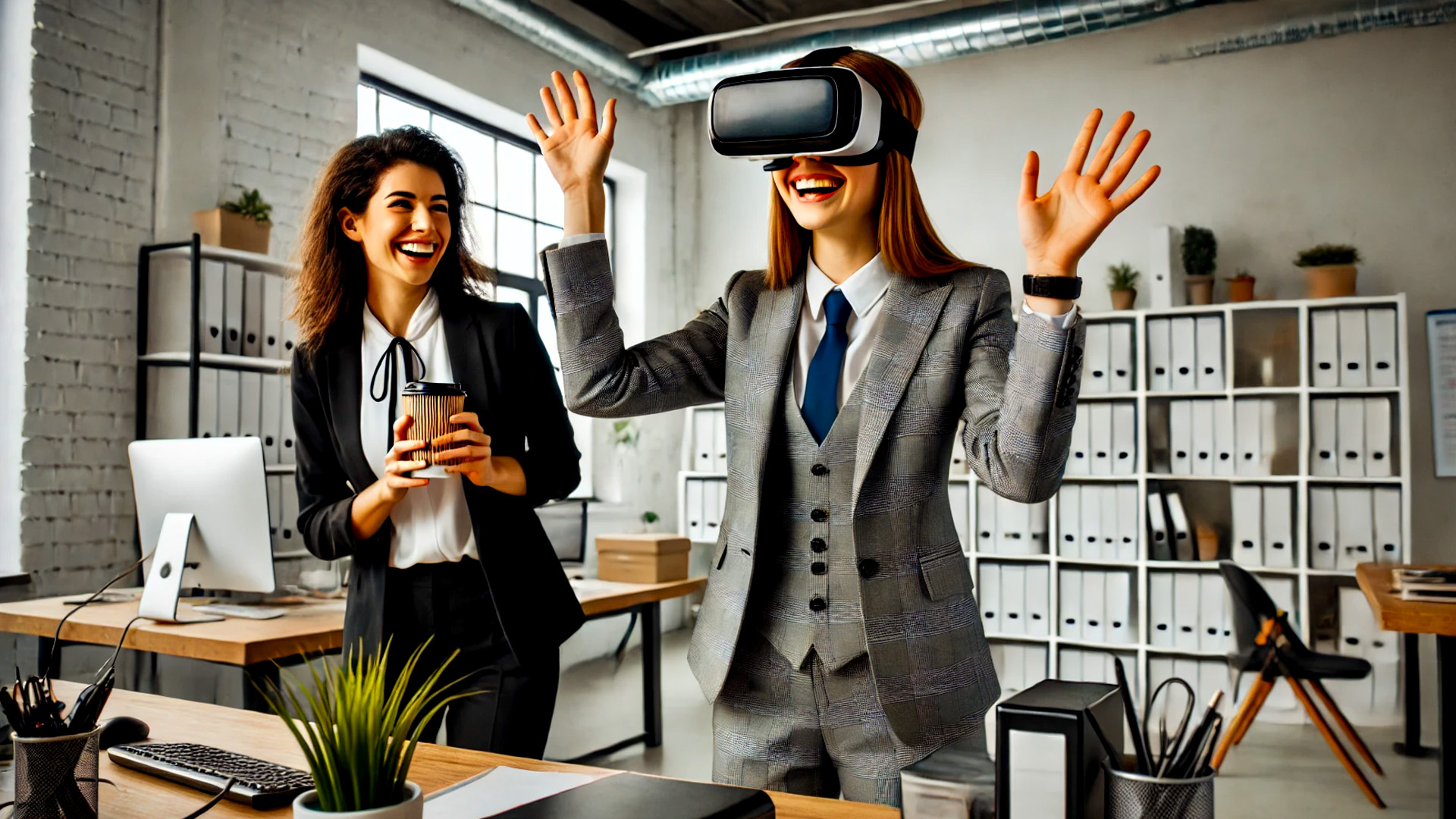
The Future Of Vr In Skill Development
Author: Elisha Roodt
Durban's leading intelligence hub on immersive technology. Delivering comprehensive coverage, expert analysis, and breakthrough news on Virtual Reality (VR), Augmented Reality (AR), and the Metaverse.