
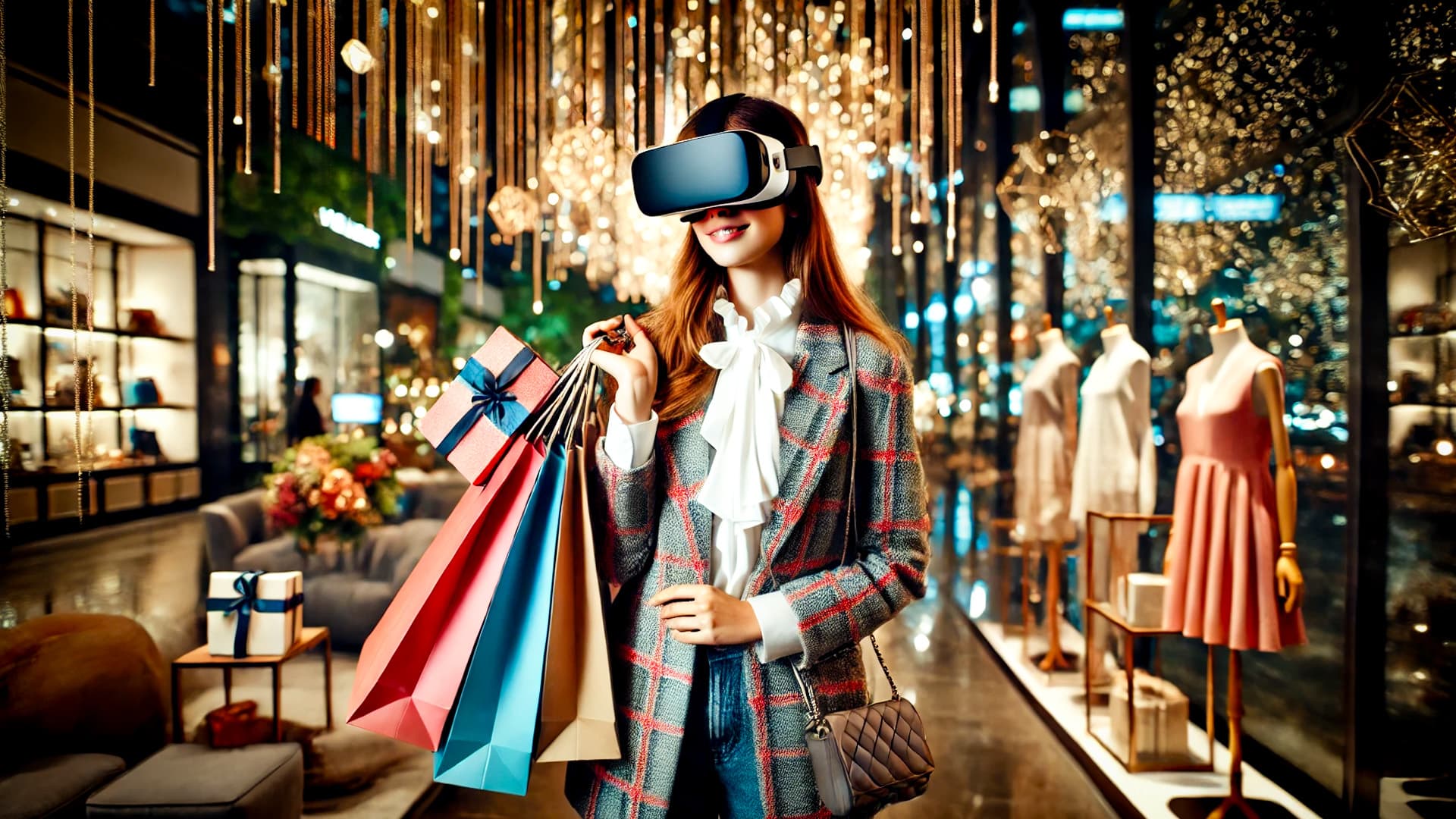
Future of Shopping: How VR in Retail is Leading the Way
The Evolution of Retail Technology Retail technology has evolved rapidly, especially in response to changing consumer behaviors and expectations...
The Evolution of Retail Technology
Retail technology has evolved rapidly, especially in response to changing consumer behaviors and expectations. In the early days, cash registers and barcode scanners revolutionized how transactions were processed, improving efficiency in brick-and-mortar stores. The rise of the internet introduced e-commerce, allowing retailers to reach global audiences and enabling consumers to shop from anywhere. Mobile payments soon followed, further simplifying the checkout process and providing a seamless experience for customers. The most recent development, Virtual Reality (VR), offers retailers the ability to engage with consumers in entirely new ways. From virtual fitting rooms to interactive product displays, VR technology is transforming retail by providing immersive and personalized shopping experiences. This shift toward experiential retail allows customers to explore and interact with products in lifelike, virtual settings, offering unparalleled convenience and engagement.
What is Virtual Reality (VR) and How Does it Apply to Retail?
Virtual Reality (VR) immerses users in digitally created environments that replicate real-world experiences. By wearing VR headsets and using handheld controllers, shoppers can explore virtual stores and interact with products as if they were physically present. In retail, this application creates new possibilities for both online and in-store experiences. For instance, customers can virtually try on clothing, test out furniture in different spaces, or even navigate a digital store from home. By providing more tailored and interactive experiences, VR can increase customer satisfaction, reduce return rates, and allow brands to differentiate themselves in a competitive market.
The Impact of VR on the Shopping Experience
Immersive Store Environments: A New Way to Browse
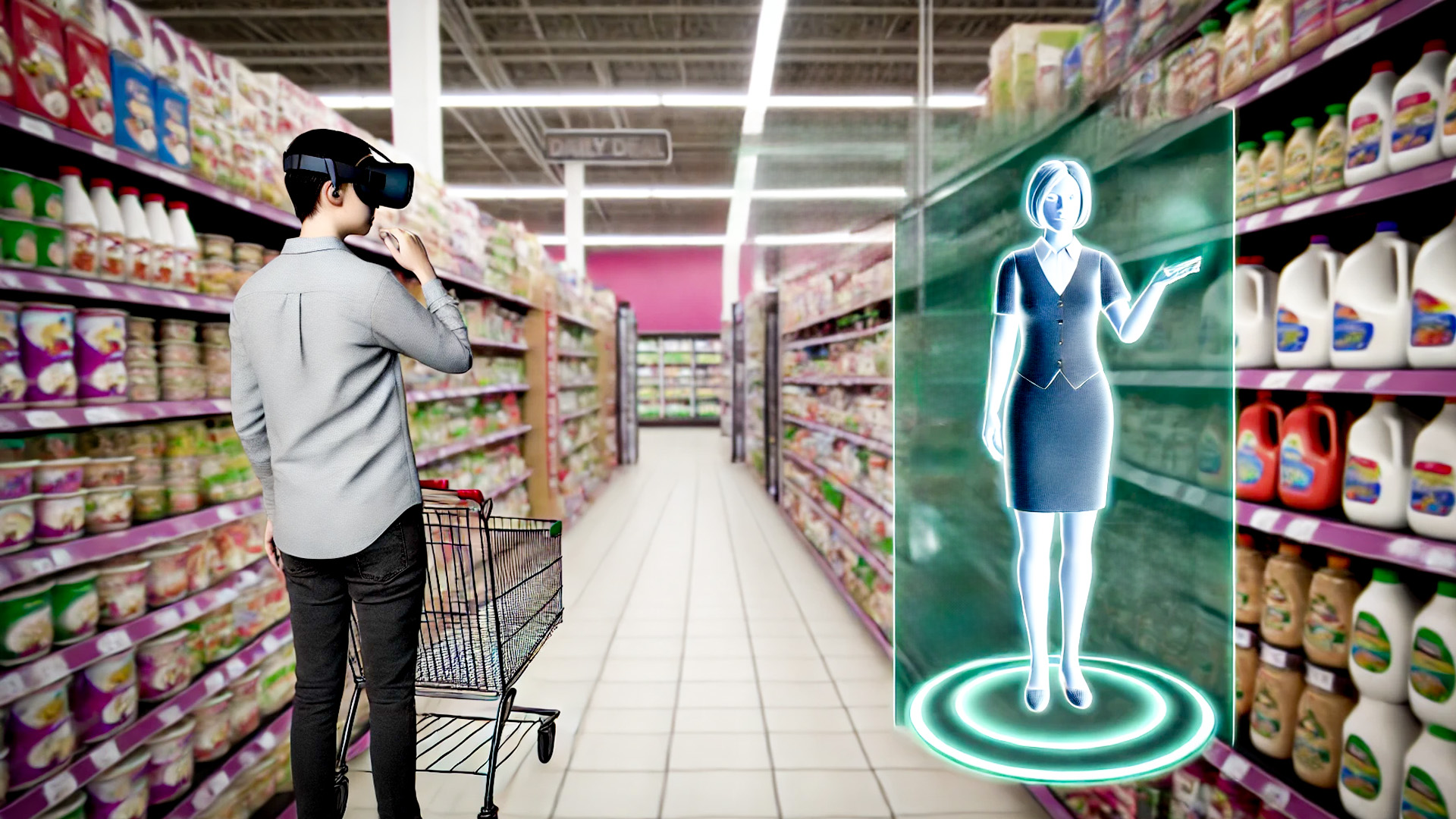
Imagine being able to step into a virtual store without leaving your home, where you can freely wander down aisles, pick up and inspect items, and even converse with a virtual sales assistant. Virtual Reality (VR) enables this next-level shopping experience by recreating the in-store atmosphere online. Unlike traditional e-commerce, which can feel impersonal and static, immersive store environments offer dynamic and interactive spaces. Customers can explore virtual shelves, view products from every angle, and even customize items before making a purchase. This shift creates a more engaging, personalized shopping experience that closely mirrors physical retail. Additionally, brands can design unique virtual environments that reflect their identity, offering a branded experience unlike anything possible in physical stores or websites. For consumers, this technology provides convenience while still offering the satisfaction of "browsing" in a realistic setting, all from the comfort of their living room.
Try-Before-You-Buy: Virtual Try-Ons and Product Previews
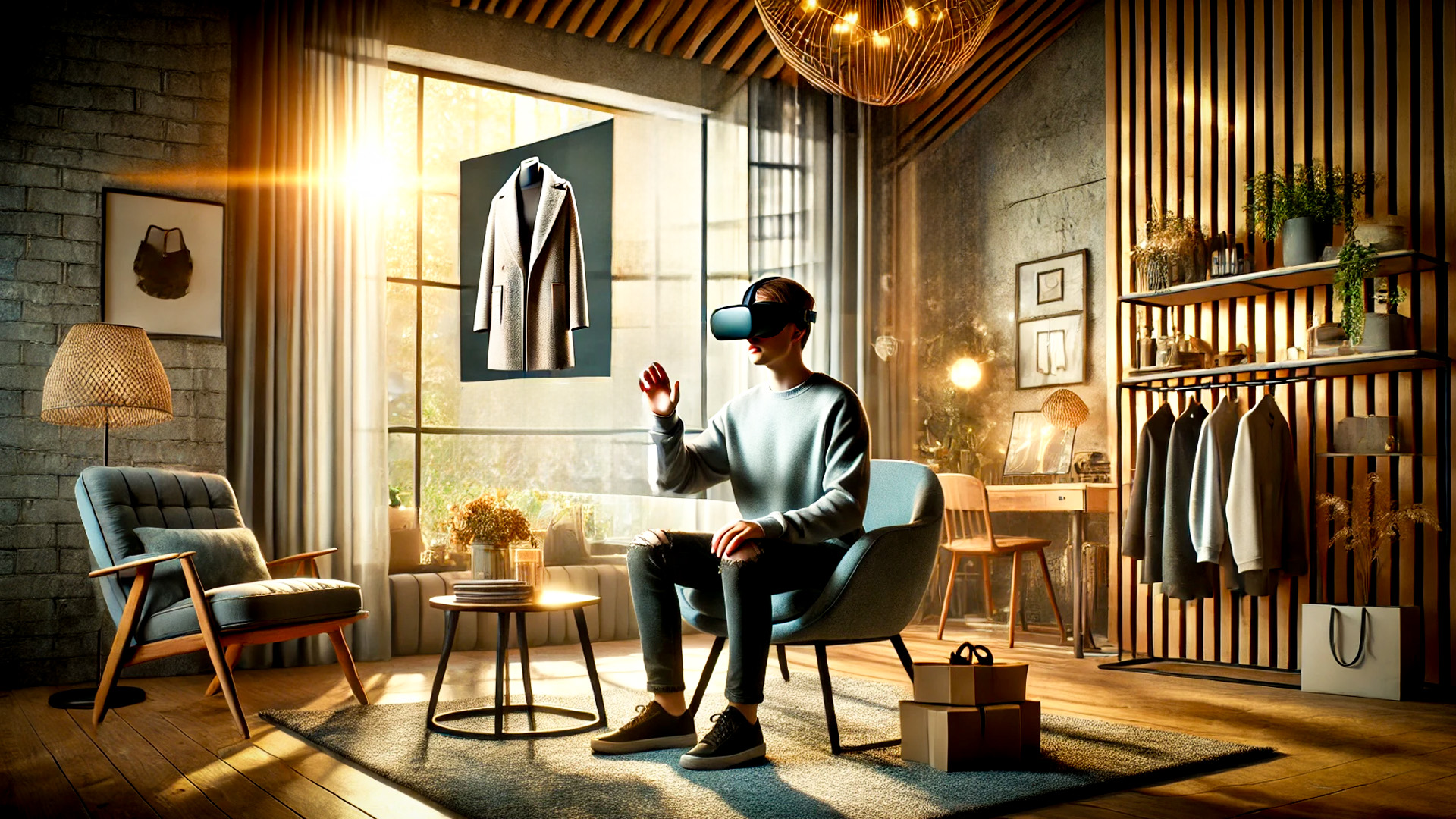
One of the most exciting uses of VR in retail is the "try-before-you-buy" feature, allowing customers to virtually test out products before committing. Fashion retailers, for instance, offer virtual try-ons where shoppers can see how garments fit and move on a digital version of themselves, reducing sizing uncertainty. Similarly, VR lets home decor shoppers visualize how furniture or art pieces will look in their homes, helping them make more informed choices. This capability goes beyond visualizing products—it enhances buyer confidence, minimizing guesswork, and reducing returns. By bridging the gap between online and in-person shopping, virtual try-ons create a more immersive and satisfactory customer experience.
Enhancing Customer Engagement with Interactive VR Features
Interactive VR elements transform the traditional retail experience by fostering greater customer involvement. For example, VR can simulate interactive product demos, allowing customers to virtually "handle" products, learn their features, and see them in action before purchasing. Retailers can also leverage gamification—turning the shopping experience into a game where consumers complete challenges, earn rewards, or unlock exclusive content, adding a layer of entertainment to the process. These features not only make shopping more enjoyable but also deepen consumer engagement by encouraging exploration and interaction. This heightened engagement can boost brand loyalty, with customers more likely to return for the unique and enjoyable experience VR offers.
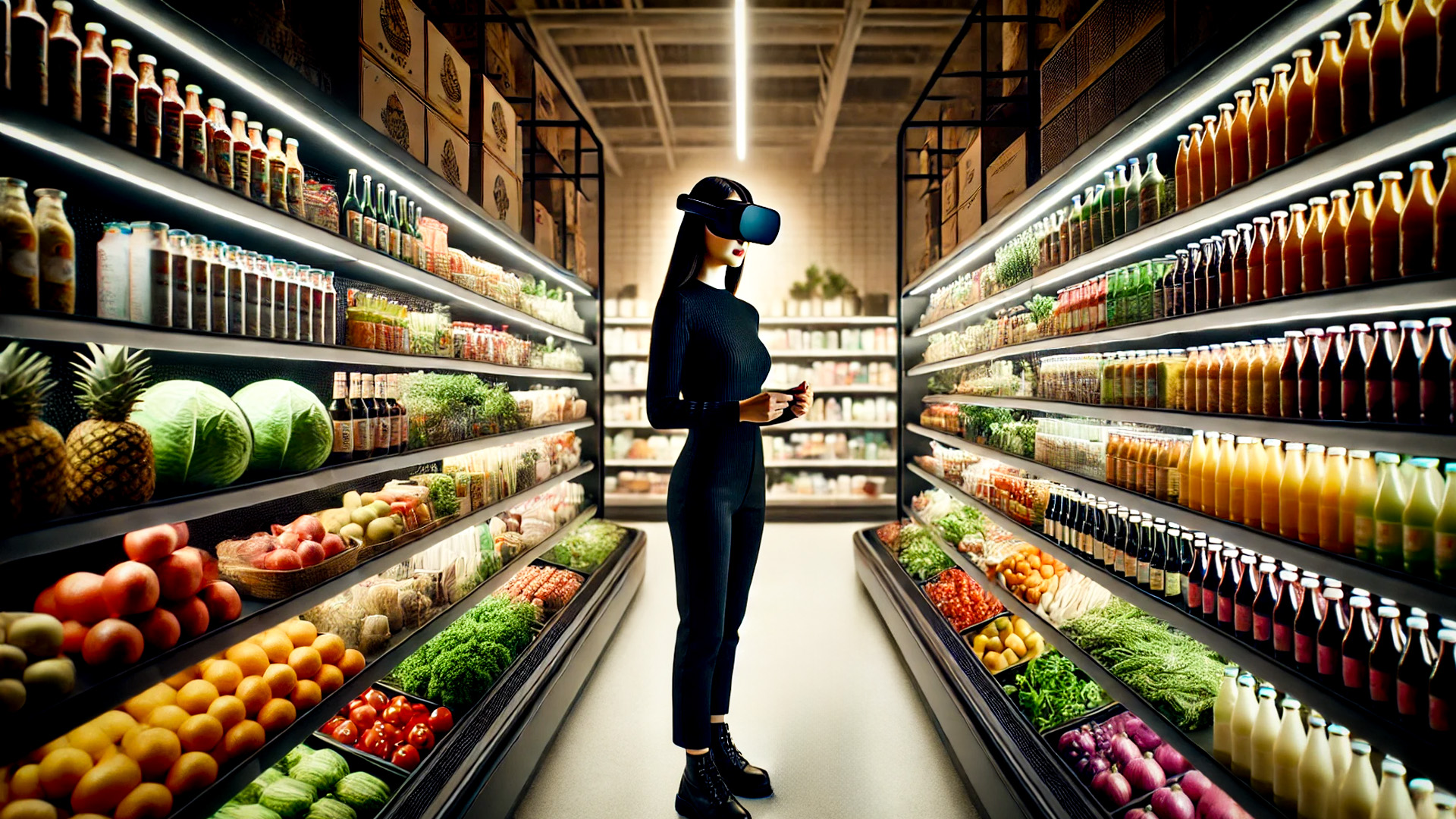
Transforming Retail Operations with VR
Streamlining Inventory Management and Visualization
In addition to enhancing the customer experience, VR brings powerful tools to streamline back-end retail operations, particularly inventory management and visualization. Retailers can create virtual models of their store layouts, enabling them to visualize inventory placement and stock levels in real time. This approach allows for more efficient planning of store displays, helping to avoid overstocking or understocking issues. By simulating different layouts and product placements in a virtual environment, retailers can optimize space utilization, improving the overall flow and accessibility of products for customers. VR also enables data-driven decision-making, as it can integrate with inventory management systems to highlight stock trends, predict shortages, and even model customer movement within the store. This technology not only reduces operational inefficiencies but also empowers retailers to maintain better control over their supply chains.
Training and Onboarding with VR Simulations
The training and onboarding of new employees can be a costly and time-intensive process for retailers, but VR offers a highly effective alternative. Through immersive VR simulations, new hires can experience hands-on training in virtual retail environments that mimic real-world scenarios. Employees can practice essential skills such as handling customer inquiries, managing transactions, and restocking shelves without the pressure of live interaction. These simulations can be tailored to specific store operations, ensuring new staff are well-versed in company procedures before they start. VR training accelerates the learning process, enhances knowledge retention, and allows for consistent, scalable training across multiple locations. This method not only reduces the time and costs associated with traditional training but also boosts employee confidence and readiness.
Virtual Store Layout Planning and Design
VR is revolutionizing how retailers design and plan store layouts. By creating virtual store prototypes, retailers can test different configurations of product displays, fixtures, and aisle arrangements without the need for physical changes. This flexibility allows for experimentation with various merchandising strategies, helping retailers discover the optimal layout for maximizing sales and enhancing the customer experience. VR’s 3D visualization capabilities also enable retailers to assess how different design elements align with their brand’s image and customer preferences, ensuring the physical space is attractive and functional. This method reduces costly mistakes, as design changes can be perfected virtually before being implemented, making store planning more efficient and precise.
Case Studies: VR Success Stories in Retail
How Major Retailers are Implementing VR Solutions
Major retailers around the world are increasingly adopting VR technology to enhance both operational efficiency and customer engagement. Global fashion brands, for example, have introduced virtual fitting rooms, enabling customers to "try on" outfits from anywhere, offering a convenient way to explore options without physically visiting a store. Electronics retailers are leveraging VR for virtual product demonstrations, allowing customers to interact with products in immersive, simulated environments, providing them with a deeper understanding of features and functionality. IKEA, for instance, uses VR to let customers visualize how furniture will look in their homes, offering an innovative, practical way to bridge the gap between digital and physical shopping experiences. These implementations demonstrate how VR is becoming a versatile tool for boosting customer satisfaction, reducing return rates, and providing a competitive edge in the retail space.
Innovative VR Startups Disrupting the Retail Space
VR startups are at the forefront of transforming the retail landscape, offering groundbreaking solutions that challenge traditional shopping models. Companies like Obsess and Emperia are creating immersive virtual malls, where users can explore multiple stores within a single VR platform, mimicking the physical mall experience without geographic limitations. Other startups focus on personalization, combining VR with artificial intelligence to offer customized shopping experiences. For instance, platforms are being developed that allow virtual stylists to recommend products based on individual preferences, creating a seamless, AI-driven shopping journey. These innovations are changing the way consumers shop by offering immersive, personalized, and highly engaging experiences that keep them coming back.
Lessons Learned from Early Adopters
Retailers who have ventured into VR early on have gathered important insights into both the advantages and challenges of the technology. One key takeaway is the necessity of investing in high-quality VR hardware and software, as seamless functionality is crucial for maintaining customer satisfaction. Poorly executed VR experiences can deter customers rather than enhance their shopping journey. Another lesson is the importance of user-centered design—VR must be intuitive and easy to navigate for all consumers, not just tech-savvy users. Integration with existing retail systems, such as inventory management and e-commerce platforms, is also vital for a smooth transition. Early adopters have learned that a holistic approach, combining VR with other technologies like AI, can maximize the benefits and enhance the overall shopping experience, offering valuable insights for future adopters.
The Benefits of VR for Retailers and Consumers
Increased Customer Satisfaction and Loyalty
Virtual Reality (VR) has the ability to elevate customer satisfaction by transforming traditional shopping into an immersive and personalized experience. By offering features such as virtual try-ons, interactive product demonstrations, and engaging virtual store environments, retailers can create experiences that are not only memorable but also enjoyable. Customers who feel understood and valued are more likely to form emotional connections with a brand, which fosters long-term loyalty. Personalized recommendations through VR platforms add an extra layer of engagement, making each shopping experience unique and tailored. This heightened level of interaction strengthens customer retention and increases the likelihood of recommendations, turning satisfied customers into loyal brand advocates.
Boosting Sales and Conversion Rates
The incorporation of VR in retail has a direct impact on sales and conversion rates. By providing a platform where customers can try before they buy, VR reduces uncertainty and hesitation, leading to more confident purchasing decisions. Virtual try-ons for fashion, or 3D visualizations for home goods, allow customers to explore products in a lifelike setting, which increases their trust in the purchase process. Additionally, the immersive nature of VR captures customer attention, driving engagement that often results in impulse purchases. With VR, retailers can showcase complementary products, encouraging customers to explore and buy more, ultimately boosting overall sales.
Reducing Returns and Improving Purchase Confidence
Returns are a costly issue for online retailers, frequently driven by mismatches between customer expectations and actual products. VR helps mitigate this by providing a realistic view of products before purchase, enabling customers to see how items look, feel, and fit in a virtual setting. By allowing customers to interact with products in a 3D environment, VR minimizes surprises and ensures that what they see is what they get. This enhanced transparency increases purchase confidence and satisfaction, which in turn reduces the likelihood of returns. When customers have a clearer understanding of what they are buying, they are more likely to be happy with their purchases, improving overall buyer confidence and reducing the burden of returns for retailers.
Challenges and Considerations in Adopting VR in Retail
Cost and Investment in VR Technology
While Virtual Reality (VR) offers numerous benefits to the retail sector, the cost of adopting this technology can be prohibitive for some businesses. High-quality VR hardware, such as headsets and controllers, alongside custom software and content development, requires significant financial outlay. Retailers must carefully assess whether the potential benefits—such as increased customer engagement, sales growth, and operational improvements—outweigh the upfront investment. For larger retailers, the return on investment (ROI) may be easier to justify, especially with the potential to drive long-term customer loyalty and sales. Smaller businesses, however, may need to explore scalable or modular VR solutions that align with their budget constraints, while still delivering value to their customers. Ultimately, aligning the investment with broader business objectives is crucial for ensuring a positive ROI from VR initiatives.
Integration with Existing Systems and Platforms
Successfully integrating VR technology with existing retail systems is a key challenge for smooth implementation. Retailers need to ensure that VR platforms sync effectively with their current inventory management, customer relationship management (CRM), and e-commerce systems. Without seamless integration, the potential benefits of VR—such as personalized recommendations, real-time inventory updates, or a smooth checkout process—could be undermined. Working with experienced VR developers and technology partners is essential to overcoming these hurdles. Retailers must plan for technical compatibility and consider how VR interfaces with payment gateways, customer databases, and other operational systems. Careful integration not only enhances the customer experience but also optimizes backend operations, creating a cohesive retail ecosystem.
Addressing Privacy and Data Security Concerns
Privacy and data security are critical when implementing VR in retail environments. VR platforms collect vast amounts of customer data, including personal information and behavioral insights, which makes safeguarding this data essential. Retailers must prioritize compliance with data protection laws, such as the General Data Protection Regulation (GDPR) or the California Consumer Privacy Act (CCPA), depending on their operating regions. Implementing secure data storage and encryption protocols is vital to protect against breaches and cyberattacks. Moreover, transparency with customers about how their data is collected, used, and protected fosters trust. By clearly communicating their privacy policies and ensuring robust security measures, retailers can maintain customer confidence while leveraging VR technology responsibly.
What’s Next for VR in Retail?
Emerging Trends and Technologies in VR
As VR technology evolves, several emerging trends and advancements will shape the future of its use in retail. One significant development is the creation of lighter, more affordable VR headsets, which will increase accessibility for both retailers and consumers. In addition, artificial intelligence (AI) and machine learning are expected to play a larger role in personalizing virtual shopping experiences. These technologies will enable VR platforms to offer tailored product recommendations, customized shopping environments, and smarter inventory suggestions based on consumer behavior. Retailers must stay informed about these technological shifts and explore how they can integrate the latest innovations to enhance their virtual retail offerings, ensuring that they stay ahead in an increasingly competitive landscape.
Predictions for VR’s Role in the Future of Shopping
VR is set to become a fundamental aspect of the future shopping experience. Predictions point to the growth of fully immersive virtual malls, where consumers can explore multiple stores in one seamless virtual space. Additionally, the expansion of VR beyond traditional product categories—such as fashion and electronics—into more complex sectors like real estate and automotive retailing is expected. The fusion of VR with other technologies, particularly augmented reality (AR), will create mixed-reality experiences that blur the lines between physical and virtual worlds. Retailers who fail to incorporate VR into their strategies risk falling behind as these advanced technologies reshape customer expectations and the retail landscape.
Preparing for a VR-Enhanced Retail Landscape
Retailers must take a proactive approach to preparing for a VR-driven future. Investing in VR infrastructure, developing interactive virtual experiences, and addressing integration challenges are key steps to staying competitive. Additionally, training employees and educating customers on how to use VR technology effectively is crucial to its successful implementation. Retailers should focus on creating experiences that not only engage customers but also streamline the shopping process. By doing so, they can ensure that VR becomes a valuable asset in driving customer loyalty and enhancing operational efficiency.
Recap of VR’s Impact on Retail
Virtual Reality is revolutionizing the retail industry by creating immersive, interactive shopping environments that enhance customer engagement. From virtual try-ons to realistic product demonstrations, VR enables consumers to explore products in ways that were previously impossible. By bridging the gap between physical and online shopping, VR offers retailers a unique opportunity to create hybrid experiences that increase customer satisfaction while streamlining business operations.
Final Thoughts on the Future of Shopping with VR
The future of shopping is undeniably intertwined with the evolution of VR technology. As retailers adopt and innovate with VR, they stand to offer superior customer experiences and capitalize on new business growth opportunities. With its transformative potential, VR will continue to push the boundaries of how we shop, making it an essential tool for forward-thinking retailers aiming to thrive in an ever-changing digital landscape. Those who embrace VR's possibilities will lead the charge in redefining the retail experience of tomorrow.
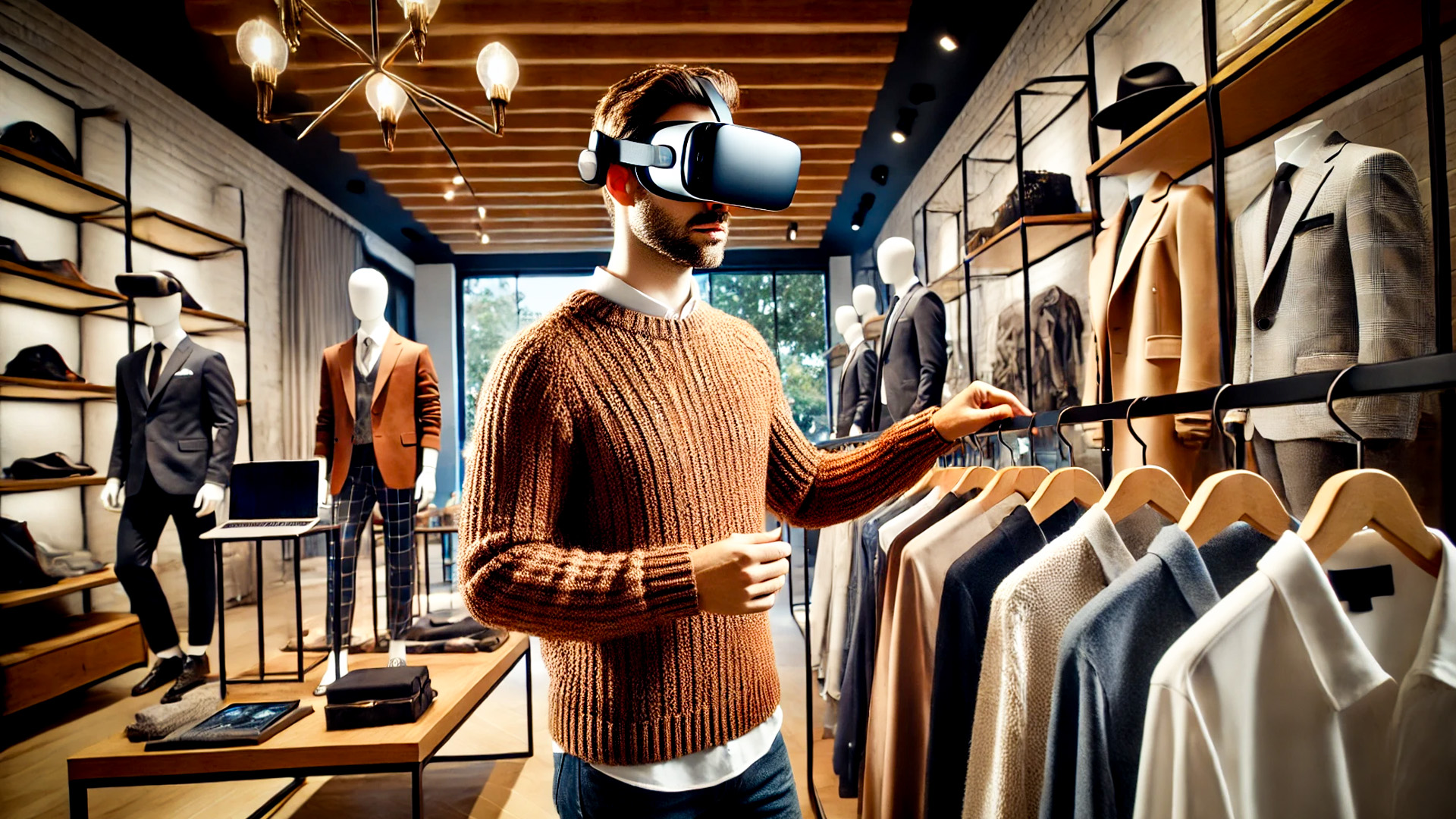
Whats Next For Vr In Retail
Author: Elisha Roodt
Durban's leading intelligence hub on immersive technology. Delivering comprehensive coverage, expert analysis, and breakthrough news on Virtual Reality (VR), Augmented Reality (AR), and the Metaverse.