
Elevate Team Spirit with VR
The modern workplace is undergoing a transformation at an unprecedented pace, driven by rapid technological advancements, evolving employee...
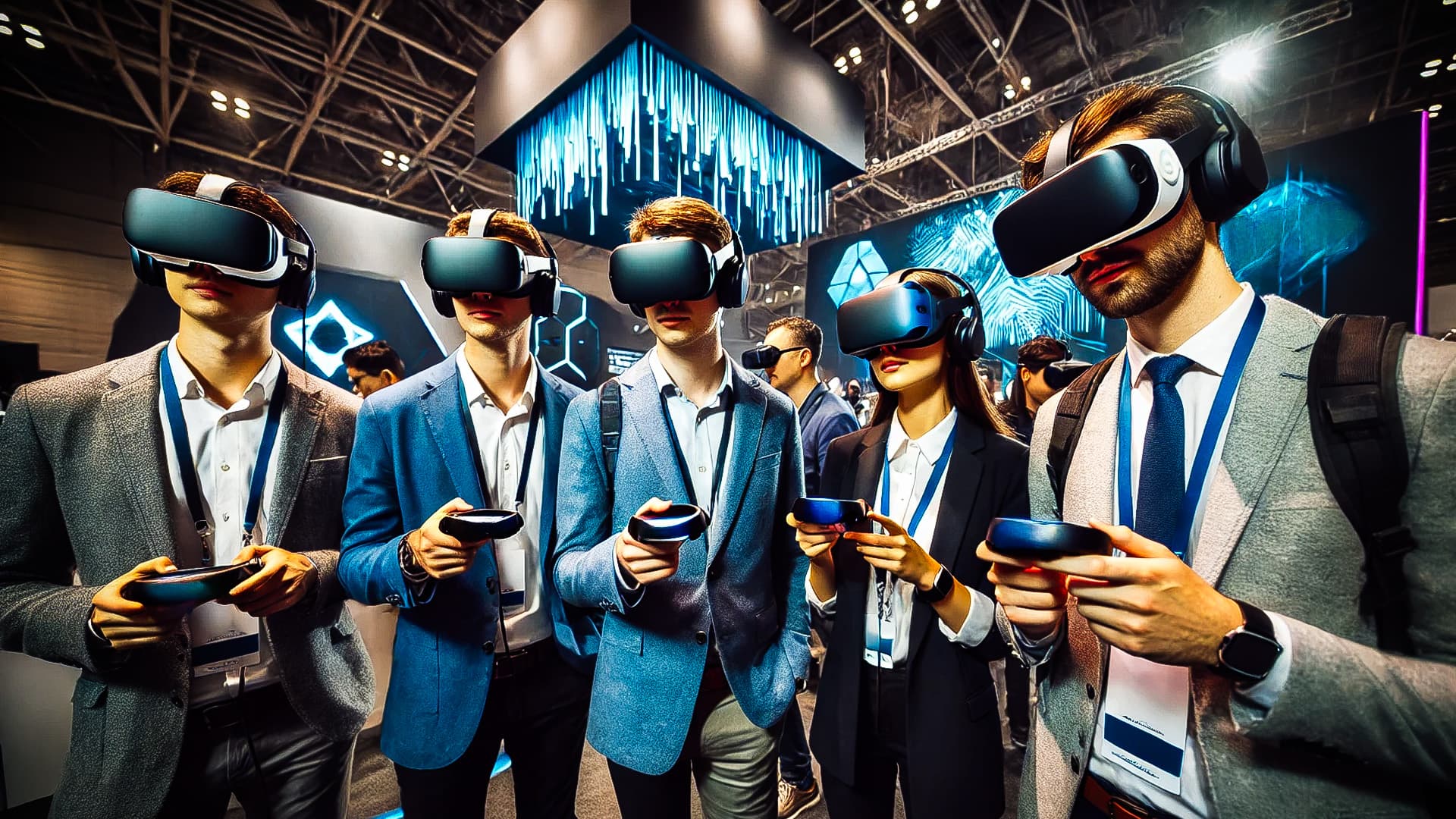
The modern workplace is undergoing a transformation at an unprecedented pace, driven by rapid technological advancements, evolving employee expectations, and the global shift towards remote and hybrid work models. The traditional office, once the epicenter of collaboration and productivity, is now just one of many spaces where work happens. As a result, organizations are grappling with new challenges in maintaining team cohesion and a strong organizational culture. In this context, the need for innovative team-building solutions has never been more pressing.
Traditional methods of team-building—such as in-person retreats, workshops, and social gatherings—have long been valued for fostering camaraderie and improving communication among team members. However, these approaches often fall short in engaging a geographically dispersed workforce or addressing the unique challenges posed by hybrid teams. Enter Virtual Reality (VR)—a technology once confined to the realm of gaming and entertainment, now emerging as a powerful tool for enhancing team dynamics and collaboration.
The Shift Towards Virtual Reality in the Workplace
Virtual Reality is not merely a technological gimmick; it is reshaping the dynamics of how teams interact, solve problems, and build relationships. The immersive nature of VR allows for the creation of shared experiences that transcend physical boundaries, setting a new standard for team-building. This technology is not just an enhancement of traditional methods but a revolution in how we understand and cultivate team spirit in the modern workplace.
The integration of VR into team-building activities is part of a broader trend towards digital transformation in the workplace. As organizations increasingly rely on technology to bridge the gap between remote and in-office employees, VR offers a unique solution that combines the best of both worlds: the convenience of digital tools with the richness of face-to-face interaction. By creating a virtual environment where team members can interact in real-time, VR helps to recreate the sense of presence and connection that is often lost in remote work settings.
Understanding the Power of Team Spirit
Team spirit is an often-overlooked yet critical element of organizational success. It is the intangible force that binds individuals together towards a common goal, transcending individual contributions and fostering a sense of belonging and shared purpose. A strong team spirit can propel a team from good to great, driving collaboration, innovation, and resilience in the face of challenges.
In the workplace, team spirit is the foundation upon which trust, communication, and collective problem-solving are built. When team spirit is strong, employees are more likely to go the extra mile, support their colleagues, and contribute to a positive work environment. This sense of unity and shared purpose is especially important in today’s dynamic work environment, where teams are often composed of individuals from diverse backgrounds, working across different locations and time zones.
Building and maintaining team spirit, however, is no easy feat. It requires continuous effort, effective leadership, and, increasingly, innovative tools like VR to keep it alive and flourishing. Traditional team-building activities, while still valuable, often struggle to engage today’s workforce, which is more digitally savvy and geographically dispersed than ever before. VR, with its ability to create immersive, interactive experiences, offers a new way to build and sustain team spirit in the modern workplace.
Virtual Reality as a Game-Changer for Team-Building
Virtual Reality is revolutionizing team-building by offering experiences that were previously unimaginable. In a VR environment, teams can engage in activities that are not only fun but also strategically designed to enhance collaboration, communication, and problem-solving skills. These immersive experiences are more than just games; they are carefully crafted scenarios that mirror real-world challenges and require teams to work together in novel ways.
One of the most significant advantages of VR in team-building is its ability to bridge the gap between remote and in-office teams. In a VR setting, geographical boundaries dissolve, allowing team members to interact as if they were in the same room. This sense of presence is crucial for building relationships and fostering a unified team spirit, regardless of physical location. For example, a team spread across different continents can come together in a virtual environment to collaborate on a project, participate in a training session, or simply socialize in a virtual lounge.
Case Studies: VR in Action
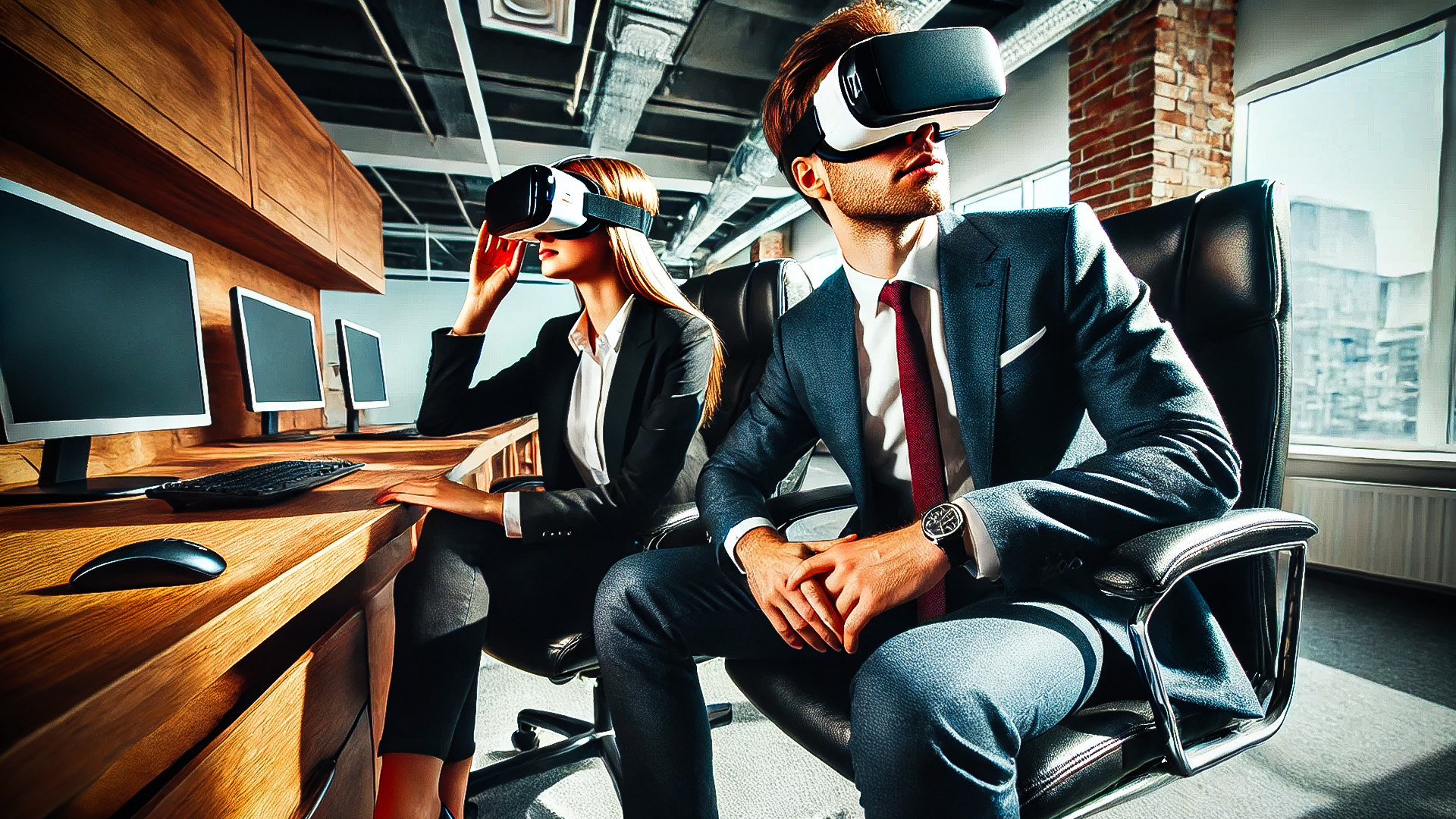
Several forward-thinking companies have already embraced VR for team-building with remarkable results. For instance, a global tech firm implemented VR-based escape room challenges to enhance problem-solving skills among its remote teams. The result? A 30% increase in collaboration metrics and a noticeable improvement in team morale. Another example is a multinational corporation that used VR to conduct virtual leadership workshops, allowing leaders from different regions to engage in role-playing exercises and scenario-based learning in a fully immersive environment. These case studies serve as compelling evidence of VR’s potential to transform team-building practices.
In addition to enhancing collaboration and communication, VR-based team-building activities can also boost creativity and innovation. For example, a design firm used VR to create a virtual brainstorming session, where team members could visualize and manipulate 3D models of their ideas in real-time. This approach not only made the brainstorming process more engaging but also led to the development of more innovative solutions, as team members were able to experiment with different ideas in a virtual space.
Interactive VR Experiences That Foster Collaboration
Interactive VR experiences are at the heart of what makes this technology so effective for team-building. These scenarios are designed not just to entertain but to challenge teams in ways that traditional methods cannot. For example, VR can simulate high-pressure situations where effective communication is critical, forcing teams to develop and refine their communication strategies in real-time. This type of experiential learning is particularly valuable for teams that need to collaborate closely on complex projects, where clear and effective communication is essential for success.
VR offers unique problem-solving challenges. Imagine a virtual environment where a team must navigate a maze filled with obstacles, each requiring a different skill set to overcome. Such scenarios compel team members to rely on each other's strengths, thereby enhancing their ability to work together in real-world situations. In another example, a team might be tasked with defusing a virtual bomb, where each member has a specific role and must communicate effectively to complete the task successfully.
VR-driven activities are excellent for encouraging creative thinking. In a virtual world, the only limit is imagination. Teams can experiment with different approaches to challenges, think outside the box, and develop innovative solutions—all within a safe, controlled environment that encourages risk-taking and learning. This type of creative problem-solving is essential for organizations that want to stay competitive in today’s fast-paced business environment.
Strengthening Team Bonds Through VR
Shared experiences are a powerful tool for building relationships, and VR amplifies this by creating immersive, memorable moments that teams can bond over. When team members collaborate in a virtual environment, they are not just working together—they are co-creating an experience that strengthens their connection. This sense of shared purpose and achievement is crucial for building trust and empathy within teams, which are essential components of a strong team spirit.
The psychological impact of these immersive team activities is profound. By engaging multiple senses and providing a sense of presence, VR makes the experience more real and emotionally resonant. This deepens the sense of trust and empathy within teams, fostering a stronger, more cohesive unit. For example, a team that successfully completes a challenging VR scenario together will have a shared sense of accomplishment that can strengthen their bonds and improve their ability to work together in the future.
Enhancing trust and empathy through VR is not just about the experience itself but about how it translates to the real world. When team members return to their daily tasks, the bonds formed in the virtual world carry over, leading to more effective communication, better collaboration, and a more positive work environment. This is particularly important for remote teams, where opportunities for face-to-face interaction are limited. By using VR to create meaningful, shared experiences, organizations can help to build and maintain strong team relationships, even in a virtual work environment.
Implementing VR Team-Building in Your Organization
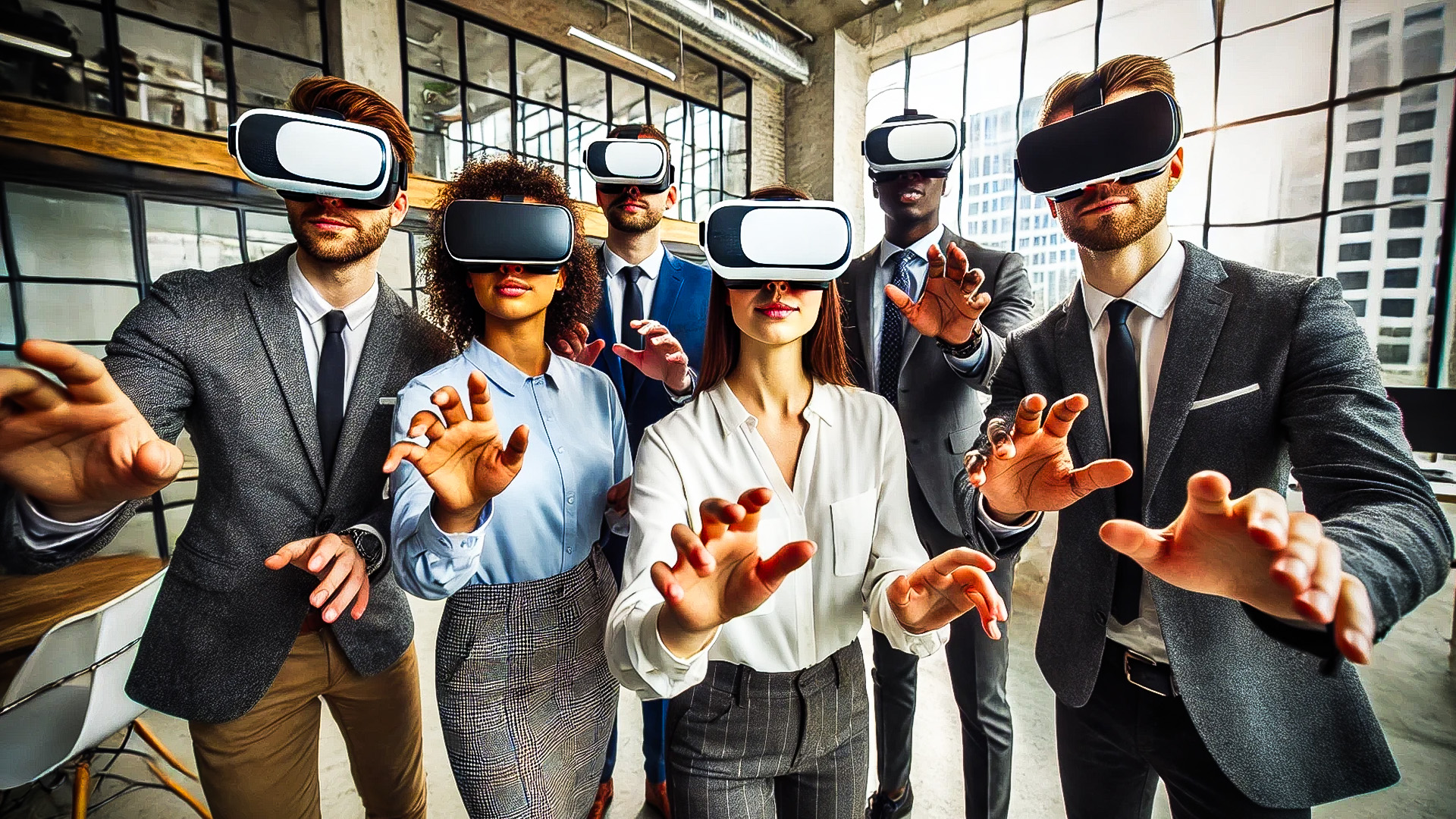
Implementing VR team-building activities requires careful planning and consideration. The first step is choosing the right VR platforms and tools. Not all VR solutions are created equal, and it is essential to select one that aligns with your organization’s goals, team dynamics, and technical capabilities. For example, some VR platforms are better suited for collaborative problem-solving activities, while others are designed for immersive training or creative brainstorming sessions.
Once the platform is in place, best practices for integrating VR into team-building programs must be followed. This includes setting clear objectives, ensuring that activities are relevant to your team’s needs, and providing adequate training to maximize the benefits of the VR experience. For example, a team-building program that focuses on improving communication skills might include VR scenarios that require team members to work together to solve a problem, with a debriefing session afterwards to discuss what worked well and what could be improved.
Measuring the success and impact of VR team-building activities is also crucial. This can be done through a combination of quantitative metrics, such as improvements in collaboration scores, and qualitative feedback from participants. Regular assessments will help fine-tune the program and ensure that it continues to meet your organization’s evolving needs. For example, after each VR session, participants could be asked to complete a survey that assesses their level of engagement, the effectiveness of the activity, and any areas for improvement.
Overcoming Potential Barriers to VR Adoption
Despite its many benefits, VR adoption is not without its challenges. Common concerns about VR technology include usability, the potential for motion sickness, and the perceived complexity of setting up VR environments. Addressing these concerns head-on is essential to ensuring a smooth and successful implementation. For example, organizations can provide training sessions to help employees become more comfortable with the technology, or offer alternative team-building activities for those who are unable or unwilling to participate in VR experiences.
Ensuring accessibility and inclusivity in VR experiences is another critical consideration. Not all employees may be comfortable with or able to use VR technology. Providing alternative solutions or ensuring that the VR experience is adaptable to different needs is crucial to maintaining inclusivity. For example, organizations could offer both VR and non-VR versions of team-building activities, or provide assistive technologies for employees with disabilities.
Finally, managing costs and budgeting for VR team-building initiatives requires a strategic approach. While VR can be a significant investment, the long-term benefits often outweigh the initial costs. By carefully planning and scaling the program according to your organization’s needs, it is possible to achieve a high return on investment. For example, organizations could start with a small pilot program to test the effectiveness of VR team-building activities, and then expand the program based on the results.
The Future of VR in Team-Building
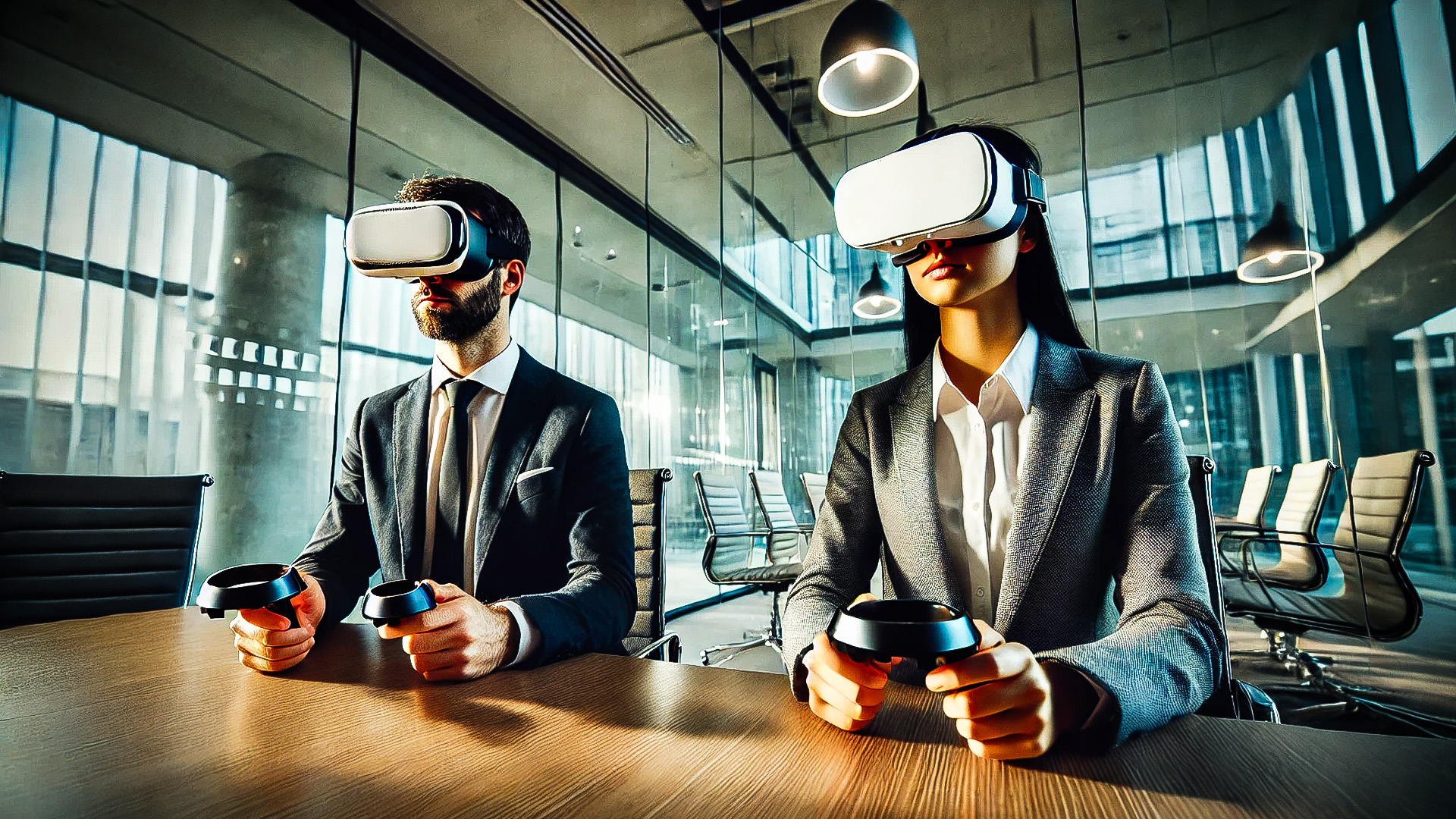
The future of team-building is undoubtedly intertwined with Virtual Reality. As this technology continues to evolve, it will offer even more innovative ways to elevate team spirit, enhance collaboration, and drive organizational success. For example, advances in haptic feedback technology could allow teams to physically interact with virtual objects, creating an even more immersive and engaging experience. Similarly, the integration of artificial intelligence into VR platforms could enable personalized team-building activities that are tailored to the specific needs and preferences of each team.
As remote work becomes increasingly common, the demand for VR-based team-building solutions is likely to grow. Organizations that embrace VR for team-building will be better positioned to attract and retain top talent, foster a strong organizational culture, and stay competitive in a rapidly changing business environment. By encouraging a culture of innovation and collaboration, organizations can leverage VR not just as a tool for team-building but as a cornerstone of their overall strategy.
Elevating Team Spirit with VR
Elevating team spirit with VR is not just a trend—it is a transformative approach that can redefine how teams connect, collaborate, and achieve their goals. By creating immersive, shared experiences that transcend physical boundaries, VR is setting a new standard for team-building. As organizations look to the future, embracing VR for team-building is a forward-thinking move that promises to yield significant benefits. Whether it’s improving communication, enhancing problem-solving skills, or strengthening team bonds, VR offers a powerful solution for fostering a strong, cohesive team in the modern workplace.
As we move further into the digital age, the ability to adapt and innovate will be crucial for organizational success. By integrating VR into their team-building strategies, organizations can not only meet the challenges of today’s workplace but also prepare for the opportunities of tomorrow. The future of team-building is here, and it’s virtual.
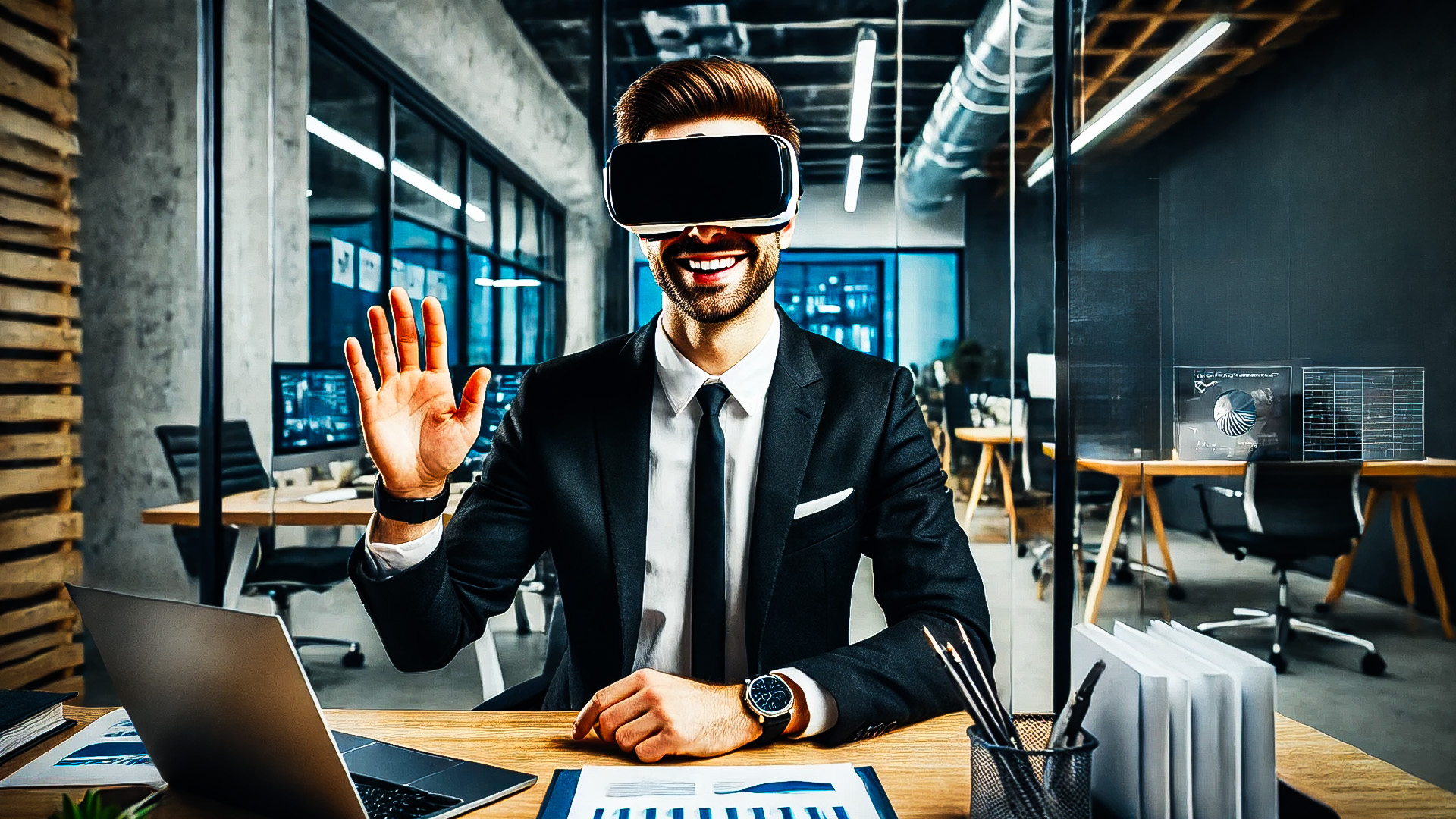
The Future Of Vr In Team Building
Author: Elisha Roodt
Durban's leading intelligence hub on immersive technology. Delivering comprehensive coverage, expert analysis, and breakthrough news on Virtual Reality (VR), Augmented Reality (AR), and the Metaverse.