
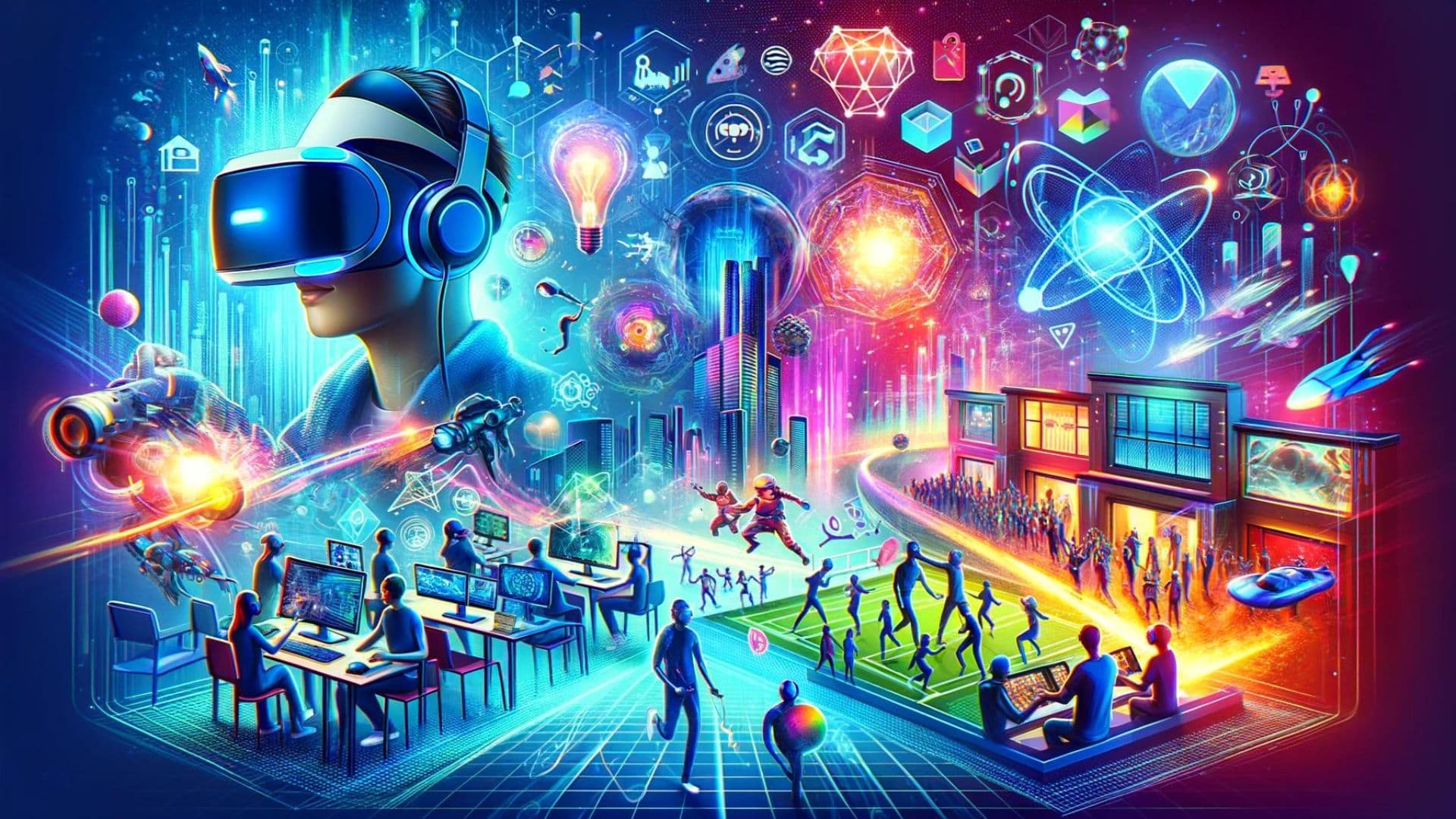
What is Virtual Reality.
Introduction to Virtual Reality. Virtual Reality (VR) is an immersive technology that allows users to experience and interact with a...
Introduction to Virtual Reality.
Virtual Reality (VR) is an immersive technology that allows users to experience and interact with a computer-generated environment in a way that simulates real-world or imagined experiences. Unlike traditional interfaces where users view a screen, VR places the user inside an experience, making them feel as if they are actually part of a different world. This is achieved through the use of VR headsets and other sensory equipment, such as gloves or controllers, that track the user's movements and translate them into the virtual environment.
History of Virtual Reality.
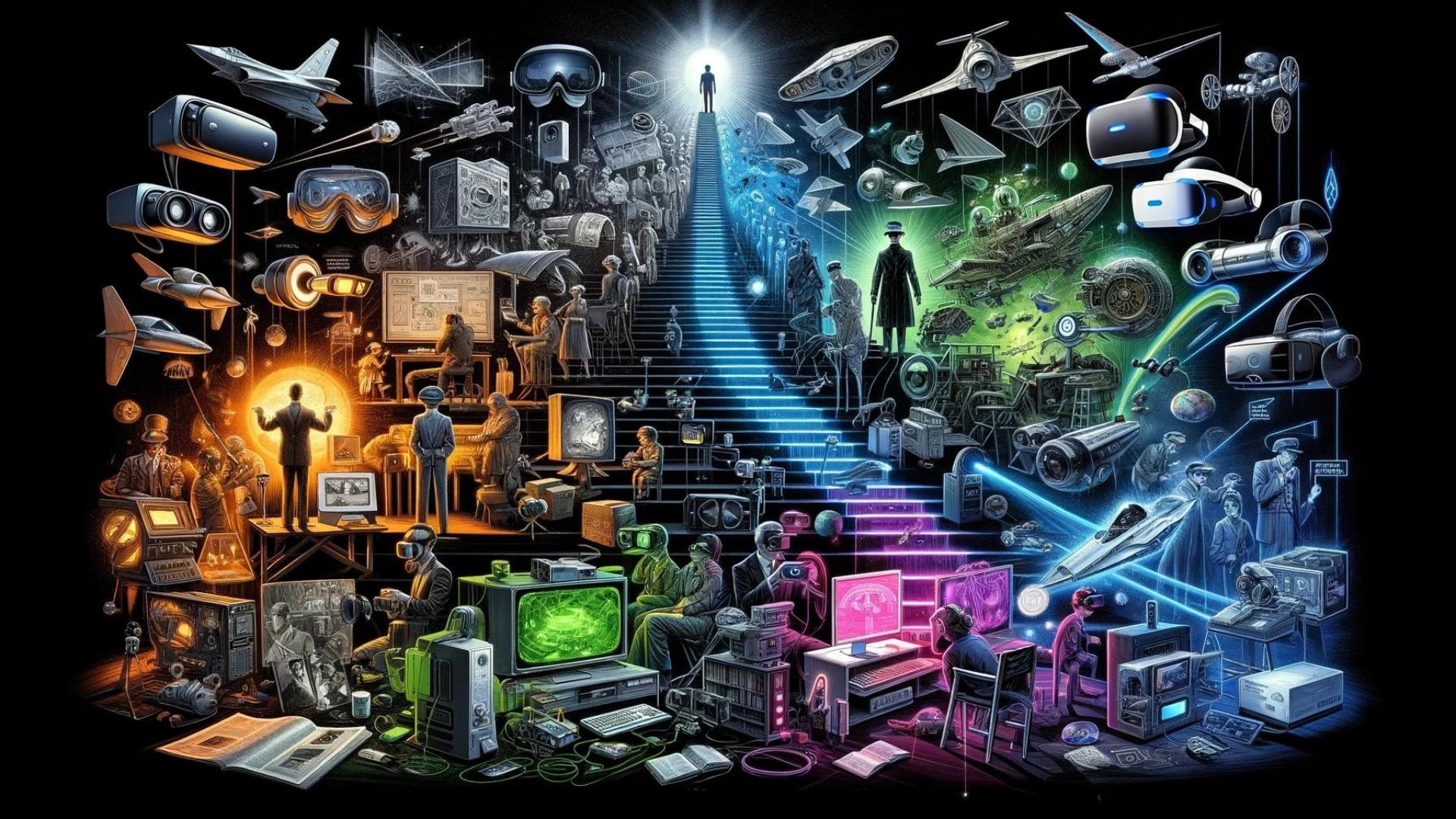
The history of Virtual Reality (VR) is marked by a series of technological innovations and visionary ideas that date back several decades. The concept of immersive simulations can be traced to the 1960s with Morton Heilig's Sensorama, a machine that provided multisensory experiences through stereoscopic 3D images, sound, vibration, and even smell. In 1968, Ivan Sutherland and his student Bob Sproull developed the first head-mounted display (HMD), dubbed the "Sword of Damocles" due to its cumbersome size and weight. This pioneering device laid the groundwork for future VR headsets by introducing the idea of immersive visual experiences. The 1980s saw significant advancements with the work of Jaron Lanier, who coined the term "virtual reality" and founded VPL Research, the first company to sell VR gear, including the Dataglove and the EyePhone HMD. Despite the promise, VR remained largely experimental and niche until the early 1990s when SEGA and Nintendo released consumer-oriented VR products, which were commercially unsuccessful due to technical limitations and high costs.
The new millennium brought a resurgence of interest in VR, driven by technological advancements and decreasing hardware costs. In 2012, Palmer Luckey launched a Kickstarter campaign for the Oculus Rift, a modern VR headset that captured the imagination of developers and enthusiasts alike. Facebook's acquisition of Oculus VR in 2014 for $2 billion signaled the technology's potential mainstream appeal and sparked significant investment in VR research and development. Concurrently, other tech giants such as HTC, Sony, and Google entered the market with their own VR solutions, each contributing to the refinement and accessibility of VR technology. Today, VR is a thriving field with applications extending beyond entertainment to education, healthcare, and enterprise, continually evolving towards more immersive, intuitive, and impactful experiences.
How Virtual Reality Works?
Virtual Reality (VR) works by creating a simulated environment that users can interact with in a manner that feels immersive and real. This is achieved through a combination of advanced hardware and sophisticated software. At the core of the VR experience are headsets equipped with stereoscopic displays that present slightly different images to each eye, creating a sense of depth and three-dimensionality. These headsets also feature lenses to focus and shape the images, and a wide field of view (FOV) to enhance immersion. The tracking systems, which can be either inside-out (using cameras on the headset) or outside-in (using external sensors), monitor the user's head and body movements in six degrees of freedom (6DoF), ensuring that the virtual environment adjusts accurately to these movements.
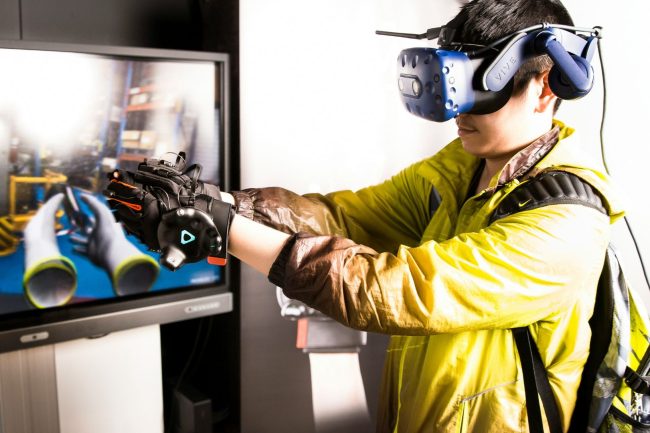
Input devices such as motion controllers and haptic gloves allow users to interact with the virtual world. These devices track hand and finger movements and provide tactile feedback, simulating the feel of virtual objects. This interaction is further enhanced by haptic feedback, which provides physical sensations corresponding to virtual actions. The computing power required for VR, provided by high-performance GPUs and CPUs in PC and console-based systems, or integrated processors in standalone headsets, renders complex 3D environments in real-time, ensuring a smooth and responsive experience.
Software components, including game engines like Unity and Unreal Engine, are crucial for creating interactive and immersive virtual environments. These engines provide developers with tools to simulate realistic physical interactions and create detailed virtual worlds. VR platforms such as SteamVR, Oculus Home, and PlayStation VR offer a range of VR content and development tools, facilitating the creation and distribution of VR applications. Rendering techniques like stereoscopic rendering and foveated rendering optimize the visual experience, while high frame rates and low latency are essential for maintaining immersion and reducing motion sickness.
The integration of VR with other technologies, such as augmented reality (AR) and mixed reality (MR), will create hybrid experiences that blend digital and physical worlds, opening up new possibilities for interaction and engagement. Artificial Intelligence (AI) will play a significant role in enhancing VR by enabling more responsive and personalized virtual environments. AI-driven avatars and environments will adapt to user actions and preferences, creating dynamic and customized experiences. As VR technology becomes more advanced and accessible, it will transform how we learn, work, play, and connect with each other, offering immersive and transformative experiences that blur the lines between the digital and physical worlds.
VR Applications.
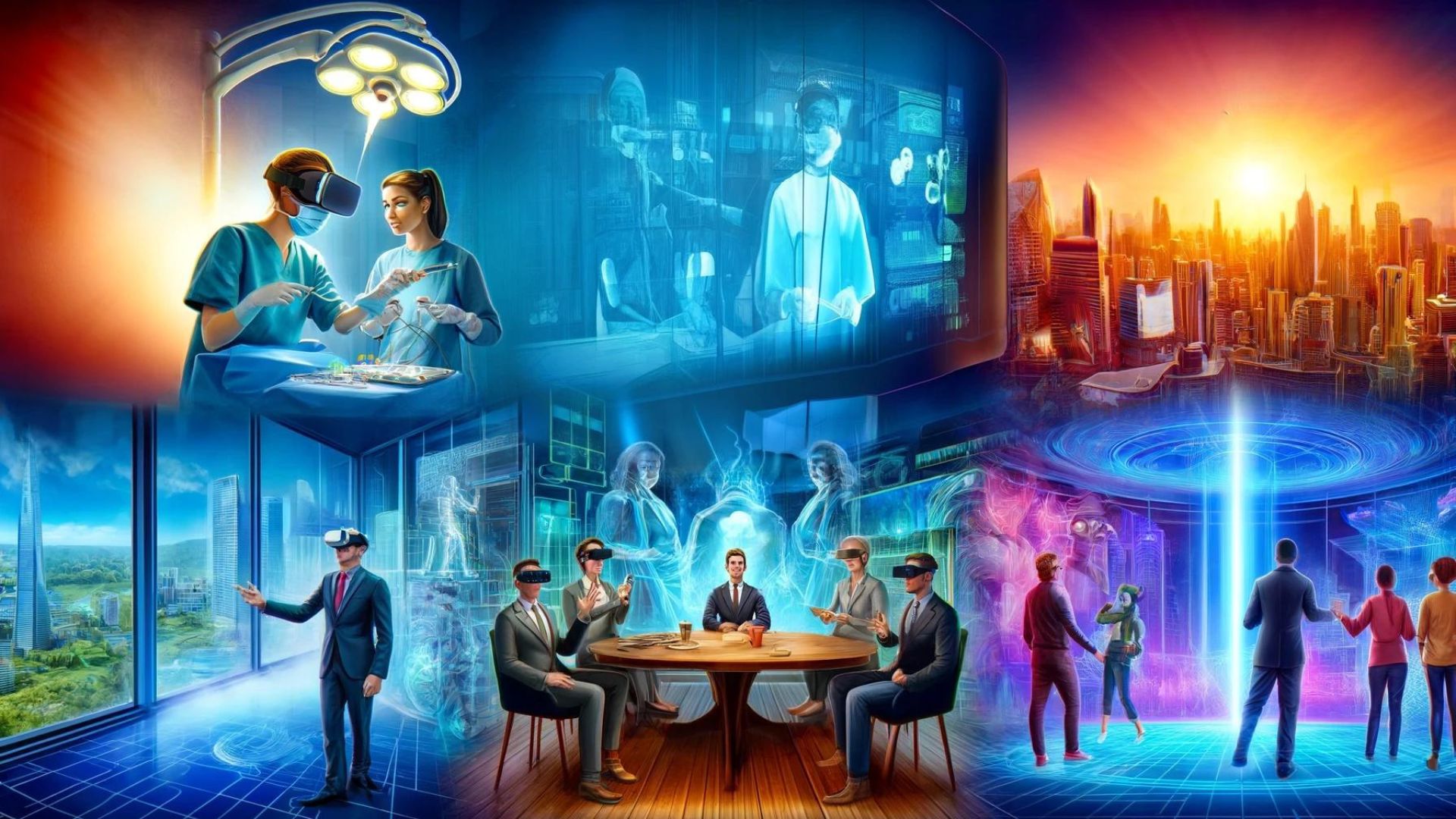
Virtual Reality (VR) is transforming various industries by providing immersive and interactive experiences that were previously unimaginable. In gaming, VR creates unparalleled engagement, allowing players to fully immerse themselves in complex, interactive environments, as seen in popular titles like Beat Saber and Half-Life: Alyx. Education and training leverage VR for experiential learning, with medical students practicing surgeries in risk-free simulated environments and pilots honing their skills in highly realistic flight simulators. This application extends to K-12 and higher education, where students can conduct virtual experiments, explore historical sites, or visualize complex scientific concepts in three dimensions, enhancing their understanding and retention.
In the healthcare sector, VR is revolutionizing both treatment and rehabilitation. Therapeutic applications include exposure therapy for PTSD, phobia treatments, and anxiety management, providing controlled and safe environments for patients to confront and manage their fears. Rehabilitation programs use VR to gamify physical therapy, motivating patients through engaging, interactive exercises tailored to their recovery needs.
Real estate professionals utilize VR to offer virtual tours of properties, enabling potential buyers to explore homes and commercial spaces remotely, which saves time and broadens the market reach.
The entertainment industry is also being redefined by VR, with virtual cinemas and live event experiences that bring the audience closer to the action, offering a sense of presence that traditional media cannot match.
In work and collaboration, VR facilitates remote meetings and team interactions in virtual office spaces, where participants can collaborate on projects in a shared environment, irrespective of their physical locations. Additionally, remote assistance in fields like manufacturing and maintenance is enhanced by VR, where experts can guide on-site technicians through complex procedures in real-time.
The potential of VR in social interaction is vast, creating virtual worlds where people can socialize, attend events, and build communities. Platforms like VR Chat and Horizon Worlds are early examples of how VR can bring people together in new and meaningful ways, fostering connections and collaborations in entirely virtual settings. As VR technology continues to advance, its applications will expand further, integrating more deeply into our daily lives and various professional fields, ultimately transforming how we interact with the world and each other.
Advantages and Disadvantages of Virtual Reality.
Advantages of Virtual Reality.
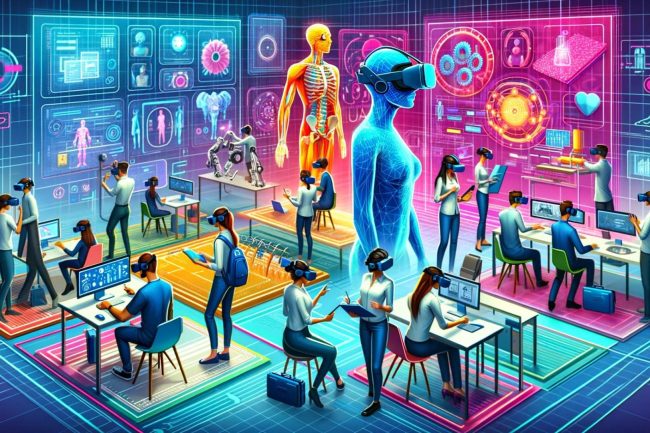
Immersive Learning and Training:
Remote Collaboration:
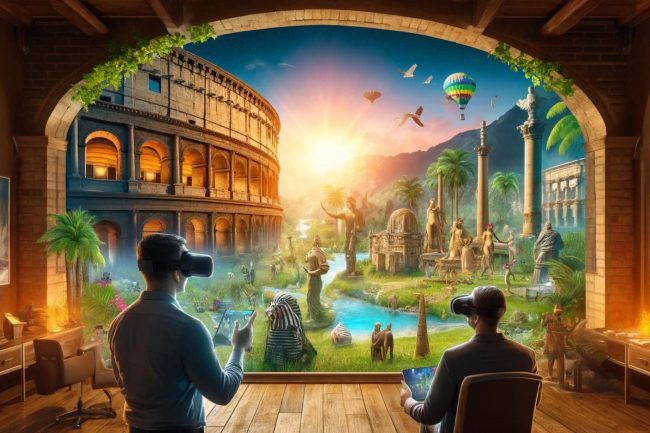
and productivity. It can simulate face-to-face interactions, making remote work more effective.
Global Accessibility: Teams from different parts of the world can meet and work together in a virtual space, reducing travel costs and environmental impact
Therapeutic Applications:
Entertainment and Recreation:
Innovation in Real Estate and Retail:
Disadvantages of Virtual Reality.
High Costs:
Health and Safety Concerns:
Technical Limitations:
Social Isolation:
Accessibility Issues:
Privacy and Security:
While Virtual Reality offers numerous benefits across various fields, it also presents significant challenges that need to be addressed. As the technology continues to evolve, efforts to mitigate these disadvantages will be crucial for its widespread adoption and positive impact.
The Future of Virtual Reality.
The future of Virtual Reality (VR) is poised to be transformative, with advancements in hardware, software, and integration with other emerging technologies driving its evolution. VR headsets are expected to become lighter, more comfortable, and more affordable, featuring higher resolutions, wider fields of view, and improved refresh rates that will enhance realism and reduce visual strain. Innovations in haptic feedback and motion tracking will provide users with even more immersive and tactile experiences, making interactions within virtual environments more intuitive and engaging. These advancements will facilitate longer usage sessions, making VR a more practical tool for everyday use.
One of the most exciting aspects of VR's future is its integration with Augmented Reality (AR) and Mixed Reality (MR) technologies. These hybrid experiences will blend digital and physical worlds seamlessly, enabling users to interact with virtual objects superimposed onto the real world or vice versa. This convergence will open up new possibilities in education, training, entertainment, and professional applications, providing a more enriched and contextually aware experience.
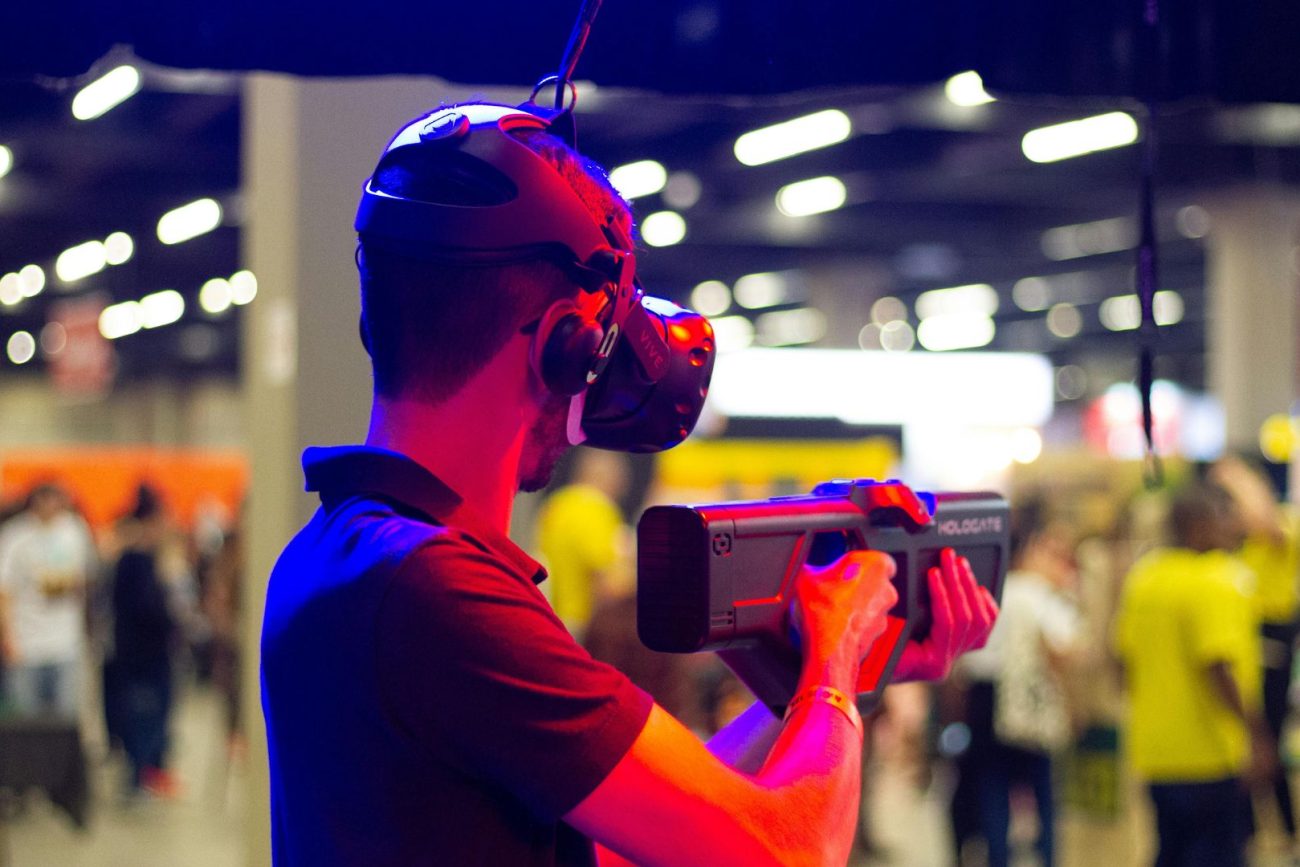
Artificial Intelligence (AI) will play a significant role in the future of VR, enabling more responsive and personalized virtual environments. AI-driven avatars and environments will enhance interactivity, providing users with dynamic and adaptive experiences that can respond to their actions and preferences. For instance, AI could tailor educational content to match a student's learning pace or adapt virtual simulations based on a user's behavior and needs, creating a more customized and effective learning experience.
In healthcare, VR will continue to expand its applications in diagnosis, treatment, and patient care, offering innovative solutions for therapy, rehabilitation, and medical training. VR-based therapy for conditions such as PTSD, anxiety, and phobias will become more sophisticated, providing patients with controlled and immersive environments for exposure therapy. Rehabilitation programs will leverage VR to create engaging and motivating exercises for patients recovering from strokes or injuries, leading to improved outcomes. Medical training will benefit from VR's ability to simulate complex procedures and rare cases, allowing healthcare professionals to gain valuable experience in a risk-free environment.
Enterprise adoption of VR is expected to grow, with companies leveraging VR for training, remote work, and design visualization. Virtual offices and collaborative workspaces will become more prevalent, allowing teams to interact and work together in immersive virtual environments, regardless of their physical locations. This will not only reduce the need for physical office space but also foster more efficient and creative collaboration across global teams. Design and engineering industries will use VR to create and test prototypes in a virtual space, speeding up the development process and reducing costs associated with physical prototyping.
Social VR platforms will evolve, creating interconnected virtual communities where users can socialize, collaborate, and create shared experiences in vibrant digital societies. These platforms will enable people to attend virtual events, such as concerts, conferences, and social gatherings, providing a sense of presence and interaction that goes beyond traditional video calls. As these virtual communities grow, they will become an integral part of our social fabric, offering new ways to connect and engage with others.
As VR technology becomes more accessible and integrated into various aspects of daily life, it will revolutionize how we learn, work, play, and connect with each other. The blending of digital and physical worlds will create new opportunities for innovation and exploration, making VR an essential tool for personal and professional growth. The future of VR promises to be a world where the boundaries between reality and virtuality are increasingly blurred, offering immersive and transformative experiences that enhance our understanding and interaction with the world around us.
Virtual Reality (VR) is a transformative technology that immerses users in simulated environments, providing experiences that are remarkably lifelike and interactive. Through the use of advanced hardware components like VR headsets, motion controllers, and haptic devices, coupled with powerful computing systems and sophisticated software platforms, VR creates a sense of presence and engagement that traditional interfaces cannot match. This immersive experience is driven by high-resolution displays, precise tracking systems, and responsive input devices that allow users to interact naturally with virtual worlds.
VR's applications span a wide range of fields, from gaming and entertainment to education, healthcare, and professional training. In gaming, VR offers unparalleled immersion, placing players directly in the game world. In education and training, VR provides realistic simulations for hands-on learning and practice. Healthcare professionals use VR for therapeutic purposes and surgical training, while enterprises leverage VR for remote work and collaborative design.
The future of VR looks promising, with ongoing advancements in hardware making devices lighter, more comfortable, and more powerful. Integration with technologies like Augmented Reality (AR) and Artificial Intelligence (AI) will create hybrid experiences and more personalized interactions. As VR becomes more accessible and integrated into daily life, it will revolutionize how we learn, work, and connect, blending digital and physical realities in new and innovative ways. The continued evolution of VR promises to transform our interaction with digital content and each other, offering immersive experiences that enhance both personal and professional aspects of our lives.
Author: Elisha Roodt
Durban's leading intelligence hub on immersive technology. Delivering comprehensive coverage, expert analysis, and breakthrough news on Virtual Reality (VR), Augmented Reality (AR), and the Metaverse.