

The Environmental Impact of Virtual Reality in 2025
Navigating the Intersection of Virtual Reality and Environmental Stewardship As we stride into 2025, virtual reality (VR) has transcended its...
Navigating the Intersection of Virtual Reality and Environmental Stewardship
As we stride into 2025, virtual reality (VR) has transcended its entertainment roots to become a pivotal tool in environmental conservation, climate education, and sustainable practices. This immersive technology not only reshapes how we interact with the digital realm but also offers tangible benefits for our planet. By simulating environments, reducing the need for physical travel, and fostering a deeper understanding of ecological challenges, VR stands at the forefront of innovative solutions addressing some of the most pressing environmental issues of our time.
Virtual Reality in Environmental Conservation
Wildlife Preservation and VR Simulations
Imagine a virtual sanctuary where endangered species thrive, untouched by poachers or habitat destruction. VR simulations create detailed replicas of natural habitats, enabling conservationists to monitor and protect wildlife without disturbing their natural behaviors. These virtual environments serve as testing grounds for conservation strategies, allowing researchers to experiment with different approaches to habitat restoration and species reintroduction. By minimizing human interference, VR aids in maintaining the delicate balance of ecosystems, ensuring that conservation efforts are both effective and sustainable.
VR technology facilitates remote tracking and data collection, reducing the need for invasive fieldwork. Drones and sensors can feed real-time data into virtual platforms, where scientists analyze patterns and trends without physically intruding upon the habitats. This seamless integration of VR and data analytics enhances the precision of conservation initiatives, providing a comprehensive understanding of ecological dynamics. Consequently, VR not only preserves wildlife but also empowers conservationists with the tools to make informed, data-driven decisions.
Monitoring Ecosystems through Virtual Platforms
Ecosystems are intricate networks of interdependent species and environmental factors, often challenging to monitor comprehensively. Virtual reality offers a panoramic view of these complex systems, enabling scientists to visualize and analyze interactions that would be difficult to observe in the real world. For instance, VR can simulate the impact of climate change on coral reefs, illustrating how rising temperatures and ocean acidification affect marine biodiversity. These immersive models allow researchers to predict future scenarios and develop strategies to mitigate adverse effects.
In addition to visualization, VR facilitates collaborative ecosystem monitoring. Scientists from around the globe can access shared virtual environments, fostering interdisciplinary cooperation and knowledge exchange. This collective approach accelerates the identification of environmental threats and the formulation of holistic solutions. By providing a dynamic and interactive platform for ecosystem analysis, VR enhances our ability to preserve and restore natural habitats, ensuring their resilience in the face of environmental challenges.
VR-Driven Conservation Campaigns
Engaging the public in conservation efforts is crucial for their success, and VR offers a unique avenue for raising awareness and inspiring action. Immersive VR experiences can transport individuals to remote and vulnerable ecosystems, allowing them to witness firsthand the beauty and fragility of nature. This visceral connection fosters empathy and a sense of responsibility, motivating people to support conservation initiatives through donations, activism, or sustainable lifestyle choices.
VR-driven campaigns can simulate the consequences of environmental degradation, illustrating the long-term impacts of deforestation, pollution, and climate change. By presenting these scenarios in a compelling and relatable manner, VR transforms abstract concepts into tangible experiences. This heightened awareness not only educates the public but also galvanizes collective efforts to address environmental issues. Through storytelling and immersive engagement, VR-powered conservation campaigns become powerful tools in the global endeavor to protect our planet.

Climate Change Education Enhanced by VR
Immersive Learning Experiences
Traditional educational methods often struggle to convey the full scope and urgency of climate change. Virtual reality revolutionizes climate education by offering immersive learning experiences that transcend textbooks and lectures. Students can explore virtual environments affected by climate change, such as melting glaciers, deforested landscapes, or urban areas grappling with extreme weather events. These firsthand experiences provide a deeper understanding of the complex factors driving climate change and its multifaceted impacts.
Interactive VR modules also enable learners to experiment with different mitigation and adaptation strategies. For example, students can design and implement renewable energy systems within a virtual city, observing the resulting changes in carbon emissions and urban sustainability. This hands-on approach not only reinforces theoretical knowledge but also cultivates critical thinking and problem-solving skills. By making climate change education more engaging and impactful, VR equips the next generation with the tools and insights needed to tackle environmental challenges.
Virtual Field Trips to Impacted Regions
Traveling to regions severely affected by climate change can be logistically and financially prohibitive for many educators and students. Virtual reality bridges this gap by offering virtual field trips to areas experiencing the brunt of environmental changes. Participants can virtually traverse the Amazon rainforest facing deforestation, the Great Barrier Reef suffering from coral bleaching, or coastal communities grappling with sea-level rise. These immersive journeys provide invaluable insights into the real-world consequences of climate change, fostering a sense of global citizenship and responsibility.
Additionally, VR-based field trips can be tailored to specific educational objectives, allowing for customized learning experiences. Educators can guide students through interactive scenarios, highlighting the interplay between human activities and environmental outcomes. This personalized approach enhances engagement and retention, ensuring that learners grasp the significance of their role in combating climate change. By democratizing access to critical environmental sites, VR empowers individuals to become informed advocates for sustainable practices and policies.
Interactive Climate Models and Simulations
Understanding the dynamics of climate systems requires sophisticated models and simulations, which can be complex and abstract when presented through traditional mediums. Virtual reality transforms these models into interactive experiences, enabling users to manipulate variables and observe the outcomes in real-time. For instance, users can adjust greenhouse gas emissions, deforestation rates, or renewable energy adoption levels within a virtual environment, witnessing the cascading effects on global temperatures, weather patterns, and sea levels.
These interactive simulations serve as powerful educational tools, demystifying the science behind climate change and illustrating the interconnectedness of environmental factors. By allowing users to experiment with different scenarios, VR fosters a deeper comprehension of the urgency and feasibility of various mitigation strategies. This experiential learning approach not only enhances scientific literacy but also encourages proactive engagement in climate action. Through immersive simulations, VR bridges the gap between theoretical knowledge and practical application, driving informed decision-making and sustainable behavior.

Minimizing Physical Travel with Virtual Reality
Remote Work and Virtual Meetings
The rise of virtual reality has redefined the landscape of remote work, offering an alternative to traditional video conferencing that is both engaging and environmentally friendly. Virtual meetings in immersive VR environments replicate the dynamics of in-person interactions, fostering collaboration and productivity without the carbon footprint associated with business travel. Employees can convene in virtual offices, collaborate on projects in shared virtual spaces, and attend conferences from the comfort of their homes, significantly reducing the need for commuting and air travel.
This shift towards virtual workspaces not only curtails greenhouse gas emissions but also alleviates the strain on natural resources and urban infrastructure caused by extensive travel. Companies embracing VR for remote work demonstrate a commitment to sustainability, setting a precedent for environmentally responsible business practices. The flexibility and accessibility of VR-based collaboration tools enhance work-life balance and inclusivity, making remote work a viable and sustainable option for diverse workforces.
Virtual Tourism and Its Environmental Benefits
Tourism is a major contributor to environmental degradation, from carbon emissions generated by transportation to the ecological footprint of tourist activities. Virtual reality offers an eco-friendly alternative by allowing individuals to explore global landmarks, natural wonders, and cultural heritage sites without leaving their homes. Virtual tourism experiences can replicate the sights, sounds, and even tactile sensations of travel, providing an immersive and satisfying substitute for physical visits.
By reducing the demand for traditional tourism, VR helps mitigate the environmental impacts associated with travel, such as habitat destruction, pollution, and resource depletion. Additionally, virtual tourism can promote sustainable travel practices by raising awareness of the environmental challenges facing popular destinations. This heightened consciousness encourages responsible tourism behaviors, even among those who choose to engage in physical travel. Through innovative virtual experiences, VR redefines the tourism industry, aligning it with sustainable and environmentally conscious values.
Reducing Carbon Emissions through Virtual Conferencing
Large-scale events and conferences often necessitate extensive travel, contributing significantly to carbon emissions and environmental strain. Virtual reality conferencing offers a sustainable alternative, enabling participants to attend events from anywhere in the world without the associated environmental costs. VR conferences simulate the experience of attending in-person events, complete with interactive sessions, networking opportunities, and virtual exhibition halls. This approach not only diminishes the carbon footprint of events but also broadens accessibility, allowing a more diverse and global audience to participate.
Virtual conferencing can streamline event logistics, reducing the need for physical infrastructure, transportation, and resource consumption. Event organizers can implement eco-friendly practices more easily in virtual settings, such as minimizing waste and optimizing energy usage. The scalability and flexibility of VR conferencing also facilitate the hosting of more frequent and inclusive events, fostering continuous dialogue and collaboration on environmental issues. By embracing virtual conferencing, the events industry can play a pivotal role in advancing sustainability and reducing its environmental impact.

The Sustainability of VR Technology
Energy Consumption of VR Systems
While virtual reality offers numerous environmental benefits, the technology itself is not without its own energy demands. VR systems require substantial computational power to render immersive environments, often relying on high-performance hardware and data centers that consume significant electricity. The energy consumption associated with VR usage, particularly for large-scale deployments and extended periods, raises concerns about the overall sustainability of the technology.
Addressing the energy challenges of VR involves optimizing hardware efficiency and leveraging renewable energy sources to power data centers. Innovations in energy-efficient processors, display technologies, and cooling systems can reduce the power requirements of VR devices without compromising performance. Additionally, integrating renewable energy into the infrastructure that supports VR technology can mitigate its carbon footprint, aligning the benefits of virtual reality with broader sustainability goals. By prioritizing energy efficiency and clean energy integration, the VR industry can enhance its environmental credentials and ensure long-term sustainability.
Lifecycle of VR Hardware and E-Waste
The proliferation of virtual reality devices contributes to the growing issue of electronic waste (e-waste), as consumers frequently upgrade to the latest models to access enhanced features and improved performance. The production and disposal of VR hardware involve the use of rare earth metals and other non-renewable resources, exacerbating environmental degradation and resource depletion. Improper disposal of VR devices can lead to soil and water contamination, posing risks to ecosystems and human health.
To mitigate the environmental impact of VR hardware, manufacturers must adopt sustainable practices throughout the product lifecycle. This includes designing devices for durability, ease of repair, and modularity, enabling longer usage periods and reducing the frequency of replacements. Additionally, implementing robust recycling programs and using eco-friendly materials can minimize the environmental footprint of VR products. By embracing circular economy principles, the VR industry can address the challenges of e-waste and resource scarcity, fostering a more sustainable and responsible technological landscape.
Innovations for Eco-Friendly Virtual Reality
The quest for sustainability in virtual reality drives continuous innovation, as developers and manufacturers seek to minimize the environmental impact of VR technology. Advances in energy-efficient hardware, such as low-power displays and processors, contribute to reducing the overall energy consumption of VR systems. Additionally, the integration of artificial intelligence and machine learning can optimize resource allocation and performance, enhancing the efficiency of VR applications.
The adoption of biodegradable and recyclable materials in VR device construction supports eco-friendly manufacturing practices. Companies are exploring the use of organic polymers, recycled plastics, and other sustainable materials to produce VR hardware, reducing reliance on finite resources and lowering the environmental footprint. Collaborative efforts between the tech industry, environmental organizations, and policymakers are essential to drive these innovations forward, ensuring that the evolution of VR technology aligns with global sustainability objectives. Through a commitment to eco-friendly innovation, the VR sector can balance technological advancement with environmental stewardship.

Future Prospects: Balancing VR Benefits and Environmental Costs
Integrating Renewable Energy with VR Infrastructure
As virtual reality continues to expand its role in environmental conservation and education, integrating renewable energy sources into VR infrastructure becomes imperative. Solar, wind, and hydroelectric power can supply the energy needed to operate data centers and power VR devices, reducing reliance on fossil fuels and decreasing carbon emissions. Implementing smart grid technologies and energy storage solutions can enhance the efficiency and reliability of renewable energy integration, ensuring a steady and sustainable power supply for VR applications.
Decentralized energy systems, such as microgrids, can support localized VR deployments, minimizing transmission losses and enhancing resilience against energy disruptions. By aligning VR infrastructure with renewable energy initiatives, the technology can achieve a lower environmental impact and contribute to broader climate goals. This synergy between VR and renewable energy exemplifies the potential for technology to drive sustainability, fostering a harmonious relationship between digital innovation and environmental preservation.
Policy and Regulation for Sustainable VR Development
Effective policy and regulatory frameworks are essential to guide the sustainable development and deployment of virtual reality technologies. Governments and international bodies must establish standards and guidelines that promote energy efficiency, responsible manufacturing, and ethical e-waste management within the VR industry. Incentives, such as tax credits and grants, can encourage companies to invest in eco-friendly technologies and adopt sustainable practices, accelerating the transition towards a greener VR landscape.
Additionally, regulations can mandate transparency in the environmental impact of VR products, enabling consumers to make informed choices and hold manufacturers accountable for their sustainability commitments. Collaboration between policymakers, industry leaders, and environmental advocates is crucial to create comprehensive and enforceable policies that support the responsible growth of VR technology. By embedding sustainability into the regulatory framework, the VR industry can navigate its environmental challenges and contribute positively to global sustainability efforts.
Educating Stakeholders on VR’s Environmental Role
Raising awareness among stakeholders about the environmental implications of virtual reality is key to maximizing its positive impact and mitigating potential drawbacks. Educators, businesses, and consumers must understand how to leverage VR for sustainability while addressing its inherent environmental costs. Educational programs and training initiatives can equip stakeholders with the knowledge and skills to utilize VR effectively in conservation, climate education, and sustainable practices.
Transparent communication about the environmental footprint of VR technologies fosters accountability and encourages collective action towards sustainability. Companies can engage in sustainability reporting, highlighting their efforts to reduce energy consumption, minimize e-waste, and implement eco-friendly innovations. Consumers, empowered with this information, can make conscientious decisions that support environmentally responsible VR products and services. By fostering a culture of environmental stewardship within the VR ecosystem, stakeholders can collaboratively enhance the technology’s role in promoting a sustainable future.
Embracing a Sustainable Future with Virtual Reality
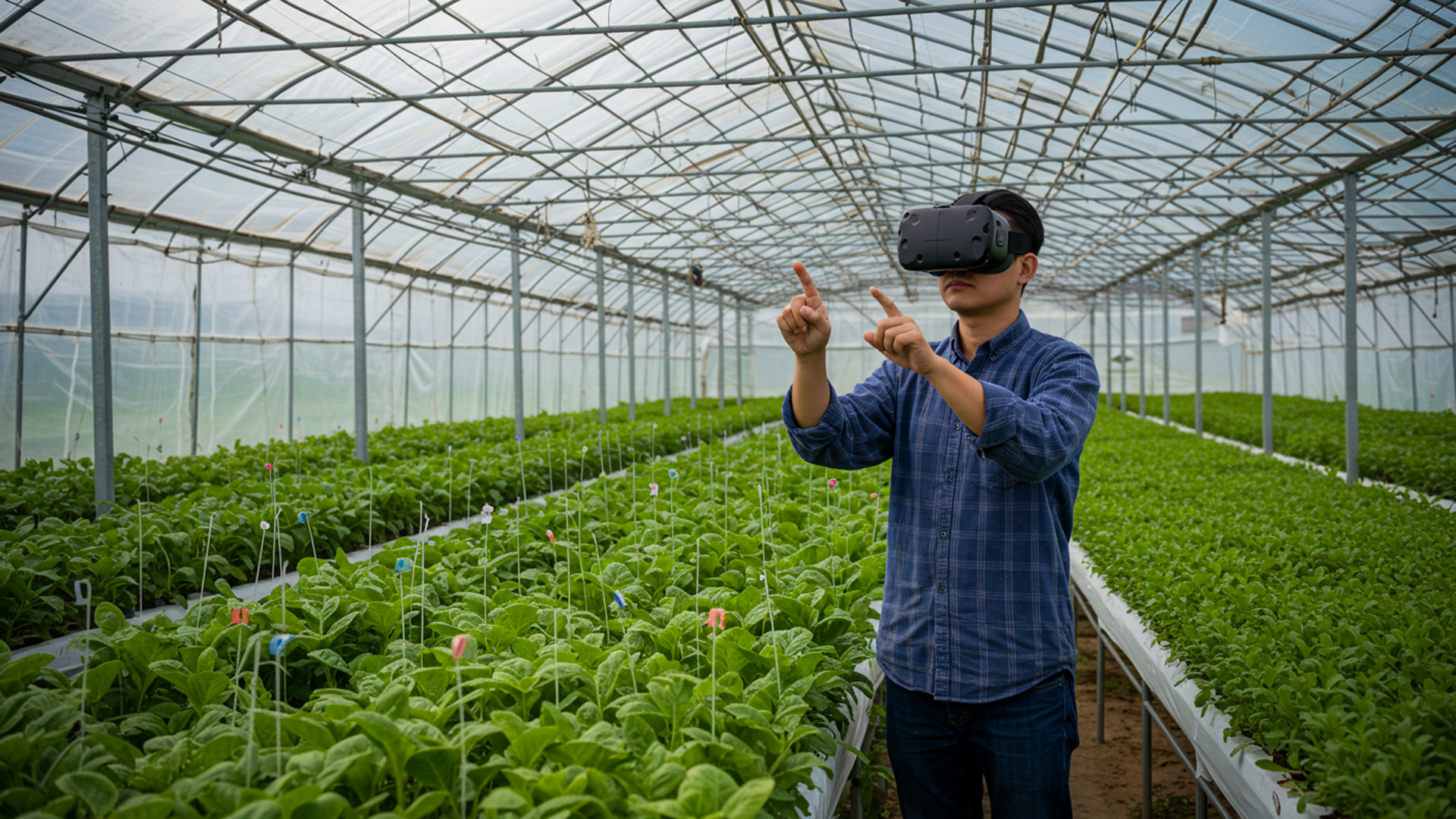
As virtual reality continues to evolve, its potential to drive environmental sustainability becomes increasingly evident. By harnessing the power of immersive technology for conservation, education, and reducing physical travel, VR offers innovative solutions to some of the most critical environmental challenges of our time. However, realizing this potential requires a balanced approach that addresses the environmental costs associated with VR technology itself. Through sustainable design, renewable energy integration, and responsible consumption, the VR industry can align its growth with the imperative to protect and preserve our planet.
The journey towards a sustainable future is a collaborative endeavor, where technology and environmental stewardship intersect to create meaningful change. Virtual reality stands as a testament to the possibilities that emerge when innovation is guided by a commitment to sustainability. By embracing the environmental benefits of VR and diligently addressing its challenges, we can leverage this transformative technology to foster a more sustainable and resilient world for generations to come.
Author: Elisha Roodt
Durban's leading intelligence hub on immersive technology. Delivering comprehensive coverage, expert analysis, and breakthrough news on Virtual Reality (VR), Augmented Reality (AR), and the Metaverse.