
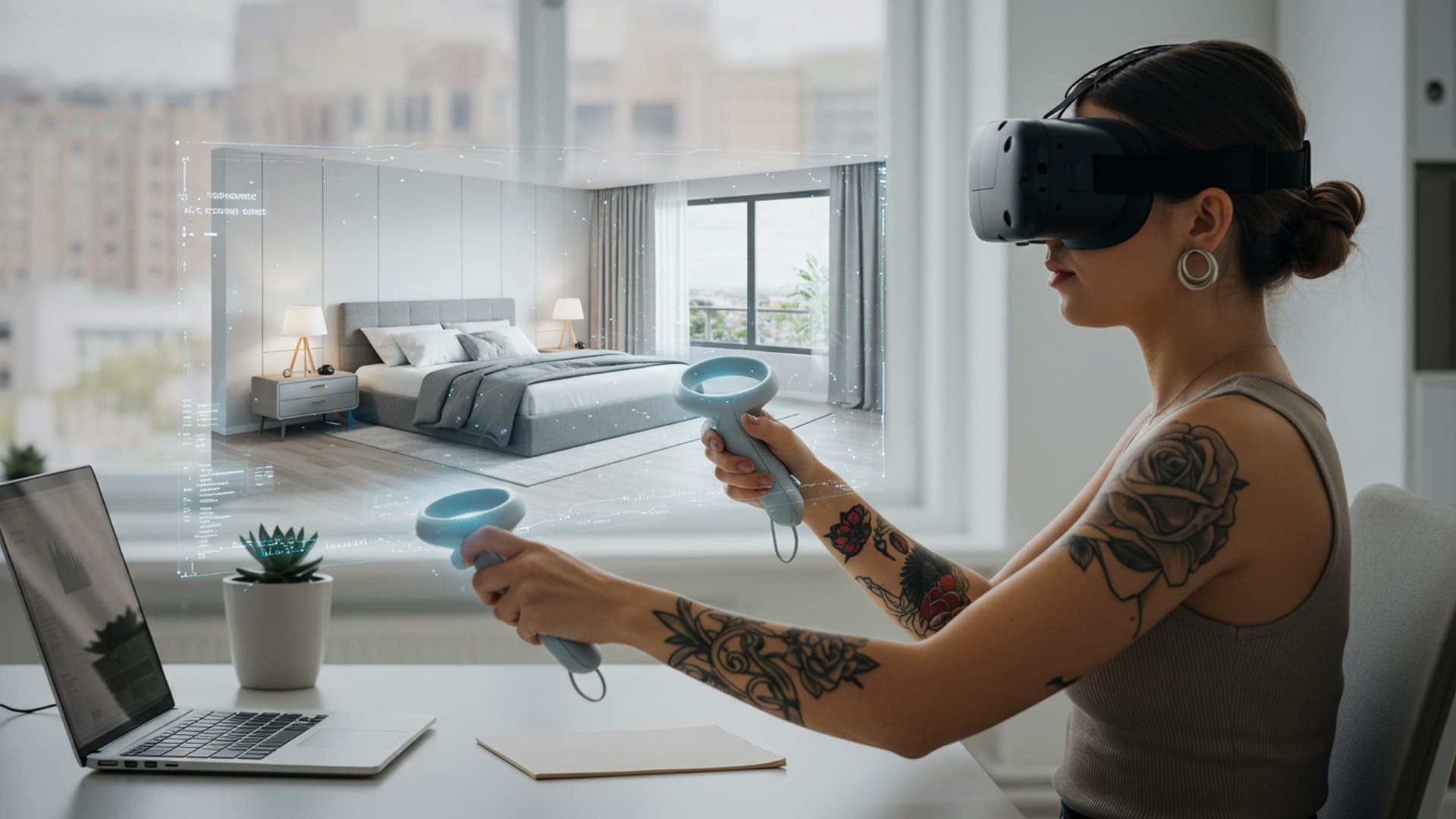
Revolutionizing Real Estate
Discover the groundbreaking technologies reshaping property buying, building design, and interior decorating In the evolving landscape of real...
Discover the groundbreaking technologies reshaping property buying, building design, and interior decorating
In the evolving landscape of real estate and architecture, immersive technologies such as virtual reality (VR) and augmented reality (AR) are rewriting the playbook for property exploration and design execution. These transformative tools empower clients and professionals alike, providing the means to step inside digital renderings that closely mimic the tangible world. As the boundaries between physical and digital spaces blur, innovative immersive experiences are accelerating decision-making processes and enhancing creative collaborations. Picture a scenario where a prospective buyer, thousands of miles away, virtually walks through a future home while designers tweak spatial elements in real time—a fusion of art, science, and engineering that heralds a revolution in how we visualize, design, and inhabit our built environment.
Virtual Tours: Immersive Experiences Redefining Property Exploration
A New Reality: Seamless Virtual Walkthroughs
The advent of seamless virtual walkthroughs has transformed the process of experiencing a property remotely. Prospective buyers can now explore every nook and cranny of a property in meticulous detail without ever stepping inside. Advanced VR systems generate lifelike environments that capture textures, lighting, and spatial depth, enabling an immersive sensation akin to physically being there. This digital leap not only transforms client expectations but also elevates the overall standard of property marketing. Imagine an investor in a distant city being able to scrutinize architectural nuances, assess neighborhood ambiance, and even test acoustics, all through an intuitive digital interface that bridges geographical divides and transcends the limitations of traditional photography or video tours.
Moreover, these innovations create a paradigm shift in accessibility and convenience. Homebuyers, under the guidance of smart virtual assistants, can toggle between different viewpoints, zoom into intricate details, and virtually interact with spaces. The technology’s realistic rendering capabilities inject a sense of presence and immediacy that enriches decision-making. As clients navigate virtual corridors and expansive living areas, the experience becomes a captivating journey, often sparking an emotional connection with the property that accelerates purchasing decisions. This immersive engagement, where digital precision meets human intuition, signifies a new era of property exploration characterized by depth, interactivity, and immediate access to real estate opportunities.
Engaging Storytelling: The Narrative of Digital Spaces
Digital spaces in virtual tours are quickly morphing into elaborate narratives that tell the story of a property’s potential. Through nuanced design and interactive features, each virtual walkthrough evolves beyond a mere presentation—it becomes a curated journey interwoven with historical context, design philosophy, and future aspirations. Savvy real estate professionals deploy VR to layer storytelling elements, using ambient audio, guided commentary, and dynamic visual sequences that engage the senses while conveying essential property details. Imagine a designer leading you through a virtual replica of a century-old mansion, where every room narrates its own unique history and hidden charm in an eloquent digital tale crafted to fascinate and inform.
The storytelling power of digital spaces extends to visualizing transformational possibilities. Buyers can witness a property in different states—from its raw, potential-filled form to a fully realized masterpiece brimming with modern amenities. By integrating augmented elements with traditional data, these tours evoke a compelling narrative that fuses art and science. The approach transforms the viewing experience into an exploratory adventure where each step reveals layers of design intricacies and future possibilities, drawing in even the most discerning investor. In this brave new world of immersive narratives, every virtual experience becomes an evocative performance that not only displays a space but also invites the viewer to become part of its unfolding story.
Cost Efficiency: Reducing Time and Geographic Barriers
Virtual tours reimagine cost efficiency in the real estate market by slashing travel expenses and condensing lengthy property inspections into streamlined digital visits. By adopting VR technology, developers and realtors save considerable time and financial resources that were once allocated to scheduling multiple physical visits, thereby catalyzing faster transactional processes. Imagine a scenario where international clients can review dozens of properties in a single afternoon, eliminating the need for costly cross-continental trips. This technological intervention not only democratizes access to elite property listings but also supports a more sustainable approach by mitigating the environmental impact of repeated physical travels.
In addition, the immediacy afforded by virtual inspections enhances responsiveness in a competitive market. By leveraging immersive walkthroughs, realtors can present numerous properties in an efficient, engaging manner, thus accelerating the decision-making cycle. Clients experience a sense of empowerment and autonomy, exploring each property at their own pace and revisiting key areas as desired. Consequently, the traditional delays and uncertainties associated with remote property evaluation diminish, fostering a faster-paced market where virtual accessibility translates directly into real-world gains. This strategic overhaul redefines efficiency, offering a compelling blend of economic prudence and futuristic convenience that resonates with investors and homebuyers alike.
Interactive 3D Models: A Blueprint for Architectural Innovation
Precision in Planning: Detailed 3D Visualizations
Detailed 3D visualizations are at the forefront of modern architectural planning, delivering unprecedented precision and clarity throughout a project’s evolution. Architects now harness sophisticated software to generate intricate digital blueprints that accurately reflect every curve, texture, and material nuance of a building design. This meticulous attention to detail enables stakeholders to visualize the entire project long before construction begins, thereby mitigating risks and refining design decisions based on real-time feedback. Envision an architect meticulously crafting a virtual replica of a high-rise, where every façade and spatial transition is scrutinized for structural integrity and aesthetic brilliance, ensuring a flawless translation from design to reality.
The granular nature of these 3D models fosters a culture of proactive problem-solving. With the capacity to simulate physical behaviors and environmental factors, designers can preemptively address issues that might otherwise result in costly modifications later in the construction phase. By projecting various scenarios—from light distribution in interior spaces to the dynamic interplay of structural loads—these visualizations serve as essential tools for ensuring both safety and artistic integrity. This digital exactitude, where each pixel contributes to a comprehensive understanding of architectural dynamics, bridges the gap between imaginative conceptualization and practical implementation, ultimately elevating the standards of modern construction planning.
Enhanced Collaboration: Bridging Gaps in Design
Interactive 3D models are revolutionizing collaborative design processes by offering platforms where architects, engineers, and stakeholders convene in a shared digital space. This convergence enables real-time adjustments, fostering a culture of transparency and coordinated innovation. When teams from across different geographical locations can manipulate a live, interactive model, communication barriers diminish and ideas flow more freely. Visualizing the design in three dimensions not only highlights potential issues from multiple perspectives but also encourages constructive debate and swift consensus. Envision a scenario where a global design team collaboratively reshapes structural elements, harmonizing artistic vision with engineering precision in a digital arena that simulates reality in every detail.
This enhanced collaborative process cultivates a sense of collective ownership and streamlined project execution. Interactive models empower individuals at all levels—from executive decision-makers to on-site construction teams—to access, interpret, and modify design elements with ease. The convergence of diverse expertise in a unified virtual workspace reduces miscommunication and allows iterative refinements that enhance the project’s overall robustness. By integrating visual analytics and simulation tools, these models become the nexus of creative collaboration, ensuring that every stakeholder contributes meaningfully to the design’s evolution. In doing so, the industry witnesses a fundamental shift toward more integrated, agile, and resilient project management practices that harmonize diverse perspectives into a singular vision of excellence.
Technical Mastery: Complex Modeling Meets Intuitive Interfaces
Complex digital modeling now converges with intuitive user interfaces to redefine how architects interact with their creative visions. Advanced software platforms boast a rich suite of tools that marry technical precision with user-friendly controls, enabling even intricate designs to be manipulated with natural ease. This fusion of technical mastery and intuitive design means that users can transition fluidly between detailed structural analysis and high-level aesthetic decisions without the cognitive overload traditionally associated with complex software. Imagine an architect immersed in a digital workspace where every adjustment to a model—be it a subtle shift in spatial alignment or a comprehensive redesign of a facade—is facilitated by an interface that anticipates and simplifies every move.
The real beauty lies in the software’s capacity to demystify complexity, making advanced modeling accessible to multidisciplinary teams. Each interaction within the environment is designed to be both rigorous in detail and accessible in execution, harnessing the latest in computational design and real-time rendering. This integration ushers in an era where the technical and the intuitive coexist harmoniously, driving efficiency and creative freedom. Professionals can now delve into layers of detail and emerge with coherent, actionable insights that transcend mere visualization. As digital twins of potential structures become common in the drafting room, this synergy fosters a new dynamic in which innovation is seamlessly balanced with precision, unlocking new horizons in architectural creativity and execution.
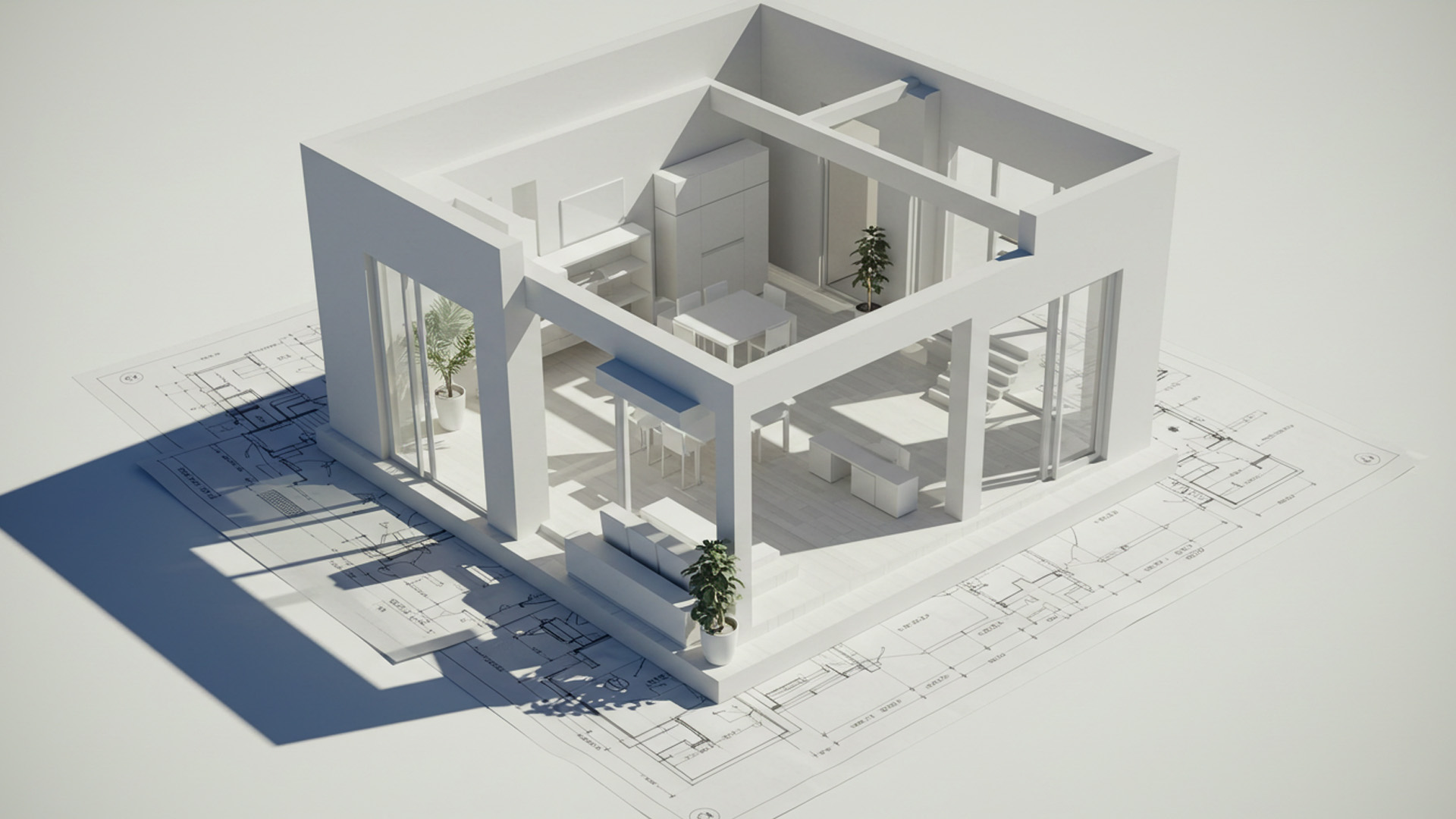
Augmented Design Tools: Revolutionizing Building and Interior Decor
Real-time Revisions: Adaptive, On-site Adjustments
Augmented design tools have introduced an agile approach to building modifications and interior decorating, where real-time revisions are not just possible but are seamlessly integrated into the design process. Using AR-enabled devices, architects and interior designers can overlay digital elements on physical spaces, instantly visualizing the impact of various alterations. This immediacy facilitates adaptive modifications that align with both aesthetic aspirations and functional requirements. Picture a scenario where a designer, while surveying a nearly completed home, uses AR glasses to test different color schemes or furniture arrangements in situ. This real-time capability empowers decision-makers to refine and perfect designs on the fly, marrying creativity with practicality in a dynamic, interactive environment.
The ability to make swift on-site adjustments heralds a significant leap forward in reducing project timelines and resource wastage. Augmented tools enable teams to simulate multiple design iterations without the need for physical prototypes, thus conserving both material and financial resources. Clients benefit from a richer, more interactive decision-making process, where changes are visualized immediately, ensuring that every design element harmonizes with the overall vision. This adaptive process not only streamlines project execution but also elevates the creative potential of every space. In an industry that thrives on balancing form with function, the integration of AR into real-time revisions is a game-changing catalyst for innovation and efficiency, ensuring that designs evolve fluidly in response to real-world challenges.
Layered Realities: Integrating Digital and Physical Spaces
Layered realities offer a transformative approach to merging digital design elements with tangible, physical settings. Augmented design tools create a canvas where architects and decorators can superimpose virtual textures, furnishings, and spatial alterations onto real-world environments. This seamless interplay enables professionals to conduct virtual renovations within an existing physical structure, thereby gaining immediate insights into how proposed changes will interact with natural lighting, textures, and spatial proportions. Imagine an interior decorator virtually overlaying an intricate mosaic onto an exposed brick wall, experimenting with a fusion of modern technology and classic design without ever lifting a hammer. This process not only enriches the creative exploration but also minimizes the risks associated with radical redesigns.
The power of layered realities lies in the ability to iterate swiftly and accurately. By visualizing proposed changes in real time, stakeholders can gauge the aesthetic and functional consequences of each adjustment. Augmented reality transforms traditional blueprints into interactive experiences, where clients witness design concepts come to life in their current environment. This digital-physical integration paves the way for more informed decisions, marrying technical precision with artistic intuition. As layers of virtual enhancements blend fluidly with the existing structure, a renewed sense of possibility emerges—one where every alteration resonates with both creative vision and practical viability. Ultimately, this innovative convergence redefines the boundaries of design, offering a dynamic dialogue between the imagined and the tangible.
User-Centric Experiences: Personalizing Design Through AR
User-centric design experiences have reached new heights through AR, allowing personalization that was once unimaginable in conventional decorating. With augmented reality applications, clients can now customize design elements—from color palettes and furniture layouts to nuanced decorative features—in a fully interactive digital environment. This immersive personalization fosters a deeper emotional connection to the space by enabling end users to experiment with options that reflect their individual tastes and lifestyle needs. Imagine a scenario where a family uses a tablet to visualize multiple interior design schemes in their future home, fine-tuning elements until the ambiance perfectly mirrors their dreams. This level of granular control not only streamlines the design process but also imbues it with an element of playful exploration and discovery.
The personalized nature of AR-driven design transforms the customer experience into a collaborative dialogue between vision and execution. As clients become active participants in shaping their environments, the boundaries between professional recommendations and personal preferences blur harmoniously. Designers, equipped with real-time feedback, can tailor their proposals more closely to the client’s aspirations, thus achieving a synthesis of technical excellence and individualized artistry. The result is a bespoke interior that marries modern aesthetics with the intimate quirks of personal style, a testament to how augmented reality is redefining the metrics of customer satisfaction. By positioning the user at the center of the creative process, AR fosters innovative solutions that resonate on both a practical and emotional level.
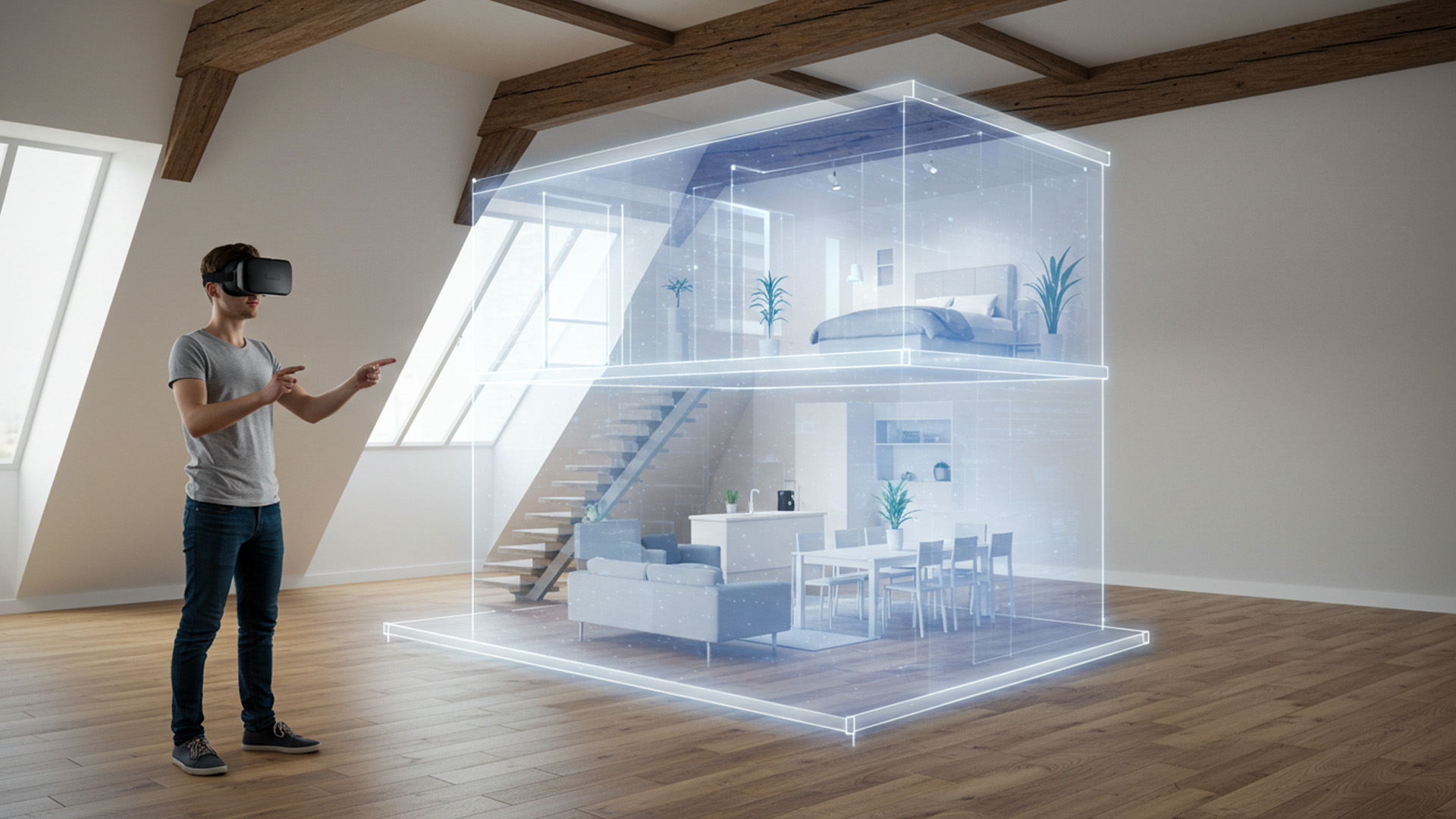
Future Outlook: Integrating VR and AR for a Transformed Industry
Innovative Trends: What Lies Ahead for Real Estate and Architecture
As VR and AR continue to evolve, innovative trends are emerging that promise to further disrupt the realms of real estate and architecture. Emerging technologies are not only enhancing visualization and design capabilities but also redefining how industry professionals approach project development. Forward-thinking firms are exploring integrations with artificial intelligence, machine learning, and real-time data analytics to create ecosystems where digital simulations predict market trends and user interactions become data-driven design cues. Envision a future where digital construction twins predict material behavior, energy efficiency, and even occupant comfort long before a building is erected. This convergence of cutting-edge technologies paves the way for anticipatory design that is both intuitive and robust.
In this forward-looking landscape, every project becomes a living blueprint, continuously refined by feedback loops between the virtual and the real. The evolution of VR and AR accelerates the pace of creative iteration, allowing designs to morph organically as new data and trends emerge. Architects and real estate developers will likely witness a shift from reactive problem-solving to proactive innovation, harnessing advanced simulations to anticipate challenges and opportunities alike. These transformative trends signal not just an incremental improvement but a seismic shift in industry paradigms. As the digital overlay of our physical world becomes more sophisticated, the lines between planning, execution, and post-occupancy analysis will blur, setting the stage for an era where design and technology coexist in a state of perpetual evolution.
Bridging the Virtual and Real: Harmonious Digital Transitions
Bridging the virtual and the real requires an orchestrated synergy between advanced digital tools and tangible construction practices. As VR and AR systems become more ubiquitous, industry professionals are discovering that the key to success lies in seamlessly merging digital prototypes with physical realities. Innovative construction methodologies now integrate these immersive technologies to ensure that the design vision is faithfully executed on-site. Consider a scenario where construction teams, equipped with augmented overlays, verify measurements and align structural elements with pinpoint accuracy. This dynamic interaction between digital directives and manual craftsmanship enhances precision, minimizes errors, and fosters a new culture of collaborative efficiency that transcends traditional construction methodologies.
This harmonious digital transition is replete with opportunities for both creative and operational breakthroughs. Stakeholders can now share a common, vividly rendered understanding of project aspirations, enabling more synchronized workflows from design inception to final build. Such integrated approaches empower teams to anticipate and resolve discrepancies in real time, ensuring that every detail adheres to the architect’s vision. The seamless fusion of VR/AR with on-site practices not only optimizes resource allocation but also heralds a shift toward a more adaptive and resilient construction ecosystem. Ultimately, these digital transitions are more than mere technological upgrades—they represent a transformative ideology where virtual insight and physical execution coalesce to elevate industry standards and project outcomes.
Industry Adaptation: Navigating Regulatory and Technological Shifts
As the architectural and real estate sectors continue to integrate VR and AR technologies, navigating regulatory frameworks and technological shifts becomes paramount. Industry adaptation is not solely about embracing new tools; it requires a nuanced understanding of compliance, data security, and ethical considerations that underpin these digital innovations. Professionals must balance rapid technological adoption with robust policy frameworks that ensure user privacy, reliable system integrity, and adherence to safety standards. Imagine an industry consortium collaborating to set new benchmarks that safeguard both technological advancement and public trust. This adaptability is essential in forging pathways that allow immersive digital tools to flourish within a structured, law-abiding environment while still pushing the boundaries of creative expression.
The ongoing evolution of digital tools necessitates a forward-looking approach that encompasses continuous training, dynamic policy updates, and a culture of experimentation. As stakeholders adjust to the rapid pace of change, a collaborative ecosystem emerges—where regulatory bodies, technology providers, and industry professionals jointly navigate the transition. In this environment, constructive dialogues between policymakers and innovators help shape standards that optimize both usability and protection. The result is an adaptive industry capable of harnessing the full potential of VR and AR, while simultaneously mitigating risks. By embracing regulatory evolution as an integral facet of technological progress, the industry sets the stage for sustainable growth and a future in which innovation and responsibility advance hand in hand.
Integrating Vr And Ar For A Transformed Industry
Author: Elisha Roodt
Durban's leading intelligence hub on immersive technology. Delivering comprehensive coverage, expert analysis, and breakthrough news on Virtual Reality (VR), Augmented Reality (AR), and the Metaverse.